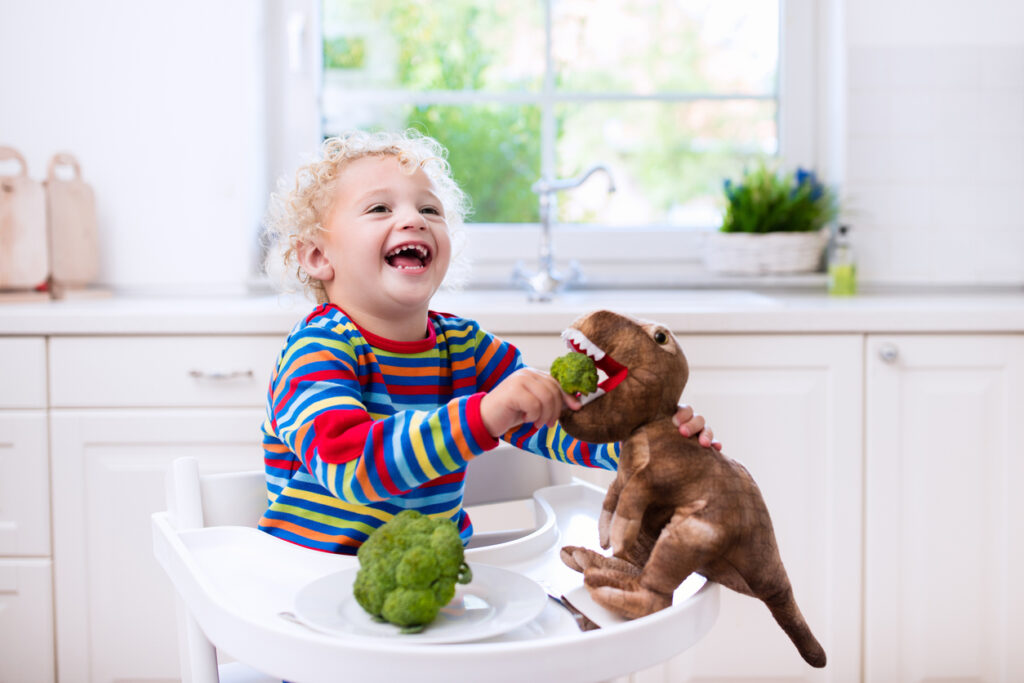
Parents are always searching for clever ways to make vegetables less of a battle, and “dinosaur time” is the quirky hack that’s getting kids on board. The idea is simple: connect veggies with dinosaurs, and suddenly the dinner table feels like playtime. It’s not about tricking kids, it’s about making eating more fun, which is why so many families are finding it works. Here are just some of the reasons it’s catching on, and why it’s making vegetables exciting again.
1. Kids already love dinosaurs.
Dinosaurs have an almost universal appeal for kids because they’re big, bold, and fascinating. When broccoli is described as “dinosaur trees,” it instantly feels less like a boring vegetable and more like part of a prehistoric feast. The connection plays straight into their curiosity and excitement. Instead of groaning at the sight of greens, they see them as part of an adventure, which completely changes their attitude at the table.
2. Imagination makes food fun.
Children are natural storytellers, and “dinosaur time” gives them a chance to play while they eat. Pretending to graze like a brontosaurus or snap like a T. rex transforms a plate of vegetables into props for their imagination. Because eating turns into a story, the focus moves away from resistance. The silliness creates laughter, which lowers tension and makes vegetables feel approachable rather than forced.
3. Broccoli becomes a star.
Broccoli has a reputation as one of the toughest vegetables to sell to kids, but calling it “dinosaur trees” reframes it completely. Instead of seeing it as something bitter and boring, they picture a forest that dinosaurs once roamed. A new perspective encourages them to give it a try. What once caused groans suddenly becomes a highlight of the meal, and that small change makes a big difference over time.
4. It changes the focus from “healthy” to “cool.”
Parents often lean on the health angle when convincing kids to eat vegetables, but health isn’t what excites children. “Dinosaur time” swaps lectures for fun because it positions vegetables as part of something cool rather than part of a rule. That change removes the sense of pressure. Kids are more likely to eat willingly when the focus is on play instead of persuasion, which makes dinner less stressful for everyone.
5. It makes mealtimes less stressful.
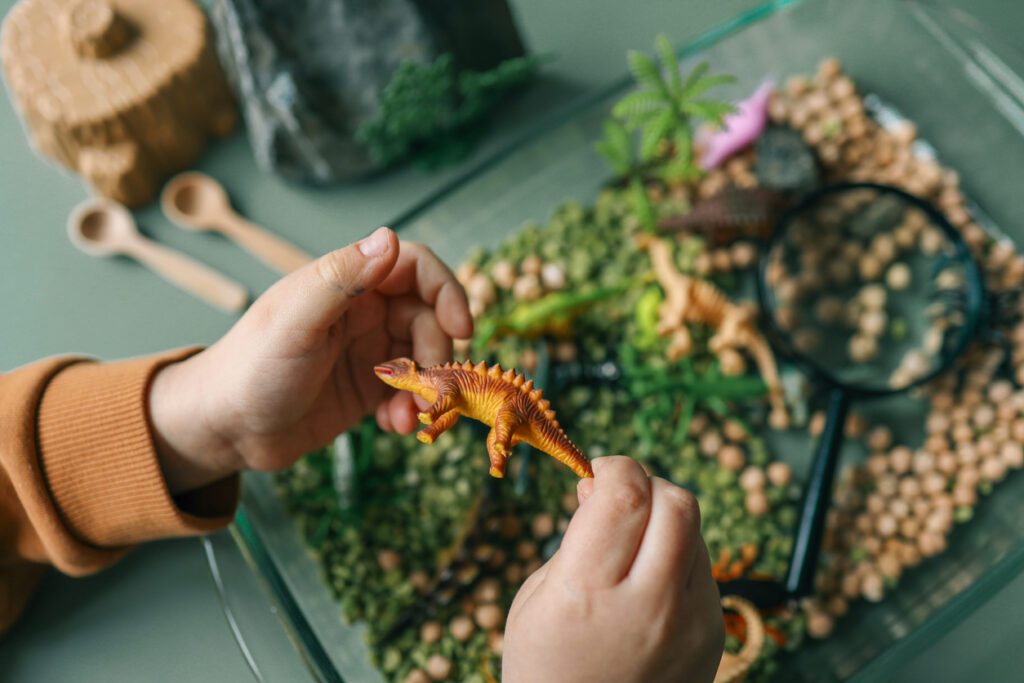
Mealtimes can turn into stand-offs when children resist vegetables, but adding play instantly softens the atmosphere. Parents no longer feel like they’re nagging, and children stop feeling like they’re being pushed. It makes the table a more enjoyable place for the whole family. With the fight removed, everyone relaxes, and vegetables get eaten without the same tension that usually surrounds them.
6. Kids like to mimic dinosaurs.
Children love pretending to be dinosaurs, whether it’s roaring loudly or crunching dramatically. When they’re encouraged to copy how dinosaurs might have eaten, the vegetables suddenly become props for their performance. This sort of roleplay keeps them engaged longer. Instead of dragging their heels, they actively join in, and the act of eating becomes a game they want to continue.
7. It works with lots of vegetables.
The beauty of the hack is how flexible it is. Carrots can be “dino sticks,” peas can be “dino eggs,” corn can be “prehistoric gold,” and lettuce can be “jurassic leaves.” Nearly every vegetable can fit into the game with a little imagination. That flexibility means the idea doesn’t get old. Kids enjoy the variety, and the new names keep them curious and open to trying different foods.
8. It sparks curiosity about food.
When children see food as part of a playful story, they’re more willing to explore it. Curiosity takes over, and vegetables feel less like a demand and more like something worth investigating. It’s an attitude that often carries over to other foods too. Once kids learn that tasting can be fun, they’re more open-minded at the table in general, which helps long-term eating habits.
9. Parents feel less pressure, too.
For many parents, getting children to eat vegetables feels like an exhausting daily battle. “Dinosaur time” changes the dynamic completely because it puts the parent in the role of playful guide rather than strict enforcer. The change makes meals lighter for everyone. Instead of feeling tense and frustrated, parents can laugh along, which strengthens the bond between them and their children.
10. It builds positive food memories.
The way children remember eating vegetables matters just as much as the vegetables themselves. When eating is linked with fun, laughter, and dinosaur games, those positive associations stick. Over time, kids don’t just tolerate vegetables, they build warmer feelings toward them. That foundation helps encourage healthier choices without the usual resistance.
11. It’s easy to adapt.
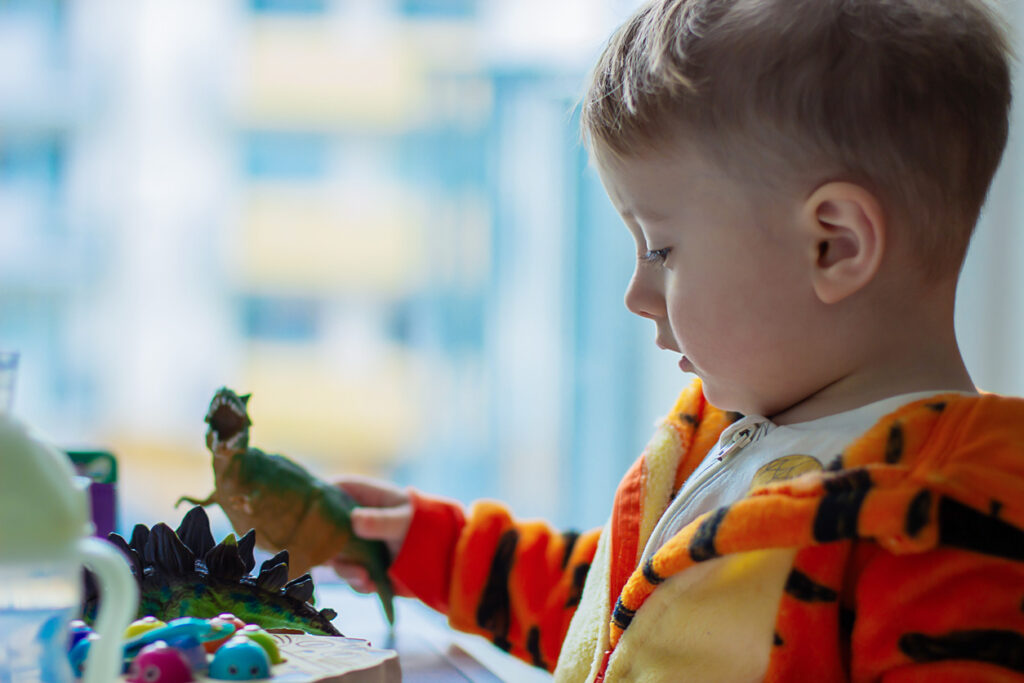
Unlike strict meal plans or complicated tricks, “dinosaur time” doesn’t take much effort. Parents can make it up as they go, adding names, sounds, or small rituals that make the meal more fun. Because it’s flexible, it doesn’t feel forced. Families can adjust it to their own style, which keeps the game fresh and enjoyable without becoming a burden.
12. It turns eating into connection.
At its heart, “dinosaur time” isn’t just about vegetables. It’s about turning mealtimes into moments of laughter, imagination, and shared fun, which creates stronger connections around the table. The vegetables finally get eaten, but that’s only part of the win. The bigger reward is the shared memory of playing together, which stays long after the meal is done.