Falling out of love doesn’t always happen with dramatic fights or obvious betrayals. Sometimes it’s a gradual fade that creeps up so slowly you don’t notice until you’re living with someone who feels more like a roommate than the person you chose to share your life with.
1. You stop bothering to argue about things that used to matter.
When you’re in love, you care enough to fight about issues because you want to work things out and make the relationship better. But when love fades, disagreements feel pointless because you don’t have the energy to invest in fixing problems anymore. You find yourself just agreeing or walking away instead of engaging because deep down you don’t really care what happens. The relationship stops feeling worth the effort of conflict and resolution.
2. Their good news doesn’t excite you anymore.
When your partner gets a promotion, achieves a goal, or has something wonderful happen, your reaction feels flat and forced rather than genuinely happy. You might say the right words, but the enthusiasm isn’t really there. You realise you’re responding the way you would to an acquaintance’s success, rather than feeling genuinely thrilled for someone you love. Their victories don’t feel like shared celebrations anymore.
3. You fantasise about life without them.
You catch yourself imagining what it would be like to live alone, date other people, or make major life decisions without having to consider their feelings and preferences. These thoughts don’t make you feel guilty like they used to. The fantasies aren’t necessarily about specific other people, but about the freedom and possibilities that would exist if you weren’t in this relationship anymore. The idea of being single starts seeming appealing rather than scary.
4. Physical affection feels like a chore.

Hugging, kissing, holding hands, and other casual physical contact starts feeling obligatory rather than natural and desired. You might go through the motions, but it doesn’t come from genuine want or affection anymore. Even when you engage in physical intimacy, it feels mechanical and disconnected rather than emotionally meaningful. You’re present physically but checked out emotionally during these moments.
5. You’re more interested in your phone than in talking to them.
Conversations with your partner become background noise while you scroll through social media, text other people, or focus on anything else that seems more engaging than whatever they’re trying to share with you. You realise you know more about what’s happening in strangers’ lives online than what’s going on with your partner because you’re not really listening when they talk anymore.
6. Their habits that used to be cute now annoy the hell out of you.
The quirks and behaviours that once made you smile now make you want to leave the room. Their laugh sounds grating, their eating habits gross you out, and their personality traits feel irritating rather than endearing. The change from finding someone charming to finding them annoying is a clear sign that your feelings have fundamentally changed because love makes us overlook or appreciate things that would bother us about other people.
7. You make plans that don’t include them without thinking about it
When planning your weekend, holiday time, or social activities, you automatically think about what you want to do rather than what you’d enjoy doing together. They become an afterthought in your own life planning. You might make commitments or decisions that affect both of you without consulting them because you’ve mentally separated your life from theirs, even though you’re still technically together.
8. You feel relieved when they’re not around.
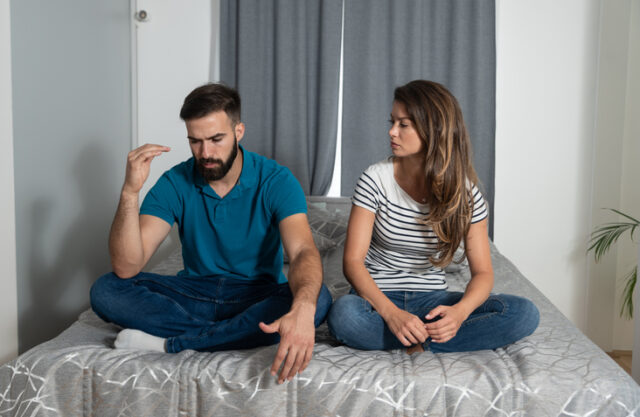
Business trips, social events they can’t attend, or times when they’re busy elsewhere feel like welcome breaks rather than separations you miss. Their absence brings peace rather than loneliness. You might even find yourself hoping they’ll make plans that don’t include you so you can have time and space without having to ask for it or feel guilty about needing distance.
9. You don’t care about impressing them anymore.
You stop putting effort into your appearance when you’re together, don’t bother being interesting or funny in conversations, and generally quit trying to be attractive to them because their opinion of you doesn’t feel important. The lack of effort extends to romantic gestures, thoughtful surprises, and general consideration for their preferences because pleasing them is no longer a priority or source of satisfaction for you.
10. Their problems don’t feel like your problems.
When they’re stressed about work, family issues, or personal struggles, you feel detached from their experience rather than naturally wanting to help and support them through difficult times. You might offer practical advice or surface-level comfort, but their emotional wellbeing doesn’t affect your own mood and peace of mind the way it used to when you felt more connected.
11. You avoid deep conversations about the relationship.
Talks about the future, relationship issues, or emotional topics feel exhausting and pointless rather than important opportunities to connect and understand each other better. You’d rather keep things surface-level and functional because going deeper would require emotional energy you don’t want to invest and might reveal feelings you’re not ready to acknowledge or discuss.
12. You’re attracted to other people in ways you weren’t before.
Other people start seeming more appealing, interesting, and attractive than they did when you were fully invested in your relationship. You might not act on these feelings, but you notice them more and enjoy them. The attraction isn’t necessarily about specific individuals, but about the excitement and possibility that other people represent compared to the familiarity and lack of spark you feel with your current partner.
13. You feel like you’re pretending to be happy.

Maintaining the appearance of a loving relationship starts feeling like acting rather than natural expression of your feelings. You say “I love you” because it’s expected, rather than because you mean it. The performance becomes exhausting because you’re constantly monitoring your behaviour to seem like someone who’s in love when the genuine feelings aren’t driving your actions anymore.
14. You don’t want to work on relationship problems.
When issues come up, your instinct is to avoid dealing with them rather than diving in to find solutions and improve things. The idea of couples therapy or serious relationship work feels pointless rather than hopeful. You’ve lost faith that fixing problems would make any meaningful difference because the fundamental connection that would make the effort worthwhile isn’t there anymore.
15. Being alone feels better than being together.
Your happiest moments happen when you’re by yourself or with other people, and time spent with your partner feels draining or neutral at best. You prefer your own company to theirs. Your preference for solitude or other relationships over time with your partner is probably the clearest sign that romantic love has faded because love makes us want to spend time with someone rather than avoid them.