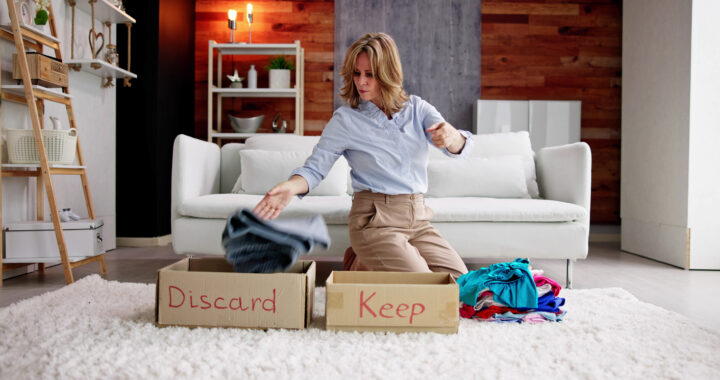
Whether you’re moving to a smaller place or simply wanting to pare down on how much stuff you’ve got hanging around, downsizing your belongings can be tough. It’s never just about space, it’s about letting go of pieces of your past. Sorting through years of memories can feel overwhelming, but breaking it into manageable steps makes it less daunting and far more rewarding in the end.
1. Start small and early.
Diving into the whole house at once is a recipe for stress. Begin with a single drawer or cupboard to ease yourself into the process without feeling paralysed by the scale of the task. Starting early also gives you more breathing room. Instead of rushing through emotional decisions, you can take your time, reflect, and adjust to the idea of letting go gradually.
2. Tackle one category at a time.
Mixing clothing with books, photos, and kitchenware creates confusion. Focusing on one type of item at a time allows you to make consistent decisions without bouncing between very different belongings. This approach also makes progress easier to track. When you finish a category, you see the results clearly, which builds momentum to keep going.
3. Decide what truly adds value.
Ask yourself whether an item is useful, meaningful, or both. Things that no longer serve either purpose are often just taking up space and creating clutter in your mind as well as your home. Keeping only what brings value makes your belongings feel lighter and more intentional. Instead of a house full of stuff, you end up with possessions that genuinely matter to you.
4. Use the “one in, one out” rule.
When getting rid of things, it helps to stop clutter from creeping back in. The simple habit of letting go of one item for every new one you bring in keeps things balanced. This rule forces you to consider new purchases more carefully. It becomes easier to avoid impulse buys when you know they will replace something you already own.
5. Keep sentimental items selective.
Memories are often the hardest part of downsizing. While it’s tempting to keep every photo or keepsake, selecting the most meaningful ones ensures your memories are preserved without overwhelming your space. You can also store them in creative ways, like a memory box or digital album. This way, the emotion remains without the clutter taking over.
6. Involve family when possible.
Passing on heirlooms or cherished items to family can make letting go easier. Knowing that something will continue to be valued gives the process more meaning than simply discarding it. It also opens up important conversations. Sharing stories behind certain items helps preserve family history while making the practical act of paring down your belongings feel more positive.
7. Set limits for each space.
Rather than deciding item by item, it can help to set physical limits, like one shelf for books or one box for keepsakes. These boundaries force you to prioritise what matters most. When the space is full, you know it’s time to stop. This prevents clutter from slowly creeping back and keeps the downsizing consistent across your home.
8. Consider donations and recycling.
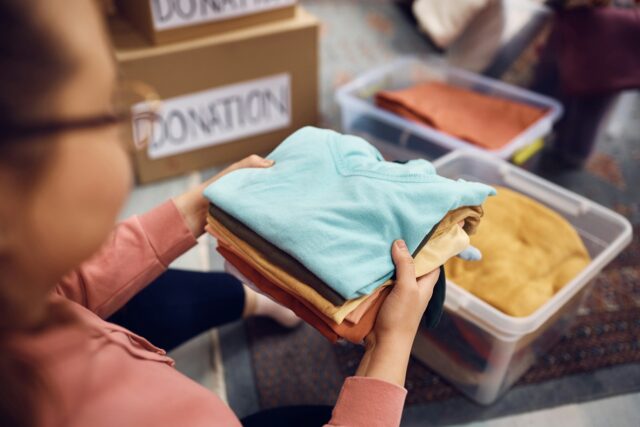
Letting go feels easier when you know your belongings will benefit someone else. Donating clothes, furniture, or household items gives them a new life rather than sending them straight to landfill. For items not suitable for donation, recycling is a responsible option. Knowing you’re decluttering in an environmentally friendly way can make the process less guilt-ridden.
9. Take photos of things you release.
Some belongings are hard to let go of because they hold memories rather than practical value. Taking a photo allows you to keep the memory without keeping the object itself. This simple step helps you separate sentiment from physical clutter. You can revisit the image whenever you like without feeling weighed down by storage.
10. Be realistic about future needs.
It’s easy to hold on to things with a “just in case” mindset. While some forward planning is sensible, too much of it keeps you tied to items you’ll never actually use. Ask yourself when you last needed it and whether it realistically fits into the life you’re building now. Letting go of unused items creates space for what you actually need today.
11. Pace yourself and take breaks.

Downsizing is emotionally and physically draining. Trying to do too much at once only leads to burnout and frustration, which can stall your progress altogether. By breaking the process into shorter sessions, you stay consistent without overwhelming yourself. Regular breaks keep your energy and motivation intact until the job is complete.
12. Focus on the peace it will bring.
It’s easy to get caught up in what you’re losing rather than what you’re gaining. Reminding yourself that less clutter means less stress helps keep you moving forward. Downsizing makes life simpler and calmer. By focusing on the peace of a lighter, more manageable space, you see the rewards that come from letting go of the excess.