GP practices operate under rules that seem designed to make life harder for patients rather than easier.

They feel outdated, ridiculous, or just plain unfair, but they stick around because the system is stretched and no one seems able to fix the cracks. If you’ve ever sat on hold for half an hour or fought for an appointment that lasts less time than making a cup of tea, you already know how exhausting it can be. It’s not that anyone’s trying to make life harder, it’s just the reality of a service that’s bursting at the seams.
People end up adjusting, lowering expectations, or planning their whole day around a five-minute window of access. It wears you down, and you’re left wondering why certain rules even exist in the first place. Still, until the system gets a major shake-up, these frustrating parts of GP life are probably sticking around.
1. The 8 a.m. scramble for same-day appointments

Most surgeries release same-day appointments at 8am sharp, creating a frantic rush where engaged lines and website crashes are guaranteed. Patients with jobs can’t spend half an hour redialling, yet those are often the people who need quick appointments most desperately.
This system stays because practices claim it’s the fairest way to distribute limited appointments, even though it clearly favours people with flexible schedules or nothing else to do. The surgeries know it’s rubbish but changing it would mean admitting they don’t have enough appointment slots in the first place, which opens uncomfortable conversations about funding and staffing.
2. One problem per appointment only

GPs insist you can only discuss one health issue per ten-minute slot, even though many conditions are connected, or you’ve waited weeks to be seen. If you mention a second concern, you’re told to book another appointment and wait all over again for something that could be sorted in two extra minutes.
This rule exists because surgeries are desperately overbooked and running behind schedule constantly. Doctors worry that addressing multiple issues will make them even later for other patients. The unfairness is that minor connected problems get treated as separate issues requiring separate waits, turning one GP visit into a months-long process for things that used to be handled in one go.
3. You must call back if the doctor doesn’t ring

When you request a telephone appointment, practices tell you the doctor will call sometime during a four-hour window. If they don’t ring, you’re expected to call back and chase it up yourself, even though you’ve been waiting by the phone all morning.
This policy protects the surgery from accountability when doctors forget calls or run too late to complete their list. Making patients responsible for chasing missed appointments means the practice never has to apologise or reschedule proactively. It stays in place because admitting doctors regularly miss scheduled calls would expose how overloaded the system truly is.
4. Register as a temporary patient if you’re away from home

If you fall ill while staying somewhere else in the UK, you can’t just see a local GP. You have to register as a temporary patient with paperwork and proof of address, or travel back home for treatment, even in situations where you clearly need help now.
The NHS claims this prevents people from doctor shopping or abusing the system, but it mainly creates barriers when people genuinely need care away from home. The rule persists because changing it would require practices to treat patients they have no ongoing relationship with, and nobody wants the administrative burden of visitors they’ll never see again.
5. Blood test results take a week even for urgent matters

You can have blood drawn for something potentially serious, then wait a full week or longer to hear results that might be available within 24 hours. The surgery won’t chase labs or expedite results unless you’re literally dying, leaving you in anxious limbo for days.
This happens because practices are understaffed and reviewing results takes time nobody has. They batch-process test results when convenient, rather than as they arrive. The delay continues because there’s no pressure to change it, and surgeries would rather you wait quietly than demand they hire more staff to handle results promptly.
6. You can’t book appointments more than two weeks ahead

Many surgeries won’t let you book routine appointments further than two weeks in advance, supposedly to keep slots available for urgent cases. This means people with chronic conditions requiring regular check-ups must play the booking lottery every fortnight instead of scheduling months ahead.
The system stays because practices claim advance booking leads to missed appointments and wasted slots. They’d rather force everyone into the mad scramble than trust patients to show up for appointments they booked three months ago. It’s easier for the surgery to manage chaos in two-week chunks than commit to long-term scheduling that might need adjusting.
7. Receptionists decide if your problem is urgent

You have to explain intimate health details to a receptionist with no medical training, who then decides whether you’re ill enough to see a doctor. They ask invasive questions about symptoms you’d rather discuss with an actual GP, essentially performing triage they’re not qualified to do.
This gatekeeping exists because surgeries don’t have enough appointments for everyone who requests them. Receptionists filter out people they judge as non-urgent, regardless of whether their assessment is medically sound. The practice continues because it reduces GP workload, and challenging a receptionist’s decision means arguing with someone who controls your access to healthcare.
8. Prescriptions take 48 hours minimum

Even for medications you’ve taken for years, repeat prescriptions require 48 hours notice at minimum. If you run out on a Friday, you’re stuck until Tuesday, despite the surgery having your prescription on file and pharmacies being open all weekend.
The delay exists because GPs must review and sign prescriptions rather than allowing automatic repeats, even for stable long-term medications. Changing this would require trusting patients to manage their own prescriptions responsibly and implementing systems that let medications renew without GP approval each time. Surgeries resist this because it removes their control over prescribing.
9. You can’t see the same doctor consistently

Continuity of care is nearly impossible now because you see whichever doctor has an available slot. Each appointment means explaining your history again to someone new, who spends half the 10 minutes reading your notes rather than listening to you.
This happens because practices don’t have enough GPs to give everyone a personal doctor anymore. They’d rather maximise appointments by using whoever’s available than block slots for specific doctors. The system stays because acknowledging the loss of continuity would mean admitting there aren’t enough GPs full stop, which nobody wants to confront publicly.
10. Online booking shows no appointments available ever

Practices offer online booking systems that display zero available appointments whenever you check. You’re told to call instead, which defeats the entire point of having online booking. The few slots released online disappear within seconds of appearing.
This happens because surgeries reserve most appointments for phone bookings, leaving only a handful for the online system. They claim it prevents people from hoarding appointments, but really it’s because they haven’t figured out how to manage capacity across both systems fairly. Fixing it would require actually releasing enough appointments online to make the system worthwhile, which would expose how few slots exist overall.
11. Home visits are essentially impossible
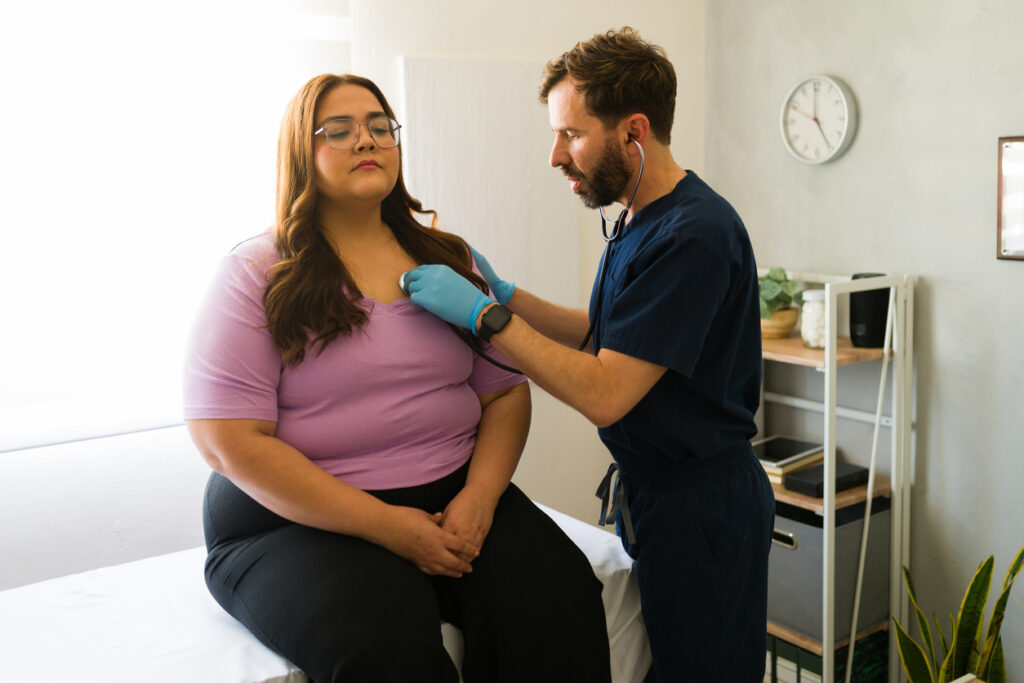
Unless you’re literally bedridden and housebound permanently, getting a GP to visit your home is nearly impossible. Even elderly patients recovering from surgery or people too ill to travel safely get told to come to the surgery or call an ambulance instead.
Home visits take much longer than surgery appointments, eating into time that could see multiple patients. Practices have essentially abandoned them except in extreme cases because they’re inefficient. The policy persists because nobody wants to acknowledge that abandoning home visits leaves vulnerable people without proper care, and bringing them back would require more GPs than exist.
12. You must re-register prescriptions with new chemists yourself

If you switch pharmacies, your repeat prescriptions don’t automatically transfer. You have to inform both your surgery and the new chemist, then wait while they sort out paperwork, during which time you might run out of essential medication because nobody takes responsibility for the transition.
This system stays because there’s no integrated database connecting surgeries and pharmacies efficiently. Each operates independently with different systems that don’t communicate. Fixing it would require NHS-wide technology upgrades and standardised systems, which costs money and requires coordination across thousands of practices and pharmacies. It’s easier to make patients manage the connections themselves than overhaul the infrastructure.