Life in the UK has changed a lot in the past few years, and not in ways most people feel good about.
You hear it in conversations all the time: people are tired, stretched thin, and fed up with how hard everything seems compared to even a decade ago. It’s not some over-the-top collapse, it’s more that everyday life has become heavier for a lot of people. Whether it’s money worries, housing stress, or just the general mood in the country, things feel tougher than they should. Everyone’s trying their best, but you can tell something’s gone off course. If you’ve been feeling that too, you’re not imagining it.
1. Wages aren’t keeping up with prices.

Most people earn more on paper than they did years ago, but those extra pounds don’t go far. Everything from food to fuel now costs more, while pay rises lag behind inflation. That means many households are technically working harder but feeling poorer. Even small luxuries like a coffee or takeaway now feel like treats rather than regular comforts. When basic costs keep rising faster than income, day-to-day life becomes a balancing act.
2. Rent takes up half of most pay packets.
Finding an affordable place to live has become one of the hardest parts of adult life. In cities, rent easily swallows half of a person’s wage, leaving little left for savings or emergencies. Even outside big towns, demand still outstrips supply. Many young people stay at home longer because moving out feels impossible. For families, rent increases every year with no guarantee of better living conditions.
3. Owning a home feels out of reach.

Previous generations could buy their first home before thirty. Now, even saving for a deposit takes years. High interest rates and limited housing stock make buying a property feel like winning the lottery. People who manage to buy often take on long-term debt that eats into their quality of life. For many, homeownership has stopped being a goal and turned into a fantasy.
4. Public transport costs too much and delivers too little.

Train tickets rise faster than wages, and reliability keeps falling. Delays, cancellations, and broken air conditioning have become part of the experience. Meanwhile, rural areas still have buses that stop running before dinner time. With fuel prices staying high, it’s no wonder people feel trapped. Travel is supposed to connect communities, yet it’s become one of the country’s biggest stress points.
5. NHS waiting times keep growing.
Getting a GP appointment now feels like a victory. Waiting lists for hospital care stretch into months or even years. Staff shortages, overwork, and funding pressures have pushed the system close to breaking point. People who can’t afford private care simply have to wait. The promise of free healthcare still stands, but it no longer feels accessible when you need it most.
6. Supermarket prices are rising faster than ever.

Weekly food shops now cost noticeably more, even for simple meals. Items that used to be cheap, like bread or milk, have gone up again and again. Shrinking portions and higher prices make customers feel short-changed. For lower-income households, these increases aren’t just inconvenient; they mean cutting back on essentials. Food insecurity is no longer rare, even in working families.
7. Roads and public spaces are falling apart.
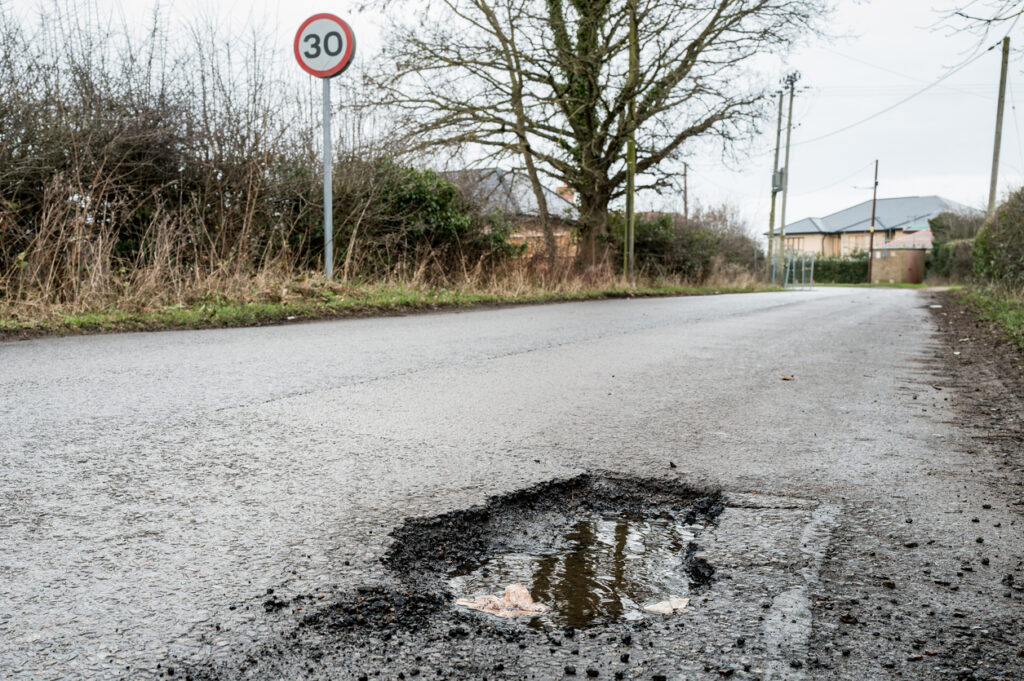
Potholes, cracked pavements, and neglected parks are everywhere. Councils have less money to repair damage, so small problems turn into large ones. In some towns, basic maintenance feels like a luxury. Neglect shows. Streets look tired, bins overflow, and broken lighting makes places feel unsafe. It’s a visible sign of how stretched local services have become.
8. Childcare is more expensive than ever.

Parents spend thousands each year just to keep working. Many realise it’s barely worth the cost once nursery fees are paid. For single parents, childcare can take almost an entire month’s wage. This forces some to cut hours or leave jobs entirely, which keeps families stuck financially. The system seems designed for stress rather than support.
9. Energy bills feel impossible to manage.
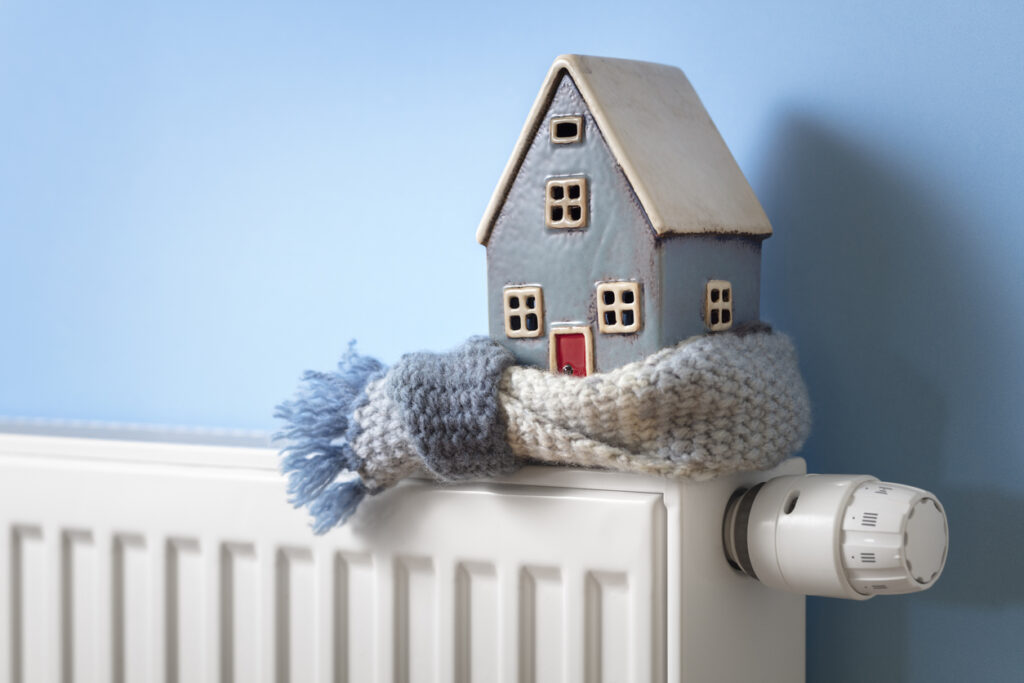
Even after government help, heating and electricity still cost far more than they used to. People turn thermostats down or skip heating rooms to save money. Every cold spell brings worry instead of comfort. Energy-efficient homes remain rare, meaning older buildings leak heat and waste power. What used to be a minor bill has become a major source of anxiety.
10. Mental health support is stretched thin.

Awareness around mental health has improved, but access to help hasn’t. Waiting months for therapy or medication is common. Many people end up managing on their own or relying on overworked charities. Stress, loneliness, and burnout are rising across all age groups. The conversation is louder than ever, but real solutions still feel out of reach.
11. Public spaces are being replaced by private ones.

Community centres, youth clubs, and libraries once offered places for people to meet and relax. Many have now closed or charge for access. Shopping centres and cafés have replaced them, but only if you can afford to buy something. The loss of free, social spaces makes life harder for everyone, especially young people and the elderly. Isolation grows when every interaction has a price tag.
12. Crime and antisocial behaviour are rising.

Many towns report more thefts, vandalism, and nuisance behaviour. Police numbers have fallen, so response times are slower. People often feel unsafe, especially in poorly lit or neglected areas. Even minor problems, like broken car mirrors or stolen parcels, add to a wider sense that things are slipping. Safety used to feel assumed; now it feels uncertain.
13. The weather is less predictable.

Climate change has turned British weather from unpredictable to extreme. Winters are wetter, summers hotter, and flooding more frequent. Farmers, commuters, and homeowners all feel the impact. These changes bring extra costs, such as repairs, insurance, and food shortages. It’s not just an environmental issue anymore; it’s part of daily life.
14. People feel more divided and worn down.
From politics to social media, the country feels more divided than ever. Arguments over identity, money, and culture leave many exhausted. The sense of shared optimism that once defined British life feels harder to find. People still care about community and fairness, but constant pressure makes it hard to hold on to hope. More than anything, that loss of collective spirit may be what makes modern Britain feel worse than it used to.