When someone feels on edge or unsure of the people around them, it becomes obvious in the way they speak long before they admit anything’s wrong (if they ever do).

Their sentences get shorter, they stress more, and they start hinting at fears that don’t quite match what’s happening in front of them. Paranoia doesn’t necessarily manifest as full-blown panic every time. In fact, sometimes it’s hidden in the small remarks people make when they’re trying to make sense of a feeling they can’t shake. If you’ve ever heard someone say these things, or caught yourself saying them, it might be a sign that the mind is working overtime.
1. “I know they’re talking about me.”

When someone gets stuck in a paranoid headspace, even normal background chatter can feel loaded. A whisper in the next room, a laugh from a nearby table, or a glance exchanged between two people suddenly feels meaningful. The mind starts filling in blanks with the worst possible story. Instead of assuming the moment has nothing to do with them, they become convinced they’re the topic.
This thought usually isn’t about ego. It’s about fear. The person feels exposed and uneasy, so their brain scans for threats and turns ordinary moments into signs of judgement or gossip. The more anxious they feel, the more “real” the idea becomes.
2. “They’re out to get me.”

Here, the worry jumps from embarrassment to danger. The person feels hunted in some invisible way, as if someone is planning to harm them or undermine them. It could be a colleague, a neighbour or someone they barely know. The fear isn’t always grounded in anything specific. It’s more like a lingering sense of being targeted.
When this belief settles in, the person can become jumpy or hyper-alert. They might replay conversations, watch people’s behaviour closely, or avoid places they used to enjoy. This kind of fear is heavy and hard to shake without support.
3. “I can’t trust anyone.”

Paranoia often strips away the comfort of connection. Instead of seeing people as helpful or neutral, the mind decides everyone has hidden motives. Even kind gestures might feel suspicious, as if they’re part of some hidden plan. The person starts stepping back emotionally because closeness feels unsafe.
This creates a lonely cycle. The less they trust, the more isolated they feel. The more isolated they feel, the easier it becomes for paranoia to take root.
4. “I’m being watched.”

Feeling observed all the time is exhausting. Someone dealing with paranoia might feel like there’s always a pair of eyes on them, studying their movements or analysing their choices. Everyday things like walking into a shop or sitting on public transport feel strangely intense.
This belief can lead to habits meant to protect themselves, like checking corners, avoiding windows, or scanning rooms before settling down. Even though nothing concrete is happening, the fear feels real to them.
5. “There’s something they’re not telling me.”

Paranoia often creates a sense that everyone else is in on something. The person might worry that information is being hidden from them or that people are keeping secrets behind their back. Even small pauses in conversation or a change in tone can be twisted into “proof.” That feeling can be deeply unsettling, of course. It feeds restlessness because they keep trying to piece together clues that don’t exist, searching for the missing truth they’re convinced is out there.
6. “Everything is connected.”

Instead of seeing events as separate moments, the paranoid mind strings them together like puzzle pieces. A car that drove by twice, a text message that arrived at a strange moment, a comment from a stranger, a news headline. Suddenly, it all feels linked. It’s not that the person wants to believe in conspiracies. It’s that anxiety convinces them there must be meaning behind the chaos. This can warp their perspective and make ordinary coincidences feel unnervingly personal.
7. “I knew this would happen.”

When someone expects the worst constantly, every negative moment feels like confirmation. Even small inconveniences land as “proof” of danger or betrayal. They might stop trusting good news or dismiss kind gestures because they’re only waiting for trouble. Believing that keeps them braced for disaster. It becomes tiring for both them and the people around them because nothing ever feels safe or settled.
8. “They’re trying to control my mind.”

This is one of the more frightening thoughts someone can experience. It’s the belief that their thoughts or emotions are being influenced by something outside themselves. They might feel like their ideas aren’t their own or that something is interfering with the way they think. This level of fear can be overwhelming. It’s hard for the person to tell what’s real and what’s imagined, and the loss of mental safety can take a toll on every part of their daily life.
9. “I have to be careful what I say.”

People dealing with paranoia often become guarded. They filter every sentence before it comes out, worried that their words will be twisted or used against them. Even harmless conversations can feel risky, and that creates a lot of tension internally. They might rehearse sentences, avoid talking altogether or speak in vague terms to protect themselves. Communication becomes stressful rather than natural.
10. “I can’t escape this feeling.”

Paranoia can feel like being trapped inside your own mind. The fear doesn’t switch off easily. It can follow the person from room to room, from day to night, no matter how much they try to distract themselves. The constant pressure can drain their energy, affect sleep, and make life feel overwhelming. Even simple tasks start to feel heavy because the mind is always running in the background.
11. “I’m always the one who gets blamed.”

Paranoia often turns misunderstandings into personal attacks. The person may start seeing normal conflicts or mistakes as deliberate targeting. When someone corrects them or disagrees with them, it might feel like unfair blame rather than normal communication. This belief can create real pain. They might become defensive, withdrawn or upset quickly because everything feels pointed and unfair.
12. “I can’t relax, something bad is about to happen.”

This is a classic sign of an anxious mind stuck in alarm mode. The person feels tense even when nothing is happening. Their body stays on high alert, waiting for disaster. It’s like living with a constant internal warning siren. Needless to say, this makes it hard to enjoy anything. Even calm moments feel suspicious because relaxation feels unsafe when paranoia is high.
13. “I’m being followed.”

The feeling of being pursued is deeply distressing. The person might check behind them constantly, avoid certain streets, or change their routine because they’re convinced someone is tracking them. It doesn’t matter whether they can name a specific person. The fear itself feels real, and it can limit their daily life, making simple outings feel like dangerous missions. It becomes nearly impossible for them to trust their surroundings.
14. “They’re poisoning my food/drink.”
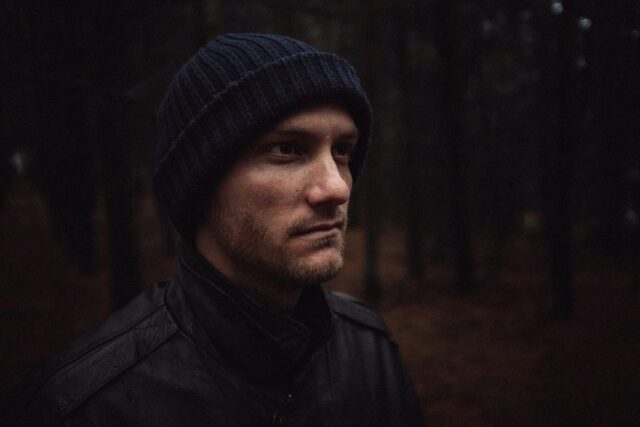
When someone reaches this level of fear, everyday things like a cup of tea or a meal cooked by someone else suddenly feel unsafe. They might start checking food repeatedly or refusing anything they didn’t prepare themselves. It isn’t about being dramatic. It’s about feeling genuinely unsure of the people around them, even people they normally trust.
This kind of worry can cause someone to avoid eating normally or stick to a very small list of “safe” foods. From the outside it looks confusing, but inside their mind it feels like the only way to stay in control. It’s a sign they’re feeling far more unsettled than they’re letting on.
15. “My phone is tapped.”

Instead of seeing their phone as a normal part of life, someone who’s feeling paranoid might treat it like a threat. They might worry that someone’s listening in or tracking what they do, even when nothing unusual is happening. Calls, messages, and apps all start to feel risky.
You might notice them turning their phone off more often, putting it in another room, or avoiding certain conversations completely. Their mind is basically telling them to stay alert, even though there’s no evidence anything’s actually wrong.
16. “I have enemies everywhere.”

This thought usually shows up when someone feels unsafe in general, not because they’ve genuinely made enemies. The world starts to look hostile, and even neutral interactions can feel suspicious. They might pull back from people they used to trust simply because everyone seems like a potential threat.
It becomes exhausting because every environment feels loaded. Instead of relaxing into friendships or familiar places, they’re constantly on edge. It’s not about wanting attention. It’s about trying to protect themselves from danger that feels very real to them.
17. “I can’t believe they did that to me.”

When someone’s mind is already in defensive mode, even small slip-ups from other people can feel personal. A late reply, a cancelled plan or a blunt comment suddenly becomes a sign of betrayal. They might replay the moment again and again, trying to make sense of it.
Their reaction comes from fear, not entitlement. They’re already feeling vulnerable, so anything that seems remotely negative lands twice as hard. Instead of brushing it off as a misunderstanding, they feel targeted and hurt.
18. “They’re laughing at me.”

Laughter that has nothing to do with them can suddenly feel pointed. A group giggle across a room or a friend sharing a joke with someone else can trigger the idea that they’re the punchline. It’s not because they’re self-absorbed, but because their mind is already scanning for danger or judgement.
Needless to say, it can make social situations incredibly uncomfortable. They might avoid gatherings or keep conversations short because they feel watched or unsafe, even when no one is paying them any attention.
19. “I have a bad feeling about this.”

Someone dealing with paranoia often gets hit with a wave of worry that doesn’t tie to anything specific. They just feel uneasy, like something is about to go wrong. It can happen during normal tasks, quiet moments, or even during parts of the day they usually enjoy. Because the feeling is so vague, they can’t talk themselves out of it. It lingers, sits in the background and colours everything else. Even reassuring moments struggle to cut through the sense of dread.
20. “I’m the only one who sees what’s really going on.”

This is when paranoia convinces someone that they’ve spotted something everyone else has missed. It creates a strange mix of fear and isolation. They feel alone because no one else seems worried, but they also feel oddly certain that their version of events is the correct one.
This belief makes it tough for them to accept reassurance. When someone’s convinced they’re the only one who sees the “truth,” it becomes harder for them to trust support, even from the people closest to them. It’s not arrogance. It’s fear that’s hardened into certainty.