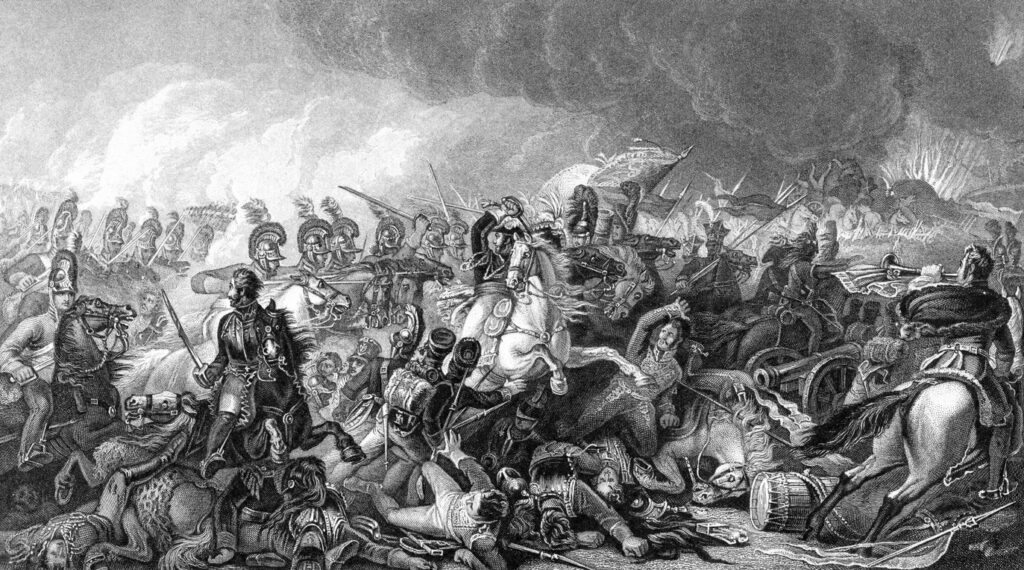
British history is often told with a sense of pride, with glowing reviews of the innovation, the empire, and the victories that shaped the modern world. However, underneath that polished version lies a messier, more uncomfortable story. There are parts of the past that still sit quietly in the shadows: the exploitation behind wealth, the brutality that built power, and the voices that were silenced along the way. They’re not easy truths to face, which is exactly why so many people still avoid them.
Reckoning with history doesn’t mean hating it. It means seeing it clearly. The UK’s story is full of brilliance and brutality, progress and pain, often at the same time. When you start to look beyond the tidy narratives taught in school, the picture becomes far more complex, and far more honest.
The empire wasn’t some benevolent civilising mission.
Britain controlled a quarter of the world’s population at its peak, and that didn’t happen through asking nicely or spreading democracy. It happened through violence, exploitation, and taking whatever resources they fancied from countries that couldn’t fight back effectively.
The whole “we brought them railways and education” line conveniently ignores that those railways were built to extract wealth back to the UK, not to help local populations. You don’t get to steal someone’s country, profit massively from it, then act like you did them a favour.
The Bengal famine killed millions, and Churchill didn’t care.
Between 1943 and 1944, around three million people died in Bengal from starvation, while the UK was exporting food out of India to feed troops elsewhere. Churchill refused to divert ships to bring relief, reportedly saying Indians breed like rabbits anyway.
When officials warned him about the death toll, he asked why Gandhi hadn’t died yet if it was so bad. That’s not wartime pragmatism, that’s deliberate indifference to mass death based on viewing Indians as less than human.
Concentration camps were a British invention in South Africa.
During the Second Boer War from 1899 to 1902, Britain rounded up Afrikaner women and children into camps, where tens of thousands died from disease and starvation. They burned farms and destroyed food supplies to break resistance, then imprisoned the survivors in horrific conditions.
Around 26,000 Boer women and children died in these camps, along with at least 20,000 Black Africans who were also imprisoned in separate camps. We pioneered this tactic decades before the Nazis, but somehow that bit doesn’t make it into the history lessons.
British wealth was built on slavery, and that money’s still around.
When slavery was abolished in 1833, the British government paid slave owners compensation for losing their “property” to the tune of £20 million, which is about £17 billion in today’s money. The enslaved people got nothing, while wealthy families received massive payouts they invested in businesses and land.
That money didn’t disappear, it became the foundation for dynasties and institutions that still exist today. Meanwhile, the descendants of enslaved people are still dealing with the generational poverty and trauma that slavery created, with zero compensation.
The partition of India was a disaster Britain caused, then legged it from.
In 1947, Britain divided India into two countries, with borders drawn up in about six weeks by a guy who’d never been to India before. The partition led to mass violence, displacement of 15 million people, and up to two million deaths.
We knew our hasty exit would cause chaos, but did it anyway because they wanted out quickly and cheaply. Communities that had lived together for centuries were suddenly at war because someone drew arbitrary lines on a map, then Britain just cleared off and left them to it.
The Irish famine wasn’t natural—British policy made it genocidal.
During the potato famine from 1845 to 1852, about one million Irish people died while Ireland was still exporting massive amounts of food to the UK. The British government refused to stop food exports or provide adequate relief, viewing the famine as divine judgement, or natural population control.
Ireland was producing enough food to feed its population, but British landlords continued exporting grain, beef, and dairy while people starved to death. Officials called relief efforts wrong-headed and said the Irish needed to learn to stand on their own feet, while children died in ditches.
Britain committed war crimes in Kenya that barely anyone knows about.
During the Mau Mau uprising in the 1950s, British forces detained around 1.5 million Kenyans in camps where torture, rape, and murder were systematic. Castration, beating people to death, and sexual violence were used routinely to suppress the independence movement.
The British government destroyed most of the documents about what happened and denied it for decades until survivors sued and won in 2013. Thousands were killed, many more were tortured, and Britain only admitted fault when we couldn’t hide it anymore.
The Amritsar massacre was cold-blooded murder of peaceful protesters.
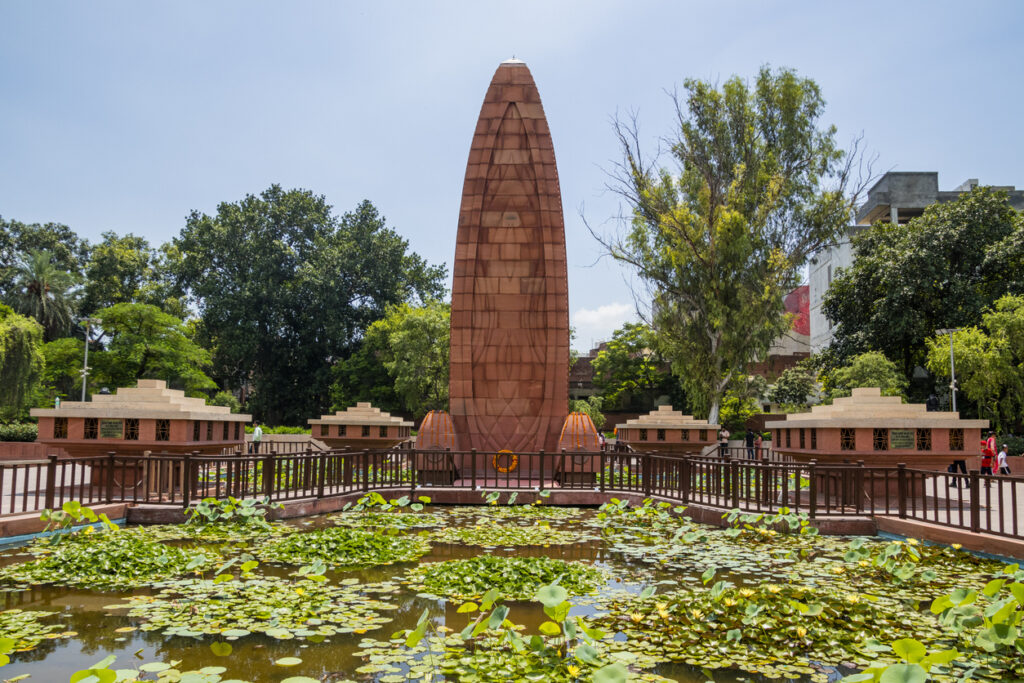
In 1919, British troops opened fire on a peaceful gathering in an enclosed garden in Amritsar, killing at least 379 people and wounding over a thousand more. General Dyer ordered his soldiers to shoot into the crowd for ten minutes straight, aiming at the densest parts where people were trapped.
People couldn’t escape because the garden had limited exits, which Dyer deliberately blocked. He later said he wanted to teach Indians a lesson and produce a sufficient moral effect across Punjab. Back in the UK, he was treated as a hero by many and raised a huge sum in donations.
Britain invented and perfected divide and rule tactics.
Wherever we colonised, they deliberately created or exacerbated ethnic, religious, and tribal divisions to maintain control. They’d favour one group over another, give them privileges and power, then sit back while communities that had coexisted for centuries turned on each other.
This wasn’t accidental, it was deliberate policy to prevent unified resistance to British rule. The sectarian violence and ethnic conflicts in places like Iraq, Sudan, and Myanmar today can be traced directly back to Britain drawing lines and setting groups against each other.
The opium wars were literally drug dealing enforced by military violence.
When China tried to stop British merchants flooding their country with opium in the 1800s, we went to war twice to force China to keep accepting the drugs. Millions of Chinese people became addicted while British merchants made fortunes, and when China objected, Britain bombed them into submission.
We then forced China to sign treaties giving up territory including Hong Kong, pay massive compensation, and continue allowing opium imports. It was state-sponsored drug dealing backed by gunboats, destroying Chinese society so British merchants could profit.
Aboriginal Tasmanians were nearly wiped out in what was basically genocide.
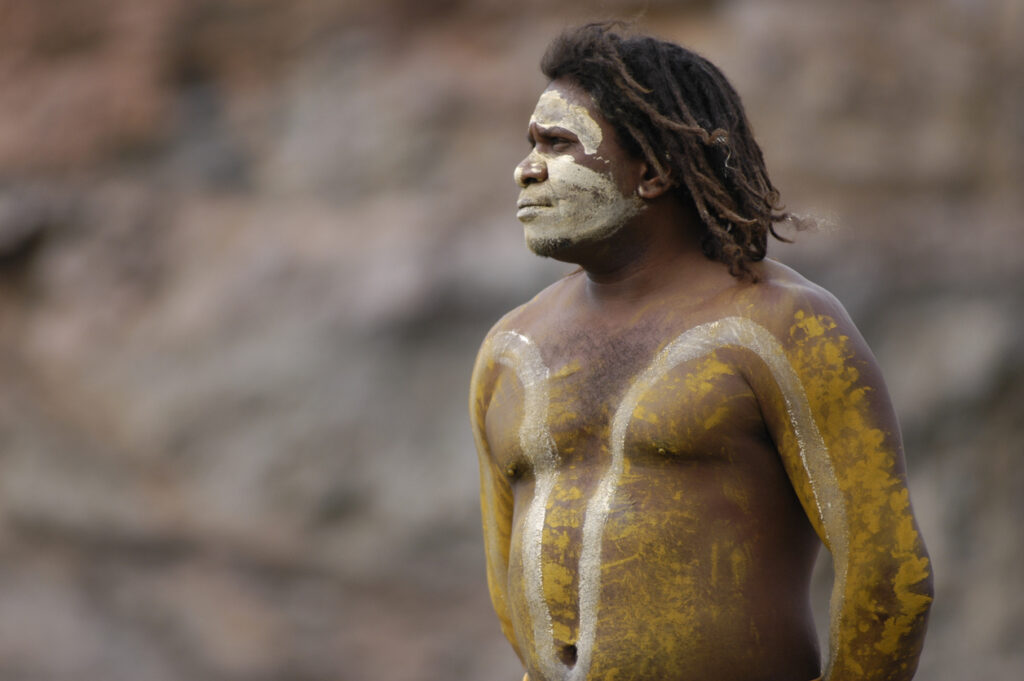
When Britain colonised Tasmania, the indigenous population was hunted, shot, and driven from their land in what became known as the Black War. By the 1830s, the full-blooded Aboriginal Tasmanian population was functionally extinct after systematic violence and disease destroyed their communities.
British settlers were given permission to shoot Aboriginal people on sight, and parties of colonists would go out specifically hunting them for sport. The last full-blooded Tasmanian Aboriginal person died in 1876, less than 75 years after British colonisation began.
Britain’s got artifacts in museums that are just stolen property.
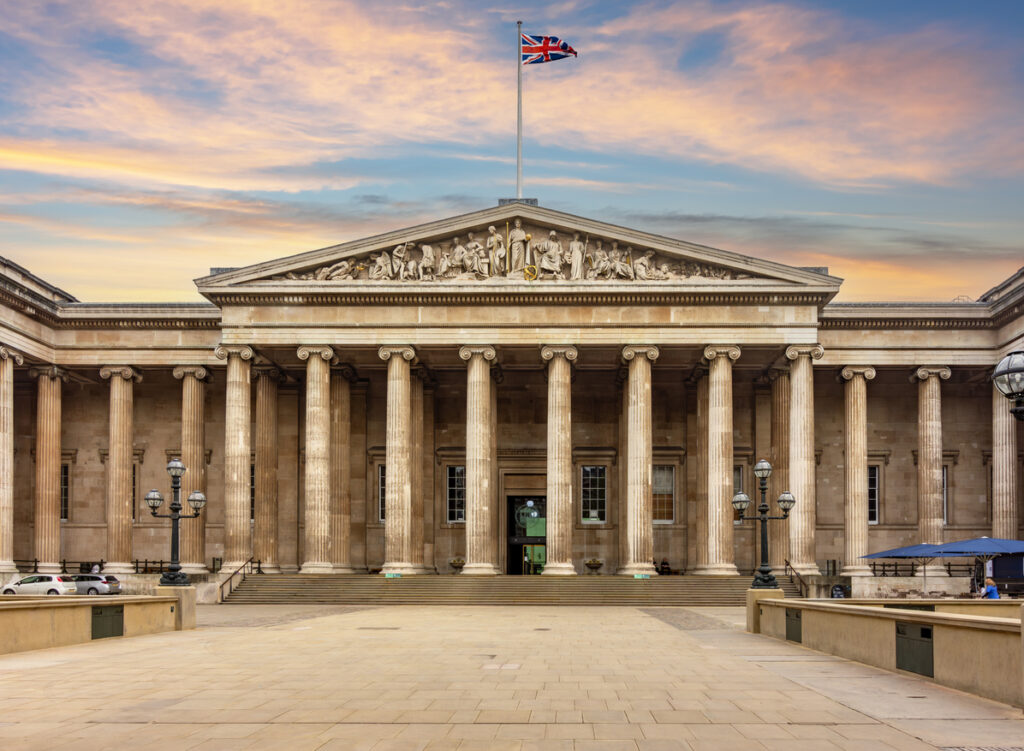
The British Museum is packed with treasures that were looted from other countries during colonial rule. The Benin Bronzes, the Elgin Marbles, the Rosetta Stone, all taken without permission and never returned despite decades of requests from their countries of origin.
Our defence is usually that we can look after these artifacts better, or that more people can see them in London, which is basically saying we stole your stuff, but we’re keeping it because we’re more important than you. It’s still theft, no matter how you dress it up.
The Windrush scandal shows how the UK treats people it invited here.
People who came to the UK legally from the Caribbean in the 1950s and ’60s were suddenly declared illegal immigrants in recent years because the Home Office destroyed their landing cards. They were detained, denied healthcare, lost jobs, and some were deported from the only country they’d known for decades.
These were people we specifically recruited to rebuild after the war, who’d worked and paid taxes here for 50 years, suddenly treated like criminals because the government lost the paperwork. It exposed how little Britain values the people it benefited from.
British exceptionalism relies on forgetting all of this.
The entire narrative of Britain as the good guys in history requires ignoring or minimising centuries of violence, theft, and exploitation that built the country’s wealth. The idea that the UK uniquely brought civilisation to the world falls apart when you look at what was actually done.
Teaching kids about the glory of empire without the reality of how it operated creates this warped view where we’ve always been noble and other countries should be grateful. You can’t properly understand Britain today without reckoning with how the country actually got rich and powerful.