True crime has become everyone’s favourite background noise.
It’s the comfort TV of modern Britain, with tense music, cold narration, and an audience that claims it helps them “switch off.” Weirdly enough, for many of us, we do consider it a great way to unwind, and that’s a problem. Psychologists are starting to wonder if it’s really relaxation at all, or just another kind of stress in disguise.
Curiosity has turned into routine.

It started as fascination with mystery and motive, but for a lot of people it’s now habit. They finish one documentary and line up the next. It’s not curiosity anymore, it’s familiarity that provides the strange comfort of knowing what’s coming.
Psychologists say that’s a warning sign. When your brain starts filing murder stories under “everyday viewing,” it dulls your natural reaction to fear and empathy. The more you watch, the less it moves you.
People watch to feel in control.
True crime can make chaos feel predictable. You see the danger, understand the pattern, and convince yourself you’d spot it in real life. That sense of control feels safe, but psychologists say it’s an illusion. Watching someone else’s nightmare unfold doesn’t protect you from anything. It just keeps your brain rehearsing disaster instead of resting.
Constant tension wears the body down.

True crime might look calm on the sofa, but your body reacts as if it’s in the story. Your heart rate rises, stress hormones increase, and you stay on alert even when you’re relaxed. Eventually, that builds a quiet kind of fatigue. You start carrying the tension without noticing, until tired becomes your new normal.
Women often watch for safety, not fun.

Many women say they watch true crime to learn how to stay safe. They pay attention to warning signs, escape routes, and red flags as a way of knowing what to look out for in the real world. It’s part awareness, part protection. However, psychologists say this can backfire. It can make danger feel constant, turning healthy caution into background anxiety that never really switches off.
Desensitisation hides behind the word “interest.”

At first, the stories are shocking, but after months of watching, the horror blends into the soundtrack of daily life. The mind adapts, not because it’s fascinated, but because it’s tired of reacting. That kind of numbness doesn’t show up overnight. It creeps in quietly until murder becomes just another storyline that plays before bed.
The format keeps people hooked.
Every show has the same rhythm build-up, crime, investigation, confession. It’s tidy and satisfying in a way real life isn’t. That’s part of why it’s addictive. Psychologists say this formula can make people crave closure in real life, too. You start expecting everything to wrap up neatly, even the parts of your own story that can’t.
It makes fear feel familiar.

When you watch enough crime, fear stops feeling threatening. It becomes background noise that your brain learns to live with. It feels normal, which is the worrying part. That constant low-level tension keeps you alert long after you’ve turned off the TV. The danger might not be real, but your body still thinks it is.
It changes how people see strangers.

Psychologists say heavy true crime watchers tend to assume the worst. The neighbour looks suspicious, the stranger on the train feels risky. You start reading everyday behaviour like a case file. That doesn’t mean paranoia, but it does change perspective. It eats away at the basic trust that makes social life work.
It can mask stress.

Some people use crime shows as a distraction. Focusing on someone else’s fear feels easier than sitting with your own. It’s a way to keep your mind busy without confronting what’s actually bothering you. The problem is, distraction doesn’t relieve stress, it just delays it. The real worries are still waiting when the episode ends.
It interferes with rest.

Sleep and serial killers don’t mix. People who watch before bed report more nightmares, racing thoughts, and trouble switching off. The body’s ready for sleep, but the brain’s still in crisis mode. Even if you drift off, you don’t rest deeply. Your nervous system stays half-awake, scanning for a threat that doesn’t exist.
Empathy starts to fade.
When you watch enough suffering, your emotional response gets thinner. It’s not cruelty, it’s fatigue. Your brain can only process so much horror before it protects itself by feeling less. That flattening doesn’t make people bad, of course. It just means their emotional wiring’s tired. However, in the long run, it can make real-world distress feel strangely distant.
It feeds the idea that danger is everywhere.
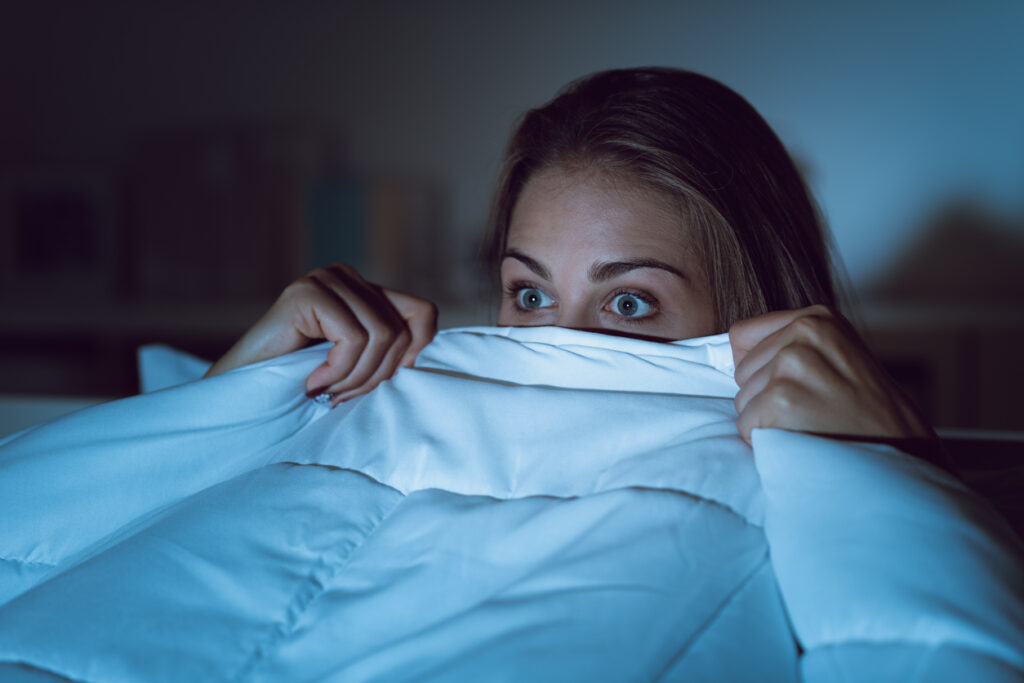
Every story is worst-case scenario after worst-case scenario. Watch enough of them, and you start believing the world’s full of hidden threats. That’s not awareness, it’s fear with good production values. Psychologists say this shapes how people move through life. It doesn’t just keep them cautious; it keeps them small. Curiosity starts shrinking into suspicion.
Relaxation shouldn’t make you tense.
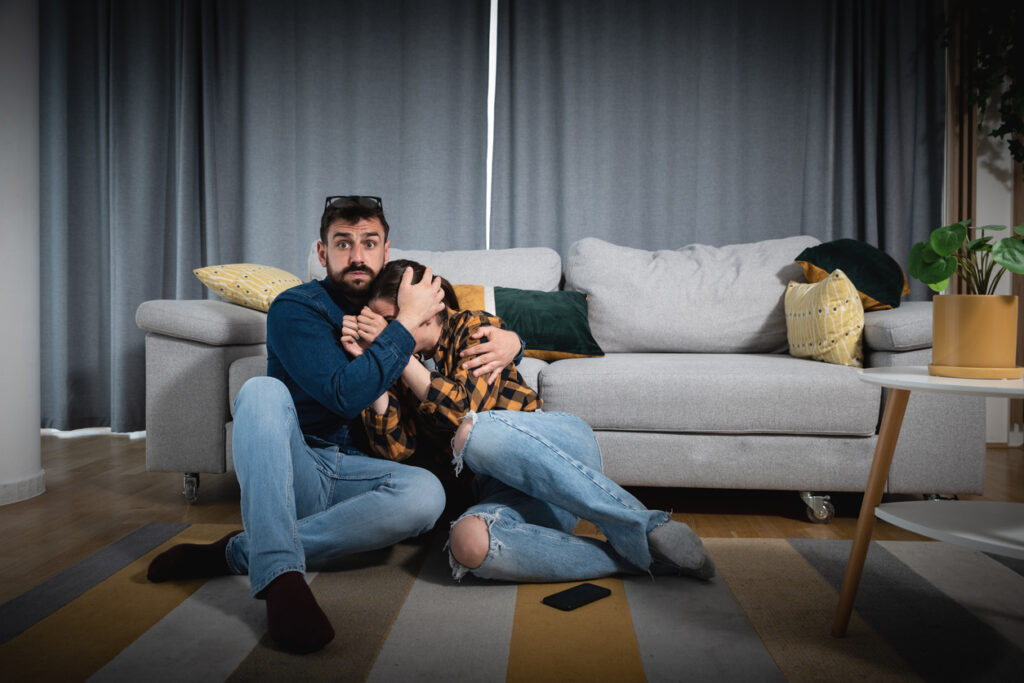
If you can’t unwind without fear on the screen, it might be time to rethink what relaxation means. True crime isn’t evil, but it’s not harmless background either. Psychologists aren’t saying to give it up. They just want people to notice when “switching off” starts looking a lot like staying wired, and to find calm somewhere that doesn’t depend on other people’s worst moments.