Heterofatalism has become the latest buzzword to describe why heterosexual dating is dying out, but it’s more complicated than just blaming an entire gender for disappointing dates.

The term, coined by academic Asa Seresin and popularised by Jean Garnett’s viral New York Times essay “The Trouble With Wanting Men,” describes women who are “so fed up with dating men that the phenomenon even has a name.” The concept has sparked fierce debate about whether this represents genuine cultural criticism or just individual dating frustrations dressed up in academic language.
1. The concept stems from repeated dating disappointments.

Heterofatalism goes beyond simple “heteropessimism” where women are just sick of bad boyfriends and flaky dating app matches. It describes a darker concept where straight women feel let down by what they see as a class of emotionally avoidant, commitment-phobic men. The frustration centres on men who seem unable to commit or communicate clearly about what they want.
Young women today are seeking relationships with men who are polite, good-looking, thoughtful, and masculine without being misogynistic, but many express doubt about whether these men actually exist. When dating experiences consistently fall short of these expectations, some women conclude that the problem isn’t individual men but the entire system of heterosexual dating.
2. Modern men are accused of emotional unavailability.

The core complaint is that single, straight men appear to lack urgency about relationships. They’re described as not knowing what they want, or knowing but doing nothing about it. This creates frustration for women who want clear intentions and decisive action.
Men often seem utterly disinterested in or even put out by romantic situations, with their attitude around women being “flat as can be, if not overtly hostile.” The emotional distance that results leaves women feeling like they’re doing all the emotional labour, while men remain passive participants in their own romantic lives.
3. Dating apps have made everything worse.

Dating app fatigue is real, with people increasingly tired of using dating apps to find partners, and craving connection without ghosting and surface-level chats that never go anywhere. The endless swiping and surface-level interactions have created a culture where meaningful connections feel increasingly rare.
There’s a growing move away from online dating, with more people seeking speed-dating events, blind dates, and genuine in-person connections. The algorithm-driven nature of dating apps has made many feel like they’re leaving their love lives up to chance rather than genuine compatibility.
4. Women are setting higher boundaries and standards.
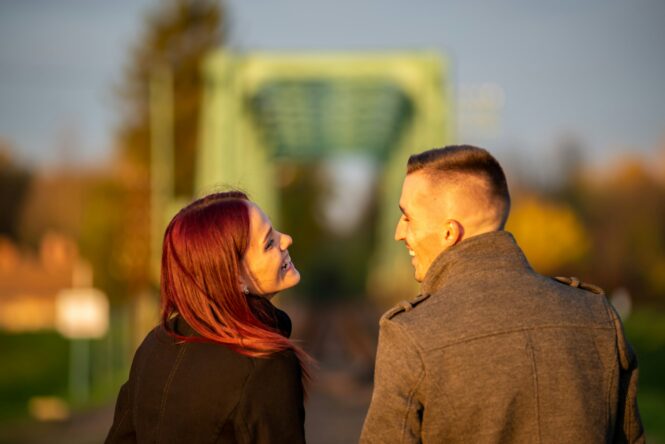
In 2025, women are reclaiming their time and energy by setting clear boundaries in dating, and a huge portion of the population is over making compromises—roughly 75% of them, to be exact. This is obviously a huge change from trying to make bad situations work to walking away from red flags immediately.
The problem is that higher standards often mean fewer options, especially when combined with a dating pool that many women perceive as emotionally immature. Women are choosing to be alone rather than settle for relationships that don’t meet their needs.
5. The term has sparked massive backlash.

Critics have called heterofatalism “man-hating” and described it as turning dating into “an all-out gender war” that absolves women of any responsibility in their relationships. The pushback suggests the term has struck a nerve about gender dynamics in modern dating.
The Times of London published a rebuttal calling it “the most wildly insufferable” perspective, with critics arguing that being so down on men and naming them as the problem is fundamentally sexist. The debate has revealed deep divisions about whether dating problems are systemic or individual.
6. It’s based on limited anecdotal evidence.
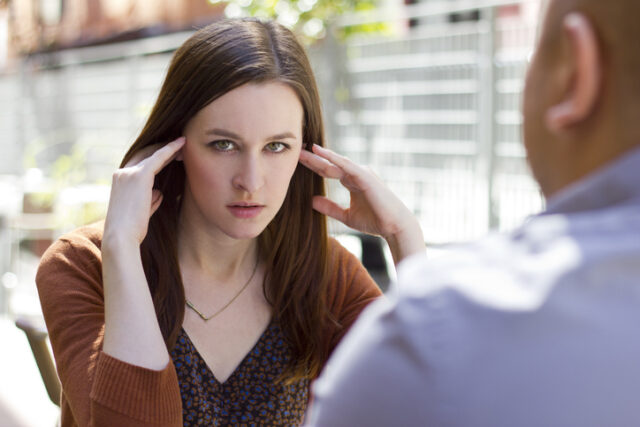
The more philosophic among us have pointed out the dangers of drawing broad conclusions from personal anecdotes, noting that while Garnett and her friends might be experiencing dating difficulties, assuming that this is a widespread issue and that every woman feels this way isn’t the way to go. The sample size is too small to support sweeping generalisations.
The risk is that individual bad experiences get elevated to represent universal truths about gender relations. Just because some women are having terrible dating experiences doesn’t mean all heterosexual relationships are doomed.
7. Men are struggling too, but in different ways.

Many young men today start to resent women early on, thanks largely to the popularity of misogynistic podcast hosts who insist that women are sneaky, conniving she-witches stealing their rights and oppressing them in some way. This creates a cycle where both genders become increasingly hostile toward each other.
Men face their own challenges, including concerns about how their race affects dating prospects, family expectations about who they date, and pressure to navigate changing social expectations about masculinity. The dating struggles aren’t one-sided, even if they manifest differently.
8. Social media amplifies the worst examples.

The most dramatic dating horror stories get the most attention online, creating a distorted view of what dating is actually like for most people. Women sharing their worst experiences creates an echo chamber where bad dates seem like the norm rather than unfortunate exceptions.
The current narrative presents men as an obnoxious mix of ego, superficiality, entitlement, and brains added by watching too much adult content. As a result, half of them are too blind to notice how disinterested the woman sitting across from them actually is in the whole situation. While some men certainly fit this description, treating it as representative of all men becomes problematic.
9. Some women are choosing celibacy as a response.

The frustration has led some women to remove men from the equation entirely, with celebrities like Julia Fox and Khloé Kardashian championing the idea of voluntary celibacy. Rather than continuing to date disappointing men, they’re choosing to focus on themselves instead.
This isn’t necessarily a bad thing if it leads to better self-awareness and higher standards, but it becomes problematic when it’s driven by blanket assumptions about an entire gender rather than thoughtful choice.
10. The criticism reveals personal relationship patterns.

Garnett’s own dating history includes an open marriage that fell apart when she fell for someone who explicitly told her that relationships weren’t really his thing. Critics argue this reveals a pattern of poor choice-making rather than systematic male failure.
The disconnect between wanting men to show “urgency” while also pursuing those who are emotionally or even physically unavailable suggests internal contradictions that can’t be solved by blaming men. Sometimes the problem isn’t the dating pool, but the choices being made within it.
11. It ignores successful heterosexual relationships.

The heterofatalism narrative overlooks the many heterosexual couples who are genuinely happy and well-matched. Focusing exclusively on dating failures creates a skewed perspective that ignores positive examples of men and women connecting meaningfully. Data shows that most single people today do want to find a partner long-term, suggesting that despite the negativity, they still believe in the possibility of finding lasting love with the opposite sex.
12. The solution isn’t giving up on an entire gender.

Rather than declaring heterosexual dating fundamentally broken, the focus should be on developing better relationship skills, clearer communication, and more realistic expectations. Both men and women need to take responsibility for their part in dating dynamics. As a result, people are already finding alternatives to superficial dating culture. The solution involves changing how we date, not who we date.
13. It’s become a cultural moment that says more about society than individuals.

The fact that Garnett’s essay generated over 1,200 comments shows how much the topic resonates with people’s dating anxieties. Whether you agree with heterofatalism or not, it’s clearly tapped into widespread frustration about modern romance.
The debate reveals deeper questions about gender roles, expectations, and how we form relationships in an era of social media, dating apps, and changing social norms. Rather than picking sides, we might be better served by examining why so many people feel disconnected from meaningful romantic relationships and what we can do to change that.