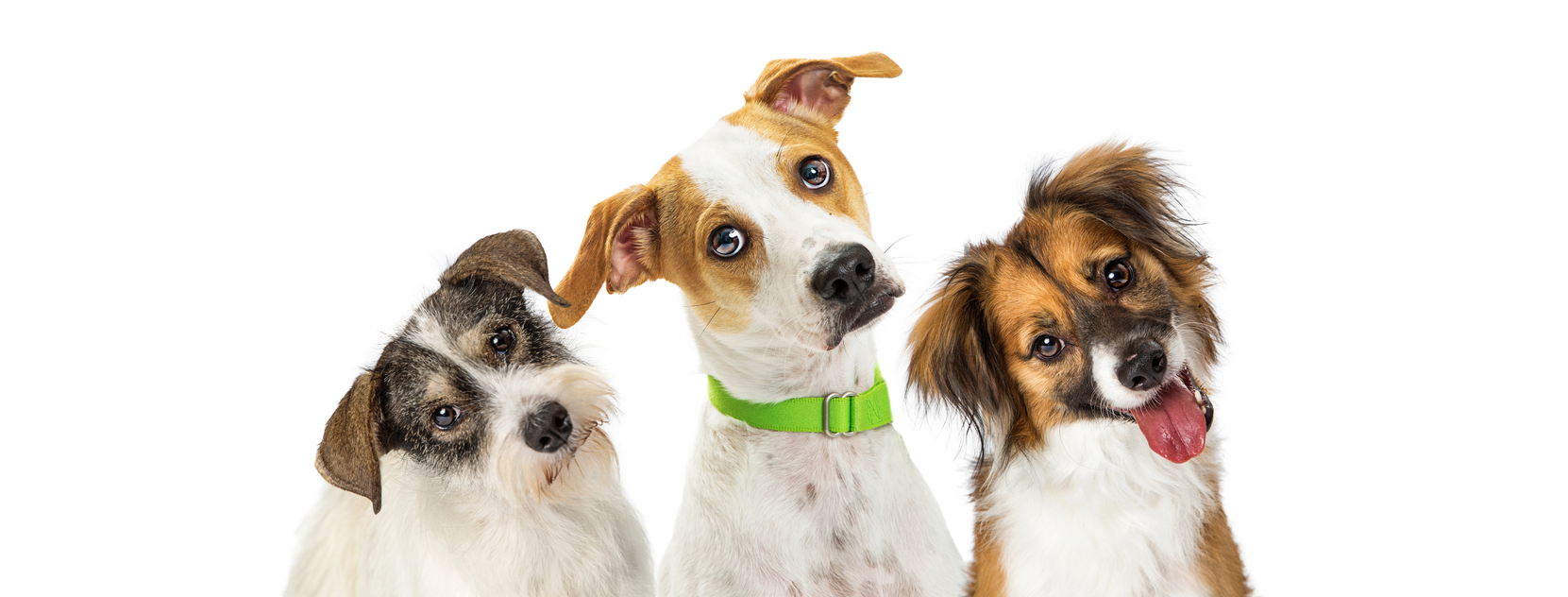
Dogs might actually be able to “see” with their noses in ways we’re only just beginning to understand, according to groundbreaking research from Cornell University.
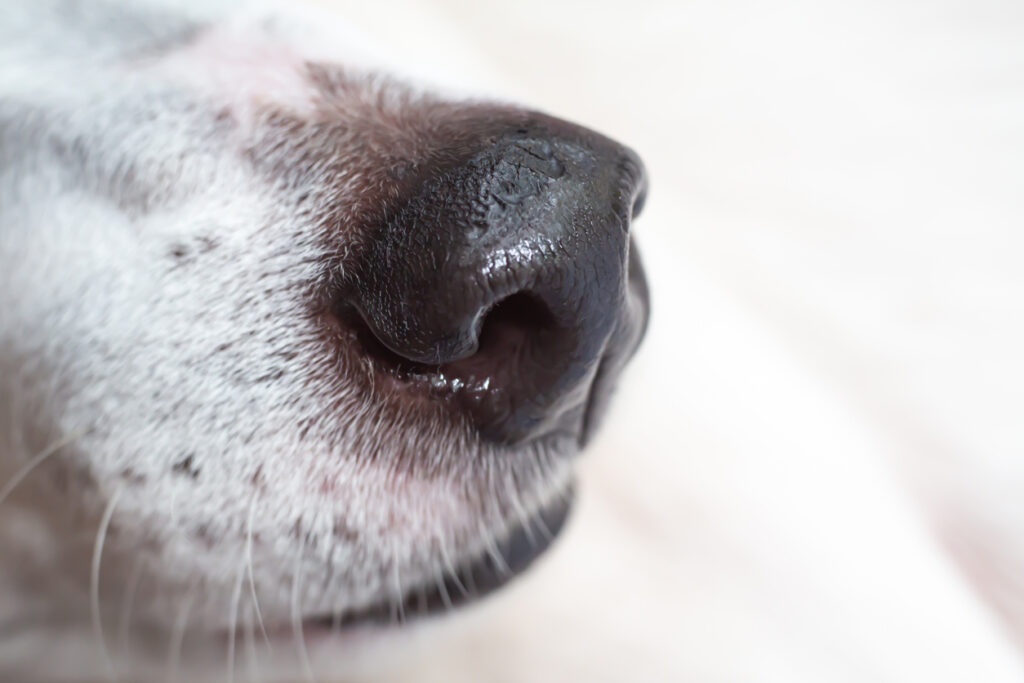
Scientists have discovered unique brain connections in dogs that link their sense of smell directly to their visual processing centres, which is something that’s never been found in any other species. This research suggests dogs experience the world in ways that are fundamentally different from humans, combining smell and sight in extraordinary ways.
1. Dogs have brain connections humans don’t have.

Cornell researchers found connections between the olfactory bulb, where smells are recognised, and the occipital lobe, where vision is processed, which is a connection that has never been seen in any species before. This direct neural highway between smell and sight centres suggests these senses work together in dogs rather than operating separately.
Using MRI scans on 23 healthy dogs and advanced neuroimaging techniques, researchers mapped the brain’s pathways and found these connections were “really dramatic compared to what is described in the human olfactory system, more like what you’d see in our visual systems.” The size and prominence of these pathways indicates they’re fundamentally important to how dogs process information about their world.
2. It explains why blind dogs function so well.
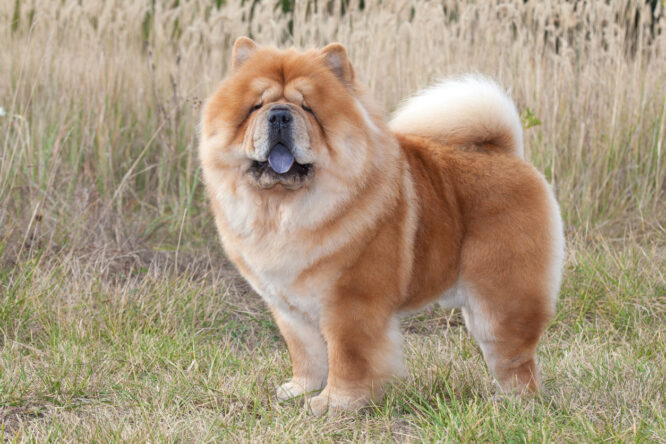
The discovery helps explain why dogs that go blind seem to function so well, at least when they’re in familiar environments where their olfactory sense can map onto their visual memories of spatial relationships. Their noses essentially create a spatial map that substitutes for what they would normally see.
The research corroborates clinical experiences with blind dogs, who function remarkably well despite their vision loss. This suggests that the smell-vision connection provides a backup system that allows dogs to navigate using scent information processed through visual brain centres.
3. Dogs process environments completely differently than humans.

When humans walk into a room, they primarily use vision to work out where the door is, who’s in the room, and where furniture is positioned, but in dogs, olfaction is really integrated with vision in terms of how they learn about their environment and orient themselves in it. This means dogs are essentially creating a combined smell-sight picture of their surroundings.
Dogs might have a completely different experience of the world compared to humans because scent is part of their visual processing, even though their vision isn’t as acute and complex as human vision. They’re not just smelling things; they’re using those smells to construct a visual understanding of space and objects.
4. Their noses are incredibly sophisticated detection systems.
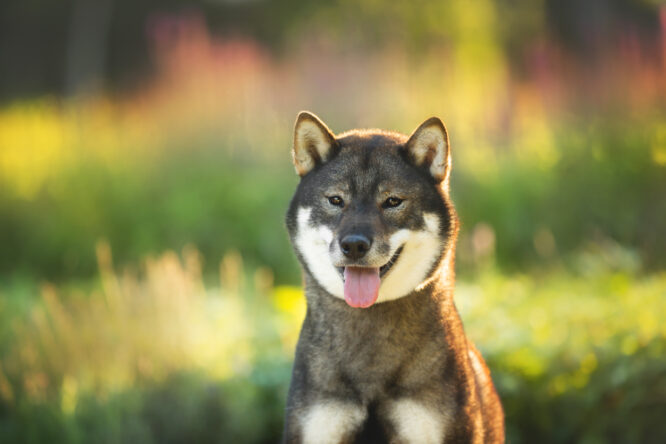
Dogs have up to a billion smell receptors in their noses compared to just 5 million in humans, and the olfactory bulb in a dog’s brain is about 30 times larger than in a human brain. This massive processing power means they can detect incredibly faint odours and process complex scent information.
With more than 10 million scent receptors, dogs’ olfactory systems are over 10,000 times more sensitive than humans, allowing them to detect substances as minuscule as 0.01 microlitres of petrol. This extreme sensitivity enables them to perform remarkable feats like detecting diseases or finding missing persons based on scent traces humans couldn’t even imagine perceiving.
5. Emotions play a major role in how they process smells.
Recent research using AI speckle pattern analysis found that the amygdala, which controls emotional responses, is heavily involved in scent discrimination, suggesting that dogs form emotional reactions to certain smells much like humans do. This emotional component affects how successfully dogs can perform scent-related tasks.
Studies show that dogs detect and respond to chemosignals emitted by their human caretakers, and emotional arousal affects their olfactory processing capabilities. A dog’s emotional state can actually change how well they can smell and process scent information, which has important implications for working dogs.
6. Age and brain shape impact their olfactory abilities.
Recent research found that olfactory functional connectivity strength shows negative correlations with both age and brain shape. Older dogs and those with rounder-shaped brains demonstrated lower functional connectivity in their smell-processing networks. This suggests that both ageing and skull structure can impact a dog’s sense of smell.
The research indicates that dogs with longer noses and more elongated skull shapes have better-connected olfactory networks than those with flatter faces. This provides scientific backing for what many people have observed about different breeds having varying scent abilities.
7. They can potentially detect diseases through smell.
Dogs can be trained to detect various illnesses including cancer, diabetes, and infectious diseases, with detection limits often much lower than sophisticated laboratory instruments. Their ability to smell chemical changes in the human body makes them valuable for medical detection work.
In medical detection, dogs face the challenge of detecting low concentrations of disease-associated volatiles in a background of normal compounds present in samples like blood, urine, or breath. Yet, they consistently outperform electronic detection systems in many cases, suggesting their biological smell-vision integration gives them advantages technology can’t replicate.
8. The research has practical applications for working dogs.
Studies comparing olfaction and vision in explosives detection found that dogs rely primarily on smell rather than sight when searching for stationary objects, even when visual cues are present. Understanding how their brains integrate these senses helps improve training protocols for detection dogs.
Recent research suggests that zinc nanoparticles can enhance olfactory sensitivity in dogs, potentially improving detection capabilities in environments where very low concentrations of target odours might not otherwise be detected. This kind of enhancement could be particularly valuable for search and rescue or security applications.
9. Different breeds have maintained similar olfactory genetics despite selective breeding.
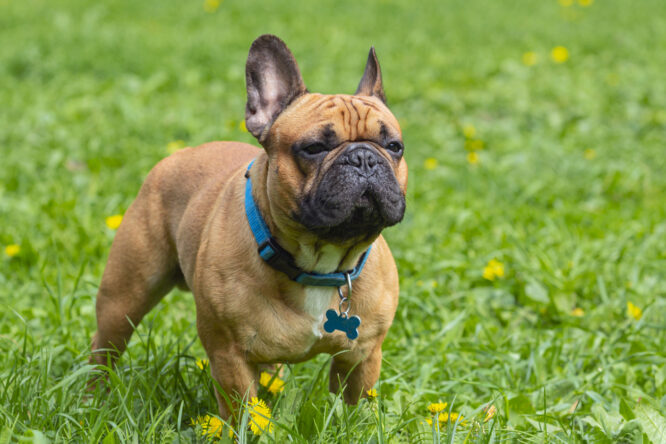
Despite selective breeding that created scent hounds for tracking, sight hounds for visual hunting, and toy breeds for appearance, genetic research shows that the number of olfactory receptor genes per subfamily has remained stable across 26 different dog breeds. The differences in scent ability between breeds likely come from the total number of olfactory neurons and expression levels rather than different genes.
This suggests that all dogs retain the basic biological machinery for sophisticated scent processing, even if some breeds are better at using it than others due to training, skull shape, or other factors.
10. They form mental representations based on odours.
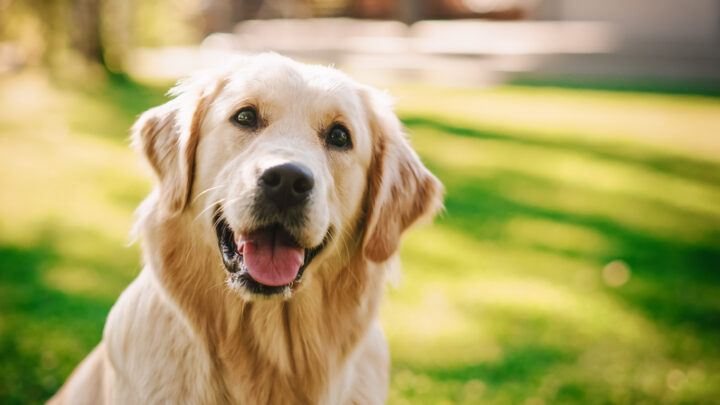
Research indicates that dogs are likely to form mental representations based on odours, meaning they don’t just detect smells but create cognitive maps and memories associated with scent information. That cognitive processing helps explain how they can track scent trails over time and distance.
These mental smell-maps allow dogs to follow complex scent trails, distinguish between different people’s tracks, and even predict where a scent trail might lead based on previous experience with similar odours.
11. The integration happens at the brain level, not just behavioural.

The Cornell research found “information freeways running from the nose back into the brain” that are much more extensive than previously understood, with sturdy neural tracts connecting the olfactory bulb to five distinct brain regions. This isn’t just dogs learning to associate smells with sights, either. It’s hard-wired brain architecture.
One of these connections, the link between smell and vision processing areas, is “thick and obvious” in dog brains but completely absent in humans. This suggests dogs evolved this integration as a fundamental part of how they process sensory information about their world.
12. It changes how we should think about dog cognition.
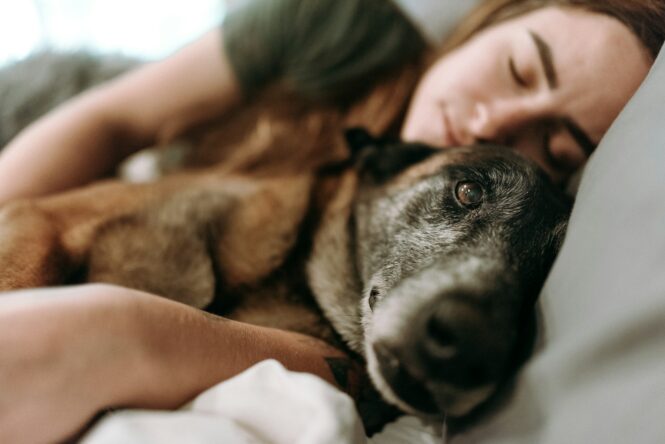
The research is being hailed as a landmark that will change the way we comprehend canine cognition because it shows they have all the same brain connections humans have, plus additional ones we lack. This means dog intelligence might work very differently from human intelligence.
Understanding that dogs literally see the world differently through smell-integrated vision helps explain many dog behaviours that seem puzzling to humans. They’re not just being stubborn when they stop to sniff everything. Really, they’re gathering visual information about their environment through their noses.
13. Future research could unlock even more secrets.

Scientists are working on developing technology that could translate dogs’ olfactory responses in real-time, potentially creating devices that help us understand exactly how they perceive the world around them. This could revolutionise how we work with detection dogs and understand animal cognition.
Researchers plan to examine similar olfactory system structures in cats and horses to see if this smell-vision integration exists in other species or is unique to dogs. That comparative work could reveal whether dogs developed this ability through domestication or if it’s more widespread in the animal kingdom than we currently realise.