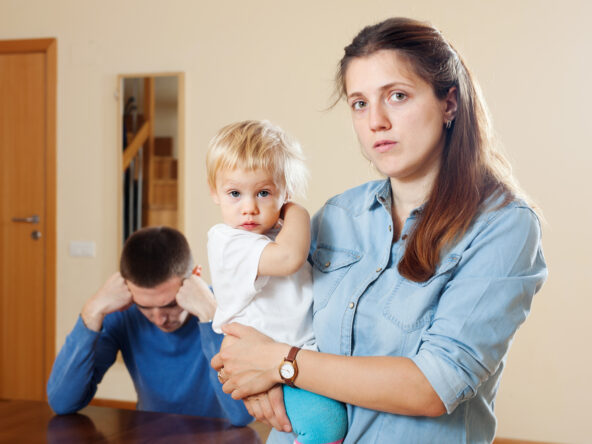
Being a parent when you’re barely functioning as a human being is one of those experiences that nobody really prepares you for, and yet somehow millions of people manage to keep tiny humans alive while feeling like they’re dying themselves. Whether you’re dealing with newborn sleep deprivation, illness, depression, or just the general exhaustion that comes with parenting, there are ways to get through it without completely falling apart.
1. Lower your standards to basically nothing.
That Pinterest-perfect home with organised toy bins and homemade organic meals? Yeah, forget about that completely when you’re struggling to stay upright. Your new standards are: everyone is fed (even if it’s cereal for dinner), everyone is relatively clean (baby wipes count), and nobody has seriously injured themselves today.
This isn’t giving up, it’s being realistic about what’s actually important when you’re running on fumes. Your kids won’t remember whether their vegetables were perfectly steamed, but they will remember feeling loved and cared for, even if that care comes with a side of chaos.
2. Screen time becomes your very best friend.
All those guidelines about limited screen time go out the window when you physically cannot entertain your children without collapsing. Educational shows, tablets, phones, whatever keeps them safe and occupied while you get a bit of rest is completely acceptable survival parenting.
You’re not ruining your children by letting them watch more TV than usual when you’re unwell or exhausted. You’re keeping everyone safe and giving yourself the recovery time you need to be a better parent when you’re feeling human again.
3. Ask for help and actually accept it.
Pride is a luxury you can’t afford when you’re barely keeping it together, so swallow it and ask people for specific help rather than just saying you’re fine. Instead of “we’re managing,” try “could you bring dinner on Tuesday” or “can you take the kids for two hours on Saturday.”
When people offer help, say yes, even if they won’t do things exactly how you would. Someone else’s way of loading the dishwasher or entertaining your kids might not be your way, but it’s still helpful and frees you up to rest or handle other essential tasks.
4. Everything becomes a floor activity.
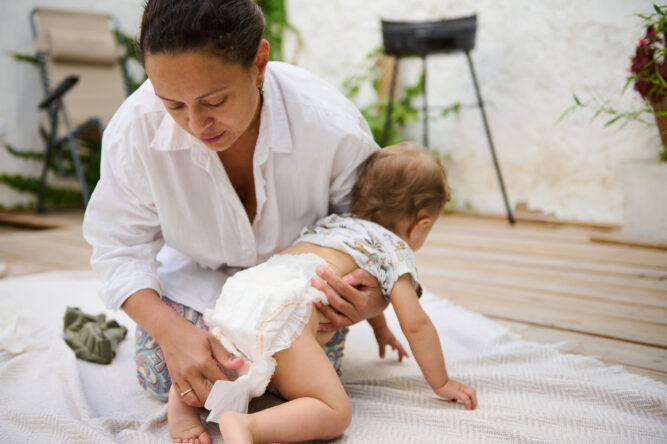
If sitting upright is a struggle, embrace horizontal parenting with enthusiasm. You can read stories, do puzzles, play with toys, and supervise kids perfectly well from a lying-down position, and your children will think it’s brilliant that mummy or daddy is at their level.
Build blanket forts, have living room picnics, and turn lying on the sofa into an adventure rather than something to be ashamed of. Kids are remarkably adaptable and often prefer parents who are present but horizontal to parents who are upright but completely stressed.
5. Batch everything you possibly can.
When you do have moments of feeling slightly more human, use them to prepare for the inevitable crash by doing as much as possible in one go. Cook multiple meals at once, prep snacks, lay out clothes, and get everything ready for the next few days.
Taking a front-loading approach means you don’t have to make decisions or do tasks when you’re feeling awful. Having grab-and-go meals, clean clothes ready, and basic supplies organised can be the difference between coping and complete meltdown.
6. Simplify meals to the absolute basics.
Fancy cooking is completely off the table when you can barely stand up, so embrace the beauty of simple, nutritious foods that require minimal effort. Sandwiches, pasta with jar sauce, bananas, cheese, crackers, and anything else that doesn’t require chopping or complex preparation becomes your new menu.
Frozen vegetables, pre-made salads, and rotisserie chickens from the shop are not failures, they’re survival tools. Your kids need fed parents more than they need elaborate home-cooked meals, and sometimes keeping yourself functioning is the priority.
7. Create safe spaces where kids can play independently.
Set up areas where your children can safely entertain themselves as you rest nearby, whether that’s baby-proofed rooms, playpen areas, or just spaces where you can lie down and still supervise without having to actively engage every moment. This isn’t neglect; it’s teaching independence while ensuring everyone’s safety. Kids benefit from learning to play on their own, and you benefit from being able to rest while still being present and available if needed.
8. Use delivery services shamelessly.

Grocery delivery, takeaway food, pharmacy delivery, and any other service that brings things to your door becomes essential when leaving the house feels impossible. Yes, it costs more, but it’s an investment in your sanity and your family’s wellbeing.
Online shopping for basics like nappies, milk, and household essentials means you don’t have to drag yourself and potentially cranky children to shops when you’re already struggling. The extra cost is worth not having to collapse in the cereal aisle.
9. Adjust bedtimes and routines as needed.
Strict bedtime routines are lovely when everyone’s healthy and functioning, but when you’re barely upright, flexibility becomes crucial. Earlier bedtimes, longer afternoon naps, and simplified bedtime routines can give you more recovery time. Sometimes putting kids to bed an hour early so you can rest isn’t lazy parenting, it’s smart resource management. Well-rested parents are better parents, even if it means slightly disrupted schedules for a while.
10. Embrace the power of quiet time.
Even if your kids don’t nap anymore, instituting mandatory quiet time when everyone stays in their rooms or designated areas for an hour can give you crucial rest time. Kids can look at books, play quietly, or even just lie down while you properly rest.
This isn’t punishment, it’s a family wellness activity that benefits everyone. Frame it positively as special quiet time rather than something they have to endure, and even older children usually adapt to the routine quite well.
11. Let other people’s opinions go completely.

When you’re struggling to survive parenting, you absolutely cannot afford to worry about what other people think of your choices, your house, your kids’ behaviour, or your appearance. Other people’s judgements are not your emergency, and their opinions don’t pay your bills or raise your children.
Focus entirely on what your family actually needs rather than what looks good from the outside. The parents judging you probably haven’t been where you are, and the ones who have understand exactly why you’re doing whatever it takes to get through each day.
12. Remember this is temporary.
Whether you’re dealing with newborn exhaustion, illness, depression, or just a particularly difficult phase, the intensity of barely being able to function while parenting does end. You will feel human again eventually, and your kids will be fine, even if this period isn’t your finest parenting moment.
Survival mode parenting is still parenting, and keeping everyone safe and loved during difficult times is actually a massive achievement. Give yourself credit for doing an incredibly hard job under challenging circumstances, rather than beating yourself up for not being perfect.