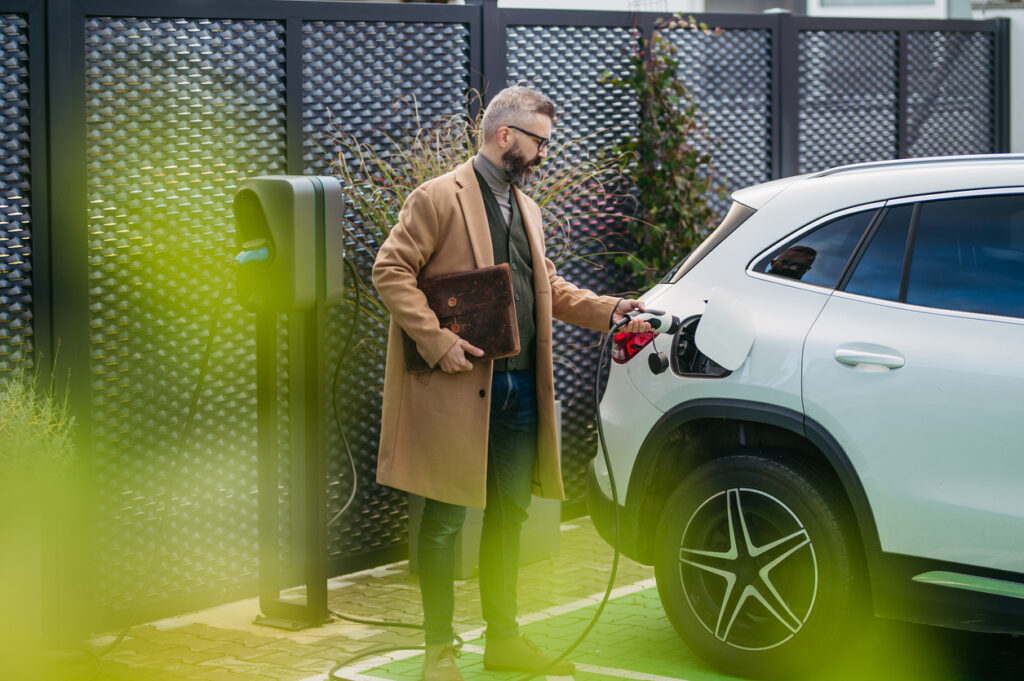
Electric cars have been around long enough now that you’d think people would have figured out the truth about them, but somehow loads of outdated myths are still floating around like it’s 2010. These misconceptions are keeping people from even considering electric vehicles, which is a shame because most of these concerns were solved ages ago. While we’re a long way from everyone being able to switch to EVs, they’re not as bad as some people want to make them out.
1. They’ll leave you stranded with a dead battery.
This fear of running out of charge in the middle of nowhere is based on the early days of electric cars when batteries were rubbish and charging points were basically non-existent. Modern electric cars have ranges that cover most people’s daily driving several times over, and charging infrastructure has exploded across the UK.
Plus, electric cars give you loads of warning when the battery is getting low, unlike petrol cars that can suddenly run out of fuel. Most electric vehicles will even show you exactly where the nearest charging points are and whether they’re available, making range anxiety pretty much a thing of the past.
2. They’re too expensive for normal people.
This might have been true when electric cars first came out and cost about the same as a small house, but prices have dropped dramatically and there are now electric options at pretty much every price point. When you factor in lower running costs, no road tax, and reduced maintenance, many electric cars actually work out cheaper overall.
There are loads of government grants and incentives available too, plus the second-hand electric car market is growing rapidly. You don’t need to buy a brand new Tesla to go electric, there are perfectly decent used options that won’t break the bank.
3. Charging takes forever and ruins your plans.
Fast charging technology has come on leaps and bounds, with many modern electric cars able to charge from nearly empty to 80% in about 30 minutes at rapid charging points. For most people who charge at home overnight, you wake up every morning with a “full tank” without ever having to think about it.
The charging time thing is usually only an issue on long road trips, and even then, most people need a break every few hours anyway. Having a coffee and stretch while your car charges isn’t exactly a massive hardship, and the charging network keeps getting faster and more convenient.
4. They’re terrible for the environment, really.
This myth about electric cars being worse for the environment usually focuses on battery production and electricity generation, but it ignores the fact that even accounting for manufacturing, electric cars produce significantly fewer emissions over their lifetime than petrol or diesel cars.
As the electricity grid gets cleaner with more renewable energy, electric cars become even more environmentally friendly. Plus, electric car batteries can be recycled, and many manufacturers are already doing this. The environmental argument against electric cars just doesn’t hold up when you look at the actual data.
5. There’s nowhere to charge them.
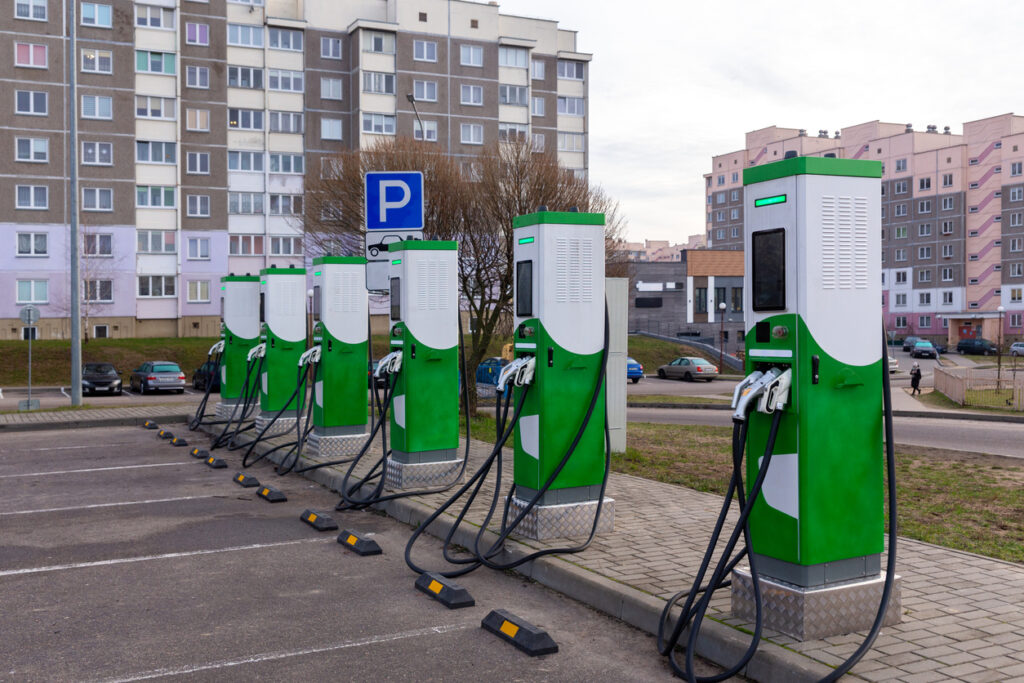
The UK now has thousands of public charging points, with more being installed constantly, and most electric car owners do the majority of their charging at home anyway. Charging point apps show you exactly where you can charge and whether points are available, making it easier than finding a petrol station in some areas.
Workplaces, supermarkets, shopping centres, and even lamp posts are being fitted with charging points. The infrastructure has grown so quickly that range anxiety is becoming less of an issue than finding a parking space near the charging point.
6. They don’t work properly in cold weather.
Electric cars do lose some range in very cold weather, just like petrol cars become less efficient in winter conditions, but modern electric vehicles have much better battery management systems that minimise this effect. Many electric cars can even pre-heat themselves while plugged in, so you start with a warm car and optimal battery performance.
The idea that electric cars just stop working in winter is complete nonsense. Norway, which gets proper cold winters, has one of the highest rates of electric car adoption in the world, proving that climate isn’t a barrier to electric vehicle use.
7. They’re boring and have no character.
Electric cars are actually incredibly fun to drive because they have instant torque, meaning they accelerate quickly and smoothly without any gear changes or engine noise. Many electric cars are faster than their petrol equivalents, and the smooth, quiet driving experience is genuinely pleasant once you get used to it.
The lack of engine noise doesn’t mean they’re boring, it means you can actually have conversations, listen to music properly, and enjoy a more peaceful driving experience. Plus, many electric cars have different driving modes that can completely change the character of the car.
8. The batteries will need replacing after a few years.
Electric car batteries are designed to last the lifetime of the vehicle, with most manufacturers offering warranties of 8 years or more on the battery pack. Real-world data shows that electric car batteries hold their capacity much better than early predictions suggested, with most retaining over 80% capacity after many years.
Even when electric car batteries do eventually degrade, they don’t just suddenly stop working, they gradually lose range over many years. By the time battery replacement might be needed, the cost of new batteries will likely have dropped significantly, and recycling options will be widely available.
9. They catch fire more than regular cars.
Electric cars are actually statistically less likely to catch fire than petrol or diesel vehicles, despite what sensationalist news stories might suggest. When electric car fires do happen, they tend to get more media attention because they’re relatively rare and involve new technology that people don’t understand.
The batteries in modern electric cars have multiple safety systems to prevent overheating and fires, and crash tests show that electric cars are generally as safe or safer than conventional vehicles. The fire risk from carrying around litres of highly flammable petrol is actually much higher than the risk from electric car batteries.
10. They’ll kill the car industry and thousands of jobs.
The transition to electric cars is creating new jobs in battery manufacturing, charging infrastructure, and electric vehicle production, while traditional automotive jobs are adapting rather than disappearing. Many car manufacturers are retraining their workforce and investing heavily in electric vehicle production facilities.
The transition to electric is happening globally regardless of what any individual country does, so adapting to this change rather than fighting it is what will actually protect jobs in the automotive industry. Countries and companies that embrace electric vehicle technology early are positioning themselves better for the future car market.