It wasn’t that long ago that certain parts of life in the UK felt pretty standard.

We all enjoyed weekend treats, casual days out, even just feeling stable with a full-time job. Sadly, over the past couple of decades (and especially the last few years), we’ve slowly been priced out of things that used to be part of everyday life. These are just some of the things that were once common in Britain, but now feel like luxuries that many of us just can’t afford.
Owning your own home before 30

Once upon a time, getting a modest starter home in your twenties wasn’t just doable, it was expected. Wages and house prices weren’t a million miles apart, and people on average salaries could actually get on the ladder.
Now, unless there’s serious family help, or you’ve landed in a high-earning field early on, homeownership before 30 feels like winning the postcode lottery. Homeownership at any age does, for many of us, in fact. Renting well into your thirties has quietly become the norm.
Casual pub nights without budgeting

The local pub used to be a go-to for a spontaneous catch-up or cheap evening out. A couple of pints, maybe a packet of crisps, and you were set without worrying about draining your bank account. These days, pub prices, especially in cities, make a few rounds feel more like a treat than a habit. And that’s before you even think about food. A £7 pint has killed the midweek pint tradition for a lot of people.
Booking a last-minute UK getaway

Remember when a weekend by the coast or a few days in the Lakes was something you could just decide to do? Prices for trains, fuel, and accommodation never used to make you wince quite so hard. Now, even a basic Airbnb within a few hours’ drive can set you back hundreds, especially during school holidays. The idea of a spontaneous mini-break has quietly become a financial juggle for many.
Heating the whole house in winter

It used to be a given that when it got cold, you’d just stick the heating on. Maybe you’d be sensible about it, but you didn’t lie awake stressing about whether you could afford to stay warm. After recent energy price hikes, heating the whole house feels borderline extravagant. It’s now common to live in a dressing gown and hot water bottle all winter, heating only one room at a time.
Getting a full food shop from one supermarket

Once upon a time, you could do your big shop at one supermarket without needing to mentally tally every item or swap out favourites for cheaper options. Supermarkets were affordable, not strategic battlegrounds. Now, a full trolley at Tesco or Sainsbury’s can easily top £100, even for basic items. Many people are bouncing between Aldi, Lidl, and yellow-sticker hauls just to stay within budget.
Going to the cinema just for fun

There was a time when going to the pictures was an easy, regular treat, especially with Orange Wednesdays or student discounts. You didn’t need to plan your whole week around a film ticket. These days, a standard ticket can cost upwards of £13, and that’s without drinks or snacks. For a family of four, it’s practically a major outing. Most people wait for streaming now, not because they want to, but because it’s what they can afford.
Renting without flatmates in your 20s

In the past, living solo in your twenties wasn’t seen as fancy, it was just part of growing up. Even on an entry-level wage, you could just about afford a small flat or studio to yourself. Now, solo renting in most UK cities is almost laughable unless you’re earning well above average. Flatshares aren’t just for students anymore. In fact, they’re a long-term necessity for many working adults.
Owning and running a car on a normal income

Having a car used to be part of adult life. You saved up for one, taxed and insured it, and off you went. Petrol was pricey, but manageable, and parking didn’t cost a second mortgage. Today, the costs add up fast. Insurance premiums have gone through the roof, ULEZ and clean air zones are popping up everywhere, and even petrol feels like a luxury some weeks. A car used to represent freedom, but now it can feel like a financial weight.
Buying a round without hesitation

It used to be easy enough to say, “I’ve got this one,” and grab a round for your mates. Even if there were five of you, it wasn’t a big deal because you knew the favour would be returned eventually. Now, the fear of accidentally spending £40 on one trip to the bar has made people think twice. Group drinks often turn into “everyone just get their own,” not out of awkwardness, but necessity.
Having a hobby that isn’t side-hustled

Hobbies were once just… hobbies. You could paint, knit, grow veg, or play music without thinking about turning it into passive income or content. Joy didn’t have to be monetised. These days, with pressure from social media and rising costs of living, many people feel guilty for doing anything “unproductive.” Hobbies now often come with the quiet question: “Could I sell this?”
Day trips to museums, galleries, or castles

While many museums are still free, a lot of other cultural experiences—historic houses, castles, gardens—used to be family-friendly and affordable. You could plan a weekend outing that didn’t break the bank. Now, many of these places charge £12–£20 per person, before you’ve even bought a coffee. A simple day out has turned into a budgeting decision, and that accessibility is slowly slipping away.
Having one stable full-time job

The classic nine-to-five job with a single income, pension, and long-term stability used to be the standard for most working adults. You worked, you got paid, you had structure. Now, many people are juggling two or three gigs just to make ends meet. Zero-hours contracts, freelance hustles, and constant side jobs have replaced that dependable rhythm, and burnout is often just around the corner.
Renting in the town you grew up in
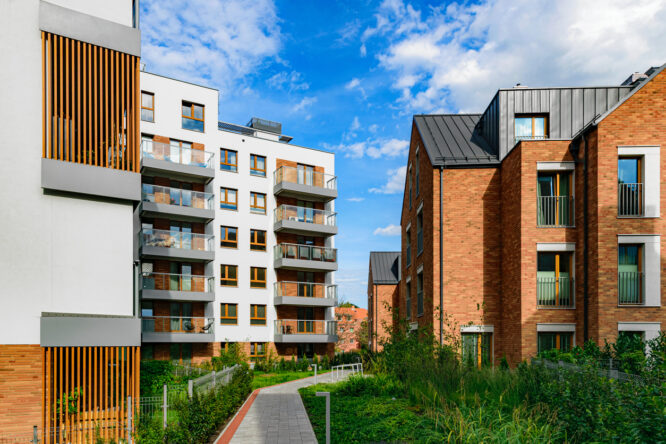
Staying local used to be the default. If you moved out of your parents’ house, odds were good you’d find a rental nearby, maybe even on the same street. Community stayed intact. Now, young people are being priced out of their hometowns entirely, forced to move far away just to afford rent. The result is that families scattered and communities hollowed out by affordability gaps.
Feeling like you’re allowed to slow down

This one’s harder to measure, but it’s real. British life used to include long bank holiday weekends, quiet Sundays, and time to breathe. There wasn’t a constant sense that if you paused, you’d fall behind. Now, everything feels urgent. Whether it’s the cost of living, housing stress, or work insecurity, many people feel like they’re in survival mode. Rest feels indulgent, but it wasn’t always like this.