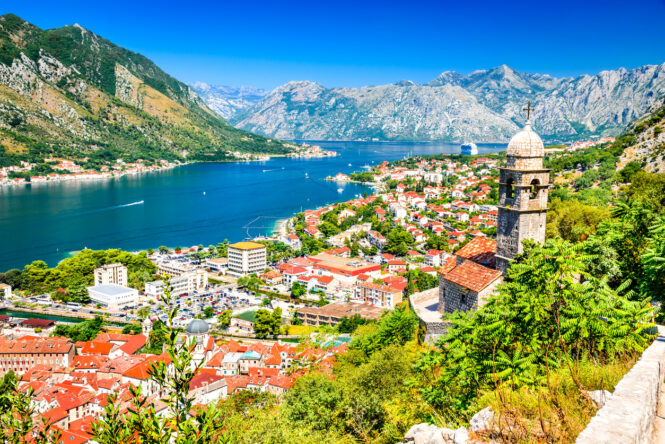
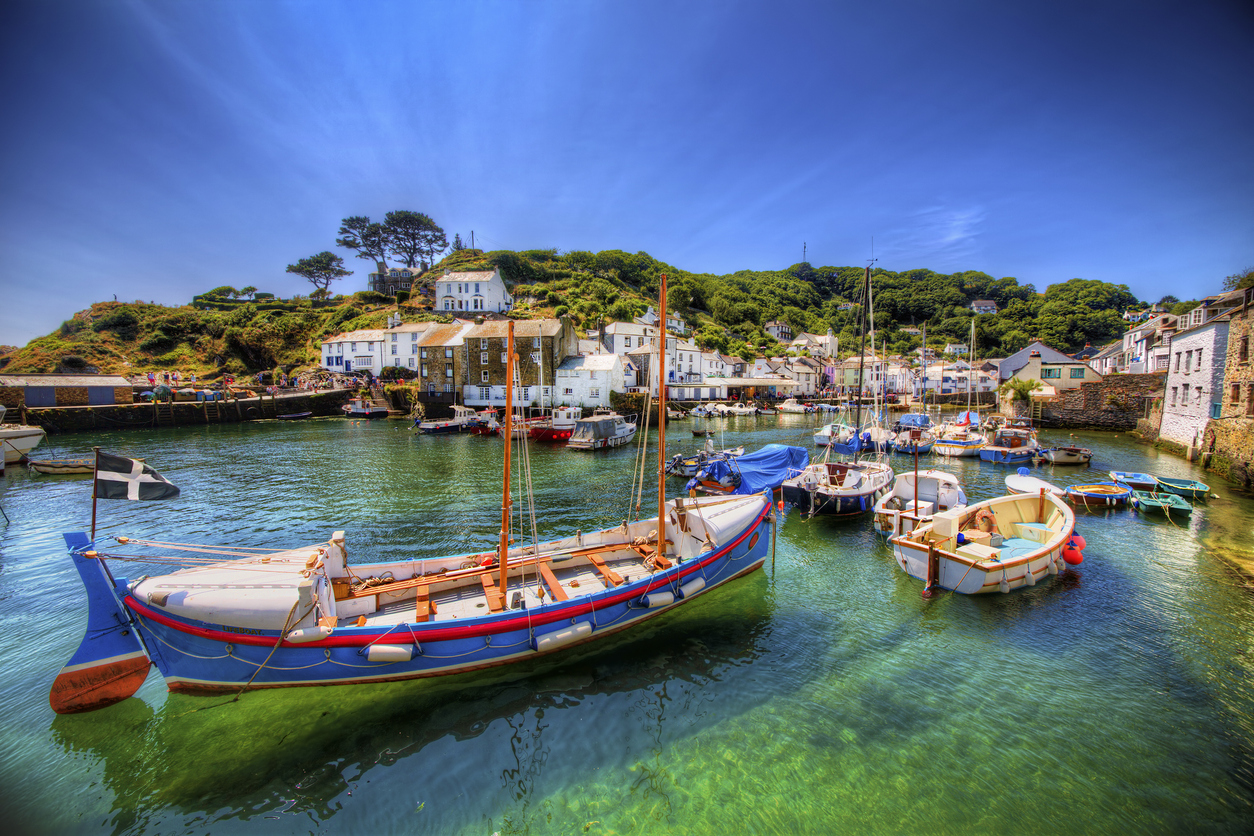
The phrase “Great Britain” has always carried a sense of pride for a lot of people, conjuring up images of a country that led the world in industry, culture, and innovation.
However, it’s 2025, and saying it with a straight face feels like an absolute joke. In everyday life, from the weekly food shop to the trains we ride and the state of our politics, there’s a growing sense that the shine has worn off. What was once a name to be proud of now feels a bit out of step with reality. These are the reminders that show just how far we’ve slipped.
1. Wages that no longer match living costs

For most working people, pay simply doesn’t stretch like it used to. While food, rent, and energy bills continue to climb, wages have stayed stubbornly flat. That gap between what’s coming in and what’s going out has left even full-time workers struggling to make ends meet.
It’s especially stark for those in key roles like teaching, nursing, or transport, who keep the country running yet can barely afford secure housing. When the people society relies on most are priced out of stability, something’s gone badly wrong.
2. Public services pushed to breaking point

The NHS used to be our crown jewel, a service admired around the world. Now it’s a system groaning under unbearable pressure. Getting a GP appointment feels like winning a raffle, and A&E waiting times are stretching from hours into days. Frontline staff are doing their best but are exhausted, demoralised, and leaving in record numbers.
Patients are left facing cancelled operations or months-long delays for essential treatment. It’s not the standard of care people expect from a country that still insists it’s “great.”
3. Trains that cost more but deliver less
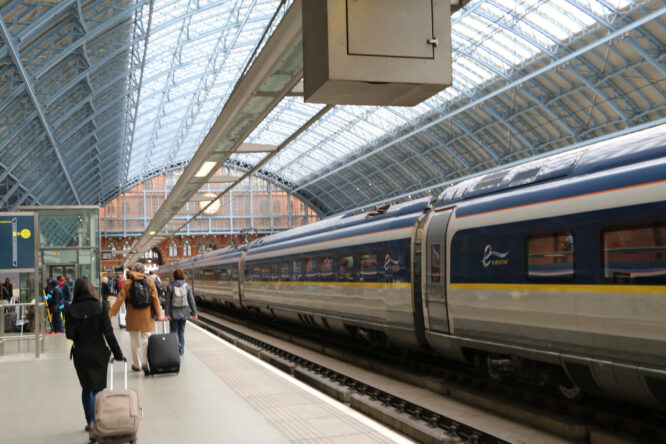
British railways were once the envy of the world, but today’s commuters face a system that’s overpriced and underwhelming. Tickets are among the most expensive in Europe, yet daily travel means enduring cancellations, delays, and carriages so overcrowded you can barely breathe.
For people who depend on trains to get to work, it’s a draining and unreliable part of everyday life. When you’re paying through the nose for a service that doesn’t deliver, it’s hard not to feel short-changed.
4. Housing that’s out of reach for most
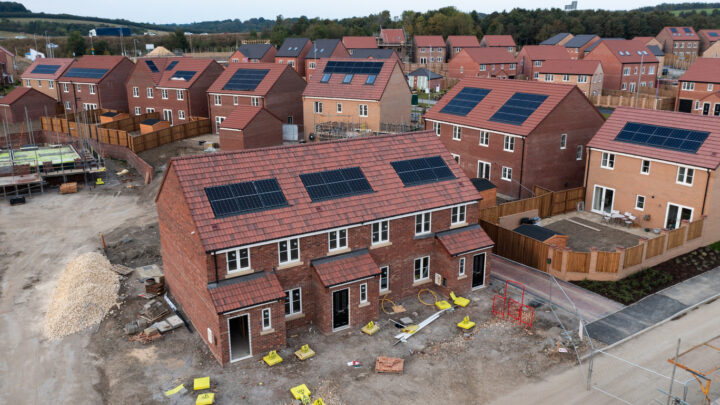
For younger generations, owning a home has become a near-impossible dream. Property prices are now many times higher than the average salary, and even renting is swallowing half or more of people’s income. In some towns and cities, competition for flats is so fierce that renters are offering months of rent upfront just to secure a place.
The idea of housing as a stable foundation for life has vanished, replaced with endless insecurity. That instability ripples out into family planning, career choices, and even people’s mental health.
5. Food bank reliance becoming the norm

Food banks were once framed as an emergency safety net, but they’re now woven into the fabric of everyday life for far too many families. Demand keeps climbing, and charities report that people in work are among those turning up for help.
Parents are skipping meals so their children can eat, and pensioners are living on tins because their heating bill swallowed their budget. In one of the richest nations in the world, the fact that so many people rely on charity just to eat is a damning indictment.
6. Education squeezed by funding cuts

Teachers across the country are stretched thin, with larger class sizes, fewer resources, and mounting expectations. Schools are now turning to parents for crowdfunding to pay for basics like textbooks, glue sticks, and playground repairs.
Dedicated teachers keep pushing forward, but many are burning out or leaving the profession altogether. Meanwhile, students are left disadvantaged compared to peers in better-funded systems abroad. A country that skimps on education is a country turning its back on its future.
7. Streets that don’t feel safe after dark

Many towns and cities have seen a rise in antisocial behaviour, violent crime, and street harassment. Police forces are so stretched that visible patrols are rare, leaving residents feeling vulnerable. People now think twice about walking home at night, planning their routes more carefully or avoiding certain areas altogether.
That creeping sense of unease destroys the trust and comfort communities depend on. Safety isn’t just about crime statistics. It’s about whether people feel secure going about their lives.
8. Infrastructure in visible decline
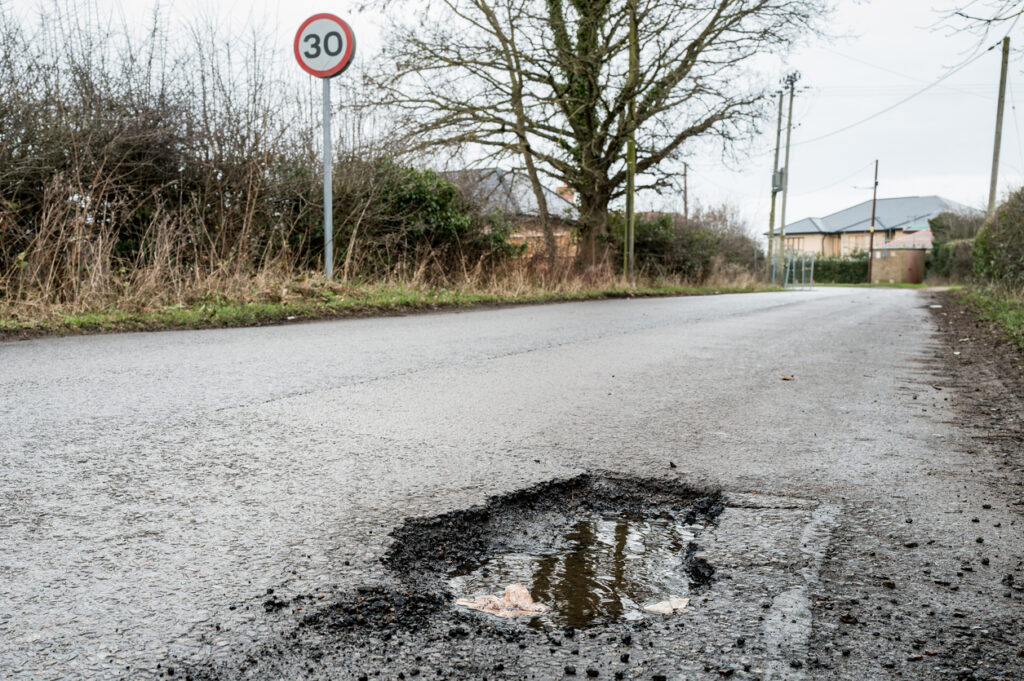
From crater-like potholes to shabby public buildings, signs of neglect are everywhere. Local councils, crippled by cuts, are struggling to maintain the basics. Roads go unrepaired for months, libraries are closed or hollowed out, and leisure centres crumble.
The result is a public realm that looks tired and unloved, undermining pride in the places where we live. When even the basics of infrastructure aren’t being maintained, it hardly speaks to the image of a thriving, developed nation.
9. Declining global influence
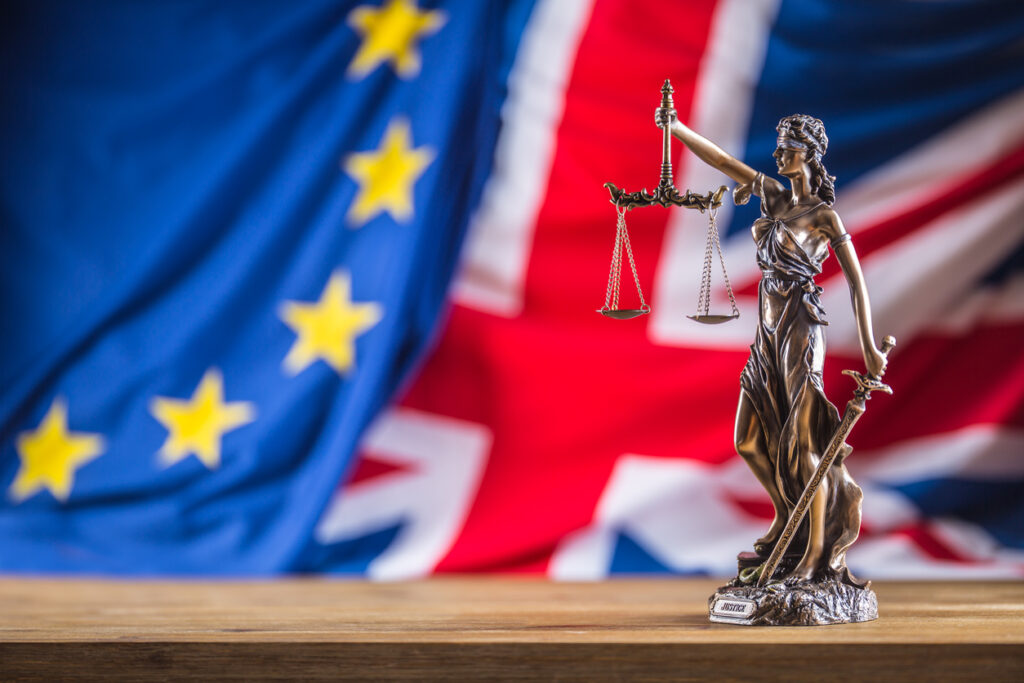
Britain once punched above its weight internationally, but today its voice is quieter and less respected. Trade deals have faltered, diplomatic clout has waned, and soft power, through culture and innovation, doesn’t carry the same weight it once did. Our global reputation has slipped while other nations stride ahead. It’s not just the prestige that’s gone. Whether Britain has a meaningful role in shaping the future or is simply left reacting from the sidelines is now up for debate.
10. The environmental backslide
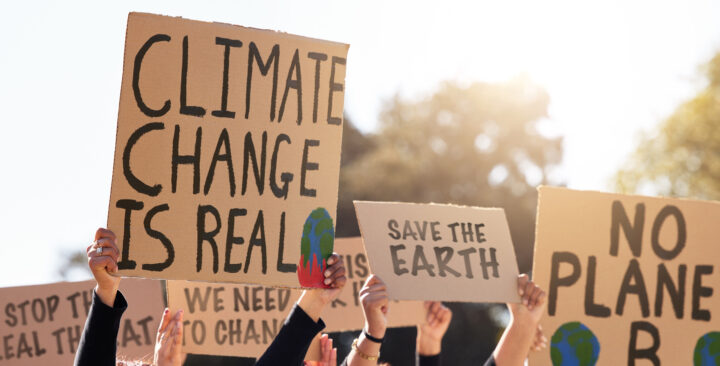
Climate change is one of the biggest challenges of our time, yet the UK has dragged its feet on meeting its own green targets. Key commitments have been watered down or delayed, and investment in renewable energy hasn’t kept pace with ambition. While other nations are pushing ahead with green technology, Britain risks missing both the environmental and economic opportunities that come with leadership. Falling behind on climate isn’t just shortsighted, it’s dangerous.
11. Overworked and undervalued key workers

During the pandemic, we clapped for key workers. Now, many of those same workers are burnt out, underpaid, and leaving their jobs altogether. Nurses, carers, delivery drivers, cleaners—the people who kept everything moving when the country was in crisis—are still treated as disposable.
Their pay packets don’t reflect the value of their work, and their working conditions remain punishing. If we can’t keep the people who keep society functioning, the system simply doesn’t hold.
12. A widening wealth gap

The gulf between rich and poor has grown wider, with the wealthiest households racing ahead while the middle and lower earners fall further behind. For ordinary families, even modest financial stability feels precarious, while billionaires multiply their fortunes.
That divide isn’t just about money. It fractures communities, fuels resentment, and makes people feel they’re living in different countries entirely. A fair society can’t survive when opportunity and wealth are hoarded at the top.
13. Young people giving up on the future

For many under 35, hope has been replaced with resignation. They see homeownership as impossible, stable careers as out of reach, and starting families as unaffordable. The milestones their parents once achieved, such as buying a house, building savings, planning for retirement, now seem unattainable.
That loss of faith in the future is corrosive, robbing the next generation of ambition and belief in the system. When people give up on the promise of progress, the fabric of society weakens.
14. Political scandals have all but completely destroyed public trust
From rule-breaking in lockdown to endless U-turns and broken promises, political scandals have piled up so high they barely shock anyone anymore. However, the cost of that cynicism is steep. Trust in leadership is at rock bottom, and voter turnout shows just how disillusioned many people have become. Without credible leadership, tackling long-standing challenges becomes nearly impossible. A country that doesn’t trust its leaders is a country adrift.
15. A national mood that’s lost its optimism

British humour and resilience are still there, but underneath is a mood that feels heavier and more cynical than it has in decades. More people say the country is heading in the wrong direction than ever before, and that sense of decline is hard to shake.
Conversations about the future are laced with pessimism rather than hope. Unless both politics and policy catch up to what people are experiencing day to day, the “Great” in Great Britain risks becoming nothing more than a relic of the past.