Spending hours stuck at a desk isn’t consequence-free, unfortunately.
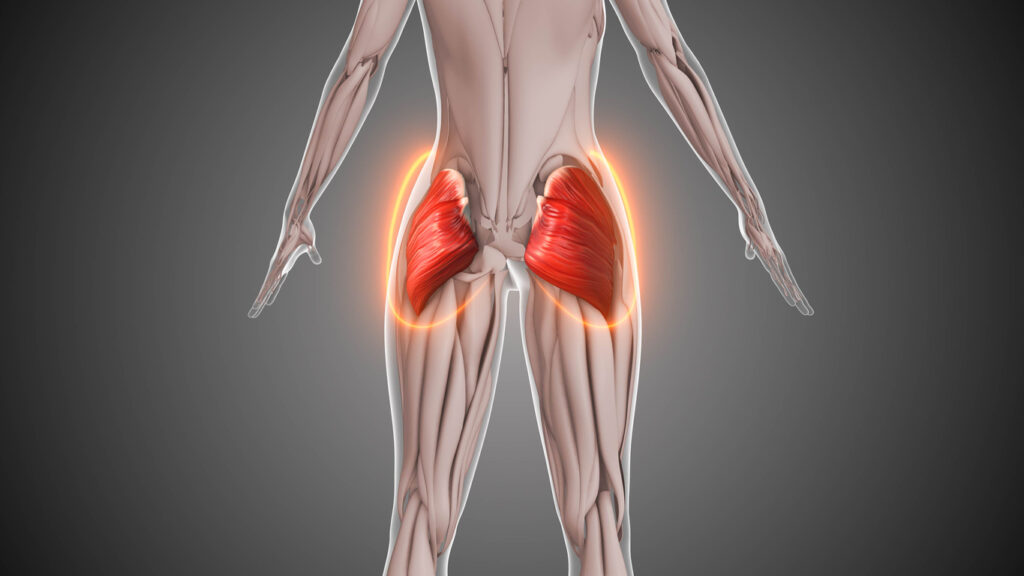
It actually shapes your body in small but real ways. One common effect is what people call “office chair bum,” where your glute muscles weaken, lose tone, and start to flatten out. Here’s why it’s happening, and what you can do about it. You may not aspire to have the backside of a Kardashian, but not being able to tell where your back ends and your derriere begins isn’t most people’s idea of a solid physique.
1. Your glutes start forgetting what they’re for.

Sitting all day puts your hips in a position that keeps your gluteal muscles from doing their job. As time goes on, those muscles switch off. This is gluteal amnesia or “dead bum syndrome,” where even lifting your leg back feels weird because the wiring no longer fires fast enough. That tendency to go on autopilot may feel harmless, but untreated it can lead to lasting imbalances.
Lifting that mental fog starts with movement. Regularly interrupt your sitting with glute-activating motion, whether by walking for a few minutes or doing seated glute squeezes while you type. Even small actions reset muscle memory and remind your glutes how to work again.
2. Tight hip flexors short-circuit your lower half.

When you sit too much, your hip flexors stay shortened, which pulls your pelvis forward and further reduces glute activation. That imbalance leaves glutes lengthened and weak while compensatory muscles work harder, creating misalignment and potential pain in your back, hips, or knees.
Stretching hip flexors and adding mobility into your day helps restore that rhythm. Something as simple as a standing lunge stretch between tasks opens up your hips and lets your glutes come back to life.
3. Fat replaces muscle, changing your shape.

Inactive glutes don’t just weaken; they lose volume, and padding tends to fill in over time. Again, doctors describe this as “office chair bum,” where the muscle mass behind you diminishes, leaving a flatter or saggier profile. It’s not vanity really. It’s simply how bodies adapt to disuse.
Building strength through exercises like glute bridges, squats, or donkey kicks helps re-sculpt the area. Even doing them a few times a week helps muscle reclaim tone, so your shape starts to follow function again.
4. Your booty supports your entire posture.

The glutes stabilise your hips and lower back, and when they weaken, everything else changes too, and not for the best. That puts more strain on your lumbar spine and surrounding muscles, which can cause stiffness, misalignment, and even pain long before you notice a change in your derriere.
Keeping your glutes strong is more than just aesthetics—it’s vital support. Strengthening them helps your posture stay upright and stable, which makes sitting less damaging long term.
5. Even fit people can suffer.

If you work out but still sit for long stretches, your glutes might stay dormant much of the day. Being active doesn’t automatically override chronic sitting. After all, even athletes can get gluteal amnesia if they don’t keep activating those muscles regularly.
The answer is to integrate movement into sitting time, not only carve out gym sessions. Add micro-movement throughout your day, such as little leg lifts, glute clenches, or standing breaks, so your muscles stay switched on even at your desk.
6. Unlike arms, glutes need reminding.

Glutes are big and powerful, but they’re also lazy when they don’t get used. They need regular cues to stay engaged based on their size and fibre composition, and long sitting habits disrupt that balance. Without reminders, they go slow, like an engine idling all day.
Simple cues help rev things up again. Cues like standing phone calls, walking meetings, or timed reminders to stand and move help keep your glutes active and receptive to action.
7. Lack of movement weakens your foundation.
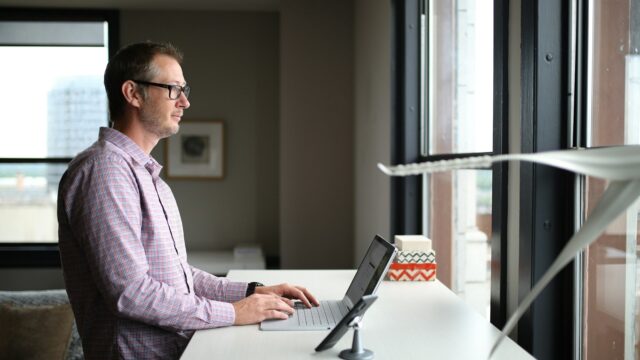
Sitting isn’t just static—it’s tricky static that overloads some muscles while shutting others off. When your glutes don’t fire, hip stability suffers, which can alter how you stand or walk and lead to trouble raising your own body weight without straining elsewhere.
Make standing active by moving around a bit or adding gentle foot movement. Tools like a standing mat or occasional mini lunges help treat your stance like an active process, not a parked posture, so your foundation stays strong.
8. Your chair isn’t the enemy, your stillness is.

The chair doesn’t “cause” flat glutes—it’s just where the inactivity happens. The real culprit is the length of time you stay static. Without motion, glutes lose strength, blood flow drops, and muscles adapt to the shape of your seat instead of keeping their own structure.
You can choose tools that help, like sit-stand desks or even treadmill desks if your setup allows, yet the best change is your behaviour. Whenever possible, choose standing or moving. Even walking one lap per hour reverses the damage of extended sitting.
9. Pain is often the first sign of trouble.

When your glutes switch off, pain can sneak in elsewhere. Lower back strain, hip tightness, knee discomfort, or even ankle tenderness may appear, and none of them feel like a glute problem, but weak glutes are often the trigger. Strengthening those muscles is going to help mitigate pain and stiffness, without a doubt.
Listening to your body helps you catch the pattern early. If pain flares after sitting, pause and try a quick glute exercise or stretch. This simple action often brings relief faster than you expect, and the more often you do this, the more effective it’ll be.
10. Even short bursts make a difference.

You don’t need hour-long glute workouts for noticeable change. A study showed short daily movement, like 20 to 22 minutes of brisk walking or housework, can offset some prolonged sitting effects. Micro pockets of movement add up when they’re actually consistent.
Keep a mini routine you can stick to, such as desk bridges, stand-ups, or hall walks, so that by the end of your workday, your glutes have been reminded of their job and feel more alive than when you started.
11. Strength returns quickly, but fat leaves gradually.

Glutes respond fast when you wake them, more so than smaller stabilising muscles. When you start activating them again, strength comes back noticeably in a few weeks, although reshaping takes a little longer as your body adjusts. You’ll be surprised how much progress you can make in a short amount of time.
Stick with consistent glute work and movement breaks, and you’ll feel stronger, and notice changes in your shape, sooner than you think. It’s motivating when you see results, and that helps turn habits into routine.
12. Movement is health insurance for your bum.

Sitting for too long doesn’t just flatten your glutes. It also increases risks of metabolic issues, heart disease, and other chronic conditions. Those glutes are big, and letting them go inactive invites trouble beyond your posture. Your body is one massive system that works together to keep things moving seamlessly. When one part goes wrong, it can mess the whole thing up.
Think of every minute you stand, stretch, or move as a small deposit in your health bank. Glutes serve more than shape—they’re central to how you move and age well, so giving them attention is not optional. It’s smart living.