The internet didn’t just give us cat videos and social media, though those contributions are definitely pretty valuable.

Really, though, it completely transformed how we do the most basic things in ways we’ve totally forgotten about. These days, we take technology for granted because it’s so ingrained in everything we do. However, back before the 2000s, these everyday helpers simply didn’t exist. Those of us who were alive and old enough to remember the pre-internet era remember these all too well!
1. GPS navigation that tells you where to go

Before the internet, getting anywhere new meant buying paper maps, asking for directions at petrol stations, or just hoping for the best while driving around lost. People used to print out Multimap directions before leaving the house, and if you missed a turn, you were basically stuffed until you found someone to ask.
Now your phone knows exactly where you are and how to get anywhere else, complete with real-time traffic updates and alternative routes. The idea of being genuinely lost is almost extinct, and younger people can’t imagine a world where finding an address required actual detective work.
2. Instant access to any song you want

Music used to require physical ownership of CDs, cassettes, or vinyl records, and if you wanted to hear a specific song, you had to either own it or hope it came on the radio. Building a music collection meant spending serious money and dedicating shelf space to storing your albums.
Streaming services now give you access to millions of songs for the price of a single CD per month, and you can listen to anything instantly without owning physical copies. The entire concept of music ownership has gone from collecting objects to paying for access.
3. Video calls with people anywhere in the world

Talking to someone far away used to mean expensive long-distance phone calls where you could only hear their voice, and international calls cost a fortune. Seeing someone’s face while talking required either being in the same room or waiting for them to send photos in the post.
Now you can video chat with anyone, anywhere, for free, and it’s so normal that we complain when the connection is slightly pixelated. Family members across continents can watch children grow up in real-time rather than through occasional photos and letters.
4. Online shopping delivered to your door

Shopping meant physically going to shops during their opening hours, comparing prices by driving to different stores, and carrying everything home yourself. If a shop didn’t have what you wanted, you had to try somewhere else or order it through a catalogue and wait weeks for delivery.
Now you can buy almost anything online and have it delivered within days or even hours, often for less money than high street shops charge. The entire retail landscape has transformed from physical locations to virtual storefronts that never close.
5. Instant photo sharing with everyone you know

Taking photos meant buying film, getting it developed at a shop, and physically handing pictures to people or posting them in letters. You had no idea if your photos turned out well until you collected them from the developer, and sharing meant making multiple prints.
Digital cameras and smartphones now let you take unlimited photos, see them instantly, and share them with hundreds of people immediately. The cost and effort barriers that used to make photography special have completely disappeared.
6. Searching for any information within seconds

Finding specific information required trips to libraries, encyclopaedias, or phone books, and research meant hours of digging through reference materials that might not even have what you needed. Settling arguments about facts required finding an authoritative source or just agreeing to disagree.
Google and other search engines now put virtually all human knowledge at your fingertips within seconds, and fact-checking has become so easy that we’ve lost patience for any uncertainty. The idea of not being able to immediately verify information feels almost primitive.
7. Banking and payments without visiting a bank

Managing money meant visiting bank branches during business hours, queuing to speak to tellers, and keeping physical records of all transactions. Paying bills required writing cheques or visiting payment centres, and checking your balance meant calling the bank or waiting for monthly statements.
Online banking now lets you handle all financial transactions from anywhere at any time, and contactless payments mean you rarely need physical cash. The entire relationship between people and their money has become digital and immediate.
8. Food delivery from any restaurant

Getting restaurant food delivered was limited to pizza places and Chinese takeaways that had their own delivery drivers, and you had to phone in orders from paper menus. Most restaurants didn’t deliver at all, so eating their food meant going there in person.
Delivery apps now connect you to hundreds of restaurants in your area, complete with menus, photos, and reviews, and independent drivers will bring you food from places that never offered delivery before. The entire food service industry has been transformed by on-demand delivery.
9. Watching any show or film whenever you want
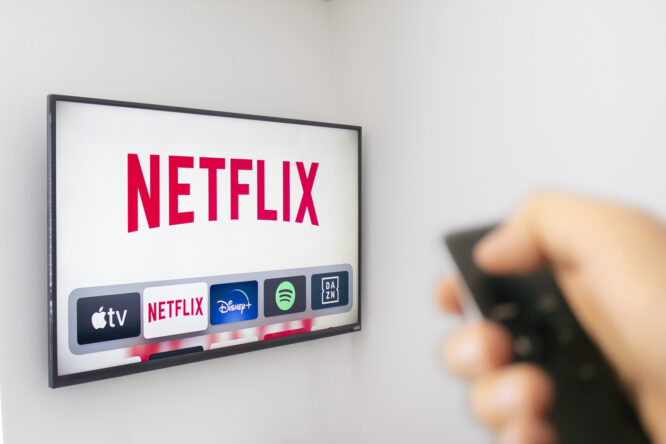
Entertainment was tied to broadcast schedules, and if you missed a programme, you either caught the repeat or never saw it again. Recording shows required setting timers on VCRs and hoping nothing went wrong, and watching films meant going to cinemas or renting videos.
Streaming platforms now offer thousands of shows and films available instantly, with no schedules or physical media required. The entire concept of appointment television has largely disappeared except for live events.
10. Social networking and constant communication

Staying in touch with friends and family required phone calls, letters, or arranging to meet in person, and losing contact with people was common and often permanent. Sharing news or updates meant telling people individually or hoping word would spread through mutual friends.
Social media now keeps you connected to hundreds of people simultaneously, with constant updates about their lives and activities. The effort required to maintain relationships has decreased dramatically, though whether this has improved or damaged the quality of connections is still being debated.