In the UK, it’s overwhelmingly common for many cats to have the freedom to roam outdoors.
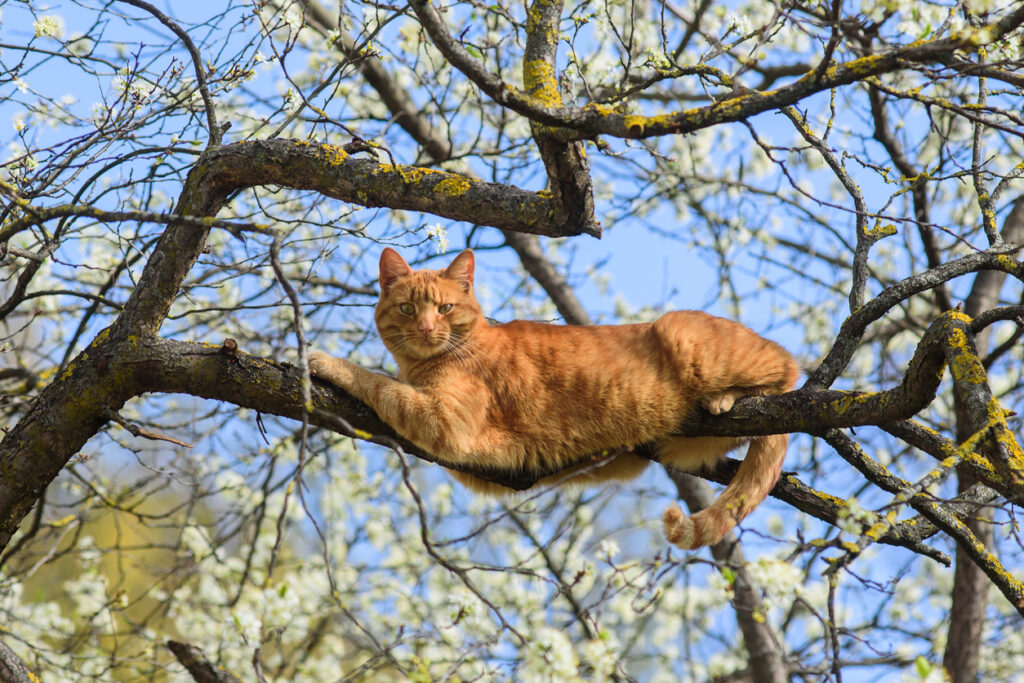
You’ve probably witnessed the intense arguments that break out whenever someone mentions letting their cat outside, with each side acting like the other is committing animal abuse. This isn’t just a casual pet care debate. It’s become a cultural battleground where people’s deepest values about freedom, safety, nature, and responsibility collide in surprisingly emotional ways.
1. Indoor cat people think outdoor cats are basically abandoned.
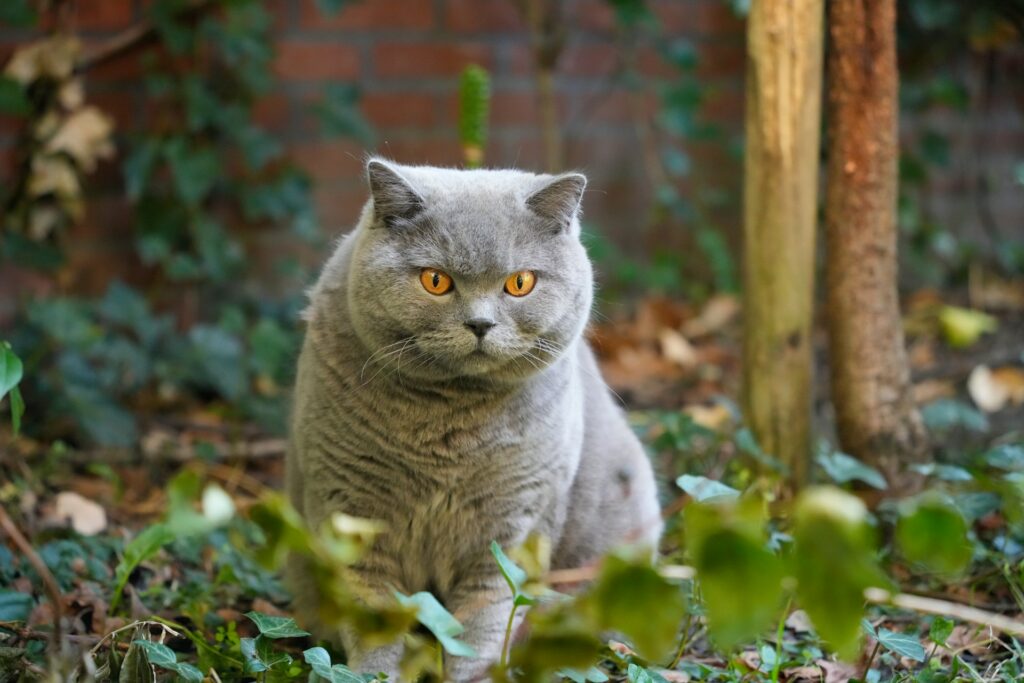
They genuinely believe that letting cats outside is like tossing them into traffic and hoping for the best. Cars, diseases, psycho neighbours—to them, outdoor cats are constantly dodging death while their owners sit inside pretending everything’s fine.
Most of these people have lost cats to outdoor dangers or heard horror stories that haunt them. They can’t fathom how anyone willingly sends their furry family member into what feels like a daily death gauntlet.
2. Outdoor cat people think indoor cats are basically in prison.
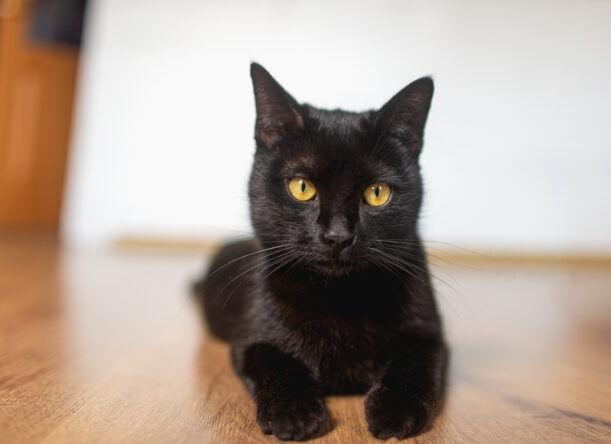
They see keeping cats permanently indoors as cruel torture that turns natural predators into depressed couch potatoes. To them, indoor-only cats are psychologically broken from being trapped in artificial boxes their entire lives.
These owners would rather their cat live five adventurous years outside than 15 boring years staring out windows. They think indoor cat people are projecting human fears onto animals that were literally born to hunt and roam.
3. The bird murder argument sends everyone into a rage.
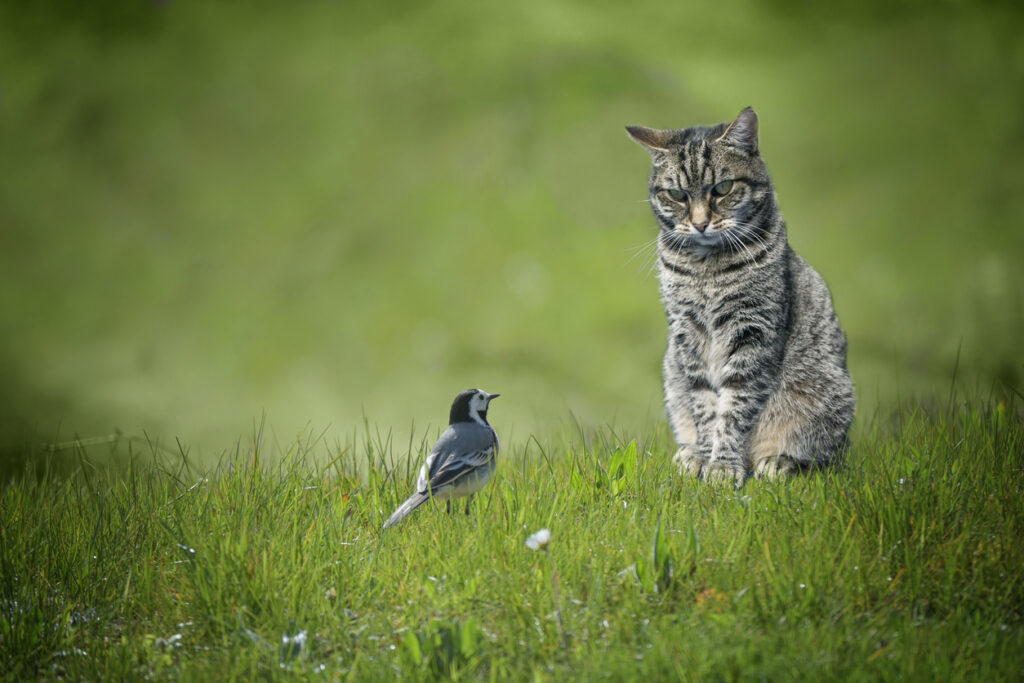
Scientists keep publishing studies about cats slaughtering billions of birds, making conservationists treat every outdoor cat like an ecological terrorist. But tell a cat owner their precious Mittens is destroying the ecosystem and watch them lose their minds.
Cat people feel attacked when their beloved pets get branded as feathered killing machines, while bird lovers act like every outdoor cat is personally responsible for species extinction. Both sides throw around wildly different statistics to prove their point.
4. Where you live completely changes what seems normal.
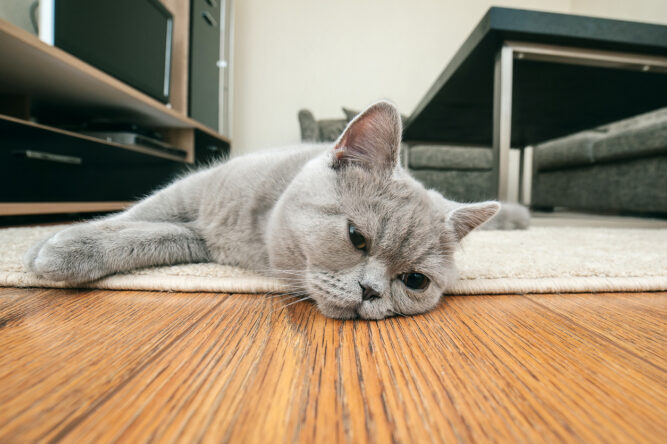
Rural people think those who live in cities are paranoid because their cats roam acres safely while catching mice in barns. Urban people think those in the countryside are reckless because they see cats getting flattened by traffic and poisoned by antifreeze every week.
Everyone assumes their local reality applies everywhere else, so farm people can’t understand urban dangers while city people can’t imagine safe outdoor spaces. Both groups think the other is either paranoid or careless based on their completely different environments.
5. Older and younger generations have totally different relationships with pets.
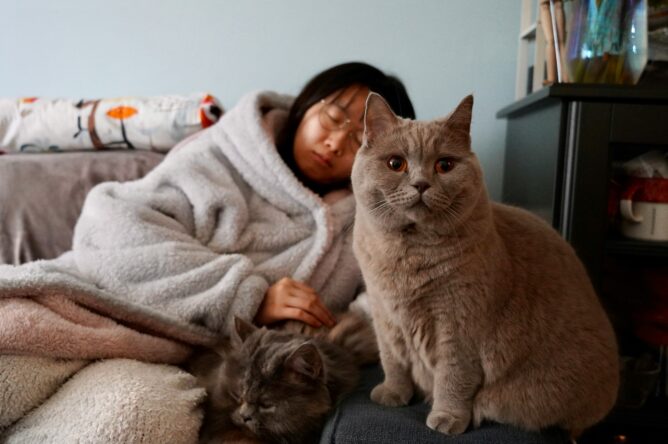
Boomers grew up when cats were working animals that happened to live with humans, so outdoor access seems obviously normal to them. Millennials and Gen Z treat pets like children who need constant protection and supervision.
Older people think younger generations are helicopter pet parents, creating anxious, dependent animals. Younger people think older generations are neglectful and don’t understand modern pet care standards or urban dangers.
6. The compromise solutions make nobody happy.

Leashes, catios, and supervised outdoor time sound reasonable but feel ridiculous to both camps. Outdoor enthusiasts think these half-measures defeat the purpose of natural freedom, while indoor advocates worry they’re still too risky.
Nobody wants to admit that middle-ground solutions might work because it means giving up their moral high ground. Plus, many of these compromises require time, money, or effort that people don’t want to invest.
7. Social media has weaponised the debate.
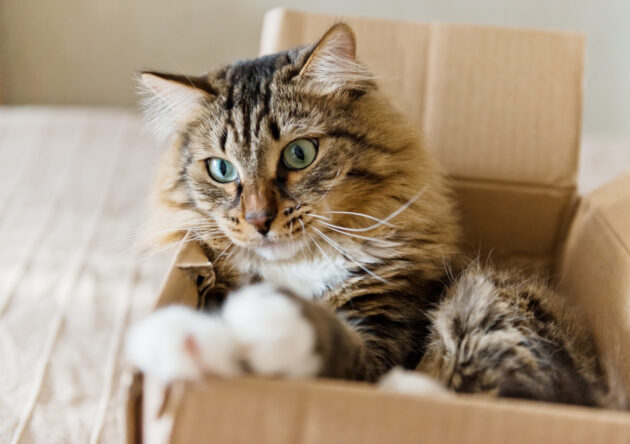
People post photos of their outdoor cats and get bombarded with comments about irresponsible pet ownership and dead birds. Indoor cat posts get attacked for promoting animal cruelty and unnatural confinement.
The internet turns every casual cat photo into a referendum on your character as a pet owner, making people defensive and angry before any actual discussion can happen. Everyone’s an expert with strong opinions about strangers’ pet choices.
8. Both sides think they love cats more.
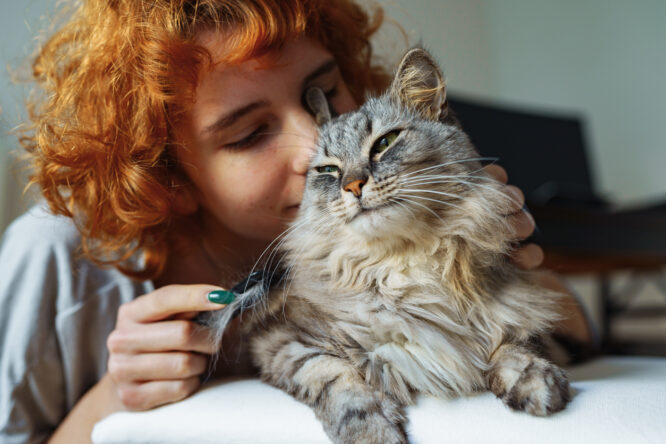
Indoor advocates believe they’re the only ones truly protecting cats from harm, while outdoor supporters think they’re the only ones respecting cats’ natural needs. Each group sees the other as fundamentally misunderstanding what cats actually require.
This moral superiority makes compromise nearly impossible because admitting the other side has valid points feels like betraying your cat’s wellbeing. Everyone thinks their way is the most loving approach.
9. The class and privilege angles make things messier.
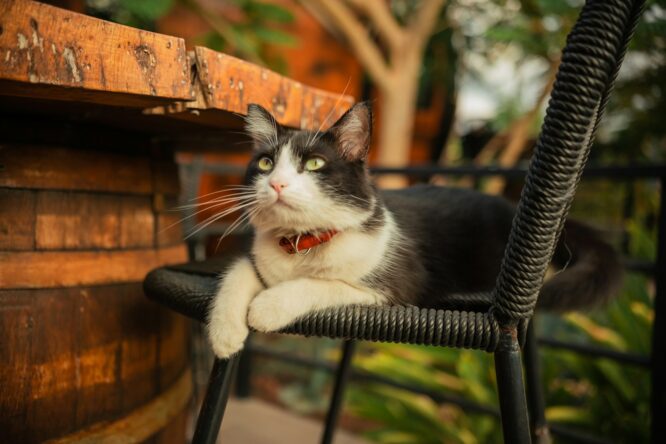
Expensive solutions like building outdoor enclosures or buying puzzle feeders become markers of good pet ownership, making people without money feel judged for letting cats outside because it’s free entertainment.
Meanwhile, some outdoor cat advocates act like indoor environments are inherently inferior regardless of enrichment efforts, dismissing the time and money people invest in creating stimulating indoor spaces for their cats.
10. Nobody wants to admit cats are individuals.
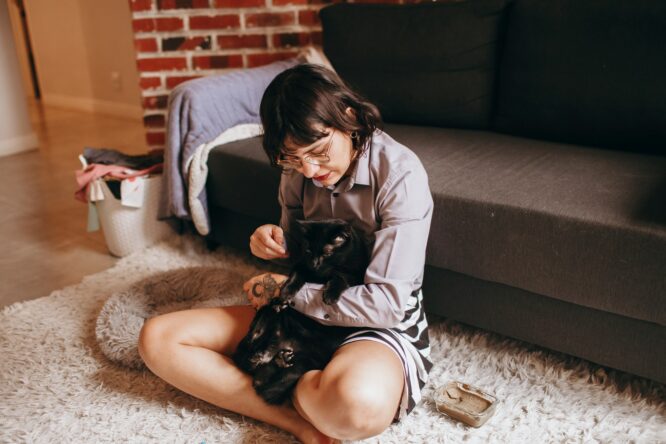
Some cats are perfectly content indoors while others go stir-crazy without outdoor access, but acknowledging this individual variation undermines the universal rules both sides want to establish. It’s easier to argue absolutes than evaluate case-by-case situations.
Admitting that different cats have different needs would require nuanced thinking instead of simple rules, and it would mean some outdoor cats are fine while some indoor cats are suffering, which complicates everyone’s moral certainty.
11. The guilt factor drives people to extremes.
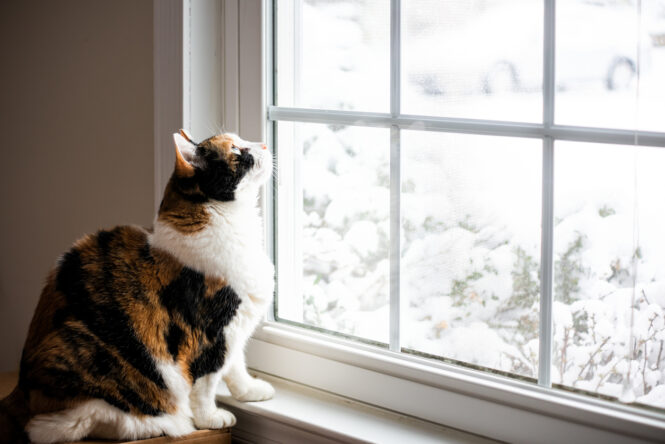
Indoor cat owners constantly worry they’re depriving their pets of natural experiences, while outdoor cat owners live in fear that today’s the day their cat doesn’t come home. Both groups double down on their choices to avoid facing these uncomfortable doubts.
Nobody wants to admit they might be wrong because it means confronting the possibility that they’ve been harming their beloved pet through ignorance or stubbornness. The stakes feel too high for casual experimentation.
12. It’s really about control versus freedom in modern life.
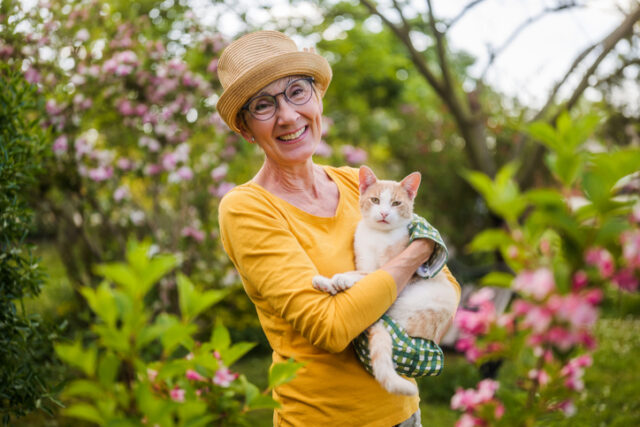
The cat debate reflects broader cultural anxiety about whether safety or freedom should take priority in an increasingly dangerous world. People project their own feelings about risk, autonomy, and protection onto their pets.
Indoor advocates often value security and predictability while outdoor supporters prioritise independence and natural living, making this less about cats and more about fundamental philosophical differences regarding how much risk is acceptable for a fulfilling life.