
The great bed-sharing debate divides pet owners into two camps: those who think their furry friends belong anywhere they want to sleep, and those who believe beds are strictly human territory. The truth is that there’s no universally right answer, but there are definitely some practical things to think about that might help you figure out what works for your household.
1. Your sleep might actually get better.
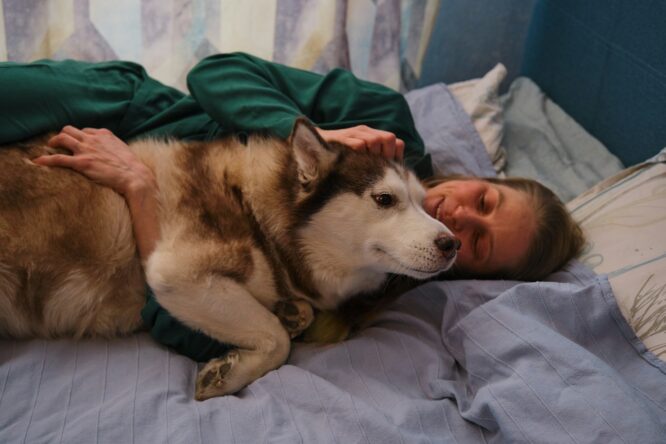
Loads of pet owners say they sleep better with their animals nearby because having a beloved companion there can calm anxiety and make the night feel less lonely. The steady breathing and warmth of a pet can be genuinely soothing, like having a living hot water bottle that purrs or sighs contentedly.
However, this really depends on whether your pet is actually a good bedmate or a restless nightmare. A chill cat who sleeps through the night is completely different from a dog who flips around every hour or decides 2am is the perfect time for an intensive paw-licking session.
2. Some pets are surprisingly clean.
Despite what people think, many pets are actually quite hygienic, especially cats who spend half their day grooming themselves into submission. Indoor pets who get regular baths might honestly be cleaner than humans who dive into bed wearing the same clothes they’ve had on all day.
That said, pets do track stuff from outside and their grooming standards aren’t exactly the same as ours. If cleanliness really bothers you, maybe compromise with washable blankets or pet bedding that you can chuck in the washing machine regularly.
3. It can make you and your pet closer.
Sharing sleeping space is pretty intimate and can really strengthen the bond between you and your pet, giving you extra bonding time that crazy schedules might not allow otherwise. For pets who naturally want to sleep near their pack, being included in the family bed can help with separation anxiety.
This is especially good for rescue animals or pets who are a bit nervous about life. The trust and closeness that comes with sleeping together can be really healing for both anxious pets and their humans, creating happy associations with bedtime and relaxation.
4. Your partner might absolutely hate it.

Pet bed-sharing can become a proper relationship issue if one person loves cuddling with animals, while the other just wants to sleep without a furry bum in their face. This isn’t about loving pets any less, some people just need proper sleep or have allergies.
You might need to get creative with compromises like taking turns, using separate blankets, or setting up a really nice pet bed right next to yours, so your furry mate feels included without actually being on the mattress. Nobody should have to choose between their partner and their pet.
5. Some pets are absolutely terrible bedmates.
Massive dogs who think they’re chihuahuas, cats who decide 3 a.m. is party time, or any pet who snores like a broken engine might not be ideal sleeping companions. Some animals are naturally fidgety sleepers, but others have zero concept of personal space and will slowly push you onto the floor.
Be realistic about your pet’s actual sleeping behaviour rather than how cute they look when they’re awake. If your dog regularly wakes you up stretching, your cat treats your bladder like a trampoline, or your pet consistently ruins your sleep, the arrangement isn’t working, no matter how much you adore them.
6. The hygiene thing is real but not that scary
Pets do carry more bacteria than humans, and they’re not exactly known for their bedtime hygiene routines. Of course, regular vet visits, flea treatments, and basic grooming sort out most of the health risks that come with pet bed-sharing.
If you’re pregnant, have health issues, or a compromised immune system, maybe chat with your doctor about it. For most healthy people, the risks are pretty small, especially with indoor pets who see the vet regularly and get proper parasite prevention.
7. It might help with allergies.
Weirdly, some research suggests that regular exposure to pet dander might actually help reduce allergic reactions over time, though this is definitely a your-mileage-may-vary situation. Some people find their pet allergies get better with consistent exposure, while others find bed-sharing makes everything worse.
If you have mild pet allergies, you could try bed-sharing but keeping antihistamines nearby and making sure your bedroom has decent airflow. However, if your allergies are severe, bed-sharing probably isn’t worth feeling rubbish every morning.
8. Size matters way more than you’d think.
A small cat or tiny dog barely takes up any bed space and might not affect your sleep at all, while a great dane can literally shove you onto the floor or make it impossible to move during the night. Think about the actual logistics of sharing your specific bed with your specific pet.
Weight matters too because heavy pets can create dips in the mattress that mess with your back and overall comfort. If you’re waking up feeling like you’ve been hit by a truck, your pet’s size compared to your bed might be the problem.
9. You need to set some rules.
If you’re going to allow bed-sharing, setting clear boundaries from the start prevents chaos later on. Maybe your pet can be on the bed, but not under the duvet, or they can sleep at the bottom, but your pillow is off-limits.
Consistency is massive because pets love routine and clear expectations. If you sometimes allow bed-sharing and sometimes kick them off, your pet will keep trying to negotiate their way back up there, which just creates confusion and potential drama.
10. Some pets don’t actually want to sleep with you.
Not all pets are desperate to sleep on human beds, some animals prefer their own space where they can sprawl out or get the temperature just right. Cats especially might like having options and choosing based on whether they’re feeling social or antisocial.
Setting up really comfortable alternatives like proper pet beds, heated mats, or cosy blankets in quiet spots might satisfy your pet’s comfort needs without the bed-sharing. Some pets naturally move between their own bed and yours, depending on their mood.
11. Travel becomes a bit more complicated.
Pets who are used to sleeping with humans might struggle when you go away, or they need to stay at boarding places. This dependence on human sleeping arrangements can create anxiety during separations and make transitions harder.
Think about whether you want to create a sleeping situation that might be impossible to recreate when you’re apart. Teaching your pet to be okay sleeping alone, even if they usually share your bed, can save stress during unavoidable separations.
12. Age and health change everything.

Older pets or those with joint problems might really benefit from the comfort and warmth of sharing your bed, especially if they struggle with pain or staying warm. However, very young puppies or kittens might not have proper bladder control yet, making bed-sharing temporarily gross.
Senior pets who’ve always slept alone might find bed-sharing stressful rather than nice. Think about your individual pet’s needs and comfort level, rather than assuming what they’d prefer based on what other pets like.
13. Your sleep schedules need to work together.
If you’re a light sleeper who goes to bed early, but your pet is naturally bouncy in the evenings, bed-sharing might be rubbish for both of you. Similarly, pets who wake up at dawn expecting immediate breakfast might not work well with people who like lie-ins.
Think about your natural sleep patterns versus when your pet is active. Some animals are naturally more lively during dawn and evening hours, which might clash with human sleep preferences. Good bed-sharing usually needs compatible schedules.
14. There’s no right or wrong answer.
Despite what passionate people on either side might tell you, letting pets on your bed doesn’t make you soft, and keeping them off doesn’t make you mean. Both choices can work perfectly well, depending on your situation and what actually works for your household.
The main thing is that everyone’s comfortable, healthy, and getting decent sleep, including your pet’s wellbeing. Some families love having pets as bedmates, while others work better with separate sleeping arrangements, and both can end up with happy, healthy, spoiled pets.