For a country that prides itself on being sensible and grounded, we’ve got some pretty odd habits when it comes to luck.
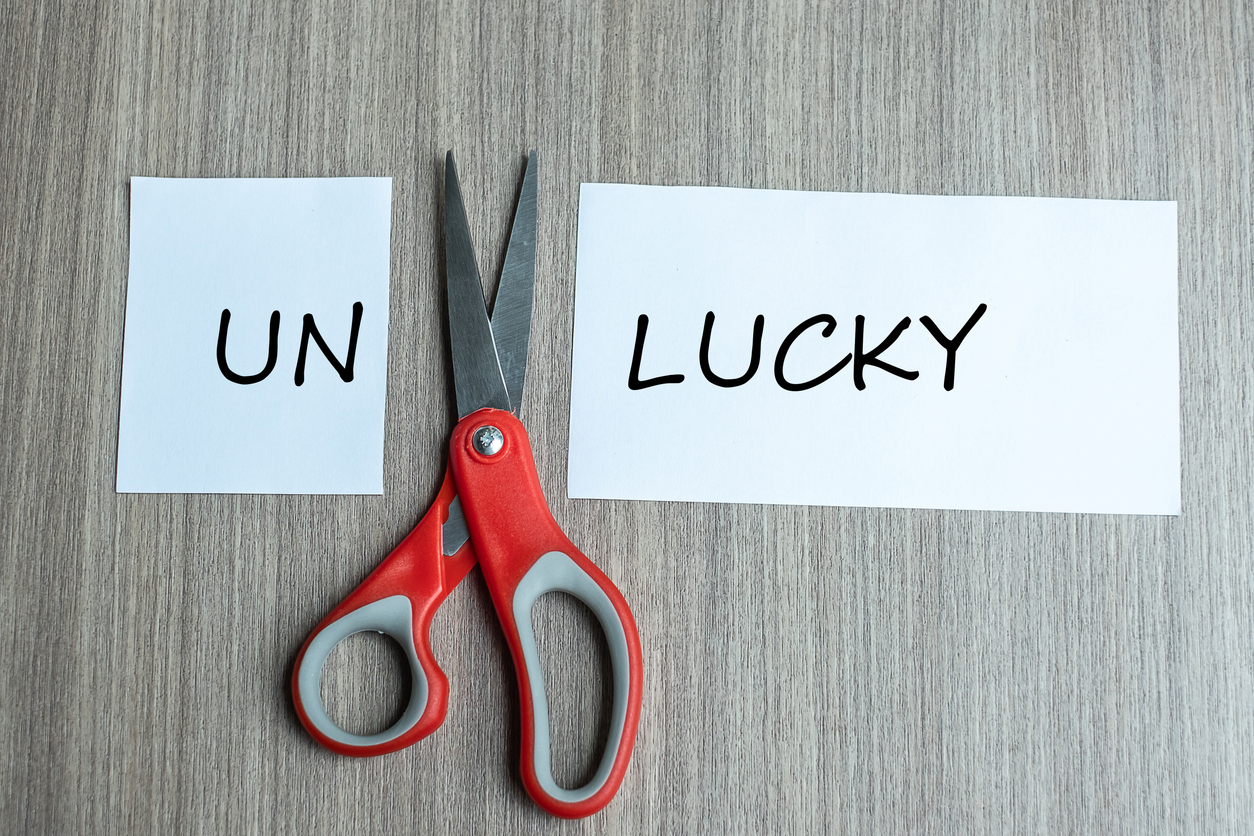
From saluting magpies to avoiding umbrellas indoors, superstition still runs through everyday life in Britain. Most of us don’t even question it; we just do these little rituals because, well, that’s what we’ve always done.
Maybe it’s tradition, maybe it’s habit, or maybe we just like the comfort of believing we’ve got some control over the random chaos of life. Either way, we still catch ourselves touching wood, tossing salt, and whispering “hello” to a lone magpie, just in case. Some of these customs are centuries old, and yet they’ve survived right into the modern day. It’s proof that even the most practical among us can be a little bit superstitious.
1. We never put new shoes on the table.
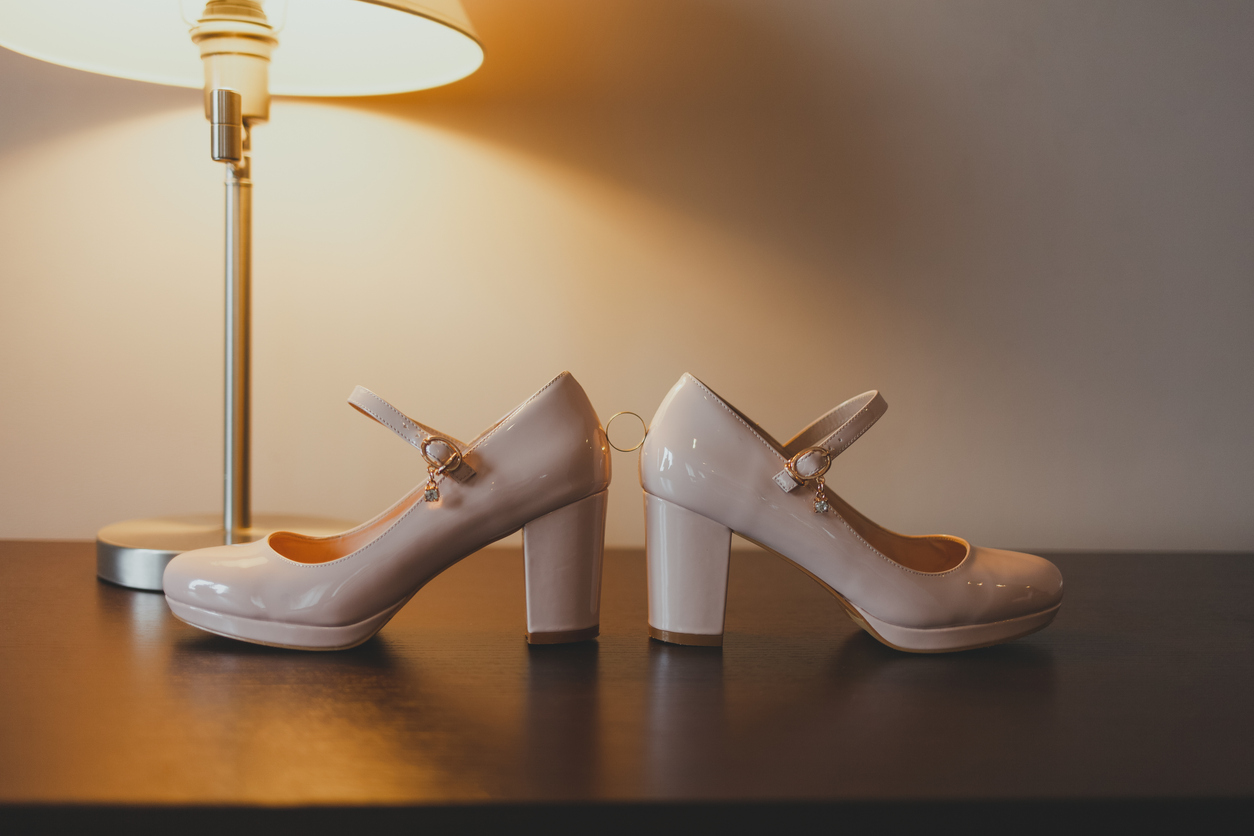
Placing shoes on any table, especially new ones, is considered a death omen. The superstition likely comes from the fact that bodies were laid out on tables with boots on, so mimicking that invites death into the house. People genuinely panic if someone does this and immediately throw salt or turn around three times to counter it. Even now, older generations will tell you off for it without fully knowing why it bothers them so much.
2. We salute single magpies.

Seeing one magpie alone means sorrow is coming, so people salute it, say “good morning Mr Magpie” or spit three times to ward off the bad luck. Two magpies mean joy, but one requires immediate action. This isn’t done privately, either. You see people on the street suddenly saluting at nothing, and everyone knows exactly what they’re doing. The rhyme about magpies is still known, and some people still can’t help saluting when they see one.
3. We throw salt over our left shoulder.
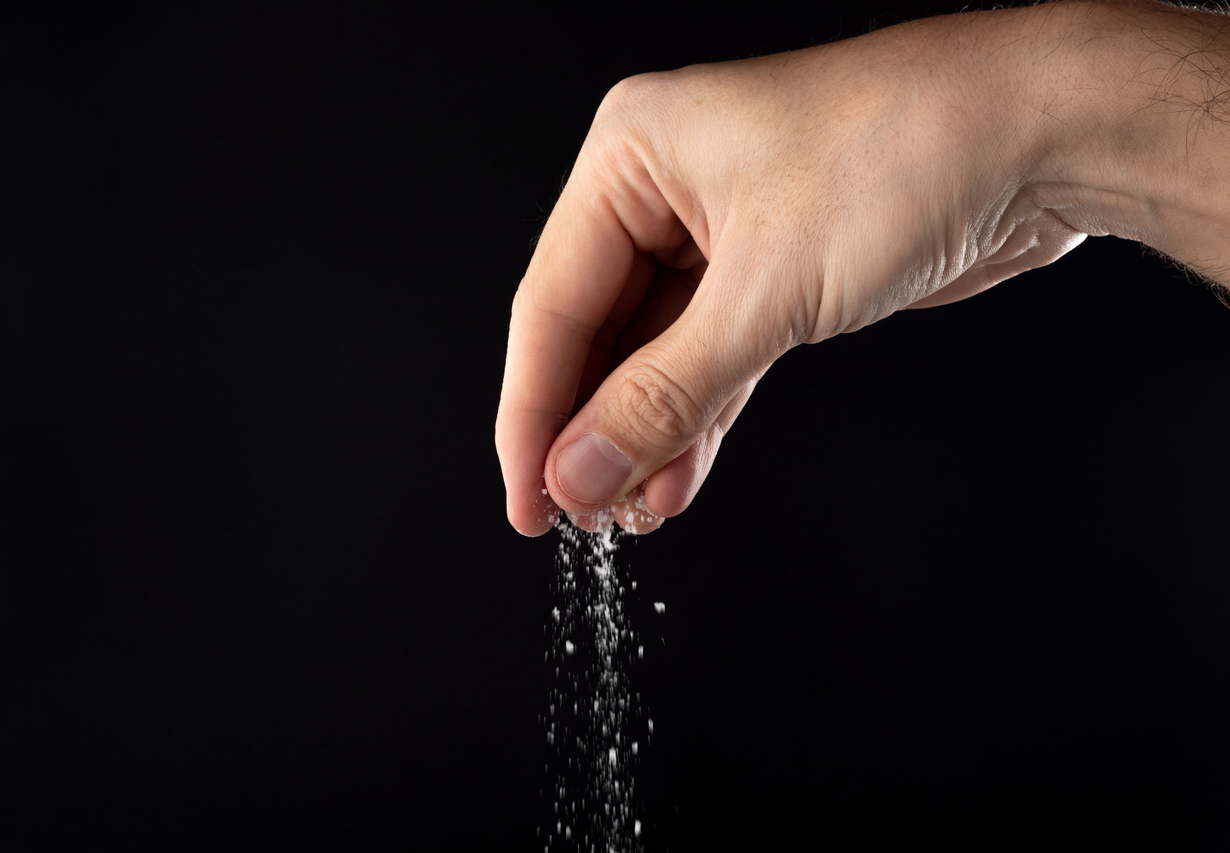
Spilling salt is terrible luck because salt was expensive and spilling it meant waste and poverty. To counter this, you immediately throw a pinch over your left shoulder into the devil’s eyes, who’s supposedly waiting there for opportunities. The left shoulder specifically matters because that’s where evil stands. Some people still do this automatically when they spill salt, a reflex from childhood warnings that stuck even after the belief faded.
4. We turn money over at the new moon.

When you first see the new moon, you turn over any coins in your pocket while looking at it to ensure money will increase throughout the month. Some people bow to it or turn around three times as well. Looking at the new moon through glass is unlucky, though, so you have to be outside. Miss this ritual and you’ll have a poor month financially, or so people believe, which makes the first sighting quite important.
5. We never walk under ladders.
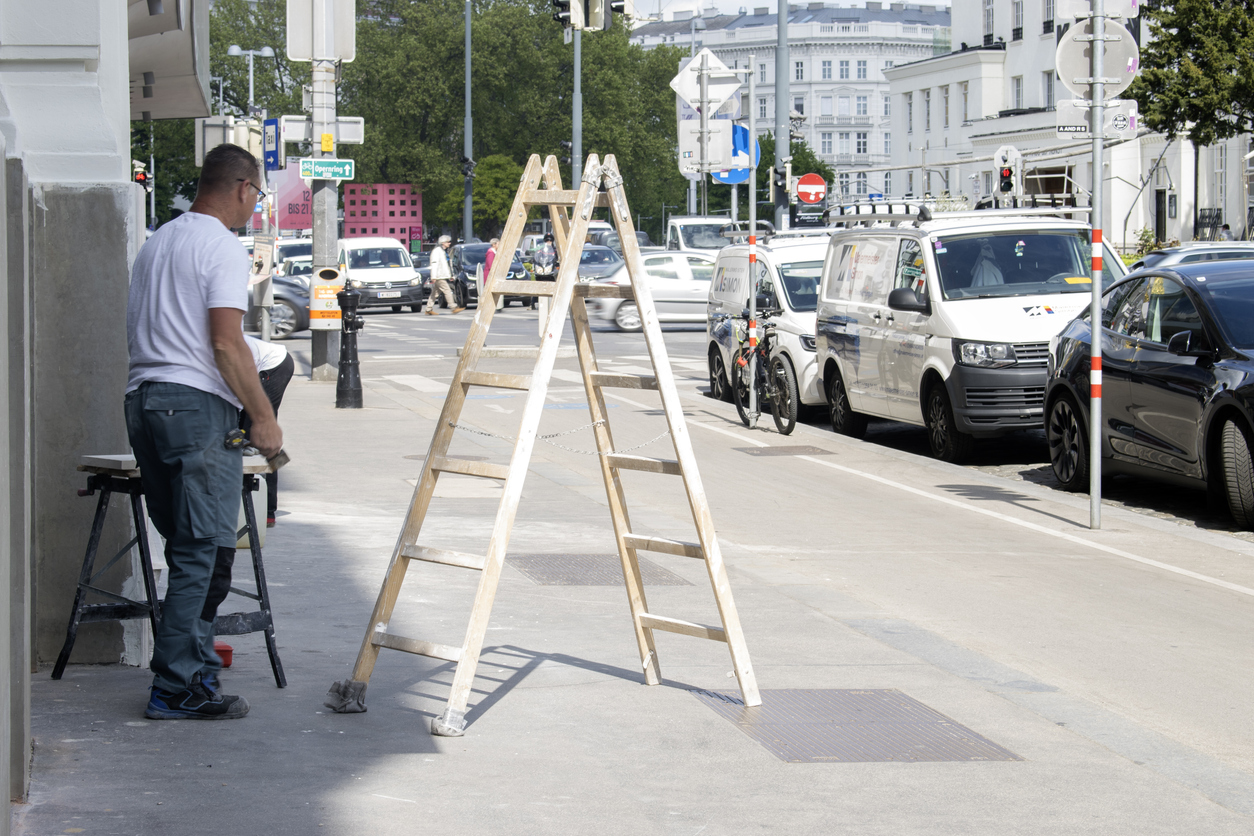
Ladders against walls form a triangle, symbolising the Holy Trinity, and walking through it is seen as breaking that sacred shape and inviting the devil in. It’s also just practically dangerous, but the superstition makes it feel spiritually risky too. People step into roads to avoid walking under ladders, even if it means risking traffic. The superstition is so strong that walking under one, even accidentally, requires immediate countermeasures like crossing your fingers until you see a dog.
6. We cross our fingers when passing graveyards.
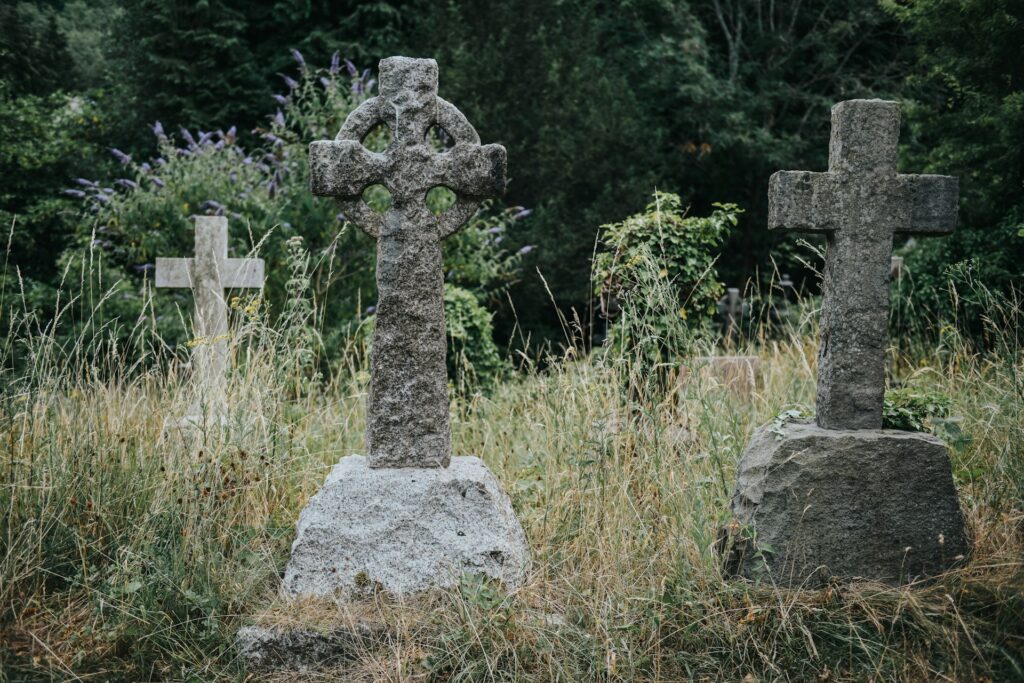
Walking past a graveyard means holding your breath or crossing your fingers to prevent spirits from entering your body. Some people also touch a button or a collar to keep ghosts from attaching to them. Children are taught this early and the habit sticks. Even people who don’t believe in ghosts feel uncomfortable breathing normally near a cemetery, the childhood warnings are that ingrained into behaviour.
7. We never bring hawthorn blossom indoors.
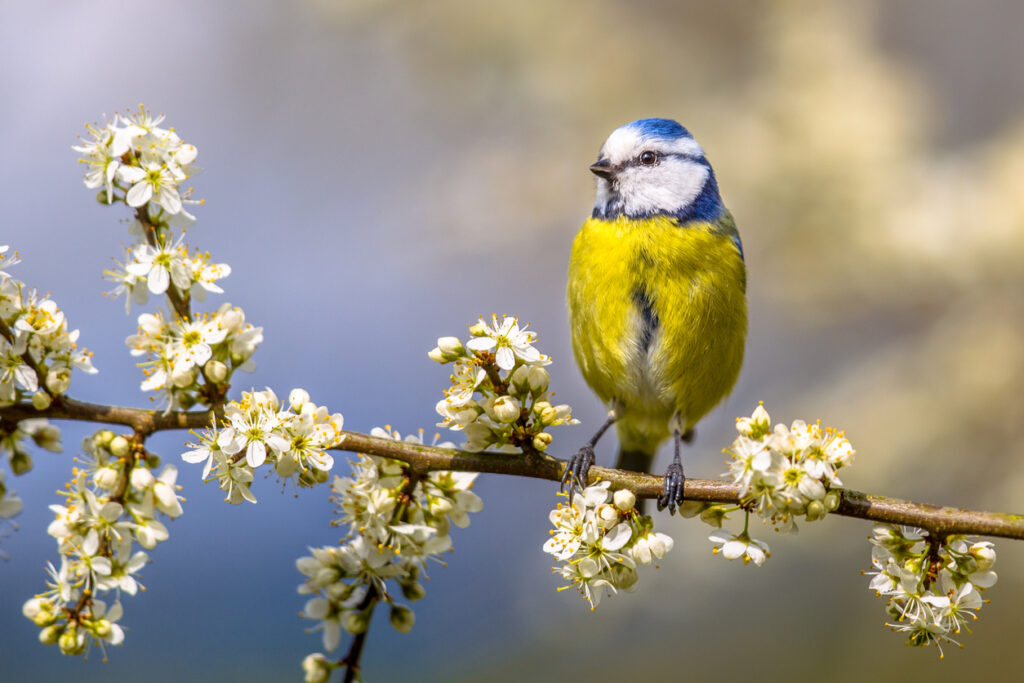
Hawthorn is associated with death and the fairy folk. Bringing it inside will bring illness or death to the house within the year. The smell of hawthorn flowers supposedly smells like death itself, which reinforces the fear. People have hawthorn hedges outside, but never cut branches to bring in. If someone does it by mistake, the flowers are immediately removed and burned, and the house needs cleansing rituals to counter the curse.
8. We touch wood constantly.
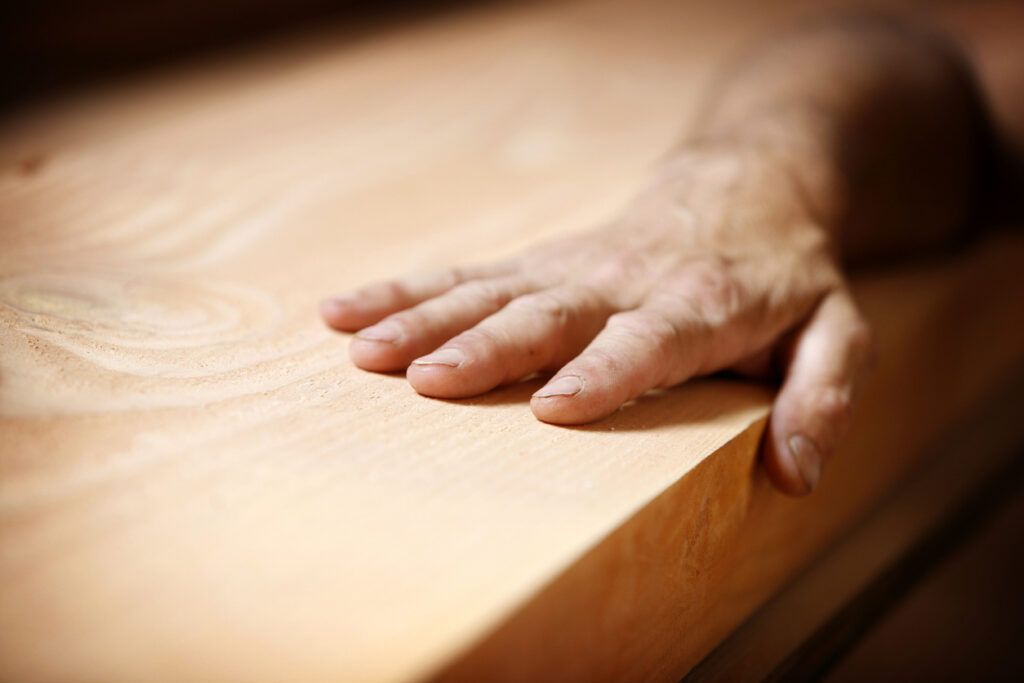
After saying anything positive or tempting fate, you have to touch wood immediately to prevent jinxing it. The wood has to be unpainted and genuinely wooden, not laminate, or it doesn’t count, and the jinx will stand. This creates constant scanning for wooden surfaces during conversations. If no wood is available, some people touch their head, claiming hair counts. The phrase “touch wood” is still automatic for many British people even now.
9. We get out of bed on the same side we get in.

Getting out of bed on the opposite side to which you got in means you’ll have a bad day. You have to exit the same way you entered or everything will go wrong, which makes bedroom furniture arrangement quite important. This also means if you get in on the wrong side accidentally, you’re already doomed to a bad day before it starts. Some people get back in and out again properly to try to fix it.
10. We never open umbrellas indoors.
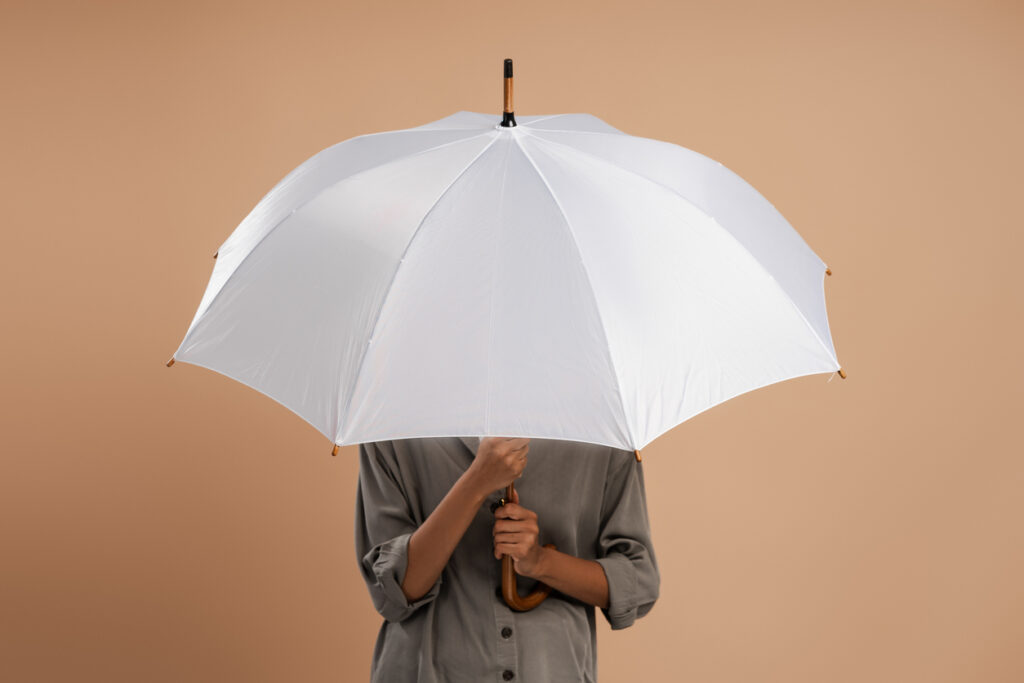
Opening an umbrella inside brings bad luck because umbrellas are meant to protect from the sky’s elements, and using them indoors offends the spirits of the home. It’s also seen as inviting rain into your house. The superstition is strong enough that even testing an umbrella before buying it feels risky. People wait until they’re outside to check it works, even in the rain, rather than risk the bad luck.
11. We avoid crossed knives on the table.
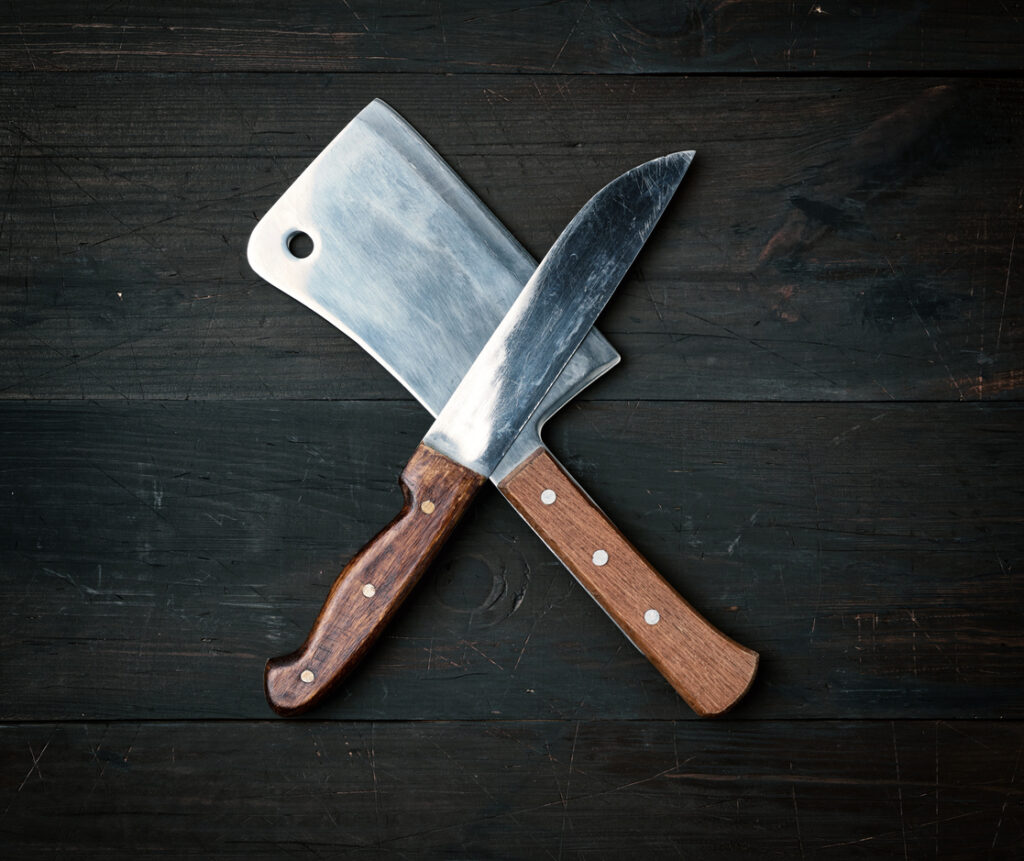
Crossed knives predict a quarrel or a death. If two knives accidentally form a cross on the table, someone quickly separates them and sometimes throws salt to counter whatever argument or tragedy is now heading toward the household. This makes laying the table require attention. Knives have to be placed carefully parallel to each other, never crossing, and if guests cross them during a meal, the host fixes it immediately while trying not to make it obvious.
12. We say “white rabbits” on the first of the month.

The first words spoken on the first day of each month have to be “white rabbits” or “rabbits” three times, said before anything else, even “good morning.” This ensures good luck for the entire month ahead. People write reminders or set mental alarms to remember, and if you forget and say something else first, the month is already ruined. Some families still do this, passing the tradition down without really knowing where it started.
13. We never give knives as gifts.
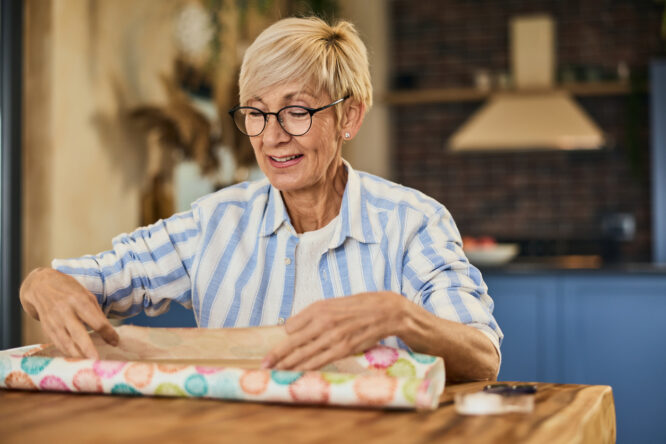
Giving someone a knife as a present will sever the friendship. To counter this, the recipient has to give a coin back, even a penny, turning it into a purchase rather than a gift and preventing the relationship from being cut. Wedding gifts of knife sets require coins to be returned, and people take this seriously. The exchange happens immediately, and the coin is kept, not spent, to maintain the protection against the friendship being severed by the blade.
14. We carry lucky charms constantly.
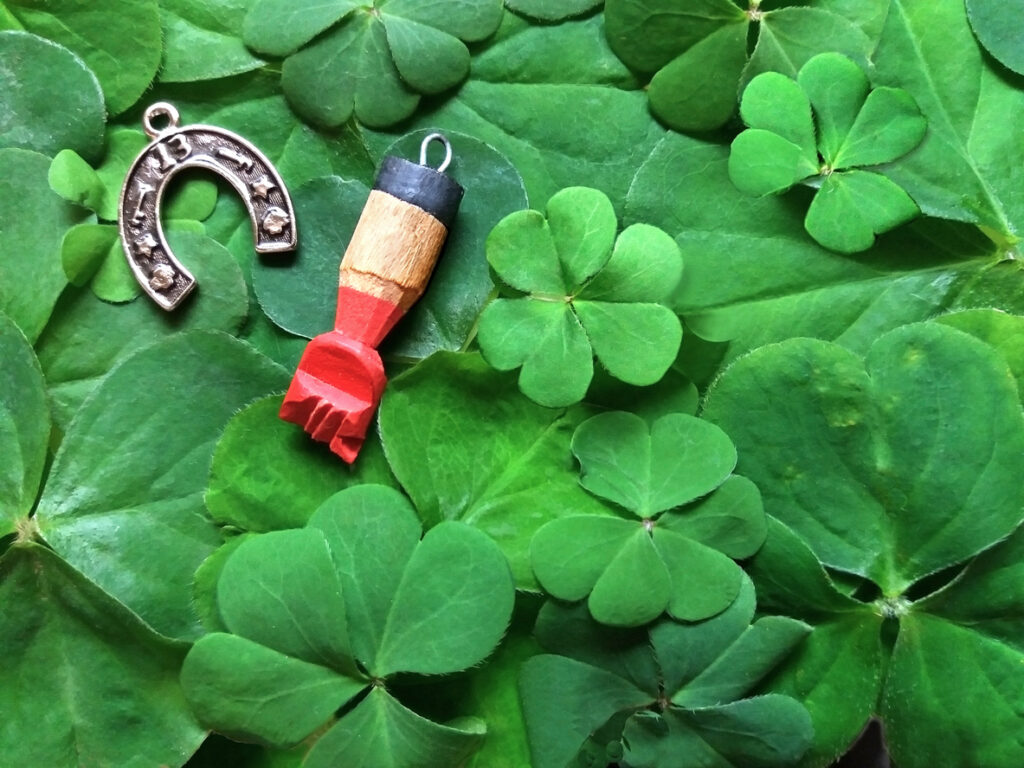
Rabbits’ feet, horseshoes, four-leaf clovers, or specific coins are carried everywhere as protection against bad luck. Losing your lucky charm is devastating because it means you’ve lost your protection right when you might need it most. Some people have multiple charms for redundancy. Children especially have them sewn into coat linings or kept in pockets, and losing one can cause genuine distress beyond the object’s actual value because of the vulnerability it creates.
15. We never toast with water.

Raising a glass of water in a toast means you’re wishing death upon the person you’re toasting. Only alcohol or soft drinks are acceptable, never plain water, which is associated with drowning or poisoning in toast rituals. If someone accidentally toasts with water, they have to immediately pour it out and refill with something else, then re-toast properly. The panic this causes at dinners is real, and the person toasted genuinely worries about the curse now placed on them.