People love to paint your 50s as either the start of decline or the golden decade of wisdom and freedom.

The truth usually sits somewhere in between. It’s a strange, often underrated phase of life where confidence and uncertainty seem to live side by side. You’ve lived enough to know who you are, but you’re also facing new realities, whether physically, emotionally, and sometimes financially, that no one really warned you about.
It’s not the doom and gloom some make it out to be, but it’s not all carefree laughter either. Your priorities change, your circle tightens, and your tolerance for nonsense drops dramatically. The myths about this decade rarely match up with the real, raw experience of living it, but that’s what makes it one of the most honest and transformative times of all.
You’re told you’ll feel invisible, but you actually feel relieved.

People warn that you’ll disappear socially, especially women, that you’ll be overlooked and irrelevant. But what often happens is you stop caring about being noticed in the same way, and that feels like freedom rather than loss.
The relief comes from no longer performing for approval. You’re not trying to impress anyone or fit expectations anymore, and that transition from seeking attention to not needing it is surprisingly liberating once you realize nobody’s watching anyway.
You’re told you’ll slow down, but you’re busier than ever.

The expectation is your 50s are a wind-down decade, preparing for retirement and taking things easier. In reality, you’re often juggling ageing parents, adult children still needing support, career peaks, and trying to fit in everything you put off earlier.
The pace doesn’t decrease, it just changes. You’re managing more complex responsibilities that take mental and emotional energy even if you’re not physically running around. The idea that your 50s are calm is a myth that nobody living through them actually recognizes.
You’re told you’ll care less what people think, and that part’s actually true.

This is one promise that delivers. The constant worry about judgement and fitting in that dominated your 20s and 30s genuinely fades. You stop editing yourself and start saying what you actually think without the same fear of consequences.
It’s not that you become rude, it’s that the mental energy spent managing other people’s opinions just stops feeling worth it. You’ve seen enough to know most judgement is projection anyway, and that realization makes it easier to just exist without constant self-monitoring.
You’re told your body will fall apart, but it’s more subtle than that.

The warnings about physical decline make it sound dramatic and sudden, like you’ll wake up on your 50th birthday unable to move. What actually happens is small irritations that accumulate, recovery takes longer, sleep gets worse, and things that never hurt before suddenly do.
It’s not catastrophic, it’s annoying. You can still do most things, they just require more effort or planning. The real adjustment is accepting that your body has opinions now about what you do with it, and ignoring those opinions has immediate consequences you can’t push through anymore.
You’re told you’ll have more time, but you’re constantly exhausted.

The narrative suggests that once kids are older and life settles, you’ll finally have time for yourself. Instead, you’re tired in a way that sleep doesn’t fix, dealing with responsibilities that are less physically demanding but more emotionally draining than before.
The exhaustion is different from being busy. It’s decision fatigue, emotional labour for multiple generations, carrying worry about parents and children simultaneously, and the weight of being the person everyone still expects to have answers. Time exists, but energy doesn’t always match it.
You’re told you’ll feel wiser, but mostly you feel like you’re still figuring it out.

People expect you to have life sorted by now, and sometimes you’re expected to advise younger people as if you’ve cracked some code. The truth is you’re still confused about plenty, still making mistakes, still not entirely sure what you’re doing.
The only real difference is you’re more comfortable with uncertainty now. You know enough to realize nobody has it completely figured out, and that takes pressure off. Wisdom isn’t having all the answers, it’s being okay with not having them and moving forward anyway.
You’re told you’ll stop caring about appearance, but vanity doesn’t disappear.
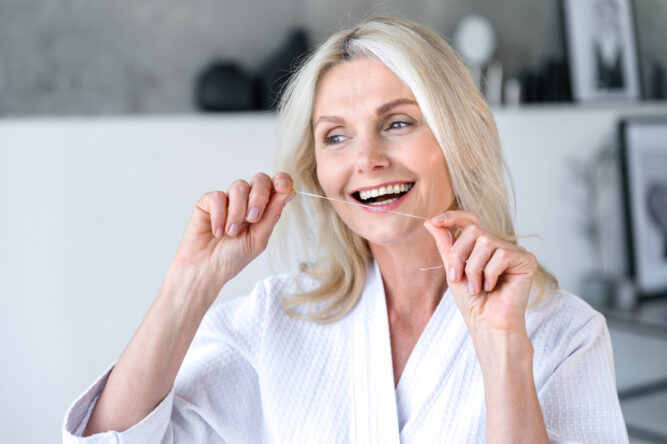
The expectation is you’ll gracefully accept ageing and stop bothering with how you look. What actually happens is you still care, you just care differently. You notice changes, sometimes grieve them, and make peace with them at varying speeds.
It’s not that vanity dies, it’s that the standards change. You stop comparing yourself to 20-year-olds and start measuring against your own past self or your peers. The mirror still matters, you’ve just adjusted what you’re looking for in it.
You’re told friendships deepen, and some do, while others completely vanish.

There’s a narrative that your 50s bring meaningful, lasting friendships as superficial connections fall away. That’s partly true, but what’s left unsaid is how many friendships just end without drama or explanation, people you thought would be permanent just drift into nothing.
The deepening happens with a few people, the ones who put in effort and show up when things are difficult. However, you also lose friends to distance, diverging lives, or just running out of things in common. It’s quieter and sadder than anyone warns you about.
You’re told you’ll embrace ageing, but you’re mostly just tolerating it.

The cultural message is you should gracefully accept getting older, find beauty in ageing, celebrate the wisdom it brings. In reality, most people are just getting used to it rather than embracing it, and some days that acceptance is harder than others.
Nobody tells you it’s fine to mourn what you’re losing while appreciating what you’ve gained. The pressure to be positive about ageing adds guilt on top of everything else, when really you’re allowed to have complicated feelings about watching your body and life change whether you’re ready or not.
You’re told you’ll know yourself better, and you do, but it’s uncomfortable.
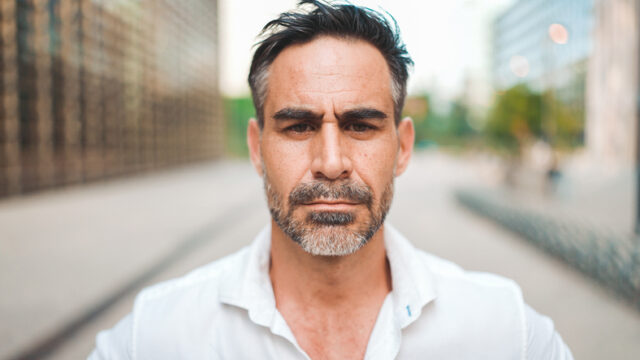
By your 50s, you’ve accumulated enough patterns to see exactly who you are, your repeated mistakes, your limitations, the ways you consistently let yourself or other people down. That self-knowledge is useful, but it’s not always pleasant.
You can’t hide behind the excuse that you’re still young and figuring things out. You know your faults, and you know which ones you’re likely never going to fix. That clarity is valuable, but it removes the comfort of thinking you’ll eventually become a completely different person.
You’re told your metabolism slows down, and it does, aggressively.

Everyone mentions metabolism changes, but the reality is more frustrating than expected. The same eating habits that maintained your weight for decades suddenly add pounds. Exercise that used to work stops working. Your body just decides it wants to be heavier and fights you on it.
This isn’t about vanity, it’s about your body responding differently to everything. What used to be automatic maintenance becomes active effort, and the unfairness of it, that you’re doing the same things but getting different results, is genuinely annoying even when you accept it’s normal.
You’re told you’ll prioritise differently, and you do, but guilt comes with it.

Your 50s bring clarity about what actually matters, and you start dropping obligations that don’t serve you. That’s freeing, but it also means disappointing people, saying no more often, and dealing with the judgement that comes from putting yourself first after decades of not doing that.
The guilt is real even when the boundaries are necessary. You know you should prioritise your own wellbeing, but actually doing it feels selfish after years of being told to accommodate everyone else. Learning to be okay with that discomfort is part of the adjustment nobody mentions.
You’re told career pressure eases, but it often intensifies.

The assumption is you’ll coast through your 50s towards retirement, but many people hit peak career responsibility right now. You’re senior enough to carry serious weight, managing people and outcomes, while also aware you’ve got limited time left to achieve whatever you hoped to achieve professionally.
There’s pressure from both directions, proving you’re still relevant in a culture that values youth, while also wondering if you’ve accomplished enough or if this is as far as you’ll get. It’s not the relaxing pre-retirement phase people describe, it’s often the most high-stakes period of your working life.
You’re told you’ll care less about physical intimacy, but it’s more complicated.

The narrative around ageing and sexuality is that desire fades, and you stop caring. For many people, that’s not accurate. Desire might change or require different conditions, but it doesn’t necessarily disappear, and dealing with the gap between expectation and reality creates its own confusion.
What changes is how your body responds, what you need to feel interested, and sometimes how you’re perceived by partners or potential partners. The cultural message that you should be done with sexuality by now adds pressure to either perform disinterest or prove you’re still desirable, both of which are exhausting.
You’re told you’ll have perspective on your past, but regret can hit harder.

With enough distance, you’re supposed to make peace with your choices and see how everything worked out. Instead, your 50s sometimes bring sharper regret about roads not taken, opportunities missed, relationships you didn’t fight for because you’re now far enough along to see the full consequences.
The perspective exists, but it doesn’t always bring peace. Sometimes it brings clarity about mistakes you made that you can’t undo, or realization about how differently things could have gone. That’s useful information, but it’s not always comfortable, and nobody warns you how much hindsight can sting.