Grandparents often have this way of going through life that feels a bit more settled, and it’s not just because they’ve got more time on their hands.

They grew up in a world that wasn’t designed to hijack their attention every three seconds, so they’ve kept hold of these small, deliberate habits that we’ve mostly dropped in favour of efficiency. Whether it’s the way they keep a physical address book or their refusal to eat a meal while staring at a screen, there’s a lot of wisdom in these old-fashioned routines. Stealing a few of these moves could help you reclaim a bit of mental space and realising that the quickest way to do something isn’t always the best for your head.
1. They maintain a consistent daily rhythm that makes life feel manageable.

Most grandparents have some sort of routine, even if they’d never call it that. Tea at the same time. A short walk after lunch. The same chair in the evening. It isn’t rigid, it’s reassuring. That predictable flow stops the day from running away with them, and it quietly lowers stress without any dramatic self-improvement plan.
In a world where every day feels slightly different and slightly rushed, consistency is powerful. You don’t wake up wondering what you’re meant to be doing. You already know the shape of the day. That alone can take the edge off anxiety and make life feel more in your control.
2. They listen without trying to fix everything.

When you talk to a good grandparent, they don’t instantly jump in with solutions. They let you finish. They let the silence sit for a second. They nod, they ask a simple follow-up, and they actually hear what you’re saying. There’s no rush to correct or compete.
Active and engaged listening makes people feel safe. It tells you your feelings aren’t silly or dramatic. In a culture obsessed with advice and hot takes, simply being heard without interruption feels rare. Copying that one habit would improve most relationships overnight.
3. They fix things instead of binning them.

A loose button gets sewn back on. A wobbly table leg gets tightened. Something that breaks is worth attempting to repair before it’s thrown out. It’s not about being tight with money, it’s about not treating everything as disposable.
That mindset quietly changes how you see the world. When you repair rather than replace, you build patience. You learn basic skills. You stop chasing upgrades as a default setting. There’s something grounding about keeping things going instead of constantly starting again.
4. They give people their full attention.

When you sit with them, they’re not half-scrolling or checking notifications. They look at you. They stay in the conversation. Even if it’s just small talk about the weather, they’re present for it. That presence makes you feel like you matter.
We’re so used to divided attention that full attention almost feels intense now. But it’s also comforting. It slows everything down. It makes conversations deeper without needing them to be dramatic or emotional. It’s just focus, and it’s rare.
5. They don’t feel the need to broadcast every feeling.

Grandparents tend to keep parts of their life private. They don’t narrate every irritation or mood swing. They process things quietly and share what needs sharing with the right person at the right time. There’s a quiet dignity in that restraint.
That doesn’t mean bottling everything up. It means understanding that not every thought needs an audience. Holding some things close protects your energy and keeps drama from spreading unnecessarily. It’s a calmer way to live.
6. They are comfortable with their own company.

They can potter about the house, read a paper, sit in the garden, or watch something simple without feeling restless. Silence isn’t threatening to them. Being alone doesn’t automatically mean being lonely.
Learning to enjoy your own company is a skill. If you can sit with yourself without needing constant noise, you become less dependent on distraction. That steadiness carries into relationships too, because you’re not clinging to people to fill a gap.
7. They make ordinary tasks feel meaningful.
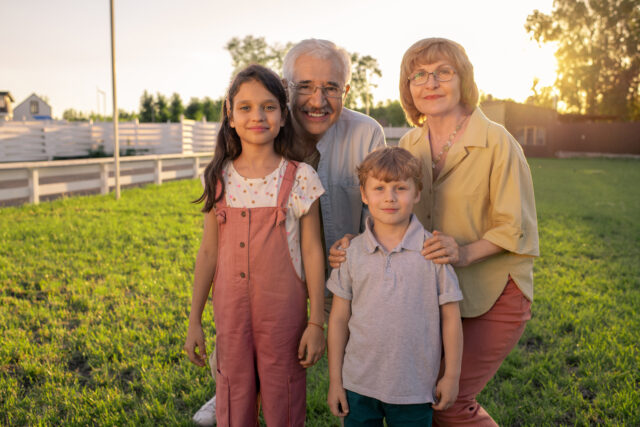
Cooking a proper meal. Folding washing neatly. Watering plants. There’s care in the way they do basic jobs. It’s not rushed or resentful. It’s just done properly, with attention.
When you treat small tasks with care, your whole environment feels better. The house runs more smoothly. You feel slightly more capable. It turns everyday life from a blur of chores into something steady and satisfying.
8. They remember the details that matter.
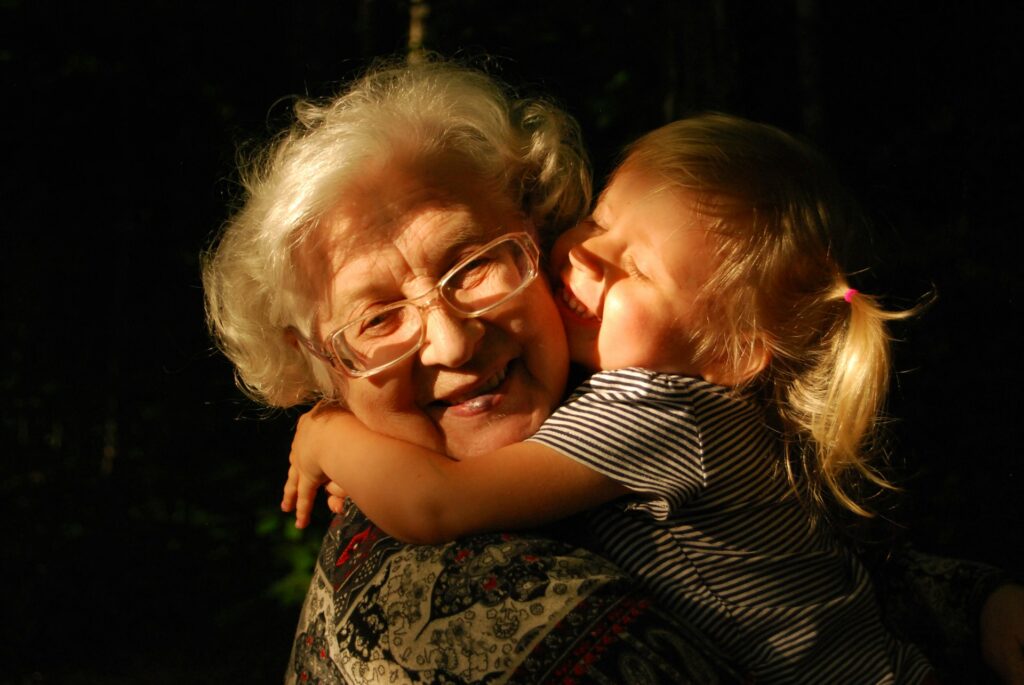
Birthdays. Anniversaries. Doctor appointments. The name of your friend from school. They hold onto those small pieces of information because people matter to them. That effort makes others feel seen.
You don’t need a perfect memory. You just need to pay attention. Remembering what’s important to someone else builds trust in a way that big gestures never quite manage. It shows consistency and care over time.
9. They don’t panic at every bit of bad news.
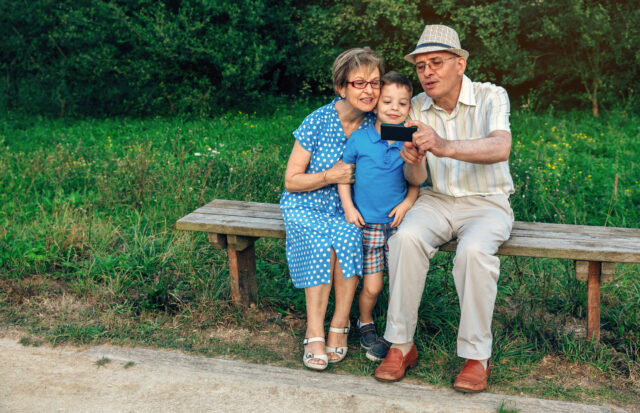
They’ve lived through enough to know that headlines come and go. Economic crashes. Political chaos. Social change. They’ve seen things feel unstable before. That longer perspective softens the immediate fear.
Instead of reacting to every dramatic update, they often pause and think it through. That steadiness spreads. It reminds everyone else that not every crisis is brand new. Calm is contagious, and they model it well.
10. They cook simple food and actually sit down to eat it.

It might not be fancy, but it’s real. A proper meal made from basic ingredients, eaten at a table rather than in front of a screen. That routine quietly supports health without being obsessive about it.
Eating together, even if it’s just two people, creates small daily connection points. It slows you down. It gives structure to the day. It turns food from fuel into something shared and grounding.
11. They keep physical memories instead of only digital ones.

Old photo albums. Letters in a drawer. A small box of keepsakes. Those objects hold history in a way a cloud backup doesn’t quite manage. You can touch them. You can pass them around.
There’s something grounding about having your memories in your hands. It makes your life feel real and continuous. Printing a few photos or saving a handwritten note adds weight to moments that might otherwise blur.
12. They let arguments cool before escalating them.

Not every disagreement needs to be settled instantly. Many grandparents have learned that time smooths sharp edges. They step back. They wait. They avoid saying something they’ll regret.
Unsurprisingly, exercising a bit of patience saves relationships. When tempers drop, perspective returns. A lot of conflict isn’t about the issue itself, it’s about timing and tone. Waiting can be wiser than winning.
13. They value neighbours and small local connections.

They know the name of the person next door. They chat to shop staff. They keep an eye out if someone hasn’t been seen for a few days. It’s not dramatic community building. It’s everyday awareness.
Those small links create a safety net. When people know each other even slightly, life feels less anonymous. You feel part of something, even if it’s just your street. That sense of belonging matters more than we admit.
14. They accept ageing instead of fighting it constantly.
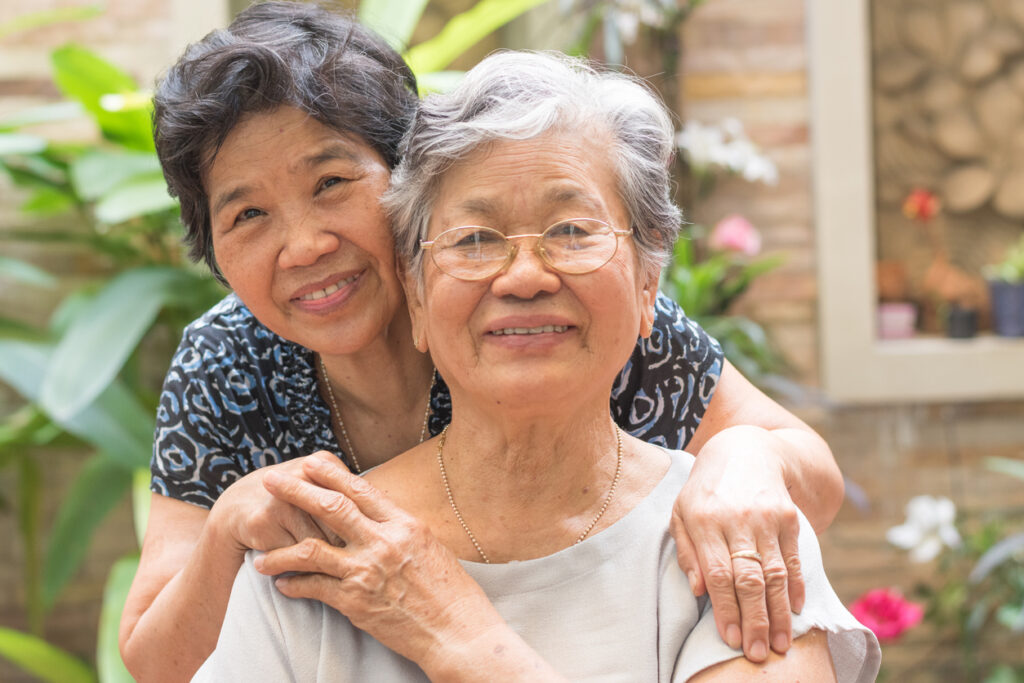
Most grandparents talk about getting older in a practical way. They adapt when their energy changes, they slow down where needed, and they don’t pretend time isn’t moving.
Total acceptance brings a kind of calm younger people often lack. Fighting reality is exhausting; adjusting to it, even when it’s inconvenient, frees up energy for what actually matters. There’s quiet wisdom in that kind of surrender.