School’s out, the weather’s warming up (well, as much as it ever does in Britain), and summer is in full swing.

However, for a lot of grandparents, it’s not as relaxing as it once was. Instead, it often means extra childcare, tighter budgets, and the silent pressure to keep everything ticking over while everyone else is trying to unwind. Whether it’s looking after the grandkids full-time or just constantly being on standby, the load gets heavier, and not everyone is talking about it. Here’s how summer starts to feel less like a break and more like a balancing act for today’s grandparents.
1. Grandparents are becoming default childcare again.

With schools closed and childcare costs sky-high, many families turn to grandparents to fill the gap. And while plenty are happy to help, it’s not always a light lift. It often means early mornings, packed days, and a full schedule that leaves very little room to rest. What was once the odd school run or sleepover becomes weeks of full-on parenting all over again, but with older joints and less energy this time around.
Even when it’s done out of love, the expectation can become overwhelming. Some grandparents feel like they can’t say no without letting someone down. Others take it on because they worry their kids can’t afford alternatives. Either way, there’s a toll, especially when their own needs get pushed to the bottom of the list.
2. Pensions don’t stretch like they used to.

Summer brings extra costs: more meals out, trips to keep the grandkids entertained, maybe even holidays. For those living on a fixed income, that can get stressful fast. A trip to the zoo, a couple of ice creams, and suddenly the weekly budget’s gone. Add in rising utility costs and fuel prices, and the season starts to feel financially draining rather than joyful.
Many grandparents don’t want their families to feel the squeeze, so they cover the extras quietly. Sadly, that can mean cutting back on things they need for themselves or going without just to keep the peace. It’s not always visible from the outside, but a lot of people are feeling the pinch more than they let on.
3. Summer holidays now mean even less rest.

For working parents, school holidays are a time to juggle. However, for grandparents, it can turn into non-stop responsibility, especially when they’re watching grandkids most days of the week. While other people are posting beach pics and weekend breaks, they’re the ones making snacks, cleaning up spills, and running after toddlers in the heat.
And unlike school terms, summer doesn’t come with structure. There are no set routines, which makes it even harder to carve out time to breathe. Even when it’s appreciated, it’s exhausting. Grandparents often keep going because they’re needed, not because they’ve got energy to spare.
4. There’s pressure to make it magical for everyone else.
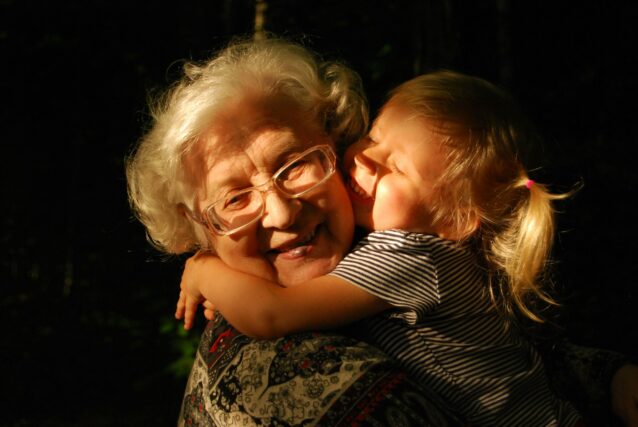
Summer gets hyped as this time for making memories and giving the kids a “proper childhood.” That pressure often lands on grandparents too, especially when parents are busy working. Whether it’s baking, crafting, or finding fun days out, the weight of being the one who creates the magic can feel like a full-time job.
Some feel guilty if they can’t live up to that image. Others worry that saying no means they’re letting the family down. However, the truth is, the expectation to always be available, always be joyful, and always be ready to give is a wearing people out. No one’s really talking about how much work goes into “making it special.”
5. Many are managing their own health while caring for other people.

Grandparents aren’t ageless. Many are dealing with chronic pain, mobility issues, or ongoing health conditions, all while still being relied on as if they’re in their 30s. Managing medications, doctor’s appointments, or just getting enough rest becomes harder when you’re spending every day keeping up with a child full of energy.
They may not complain, but that doesn’t mean they’re fine. Being needed can be rewarding, but it can also delay people from prioritising their own care. When the focus is always on someone else’s wellbeing, it’s easy to forget how much the caregiver might be struggling behind the scenes.
6. Some don’t feel like they can say no.

Even when they’re overwhelmed, many grandparents find it hard to set boundaries. Saying no might feel like letting down their adult children, or worse, missing out on time with their grandkids. However, constantly saying yes can lead to burnout, especially when the help expected stretches across six weeks or more.
There’s also the fear of seeming selfish or ungrateful. Grandparents often feel they “should” want to do more, even when they’re physically or emotionally at their limit. That inner conflict adds to the mental load, and it’s not something that gets talked about much, but it’s real, and it’s draining.
7. Technology gaps can leave them feeling left behind.

From digital train tickets to WhatsApp groups organising plans, summer often requires tech know-how just to keep up. For some grandparents, this adds another layer of stress, especially if they’re expected to manage travel, bookings, or last-minute changes on the fly using apps they’re not fully comfortable with.
It’s a small thing, but it can leave people feeling flustered or out of sync with the rest of the family. And when they’re already carrying the weight of childcare or expenses, adding tech confusion to the mix doesn’t help. It’s a reminder that even everyday tasks now come with a learning curve they’re expected to quietly master.
8. Summer highlights what’s changed since their own childhoods.

For many grandparents, summer feels very different from the one they grew up with: less spontaneous, more expensive, and far more scheduled. There’s nostalgia for simpler days when holidays meant muddy fields, playing out until dark, or heading to the coast with a packed lunch and nothing fancy. Now, everything feels more commercial and pressured.
This change isn’t always easy to name, but it adds to the sense that they’re navigating a season that no longer moves at their pace. Between the cost of keeping up and the energy it takes to do it all, summer can start to feel like something they’re surviving, rather than enjoying. Sometimes, that feeling sits just beneath the surface, unspoken, but heavy.
9. Grandparent roles are changing, but expectations haven’t.

In a lot of families, the role of the grandparent looks very different now than it did a generation ago. Many are still working part-time, caring for their own ageing parents, or juggling other responsibilities outside the home. However, despite how much life has changed, the assumption that grandparents are always available still lingers, especially during summer holidays.
This mismatch can create tension between what they’re actually able to give and what other people silently expect. It’s not about unwillingness. It’s about capacity. And when that goes unacknowledged, grandparents can feel stretched thin in ways no one else sees. They keep smiling through it, but underneath, they’re running on empty.
10. No one really checks in on how they’re coping.

Because grandparents are often seen as strong, capable, and endlessly generous, people don’t always stop to ask how they’re doing. Everyone’s grateful, of course, but gratitude isn’t the same as support. Being the reliable one doesn’t mean they’re fine. It just means they’re used to putting their own struggles aside.
Summer is sold as a season of joy, but for some grandparents, it’s a time when they feel invisible. They’re relied on constantly, but rarely given space to rest, vent, or just be seen. A simple “How are you managing?” could go a long way. However, when that question never comes, they carry the load alone, and that weight adds up.