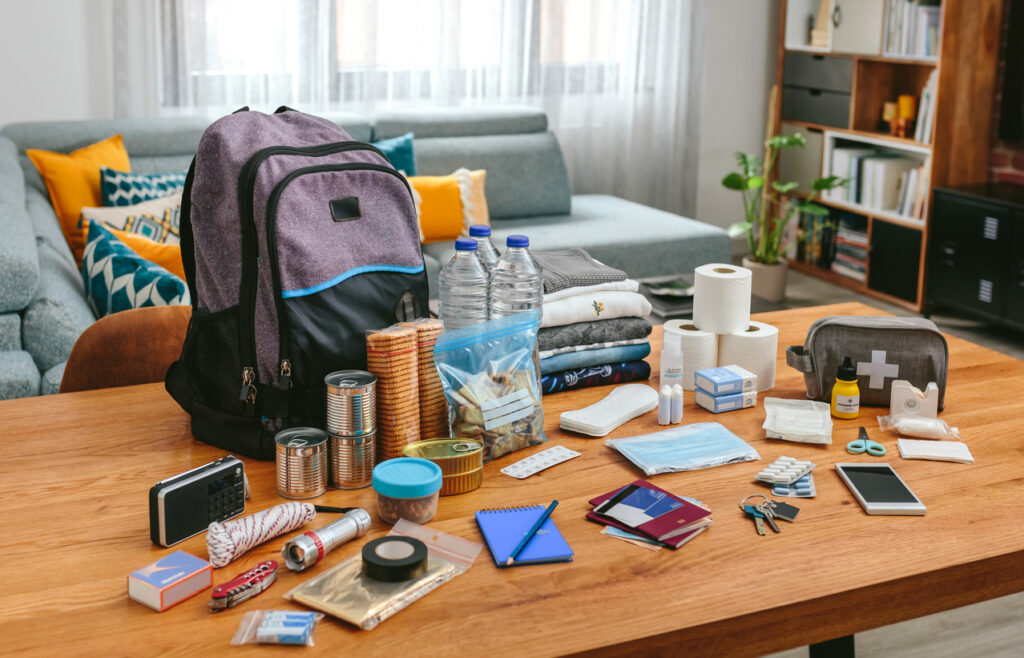
Most people assume emergencies happen to other people until the power goes out for three days or flooding cuts off your road, and then you’re stuck wishing you’d prepared better. Building a proper emergency kit doesn’t mean you’re becoming some kind of doomsday prepper (though at this point, who could blame you?). Really, it’s about having basic supplies ready for the kind of disruptions that actually happen in the UK, like severe weather, power cuts, or water supply issues.
1. Water storage for at least three days
You need about four litres per person per day for drinking, cooking, and basic hygiene, which adds up faster than you’d expect. Tap water might get cut off during flooding or contaminated during infrastructure problems, and buying bottled water during an emergency is expensive and often impossible.
Store water in clean containers away from direct sunlight, and rotate your supply every six months to keep it fresh. Fill up spare containers when severe weather warnings are issued because water pressure often drops when everyone starts filling their baths at once.
2. Non-perishable food that doesn’t need cooking
Stock tinned foods, dried fruits, nuts, crackers, and other shelf-stable items that you can eat without power or gas. Focus on foods your family actually likes rather than survival rations that taste like cardboard because stress makes people pickier about food, not less fussy.
Keep a manual tin opener with your emergency supplies and check expiry dates regularly. Rotate through your emergency food by using and replacing items so nothing goes off before you need it.
3. Battery-powered or wind-up radio
When mobile networks get overwhelmed or power cuts knock out internet, radio becomes your main source of information about what’s happening and when services might be restored. Local radio stations often have the most useful updates during regional emergencies.
Get a radio that works on multiple power sources, such as batteries, mains power, and hand crank, so you’re covered even if one method fails. Test it regularly and keep spare batteries nearby.
4. Torch and plenty of spare batteries
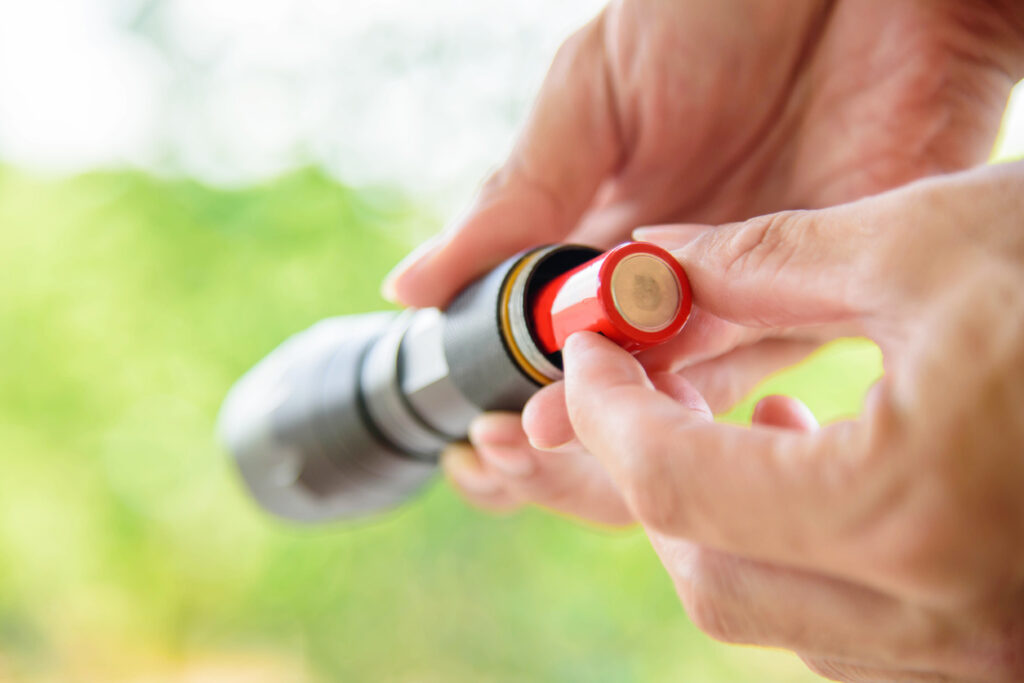
Candles are dangerous during emergencies and don’t provide enough light for practical tasks like reading medication labels or checking for damage. LED torches last longer and are safer than traditional bulbs, especially around children and pets.
Keep torches in easily accessible places rather than buried in cupboards, and teach everyone in your household where to find them. Head torches are particularly useful because they keep your hands free for other tasks.
5. First aid kit with basic medications
Include plasters, bandages, antiseptic, pain relievers, and any prescription medications your family needs regularly. During emergencies, chemists might be closed and NHS services overwhelmed, so having basic medical supplies can prevent minor issues from becoming major problems.
Check your first aid kit every few months and replace expired medications. Include a basic first aid manual if you’re not confident about treating injuries, and make sure everyone knows where the kit is stored.
6. Cash in small denominations
Card payment systems often fail during power cuts, and cash machines might be out of order or empty during emergencies. Having actual money means you can still buy supplies from shops that manage to stay open, or pay for services like taxis or emergency repairs.
Keep a mix of notes and coins rather than just large denominations because shops might not be able to make change during disruptions. Store cash securely but separately from your everyday wallet or purse.
7. Essential documents in waterproof storage
Keep copies of important documents like insurance policies, identification, bank details, and medical information in a waterproof container or bag. Original documents can get damaged during floods or fires, leaving you unable to prove identity or make insurance claims.
Include recent photos of your family and pets in case you get separated, and consider storing digital copies on a USB drive as backup. Make sure someone outside your immediate area has copies of your most important documents.
8. Mobile phone power banks and charging cables
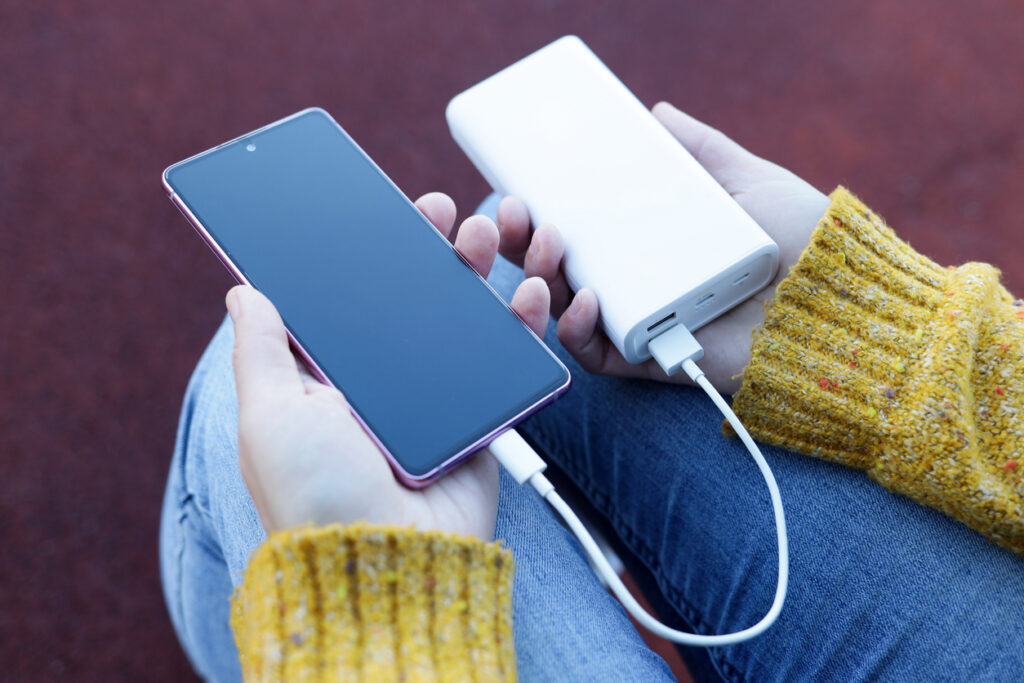
Your phone becomes crucial during emergencies for communication and information, but battery life becomes critical when you can’t charge it normally. Power banks can keep your devices running for several days if you use them carefully.
Keep power banks charged and replace them when they stop holding charge effectively. Consider getting a solar charger as backup, though they’re slow and weather-dependent in the UK’s climate.
9. Warm clothing and blankets
Power cuts often mean no heating, and British weather can turn cold quickly even during summer. Having extra jumpers, thermal underwear, and sleeping bags means you can stay warm without relying on electricity or gas heating.
Choose clothing made from wool or synthetic materials that keep you warm even when damp because cotton becomes useless when wet. Space blankets are compact and reflect body heat, making them useful additions to traditional blankets.
10. Basic tools and supplies for minor repairs
Include a basic toolkit with screwdrivers, hammer, adjustable spanner, duct tape, plastic sheeting, and rope or paracord. Many emergency situations involve minor damage that you can temporarily fix yourself while waiting for professional help.
Add items specific to your home’s vulnerabilities: sandbags if you’re in a flood-prone area, or extra torch batteries if you frequently lose power. Think about what problems you’ve faced before and what tools would have helped you cope better.