Beard transplants have evolved from niche fixes into a booming global business in recent years.
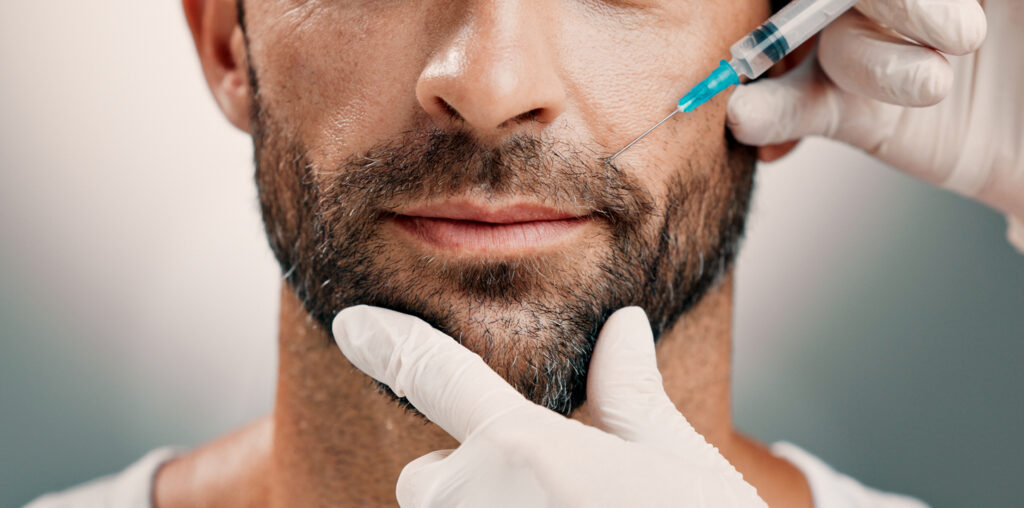
It sounds weird, but it’s true. As one business owner who offers the service told The Guardian, interest has more than tripled since 2020. As demand climbs, especially among men chasing confidence or identity, it’s vital to know just how risky the glamour can be in terms of health, results, and even mental well-being. While it may be a good idea for some, being fully informed before taking the leap is vital.
1. The market is growing fast, and not always safely.
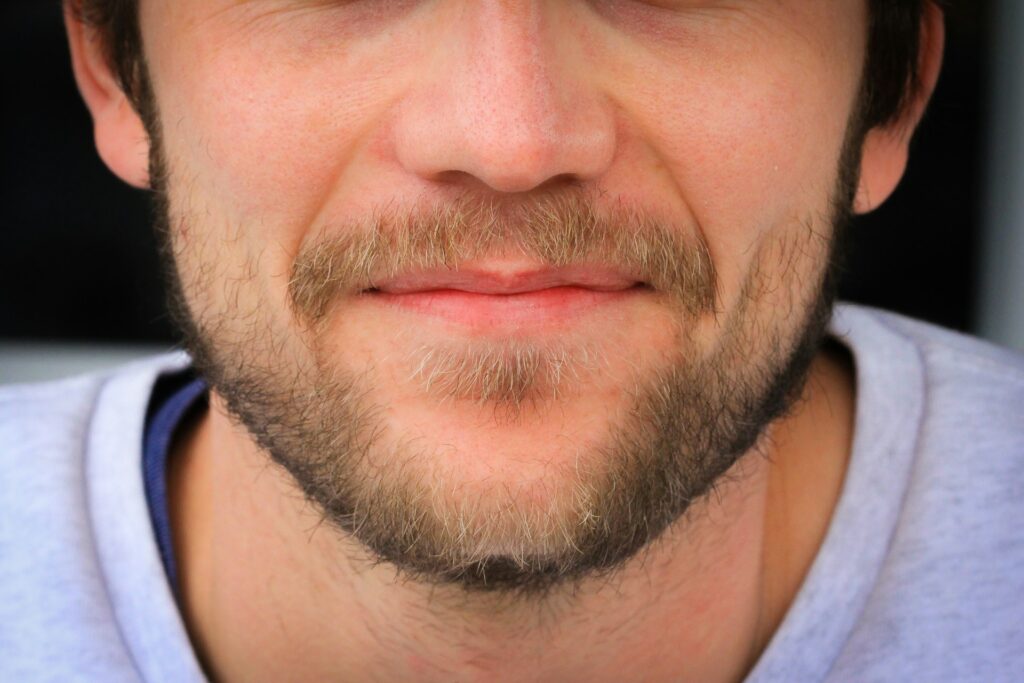
Demand for beard transplants has surged, with some clinics seeing inquiries triple in just a few years. Celebrity influence and social media trends are fuelling the boom, and the global market is now worth well over a billion pounds. But rapid growth doesn’t always mean better safety standards, and in some parts of the world, regulation simply hasn’t kept up.
Medical tourism has also exploded, with cheaper overseas packages attracting men from the UK and beyond. The problem is, not every clinic follows the same level of care, and bargain deals can carry serious risks.
2. The risks go beyond red marks.
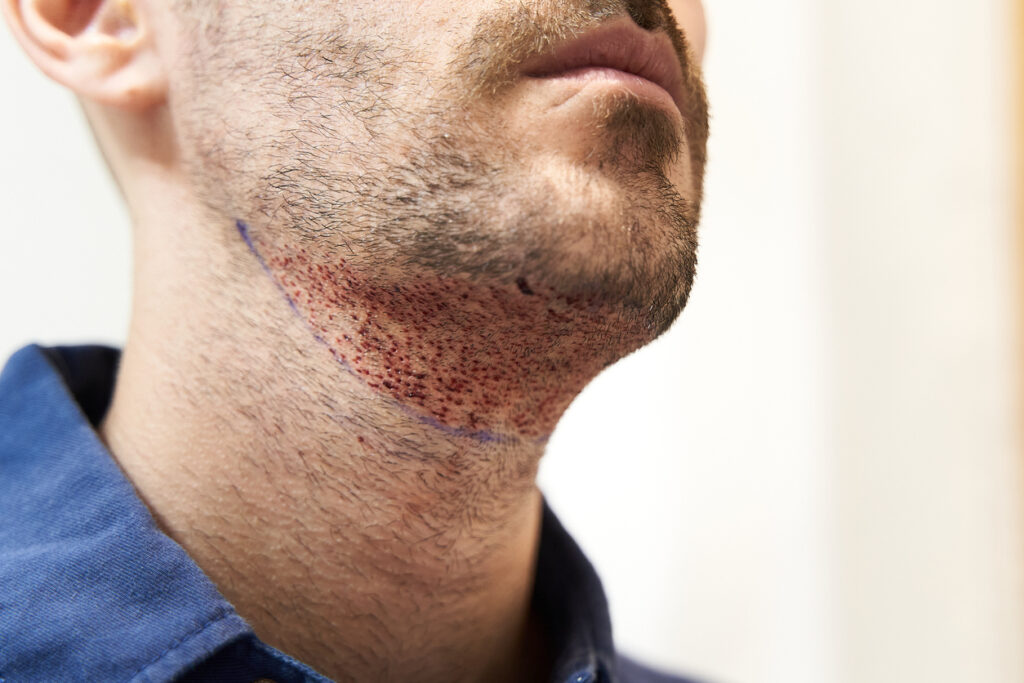
Even in professional clinics, beard transplants carry risks like infection, scarring, patchy regrowth, nerve damage, and poor graft survival. The reality is that this isn’t just a quick cosmetic tweak. It’s surgery, and complications can happen. When things go wrong, the damage can be more than physical. For some, a poor result can cause lasting emotional distress and a loss of confidence that’s difficult to recover from.
3. Technical challenges make it higher-stakes.
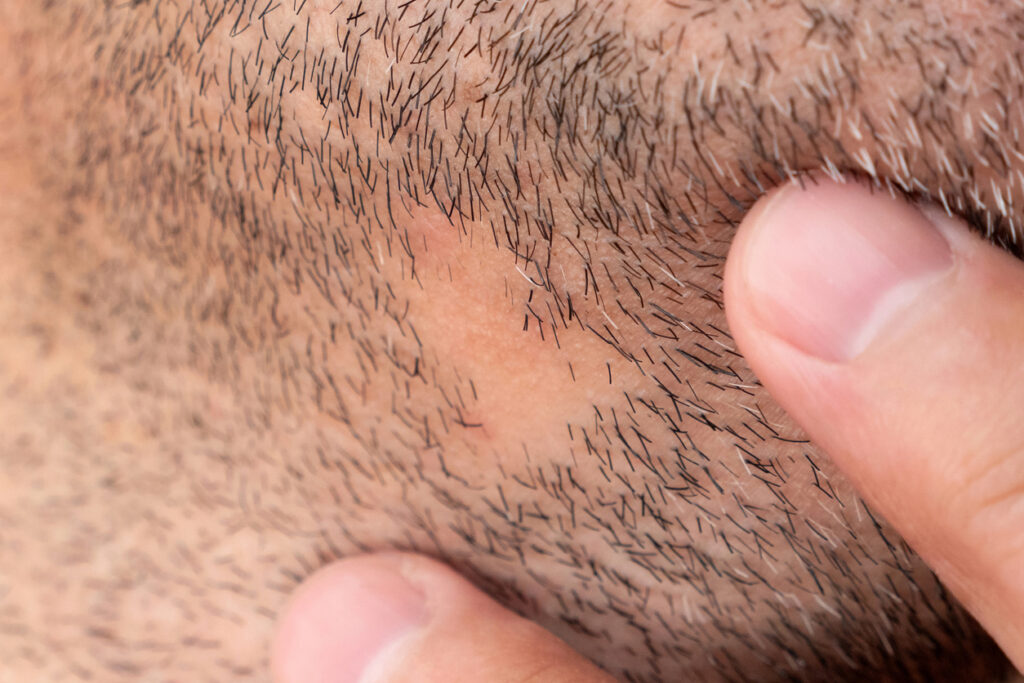
Facial grafts are trickier than scalp work. The direction, density, and placement of each hair matters for a natural look, and even small mistakes can leave a beard looking uneven or unnatural. Unlike a hairline, there’s no easy way to hide it. Graft survival rates can also vary, especially if aftercare isn’t followed to the letter. This means even a well-performed surgery can fall short if recovery is rushed or neglected.
4. Regulation is patchy at best.
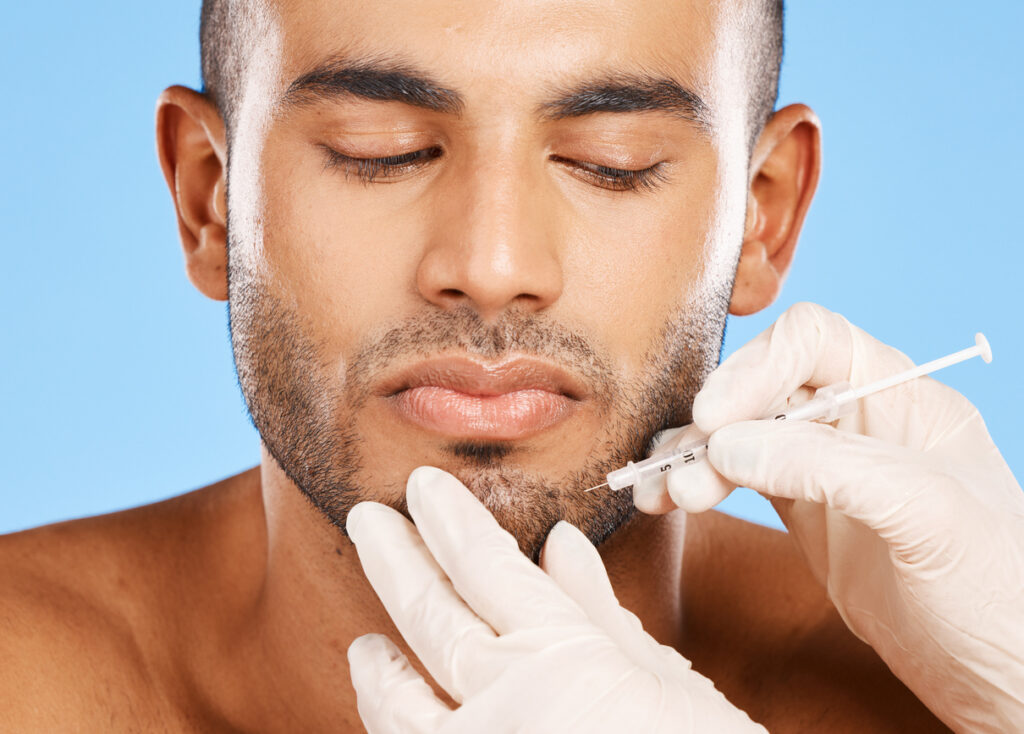
While some countries have clear standards, others have little oversight, making it easier for underqualified practitioners to operate. In the UK, clinics need to register with official bodies, but there’s no set training route or qualification for beard transplants specifically. The lack of uniform rules means the quality of care can differ widely. In the wrong hands, the risk of permanent damage increases dramatically.
5. Trans procedures add urgency and complexity.
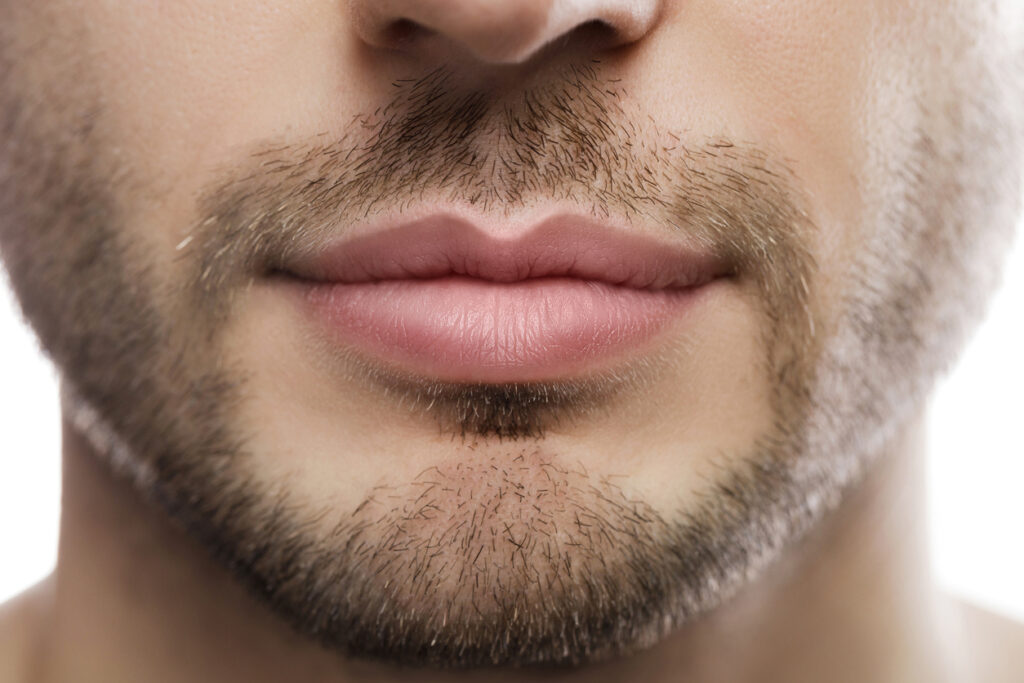
Beard transplants are often an important part of gender-affirming care for trans men. For many, it’s not just about appearance, but about feeling aligned with their identity in everyday life. That emotional significance makes it all the more important to get the procedure right. When mistakes happen, the impact can be especially damaging, both physically and mentally.
6. Recovery isn’t just post-op—it’s mentally demanding.
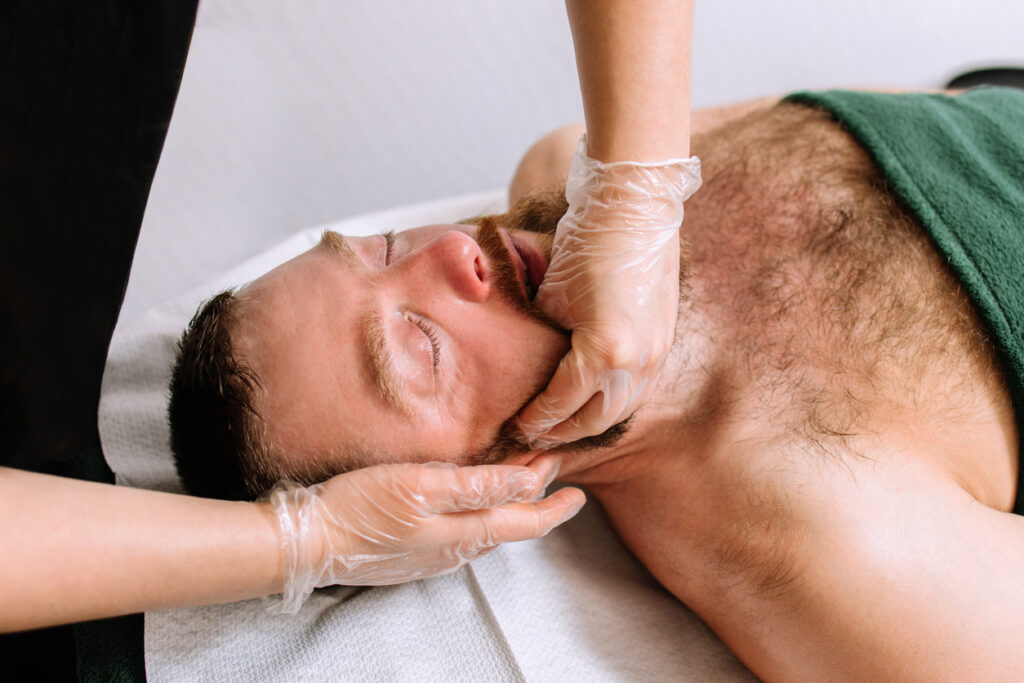
The recovery process involves visible swelling, redness, and scabbing for up to two weeks, with shedding and patchiness lasting for months. It can be an emotionally draining process to watch your results take shape slowly over time. Without good aftercare and patience, the healing process can stretch out or lead to disappointing results. It’s a commitment that goes well beyond the surgery itself.
7. Price tags can tempt, but they cover only part of the cost.
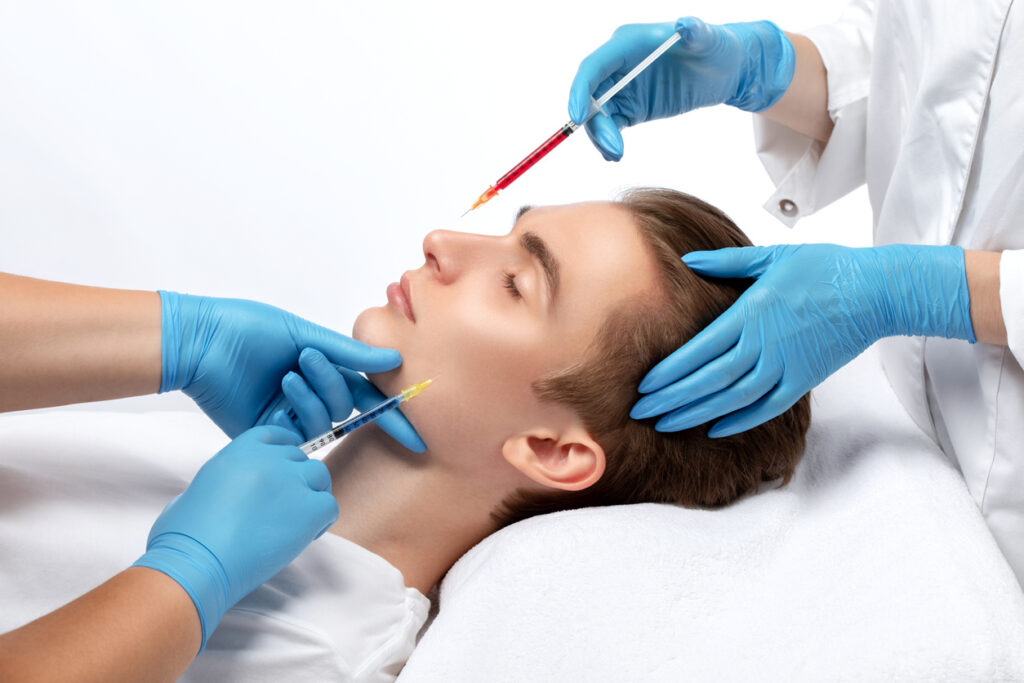
Overseas clinics can offer lower prices than UK providers, but what you save up front might cost more later if complications arise. Follow-up corrections, medical treatment, or even reversal procedures can easily outweigh the initial savings. Cut-price offers often mean compromises in technique, hygiene, or aftercare, and those are exactly the areas that make the biggest difference to safety and results.
8. Success depends on experience, not keywords.
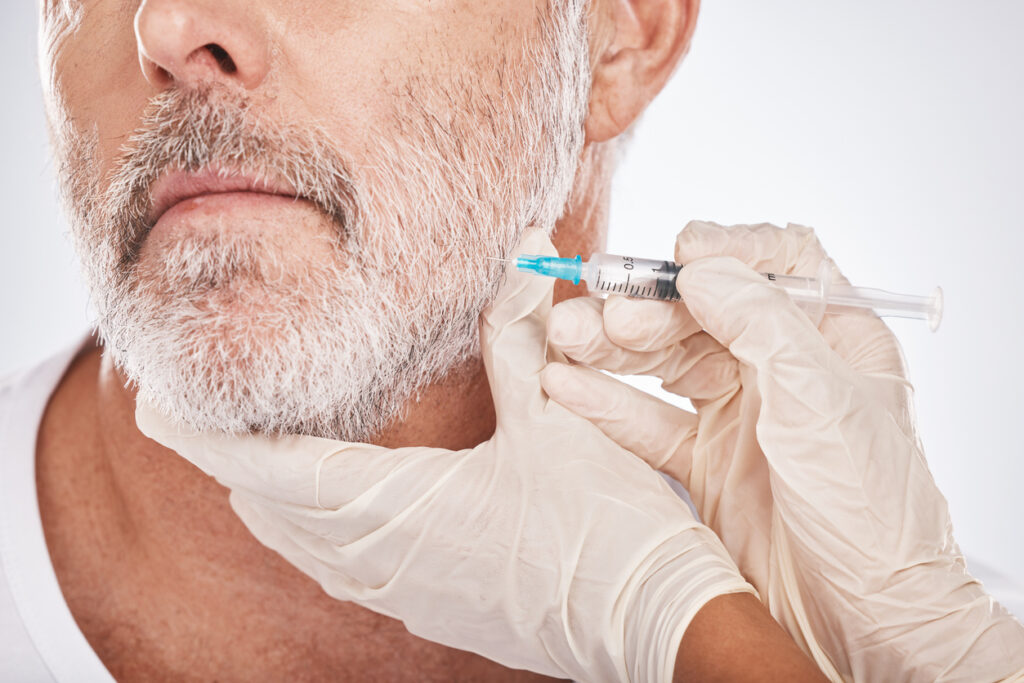
The skill of the surgeon is what makes or breaks the outcome. True expertise in facial hair transplants requires years of experience and a deep understanding of facial anatomy and hair growth patterns. Shiny marketing or persuasive sales staff can’t replace proven skill. Checking credentials, experience, and real before-and-after results is essential before making any decision.
9. Non-surgical options may be safer.
Before committing to surgery, some people try options like topical treatments or non-invasive therapies to stimulate hair growth. While they may not deliver the same dramatic transformation, they can still improve density and reduce the need for surgery. These approaches also give you more time to decide if a transplant is the right path, and may even make a later surgery more successful.
10. This isn’t just vanity. In fact, it’s identity for many.
For some, a beard is a personal style choice. For others, it’s about confidence, cultural connection, or affirming gender identity. Whatever the reason, the emotional weight is real, and so are the risks of getting it wrong. That’s why thorough research, realistic expectations, and careful choice of clinic are essential before taking the leap. In the right hands, the results can be life-changing. In the wrong ones, they can be devastating.