It sounds like the start of a Netflix thriller, but there really was an island off the coast of Finland where men simply weren’t allowed.

Known as SuperShe Island, it was marketed as a luxury wellness retreat exclusively for women and opened back in 2018, complete with saunas, nature trails, and zero male presence. But it wasn’t just about yoga and smoothies. The island stirred up strong reactions from both admirers and critics, raising bigger questions about space, gender, and what empowerment really means. Here’s the real story behind the men-free island, and why it existed in the first place.
1. It was created by a former tech CEO.

SuperShe Island was the brainchild of Kristina Roth, a successful entrepreneur who built her wealth through a consulting firm before selling it and shifting focus to wellness. She wanted to build a place where women could focus on themselves, without men around to interrupt, impress, or influence the atmosphere.
Her idea was that modern women rarely get a space to just be, without being observed, objectified, or pulled into caretaker mode. She pictured an island where women could reconnect with themselves and each other in peace, with no social performance required.
2. The island was in the Baltic Sea off Finland.
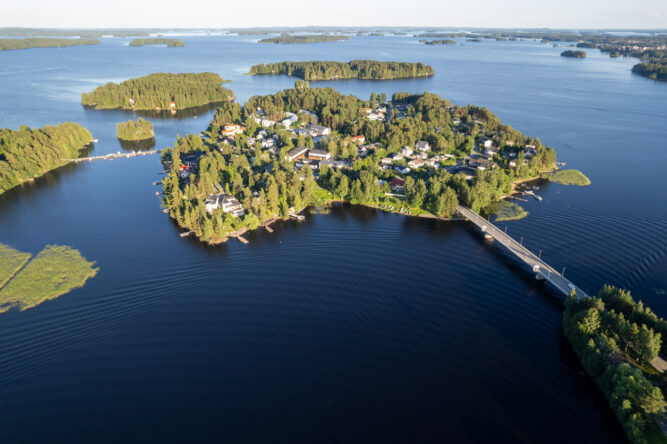
Roth bought a small private island in the Raseborg region of southern Finland. It was called Fjärdskär, and it covered about 8.4 acres—remote, forested, and surrounded by cold blue waters. The whole thing had a rustic-chic vibe, with Scandinavian cabins, wooden decks, and a heavy focus on nature and solitude.
Its location wasn’t just scenic, but it also helped keep things truly cut off from everyday life. Getting there required effort, which fed into the island’s sense of intentional escape. You weren’t just signing up for a retreat; you were stepping out of regular life entirely.
3. It only hosted eight women at a time.
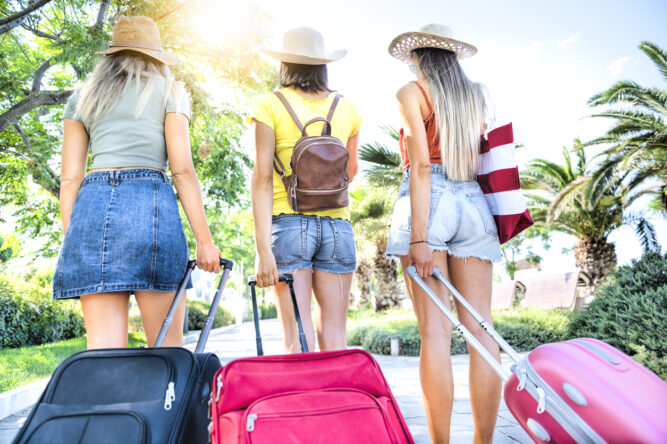
SuperShe Island wasn’t open to the masses. You had to apply, be approved, and then pay thousands for a spot. Once accepted, guests joined a small group of women for a week of wellness activities like meditation, hiking, paddleboarding, and spa treatments, all without phones, stress, or outside distractions.
The limited guest list was part of the appeal. It created an intimate, tight-knit experience that was more about personal transformation than big-group bonding. However, it also led to criticism that the whole thing felt more like an elite club than an inclusive space for all women.
4. No men were allowed, not even for visits.

One of the island’s strictest rules was that men couldn’t visit, work, or stay there, not even as staff. That included boat operators, chefs, or instructors. Roth was clear: this was about creating a space that felt completely free from male energy or gaze. She argued that women act differently when men are around, whether they realise it or not. Without them, the idea was that women could feel more relaxed, more real, and more focused on themselves, not how they were being perceived.
5. It wasn’t just a spa retreat—it had a deeper message.
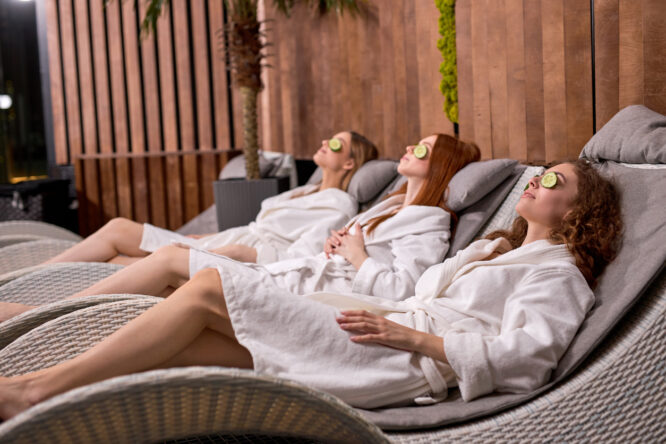
Roth framed the island as more than just a fancy getaway. She saw it as a space for growth, creativity, healing, and connection. She wanted women to build networks, rediscover their confidence, and leave feeling recharged in every sense of the word.
It was part of a broader vision called the SuperShe community, a global network of women focused on self-improvement, entrepreneurship, and empowerment. The island was meant to be its flagship physical space. Think of it like a retreat and a lifestyle brand rolled into one.
6. It sparked a mix of admiration and backlash.
When the media caught wind of SuperShe Island, opinions were split. Some praised it as a bold move for female empowerment and safe space creation. Others criticised it as elitist, out of touch, or even misandrist for excluding men entirely.
The steep price tag, which was around €4,000 (around £3,500) to €4,600 (around £4,000) per week, didn’t help. It made the island feel like a retreat for the already privileged, rather than something accessible to everyday women who might also want a break from social pressure or burnout.
7. Critics also questioned how inclusive it really was.

Beyond the money, some questioned whether the island was inclusive across race, body type, sexuality, or ability. It was marketed with sleek, stylish visuals that often looked very “Instagram-friendly,” which didn’t sit right with everyone. The idea of a women-only paradise was appealing, but the execution felt narrow to many. For a retreat that was meant to be about freedom and authenticity, some people felt it still leaned too much into a specific type of aspirational womanhood.
8. It was sold in 2023 and is no longer women-only.
By the end of 2023, Roth sold the island to a male Finnish buyer, ending its time as an official women-only retreat. While the SuperShe community still exists online, the island itself no longer operates under the same rules or concept. For some, it felt like the end of an experiment, one that had sparked plenty of conversation, but maybe wasn’t built to last. For others, it was a reminder of how hard it is to balance exclusivity, empowerment, and access all at once. Now, it’s available to rent via Airbnb to anyone.
9. It raised questions about what empowerment really looks like.
Is empowerment about escape, or about changing the spaces you’re already in? SuperShe Island was a bold attempt to create a female-only sanctuary, but it also highlighted the fine line between protection and privilege. It forced people to think about who gets access to rest, to space, to luxury, and what happens when empowerment starts to look a bit too much like a gated community. The questions it raised may have outlived the retreat itself.
10. Still, it showed the hunger for women-only spaces.
Whatever your opinion of the island, one thing was clear: it hit a nerve. There’s real demand for spaces where women feel safe, relaxed, and free from performative pressure. Whether it’s in nature, online, or just in a friend’s flat, women want room to breathe. SuperShe Island might have faded, but the need it pointed to hasn’t. The idea of taking space, on your own terms, still matters. It just might look a little different for everyone.