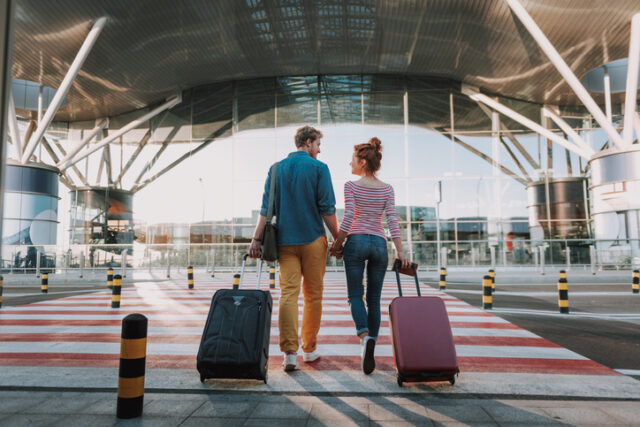
Family holidays are meant to be fun, but some common tourist traps end up draining wallets further and leaving everyone disappointed.

They want to have a good time—that’s sort of the whole point of a holiday, after all—but they end up doing certain things while on their travels that cost them lots of money but don’t actually add anything to the experience. These are the classic mistakes families without much money often fall for, and some simple ways to sidestep them next time.
1. Paying for overpriced souvenir photos

Theme parks, aquariums, and museums often push staged photos at eye-watering prices. Families buy them thinking they’re a one-off keepsake, but later realise they could’ve snapped a better picture themselves for free.
Bring your own camera or phone and capture natural moments instead. You’ll save money and the memories will feel more genuine than posed shots you were pressured into buying.
2. Eating at the first restaurant you see

Tourist areas often hike up food prices while serving low-quality meals. Families tired from sightseeing end up paying over the odds just because it’s convenient. The experience rarely matches the cost.
Check reviews before you go, or walk a few streets away from the main attractions. Smaller, local spots often serve better food at fairer prices, making the meal part of the holiday rather than a regret.
3. Booking package excursions on the spot

Street sellers and hotel reps push tours at inflated rates, preying on families who want quick solutions. It feels easy in the moment, but you usually pay more for a crowded, underwhelming experience.
Do a little research online before booking. Independent companies often offer better deals, and sometimes exploring on your own gives you more freedom and fun without the extra cost.
4. Buying souvenirs in tourist shops
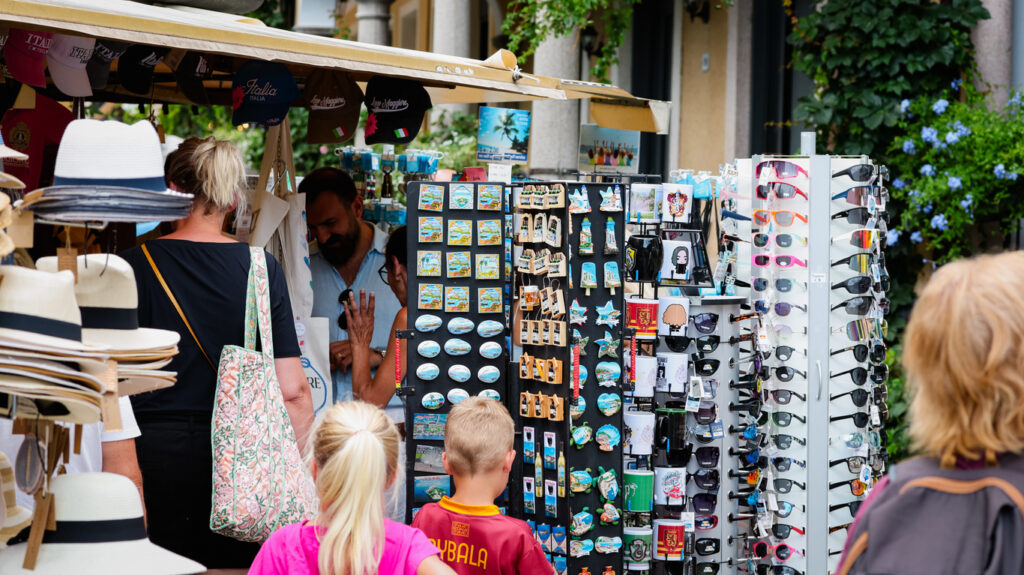
Gift shops near attractions charge steep prices for mass-produced items. Families often load up thinking they’re buying something special, only to find the same trinkets cheaper in town or even back home.
Pick one or two meaningful souvenirs instead of filling bags with generic ones. Shopping at local markets gives you more unique items and supports small businesses rather than tourist chains.
5. Paying for unnecessary upgrades

Hotels and airlines often tempt families with offers of “premium” experiences that don’t add much value. Whether it’s a room with a “partial view” or boarding a few minutes earlier, the money rarely feels well spent.
Ask yourself if the upgrade will genuinely improve the trip. If not, stick to the basics. Saving that money for experiences or meals gives the family far more enjoyment than a minor perk you’ll forget quickly.
6. Falling for attraction bundles

Many destinations sell ticket bundles that sound like a bargain, but in reality families don’t have the time or energy to use them fully. You end up paying more than you would’ve by choosing carefully.
Plan realistically before buying. Pick the attractions that actually interest your family and ignore the rest. Quality beats quantity, and it stops you wasting money on places nobody cared to visit anyway.
7. Taking taxis everywhere
Relying solely on taxis feels convenient, but costs rack up quickly. Drivers near tourist hubs sometimes overcharge, and families often don’t realise how much they’re spending until the end of the trip.
Check out public transport or ride-sharing apps before you travel. Buses, trams, and trains are cheaper, often quicker, and give you a better feel for the local area. Saving on transport frees up money for better experiences.
8. Getting drawn into “cultural shows” designed for tourists

Many destinations put on watered-down performances marketed as authentic culture. Families pay high prices for what’s essentially staged entertainment, leaving with little more than a light wallet and vague memories.
Look for community events or smaller venues that locals actually attend. They’re often cheaper and give you a more genuine taste of the place, while still creating memorable moments to share as a family.
9. Believing “kids eat free” is always a deal

Restaurants advertise family deals that look like savings, but often the adult meals are priced higher to cover the cost. Families think they’re winning, only to realise the bill adds up the same—or more.
Check the menu prices first. Sometimes it’s better value to eat at regular spots with reasonable portions than fall for deals designed to trick you into spending extra.
10. Paying for unnecessary add-ons at attractions
Many tourist sites offer things like “fast-track entry” or “exclusive access” for a steep fee. Families worried about queues often pay up, only to find the difference was barely noticeable.
Arrive early in the day or book timed entry tickets online instead. Planning ahead saves you the hassle and the extra expense, while still giving you a smooth experience.
11. Shopping in airport duty-free thinking it’s cheaper
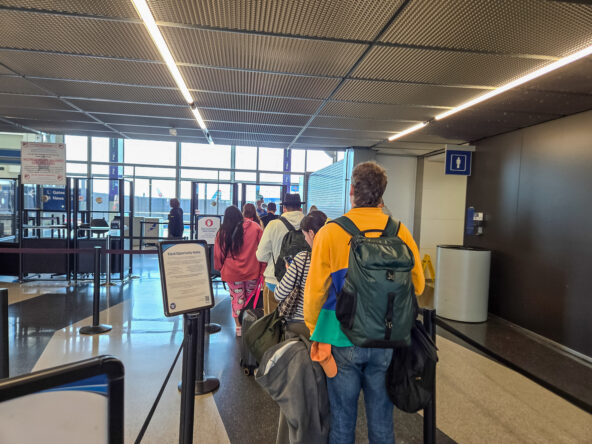
Duty-free often looks like a bargain, but in reality many items cost the same or even more than regular shops. Families waste money buying snacks, drinks, or gifts believing they’re saving.
Do a quick price check before buying. Often, supermarkets or high street shops back home are cheaper. Save your money for actual experiences instead of inflated “airport bargains.”
12. Falling for “photo opportunity” stops

Some attractions funnel families into areas where you’re expected to pay for pictures with costumed characters or animals. These add little to the trip but drain your budget fast if you say yes every time.
Set expectations with the kids before you go. Let them know which extras you’re happy to pay for and which ones you’re not. That way, you avoid guilt spending in the moment.
13. Ignoring local supermarkets

Families often eat out for every meal on holiday, which adds up quickly. Skipping local supermarkets means missing cheaper, fresh options that could stretch the budget further without losing enjoyment.
Stock up on basics like snacks, fruit, or picnic items. Mixing in supermarket meals with eating out saves a surprising amount and gives you more money to spend on actual experiences.