There are certain UK cities that always seem to be the punchline in conversations.
They’re the ones that pop up on lists of “worst places to live” or get slagged off on social media by people who’ve clearly never been. However, for every tired joke or snobby opinion, there’s usually a more balanced reality underneath it. Some of these cities aren’t perfect because nowhere is, especially not these days, but they’ve got decent food, lovely parks, good people, and a lot more going for them than they’re given credit for. For all the mocking they’re subjected to, they’re actually kind of alright in their own way.
1. Hull
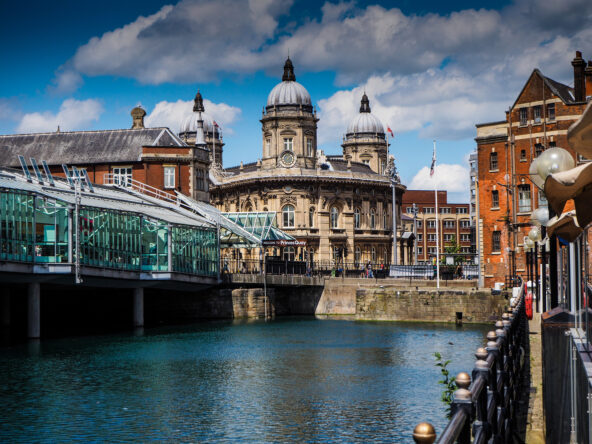
Hull’s been the butt of jokes for decades, usually from people who’ve never left the train station. It gets called grey, forgotten, and boring, but anyone who’s actually spent time there knows it’s got grit, history, and heart. The people are warm, the pubs are decent, and the waterfront’s genuinely lovely.
The city’s been through a lot economically, but it’s also been regenerating in quiet but real ways. The museums are free, the old town is packed with charm, and it was literally UK City of Culture in 2017. It’s not a joke city. It’s just underrated.
2. Coventry
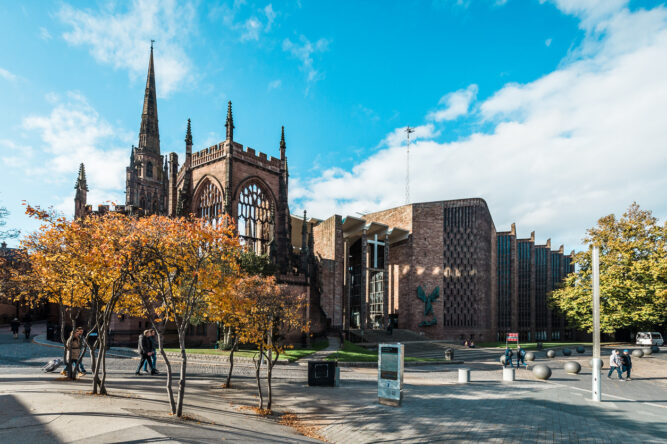
People love to hate on Coventry for being “ugly” or “concrete central,” but it’s also one of the most historically significant cities in the country. The Cathedral ruins alone are enough to give it depth most cities could only dream of. There’s something strangely beautiful about it once you look past the surface.
It’s also a proper working city, not some twee Instagram version of Britain. There’s industry, students, art scenes, and a rich mix of cultures. It might not be flashy, but it’s got substance, and if you know where to go, a seriously good curry.
3. Wolverhampton
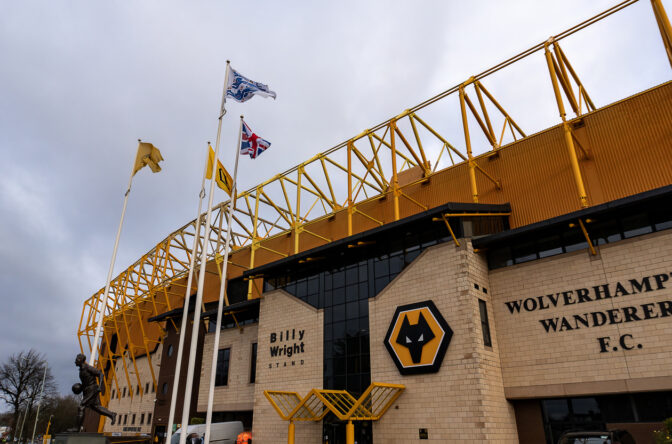
Wolverhampton gets roasted regularly, often lumped into tired Midlands stereotypes. However, spend even a day there, and you’ll see it’s not this cultural wasteland people make it out to be. The people are no-nonsense and funny as hell, and there’s more going on than it gets credit for. It’s got a decent live music scene, historic architecture if you look for it, and real community pride. It might not be a tourist hotspot, but it doesn’t pretend to be. That lack of pretension is half its charm.
4. Luton
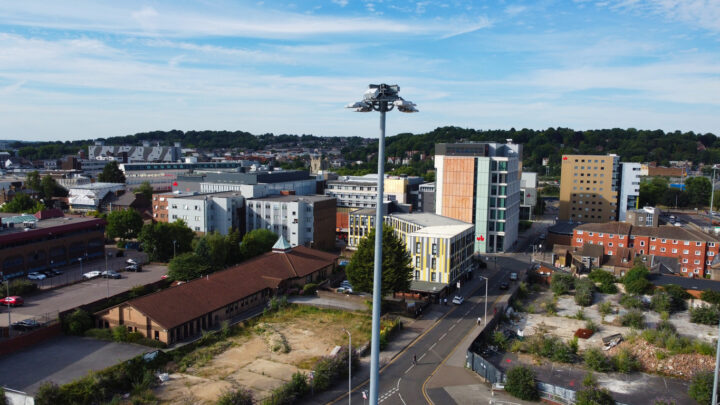
Luton’s reputation has been dragged through the mud for years, mostly by people who’ve only passed through the airport. However, the city itself has got soul, diversity, and food that’s absolutely amazing. It’s not trying to be pretty, and maybe that’s the point. There’s community resilience here, real cultural depth, and a younger generation trying to do things differently. It’s not perfect, but it’s not the disaster people make it out to be, either.
5. Bradford
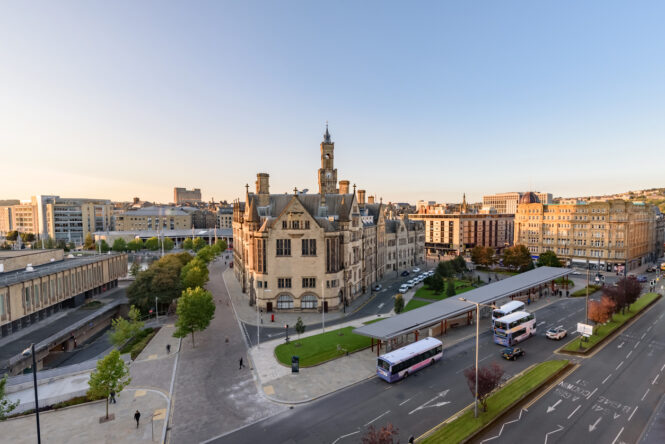
Bradford’s usually somewhere near the top of those “worst places” lists, which says more about the people writing those lists than it does about the city itself. Yes, it has its struggles, but it’s also got serious culture, one of the best curries you’ll ever eat, and architecture that rivals any northern city.
It’s diverse, dynamic, and has a long history of activism and community organising. Plus, the countryside starts right at its edge; within 10 minutes you can be in the kind of rolling green hills that make you forget you’re technically still in a city.
6. Sunderland
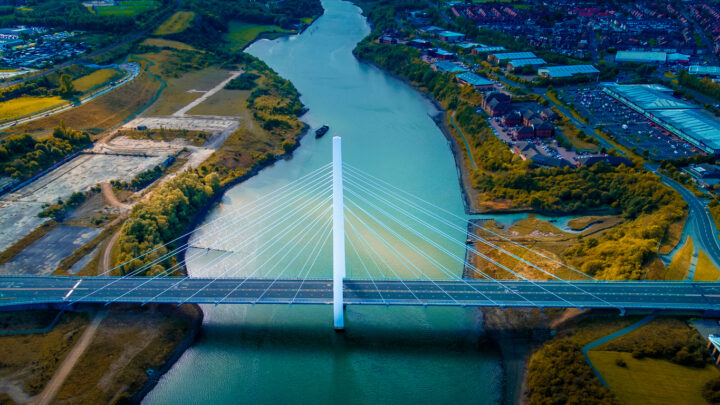
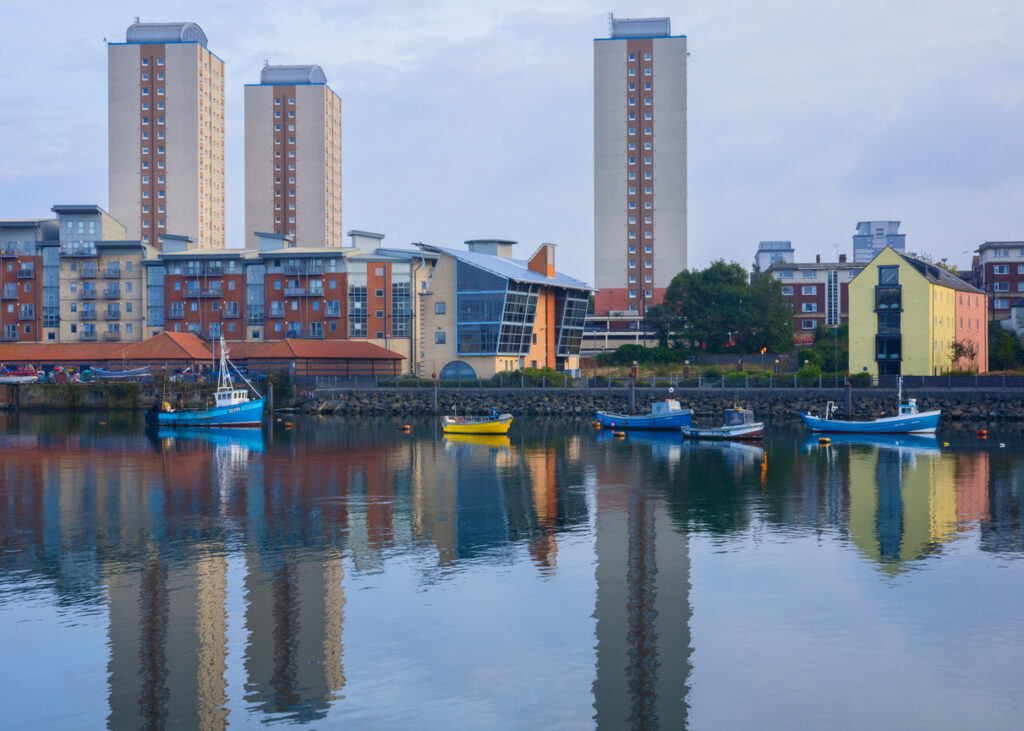
Sunderland gets dismissed as Newcastle’s sad little cousin, but it’s got its own identity that doesn’t rely on comparison. Seaburn beach is stunning, the people are down-to-earth, and there’s a certain unfiltered charm to it all. It’s not trying to be flashy. It’s a working city with a coast, a history, and a solid football fanbase. There’s also a bit of a creative undercurrent starting to build: music, arts, and independent businesses are thriving. It’s worth watching.
7. Swindon
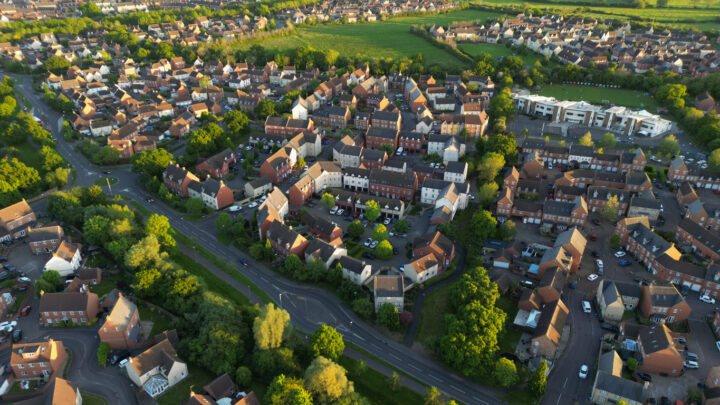
Swindon’s biggest crime seems to be existing without a clear “thing.” It doesn’t have a beach. It’s not a university city. It’s not especially beautiful. However, it works, and that matters more than people realise.
It’s well-located, full of green space, and not nearly as soulless as the memes suggest. Ask people who grew up there, and you’ll usually hear a mix of fondness and light mockery, but always with a weird loyalty. It’s got its own low-key identity, and it doesn’t need to be anything else.
8. Newport
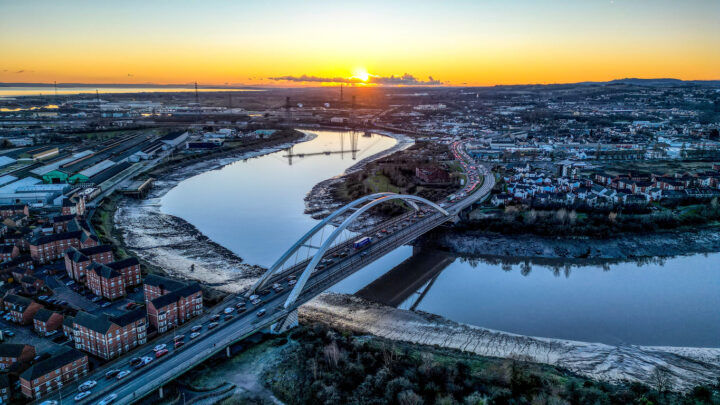
Newport gets a lot of stick from the rest of Wales, and from English people who lump it into generic “grim town” stereotypes. Honestly, though, it’s not that bad. It’s got a cracking music history, loads of local character, and a rough-around-the-edges vibe that’s kind of endearing.
It’s also got some good food spots, underrated green areas, and the kind of honesty that comes from not trying to be a postcard. People aren’t pretending in Newport, and that’s something you can respect.
9. Aberdeen
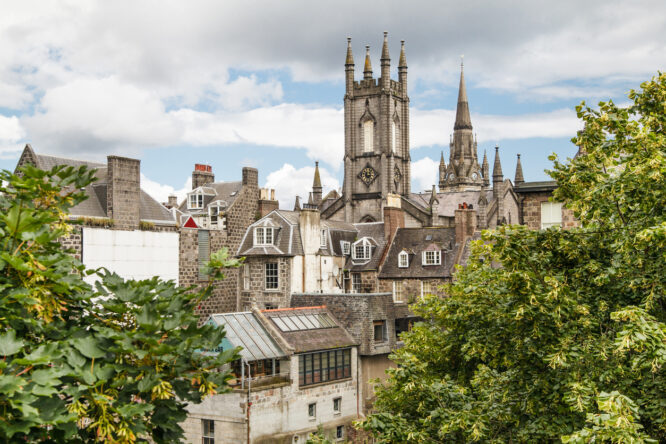
Aberdeen’s often written off as cold, grey, and isolated—and yes, it is very granite. However, that doesn’t make it awful. It’s got stunning coastline, surprisingly good coffee, and some of the friendliest people you’ll meet in Scotland. The oil industry overshadows a lot of its other character, but there’s depth here: great music, art, and nature right on the doorstep. It might not sparkle on Instagram, but it holds its own if you actually spend time there.
10. Leicester
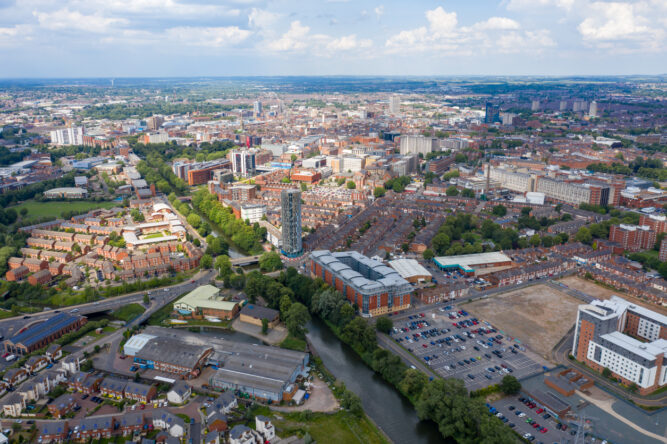
Leicester’s one of those cities people rarely get excited about, but if you live there or visit properly, you realise it’s got more going for it than most give it credit for. The food scene is wild (in the best way), the diversity is genuine, and the city centre’s had some real investment lately.
It’s not showy, and it doesn’t beg for attention, but it delivers. Whether it’s Diwali celebrations, hidden bars, or just solid community vibes, Leicester’s better than the rep it’s stuck with. Give it time and it grows on you.