When people think of donating to animal shelters, they usually assume food or blankets are what’s needed.
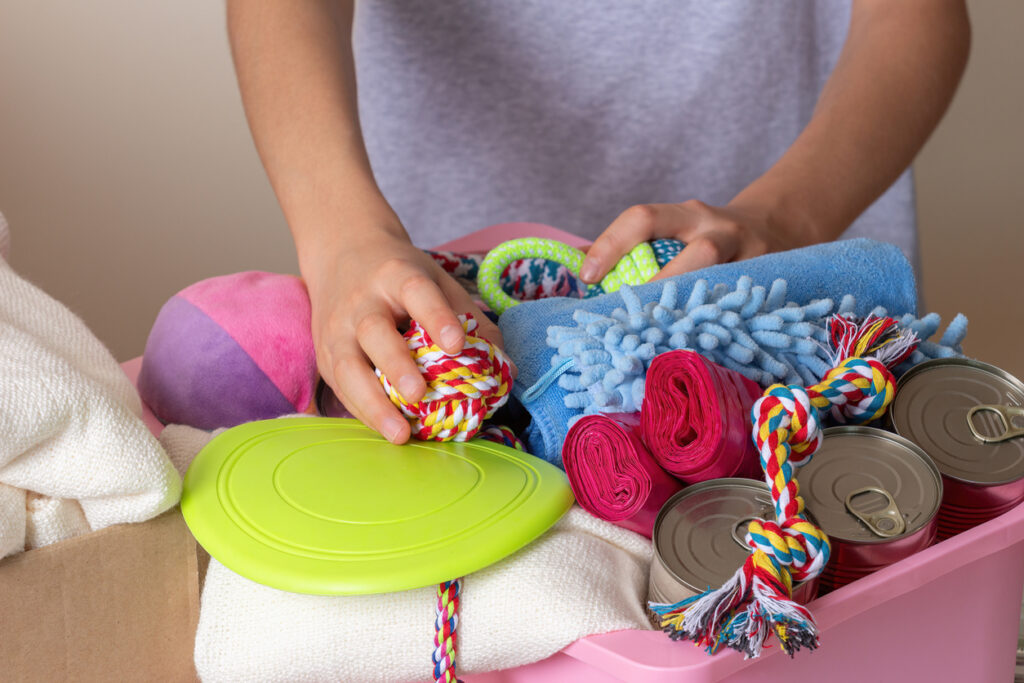
However, shelters often need a far wider range of items than you might expect. Here are everyday things you can give that make a real difference. You’ll want to check with your local shelter to make sure they take these items, and perhaps ask which they might be running low on, but most will be happy to receive these.
1. Old towels and bedding
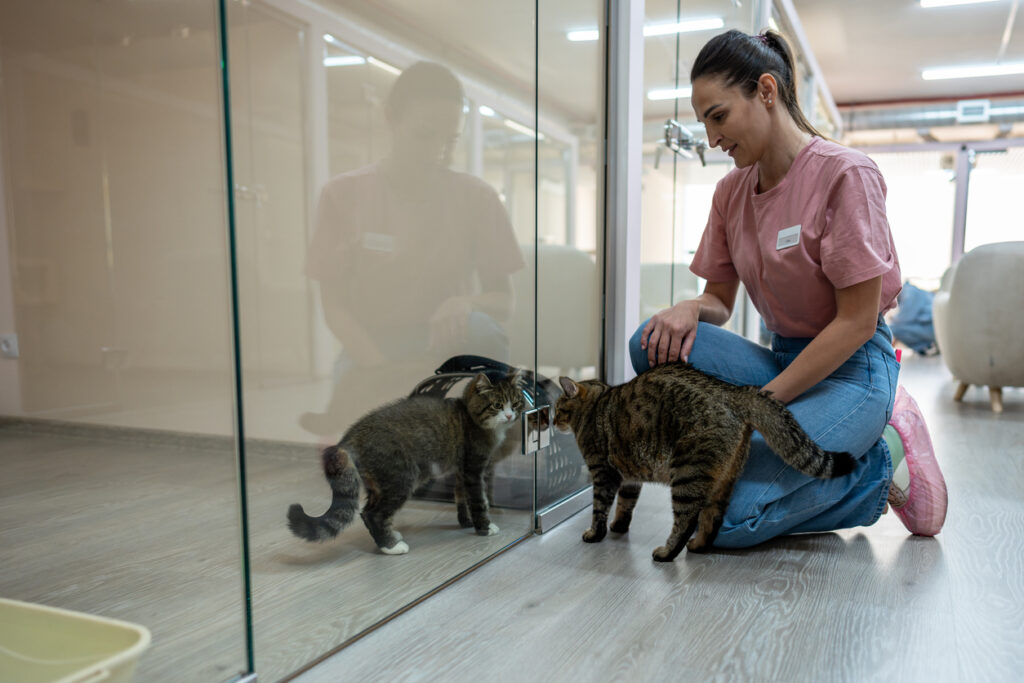
Animal shelters can never get enough towels and bedding. They are used for drying, comfort, lining crates, and cleaning up messes. Even stained or faded ones are useful, as animals don’t mind if things look worn.
Instead of throwing them away, drop them off at a local shelter. Your old towel may become a cosy bed for a nervous puppy or a quick clean-up for a muddy rescue dog.
2. Newspapers
Stacks of old newspapers might look like clutter at home, but shelters rely on them for lining cages and cleaning. They’re absorbent, disposable, and cheap, which makes them ideal for handling daily messes in busy kennels.
Most shelters go through piles every day, so even a bag of papers can help. Next time you recycle, consider setting aside a bundle to take to a local rescue centre.
3. Hot water bottles
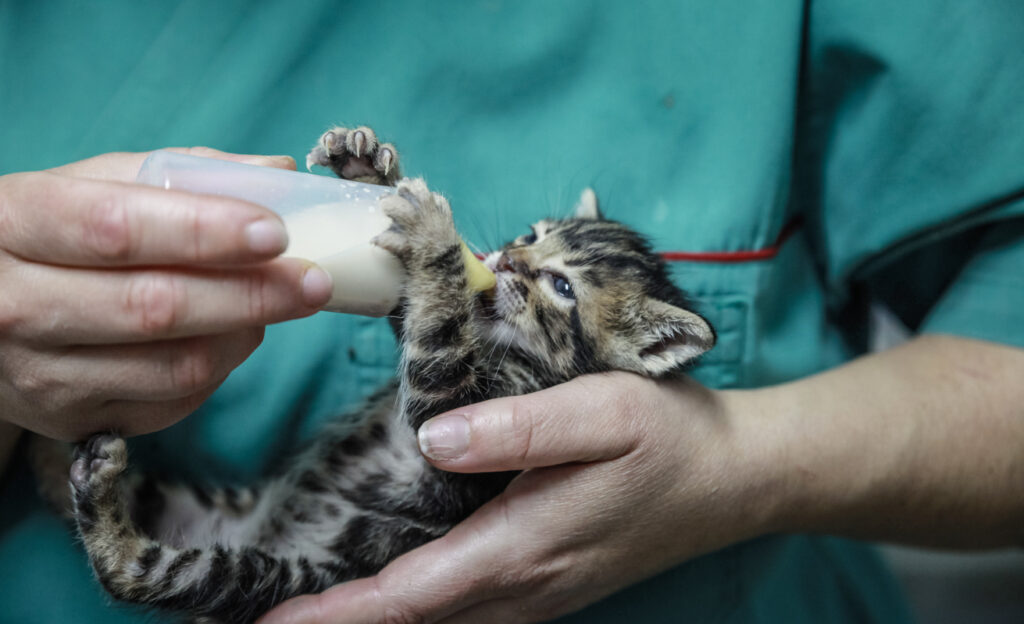
It might surprise you, but hot water bottles are a lifeline for young or sick animals. They provide warmth during recovery and comfort to animals that can’t regulate their body temperature yet, especially kittens and puppies.
If you have extras at home, shelters can use them right away. Just make sure they’re in good condition, without leaks, so they are safe for the animals.
4. Cleaning supplies

Bleach, washing-up liquid, bin bags, and sponges are always in demand. With so many animals in one place, hygiene is critical, and shelters often run low on the basics needed to keep everything clean and safe.
Even an extra bottle of disinfectant or a pack of gloves can make a difference. When shopping, picking up one extra item to donate is a simple but impactful gesture.
5. Pet carriers and crates
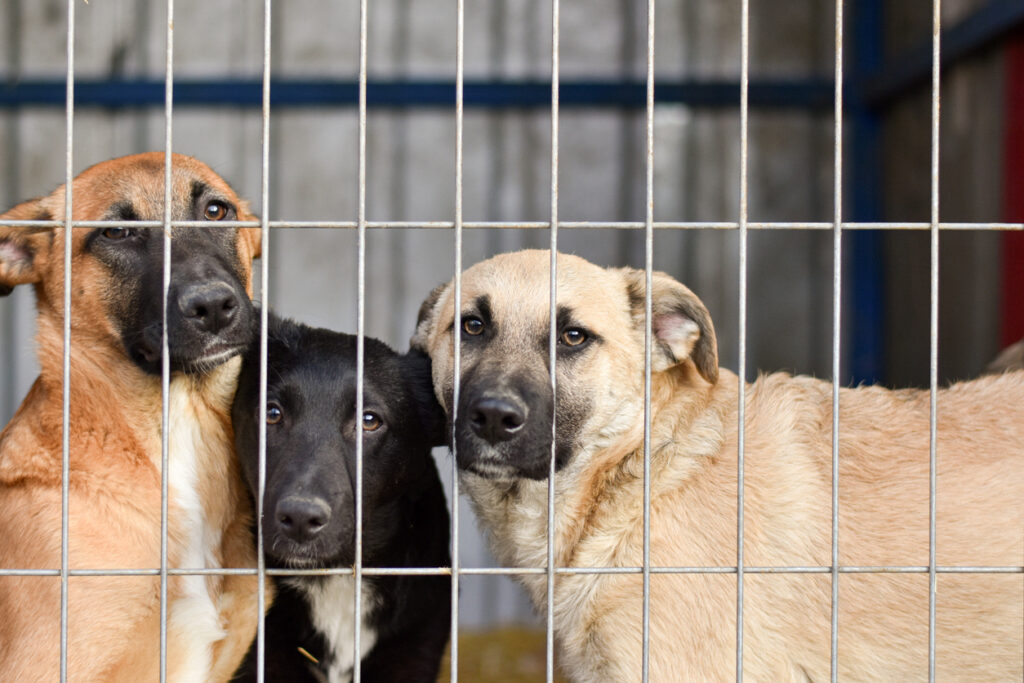
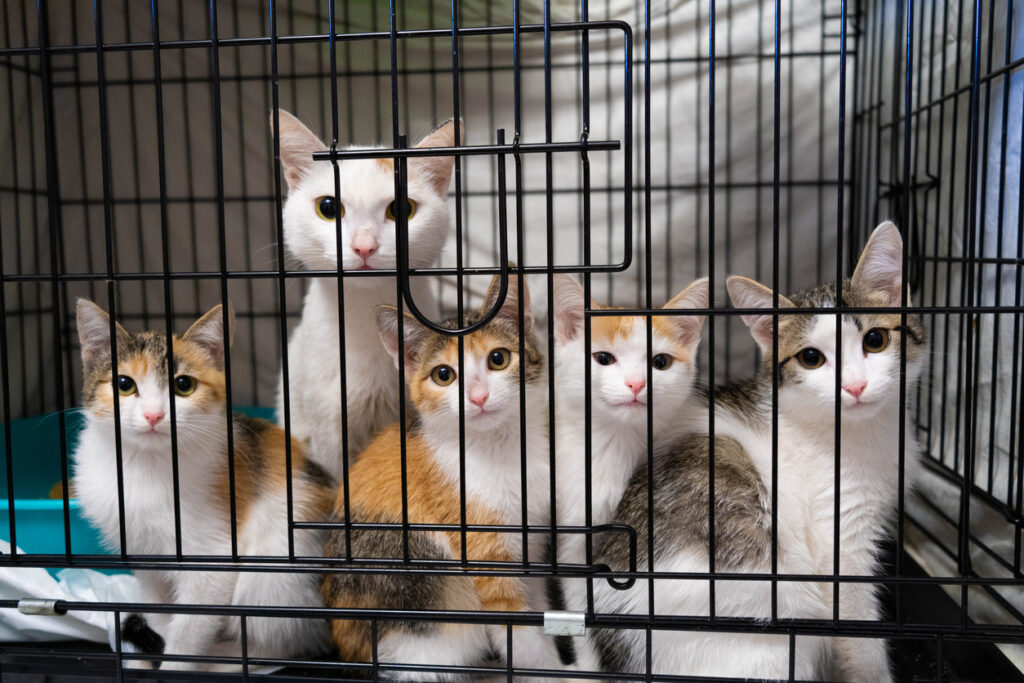
If your pet has outgrown their carrier, or you no longer need it, a shelter will gratefully take it. Carriers are used daily for vet trips, transport, and keeping animals safe during emergencies.
Strong, secure crates help staff handle rescues more easily. Your unused carrier could end up giving frightened animals a safer journey to their new homes.
6. Baby blankets
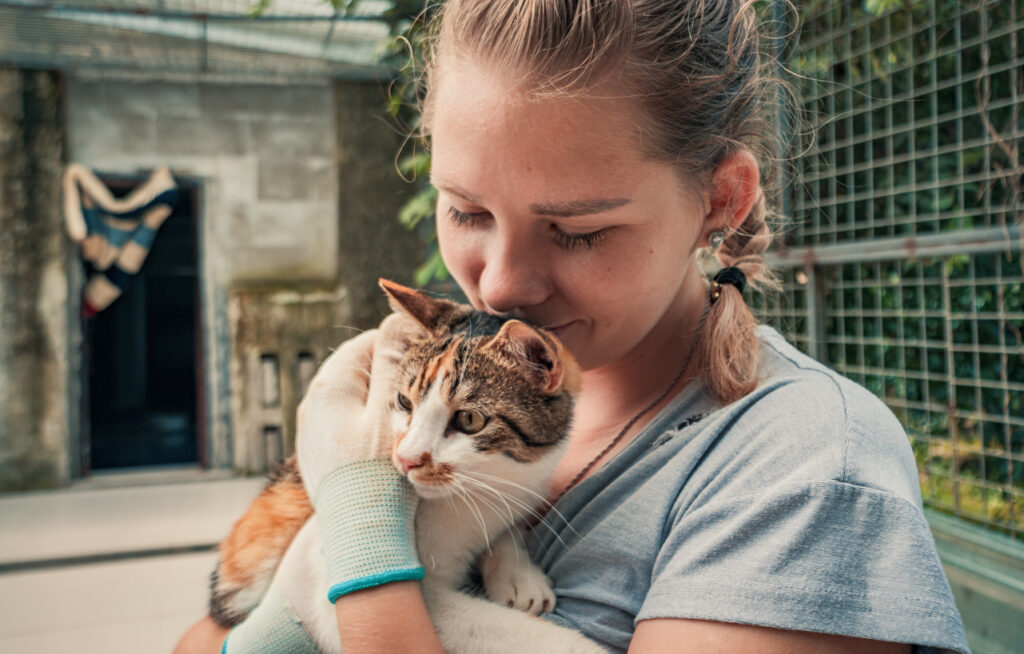
Small, soft blankets are perfect for tiny animals. They provide comfort, warmth, and a sense of security in kennels. Unlike bulky bedding, baby blankets fit well into smaller cages without overwhelming young or smaller animals.
Donating them means abandoned kittens, puppies, and even rabbits have something soft to curl into, which helps them feel less anxious while waiting for adoption.
7. Office supplies
It might not cross your mind, but shelters need pens, notebooks, paper, and folders just like any office. Keeping track of records, medical notes, and adoption paperwork takes a surprising amount of stationery.
If you have spare supplies from a clear-out or work surplus, shelters can put them to good use. A simple donation of pens or paper helps their admin run smoothly.
8. Leads and collars
Spare leads, harnesses, and collars are always welcome. Shelters use them for daily walks, training, and preparing animals for adoption. Even used ones in good condition save shelters money they can spend elsewhere.
Donating these items helps animals get ready for their new lives. A simple lead could mean a dog gets more time outside, which improves behaviour and makes adoption more likely.
9. Kitchen roll
Rolls of paper towels are one of the most-used items in shelters. Spills, feeding messes, and accidents are constant, and kitchen roll is quick, disposable, and endlessly handy for keeping areas hygienic.
Dropping off a multipack can save staff time and effort. It is not glamorous, but it is one of the most practical donations you can make.
10. Unopened pet food samples

Those free sample bags of pet food often sit in cupboards unused, but shelters love them. Even small bags help, especially for animals with sensitive diets or when testing what food an animal prefers.
Gathering up unopened packets makes a useful donation pile. Instead of going stale in your kitchen, they provide immediate meals for animals that need them most.
11. Grooming brushes

Shelters often lack enough grooming supplies for the number of animals they care for. Brushes keep coats healthy, reduce shedding, and help animals feel more comfortable, but they’re easily overlooked compared with food or bedding.
Your spare brush could be put straight into daily use. For some animals, a regular groom is the first step toward looking and feeling ready for adoption.
12. Old suitcases
It might sound strange, but some shelters use large, hard-sided suitcases as emergency carriers or storage for supplies. They’re sturdy, portable, and far more useful than people imagine when clearing out household clutter.
If you have a suitcase gathering dust, donating it gives shelters flexible storage or even a quick way to transport animals in urgent situations.