Iceland regularly tops the charts as the most peaceful country on Earth, and it’s not hard to see why.
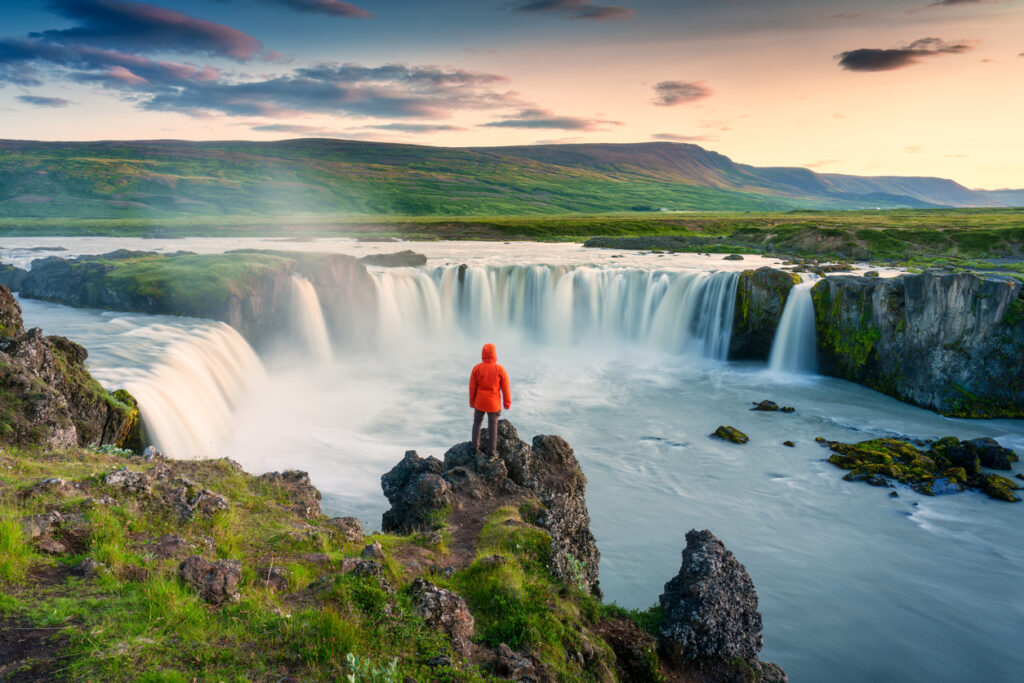
With no standing army, low crime rates, and a strong sense of community, it’s a place that seems to have mastered calm. The country’s isolation helps, but so does its culture; it’s built on equality, trust, and a shared responsibility for looking after both people and nature. While much of the world feels increasingly divided, Iceland stands out as proof that peace isn’t just an ideal.
In the right environment, it can actually work, and it absolutely does there. Here’s why it’s such an amazing place to be.
They’ve got no standing army.
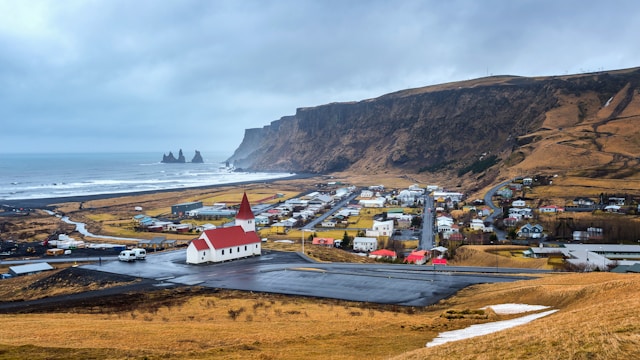
Iceland doesn’t have a military, full stop. No army, no navy, no air force. The closest they get is a coast guard and a crisis response unit, which is a pretty different vibe from most countries. Not spending billions on defence means that money goes elsewhere, and there’s no military culture feeding into how people think about conflict. It’s hard to be militaristic when you literally don’t have a military.
The population’s tiny and spread out.
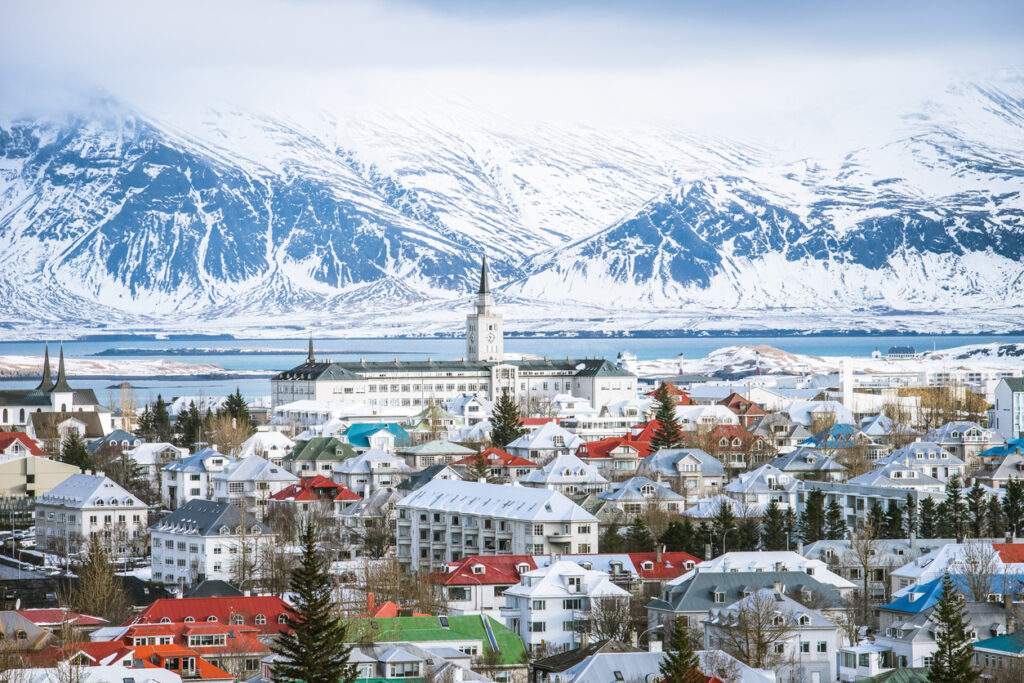
There are about 380,000 people in the entire country, most of them in Reykjavík. That’s smaller than most cities, which means less density, less competition for resources, and less of the pressure that breeds tension. When you’re not crammed on top of each other fighting for space, a lot of the everyday friction that builds up in bigger populations just doesn’t happen. There’s actually room to breathe.
Everyone’s basically related.
The gene pool is small enough that there’s literally an app to check if you’re related to someone before you date them. That level of interconnection means you can’t really be awful to people without it coming back to you. When everyone knows everyone, or knows someone who knows them, accountability is built in. You can’t treat people like strangers because they’re probably your cousin’s mate’s brother, and that changes how people behave.
The wealth’s distributed more evenly.
Iceland’s got strong social programs, decent healthcare, and education that doesn’t bankrupt you. The gap between rich and poor exists, but it’s not the chasm you see in other places, which means less resentment brewing. When people’s basic needs are sorted and there’s not massive inequality staring you in the face daily, a lot of the anger and desperation that fuels conflict just isn’t there in the same way.
Crime is genuinely low.
Violent crime is rare enough to make national news when it happens. Most people don’t lock their doors, and police don’t carry guns as standard. The baseline level of danger is just fundamentally lower than most places. The lack of threat becomes self-reinforcing. When you’re not constantly on guard, you’re more relaxed, which means you’re less likely to react aggressively, which keeps the overall tension low.
They’re geographically isolated.
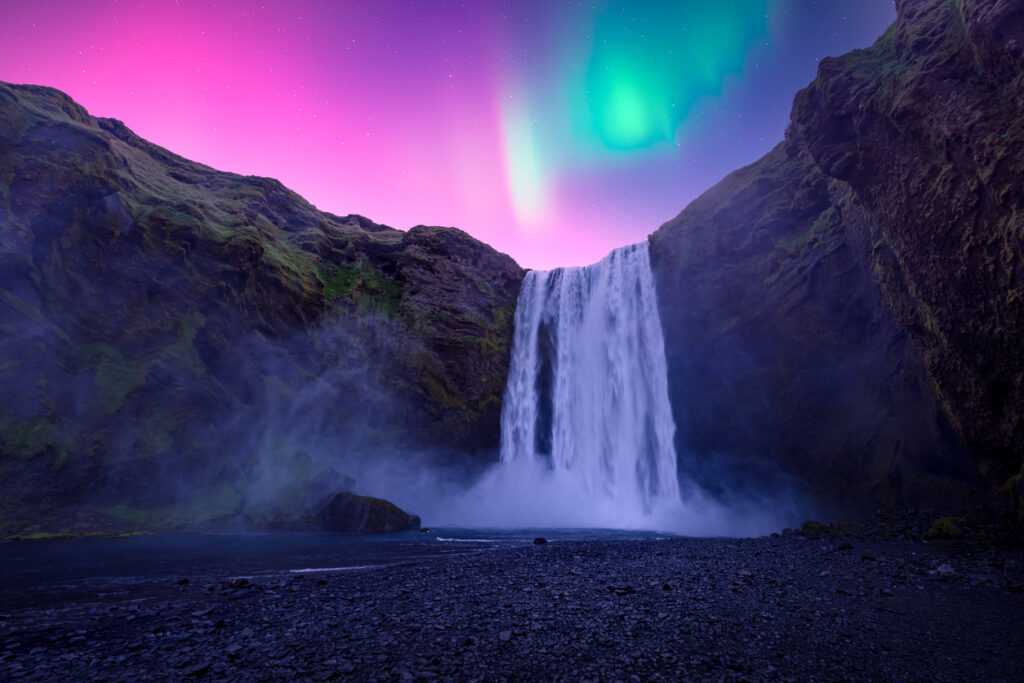
Iceland’s sitting in the North Atlantic, hours from anywhere by plane. That isolation means they’re not dealing with border disputes, mass migration pressures, or getting dragged into regional conflicts that affect more connected countries. Being on an island in the middle of nowhere gives them a buffer from a lot of the stuff that destabilises other places. They’re just not physically involved in the same geopolitical mess.
The culture values consensus.

Icelandic culture leans toward working things out rather than confrontation. There’s a strong tradition of community decision-making and talking things through, which means conflict gets addressed before it escalates. That doesn’t mean everyone agrees on everything, but there’s a cultural framework for handling disagreement that doesn’t immediately jump to aggression. The default is conversation, not confrontation.
Gender equality’s actually decent.
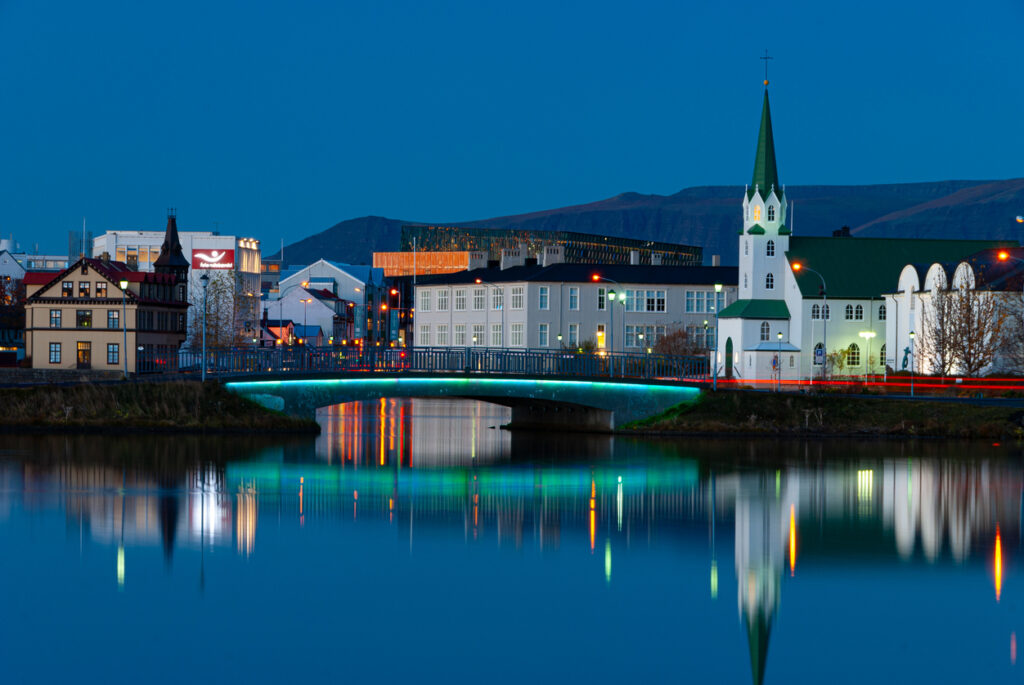
Iceland consistently ranks as one of the most gender-equal countries in the world. Women are in government, business, everywhere, and that balance seems to correlate with less overall aggression in how society functions. When half the population isn’t systematically sidelined or oppressed, you remove a massive source of structural tension. Equality isn’t just fair, it’s also stabilising.
The environment keeps you humble.
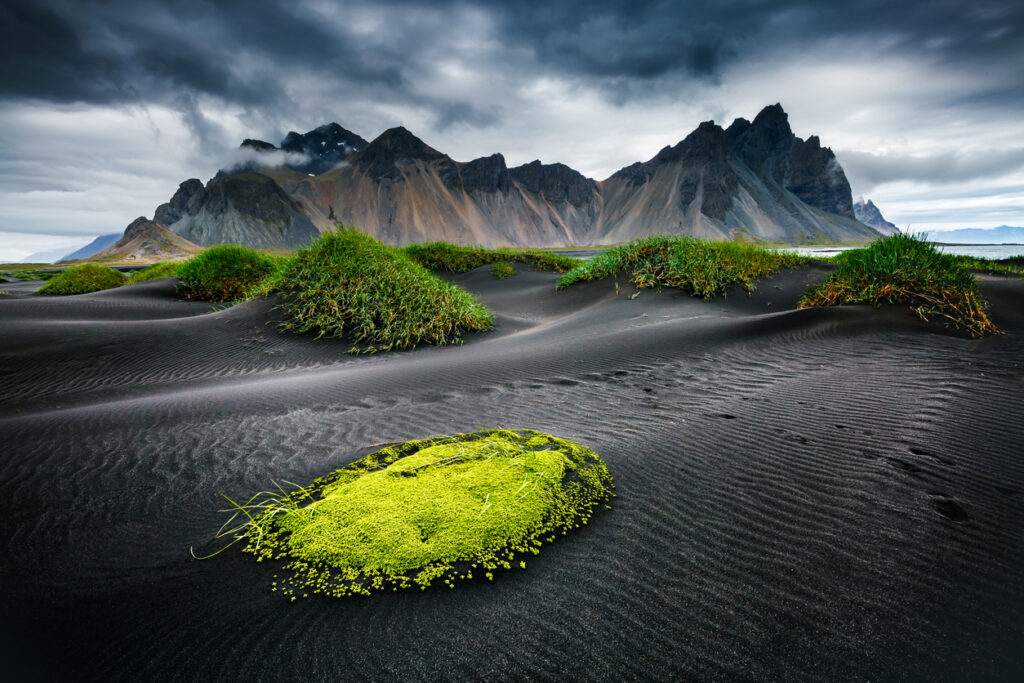
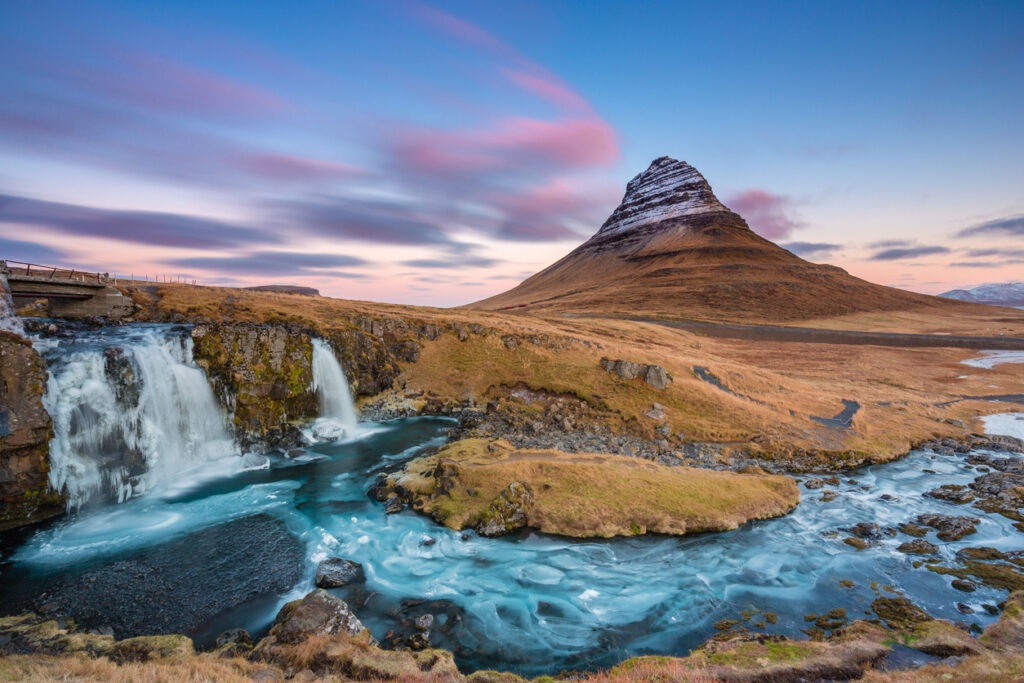
Living on a volcanic island with unpredictable weather and geological activity means nature’s a constant reminder that you’re not in control. That seems to breed a certain perspective about what actually matters. When a volcano could literally erupt under your town, petty human conflicts probably feel less urgent. The environment puts things in perspective in a way that more stable geographies don’t.
They’ve got strong community ties.
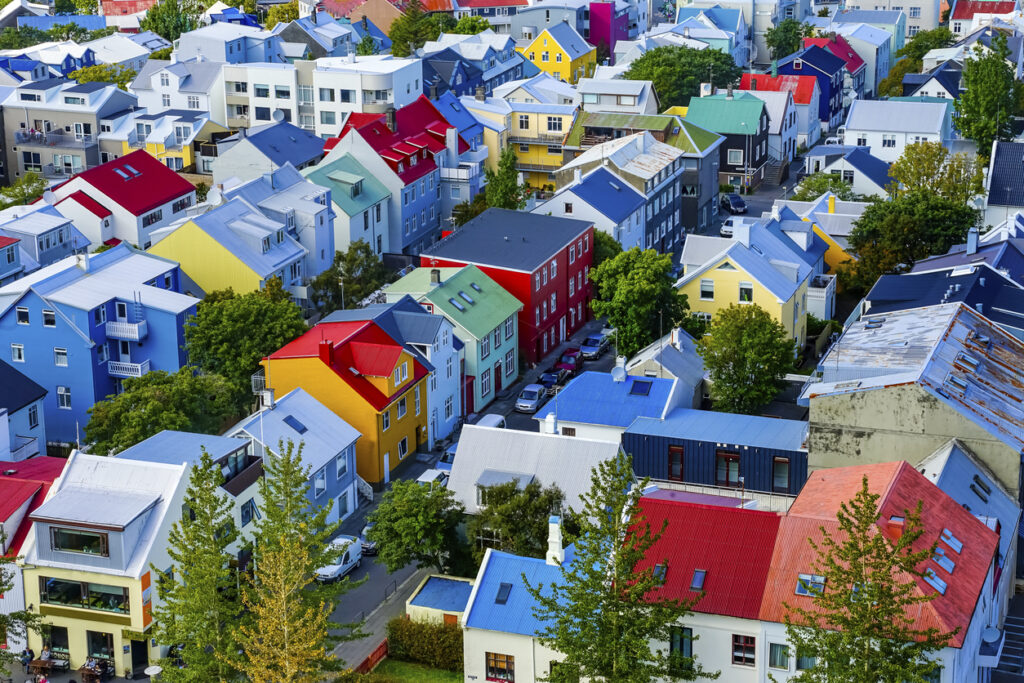
Small communities mean people rely on each other, especially in harsh conditions. That interdependence builds social cohesion in a way that’s harder to maintain in big, anonymous cities where you never see your neighbours. When you know you might need help from the person down the road, you’re less likely to create bad blood. Cooperation isn’t just nice, it’s practical survival in a place where the weather can turn deadly.
There’s low corruption in government.
Iceland ranks very low on corruption indexes, which means people generally trust their institutions. When you believe the system’s not rigged against you, there’s less rage and less motivation to take things into your own hands. Trust in institutions reduces the feeling that you’re on your own, which reduces desperation, which reduces the kind of behaviour that destabilises society. It’s all connected.
They learned from the financial crisis.
Iceland’s banking system collapsed spectacularly in 2008, and instead of bailing out banks, they let them fail and actually prosecuted bankers. That accountability seems to have reinforced trust rather than destroying it. Handling crisis in a way that felt fair to regular people meant they came out of it without the simmering resentment that other countries still carry. They dealt with it, moved on, and didn’t let it rot the system from inside.