Gaming isn’t just for teenagers hunched over a console anymore.
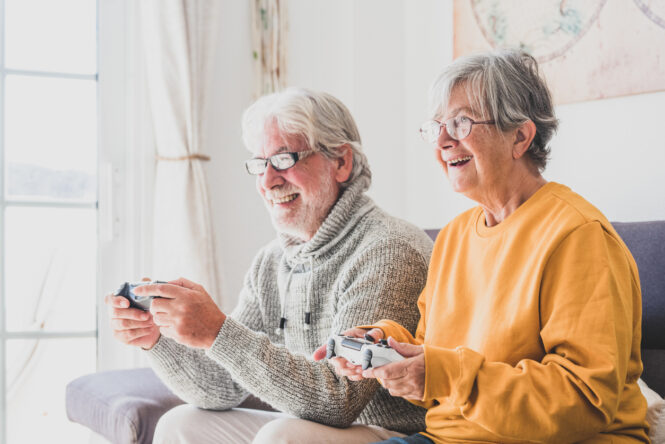
A growing number of older adults are picking up controllers, building farms on tablets, or diving into online adventures, and loving every second of it. Whether it’s for brain stimulation, connection, or simply fun, gaming is becoming a surprisingly popular pastime in retirement. Here’s why more older adults are joining the digital fun and fully embracing gaming as part of their everyday lives.
It keeps the brain active.
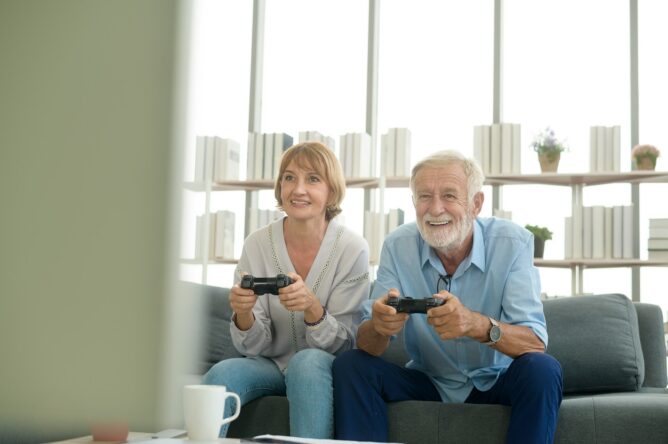
Games that involve puzzles, strategy, or fast reaction times can help keep cognitive skills sharp. For many older adults, this feels like a fun alternative to traditional brain-training exercises. Whether it’s word games, memory challenges, or complex storylines, gaming offers a mental workout that’s both stimulating and enjoyable, especially when compared to passive TV watching.
It offers an escape from everyday routine.
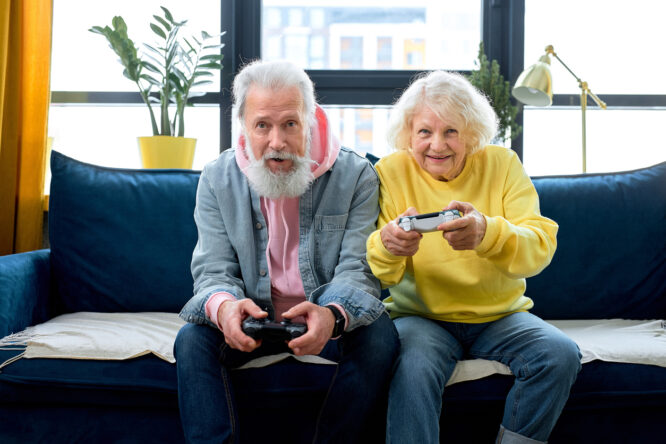
Gaming can be a portal to another world. After decades of work and responsibility, having a space to explore, build, or just play feels refreshing and freeing. It’s a way to break up the day, especially for retirees who find the quiet of post-work life a little too quiet. A game can inject a dose of fun without needing to leave the house.
It helps people stay socially connected.

Many games today come with online modes or community features, allowing players to connect with friends, family, or even strangers with shared interests. For older adults who may feel isolated, this kind of interaction can be a real lifeline, especially when it includes multiplayer games that keep them talking, laughing, and teaming up with other people.
It bridges the gap with younger generations.
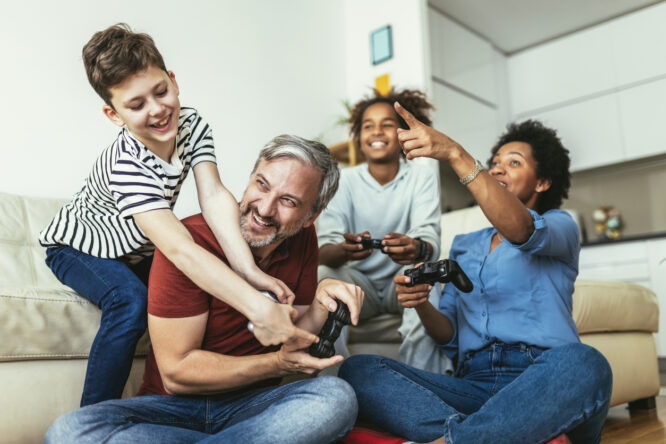
Gaming is often something grandchildren and younger relatives are already into. When older adults join in, it opens up a new way to bond across generations. Whether it’s a shared Minecraft world or a heated round of Mario Kart, it gives families more ways to connect, and those memories stick just as much as any family outing.
Mobile games make it more accessible than ever.
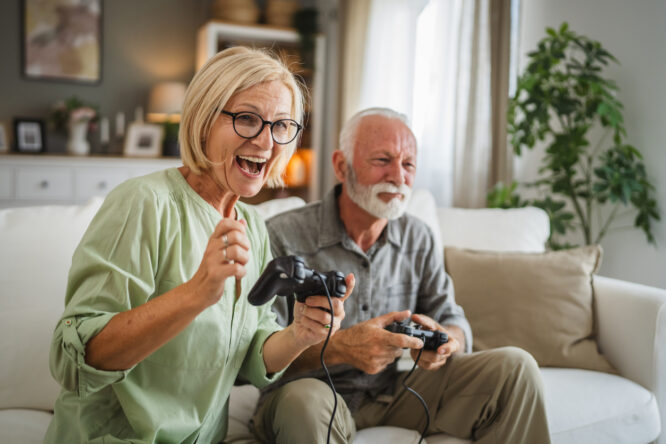
You don’t need a high-tech console or loads of equipment anymore. Most games can now be played on a phone or tablet, making it incredibly easy to get started. This accessibility has opened the door to more casual gamers, many of whom never considered themselves “gamers” before but now spend hours each week on Sudoku, card games, or word apps.
It helps reduce stress.

Whether it’s tending a virtual garden or matching colourful shapes, gaming can be surprisingly calming. It’s a way to unwind and change focus, especially after a stressful day. Many older adults find that regular gaming sessions give them something to look forward to and help them manage anxiety, boredom, or even low moods.
The nostalgia is real.

Many people now in their 50s, 60s, and 70s were around for the earliest days of arcade games and early consoles like the Atari or original Nintendo. Revisiting games or discovering modern versions taps into that same excitement. There’s something oddly comforting about the simplicity of retro games, or the thrill of finding something new that still captures the same magic they remember from decades ago.
It helps with hand-eye coordination.
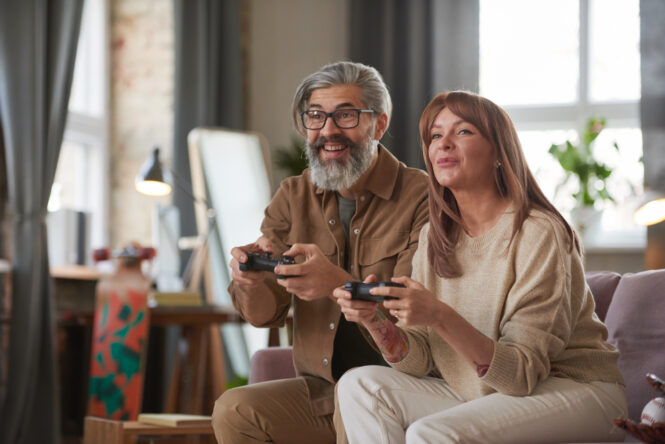
Gaming involves quick thinking and fast movements, which can help maintain coordination and reaction speed. It’s a bit like doing brain and motor exercises without realising it. For people who want to keep their minds and hands working in sync, gaming offers a more engaging and rewarding way to stay sharp than traditional exercises.
It gives a sense of progress and achievement.
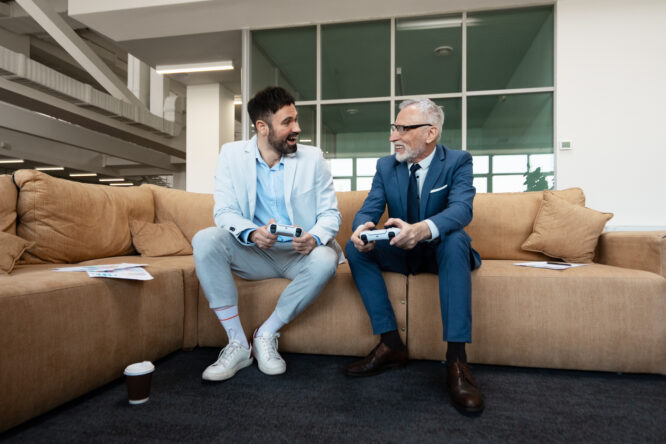
Whether it’s completing a level, earning points, or unlocking something new, games are built around goals, and that sense of progression is deeply satisfying. For older adults, especially those no longer working or raising children, gaming can reintroduce that rewarding feeling of building something or working toward a win.
The communities are more welcoming now.
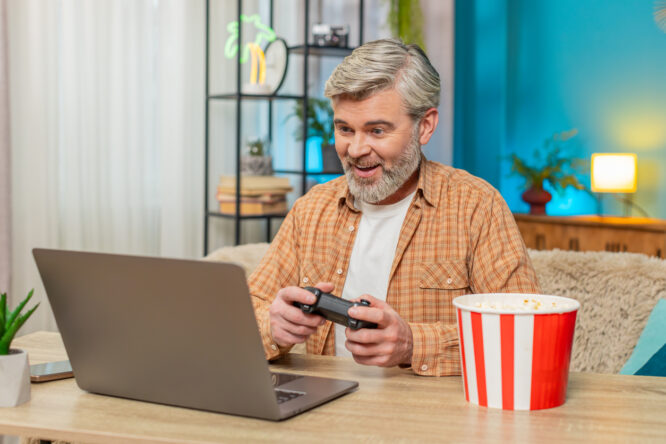
Gaming communities have become more inclusive over the years, with more spaces for casual players, beginners, and people of all ages. It’s no longer just about speed runs and competitive gaming. Whether it’s a Facebook group for Wordle fans or an online forum for Animal Crossing neighbours, older adults are finding warm, supportive communities where they’re genuinely welcome.
It provides creative freedom.

Games that involve building, designing, or storytelling allow older adults to express their creativity without needing any special tools or skills. Whether it’s designing an island, painting in-game landscapes, or customising avatars, gaming taps into artistic energy that might otherwise be hard to channel later in life.
It’s just plain fun.

At the end of the day, the simplest reason is often the truest: gaming is fun. It brings joy, curiosity, and challenge, no matter your age. For many older adults, discovering (or rediscovering) the thrill of play is a reminder that fun doesn’t have an age limit, and that trying something new can still feel exciting, no matter when you start.