It’s not always easy to tell when it’s time to stop managing hip pain and actually consider surgery.

A lot of people put it off for years, hoping rest, physio, or anti-inflammatories will do the trick. However, when the discomfort starts running your life, or robbing you of the things you enjoy, it might be time for a more permanent solution. If any of these signs feel familiar, it could be worth having a real conversation with your doctor about whether hip surgery is right for you.
Daily pain is becoming your new normal.

If your hip hurts almost every day, whether you’re walking, sitting, or lying in bed, that’s more than just wear and tear. When the pain becomes something you’re constantly managing or working around, it’s a sign something deeper could be going on. It’s important to recognise when pain is interfering with your quality of life. If you’re limping through the day or needing painkillers just to get by, your body might be telling you it’s time for a more serious fix.
You’ve had to give up activities you love.

Maybe you’ve stopped going on walks, playing sports, or even gardening because your hip just can’t handle it. Losing the ability to do the things that bring you joy is a big red flag. While some level of adjustment is normal as we age, being sidelined completely isn’t something you have to just accept. If you’re regularly missing out, it might be time to look at options that could give you your lifestyle back.
Nothing else seems to be helping.

If you’ve tried physio, exercises, rest, medication, and everything in between, and you’re still in pain, your options might be narrowing. Conservative treatments have their place, but they can only do so much if the joint itself is badly damaged. Surgery isn’t always the first step, but it becomes a stronger contender when you’ve exhausted the others. If you’ve been through months (or years) of non-surgical treatments with little relief, that’s a solid reason to consider what’s next.
Your sleep is constantly interrupted by discomfort.

Hip pain doesn’t clock out at night. If you’re tossing and turning, waking up with stabbing pain, or struggling to find a position that doesn’t make things worse, that’s not sustainable. Lack of sleep only adds to the problem. It slows healing, affects your mood, and makes daily life harder. If your hip is ruining your rest, surgery might be what’s needed to break the cycle.
You’re starting to rely on mobility aids.

Needing a cane, walker, or leaning on walls just to get through the day is a big sign that your joint isn’t doing its job anymore. These supports can be helpful, but they shouldn’t become a long-term solution unless absolutely necessary. If your movement is becoming more restricted, and you’re gradually becoming less independent, it’s worth asking whether surgery could actually help restore some of that freedom.
The pain is spreading to other parts of your body.

When your hip isn’t working properly, your body tries to compensate. That often means extra strain on your lower back, knees, or even your opposite hip, which can lead to a domino effect of discomfort. If you’re noticing new pain in other joints or muscles, it could be a sign your body is adjusting in unhealthy ways. Surgery can sometimes stop that chain reaction by fixing the root of the problem.
You’ve been told you have arthritis in the joint.

Conditions like osteoarthritis can wear down the cartilage in your hip until there’s basically bone rubbing on bone. That’s as painful as it sounds, and unfortunately, no amount of stretching or rest is going to rebuild that cartilage. If your scans show major damage and your symptoms line up, a hip replacement might be the most effective way to reduce pain and improve movement long-term.
Simple tasks are becoming a challenge.

When things like tying your shoes, getting out of a car, or walking up stairs start to feel like major obstacles, it’s a clear sign something’s not right. Hip issues often creep up gradually, so it’s easy to dismiss these difficulties until they’re impossible to ignore. If you’re adjusting how you live just to work around your hip, it’s probably time to consider a more lasting solution. Surgery might sound extreme, but so is reshaping your life around one failing joint.
Your posture is starting to change.

Chronic hip issues can affect the way you walk, sit, and even stand. If you’re starting to hunch forward, limp, or notice uneven wear on your shoes, that could be your body trying to work around the problem. Posture changes can lead to long-term complications and muscle imbalances if left unchecked. Fixing the hip can often improve your entire alignment and reduce the strain on the rest of your body.
You’ve already had imaging that shows significant joint damage.

Sometimes the clearest sign comes from the inside. X-rays, MRIs, or other scans might already show that your joint is worn down or deformed. If your doctor’s pointed it out, that’s a big clue that your hip isn’t just sore, it’s structurally compromised. Even if you’re managing for now, the damage is likely to get worse. Catching it before things become unbearable can sometimes lead to a smoother recovery if you do end up needing surgery.
You’re feeling mentally drained by constant pain.
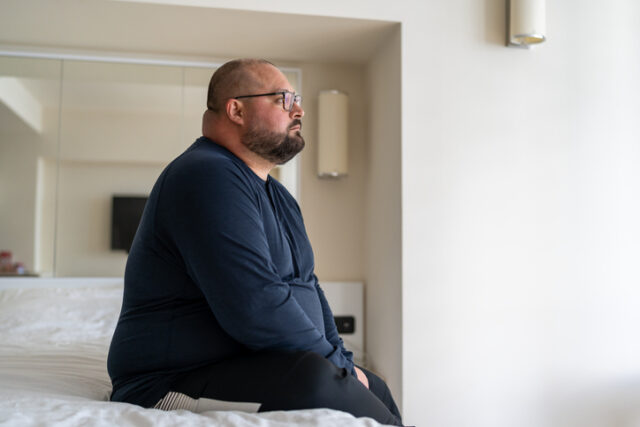
Chronic pain isn’t just physical; it wears you down mentally too. If you’re irritable, struggling to concentrate, or just feel low more often than not, your hip pain might be a bigger burden than you realise. Mental fatigue from ongoing discomfort can be a major reason to look at long-term solutions. Improving your physical health often lifts your mood and energy levels more than expected.
You’ve had a fall, or are worried about having one.

If you’ve already fallen because of hip instability or limited range of motion, that’s a serious red flag. Even worse is the constant fear of falling, which can make you tense up, move less, and lose strength over time. Surgery might not just be about reducing pain. It could also prevent future injury. If confidence in your movement has taken a hit, getting the joint repaired could give you back your balance and peace of mind.