Most of us like to think we’ve got plenty of time left, but the truth is that the stuff you’re shoving in your face today is either helping you get to 90 or actively pulling you away from it.
It’s easy to ignore the damage when you’re feeling alright, but a lot of the processed rubbish marketed as food is packed with ingredients that are basically a slow-motion disaster for your heart and brain. You’re not doing yourself any favours by sticking to a diet that causes constant inflammation and spikes your blood sugar until your system eventually gives up.
If you’re serious about being one of those people who’s still active and sharp in their 9th decade, you’ve got to be honest about the habits that are shortening your life. Cutting these 14 things out isn’t about being a health bore; it’s about making sure you’re actually around to enjoy the years you’ve got left.
1. Sugary fizzy drinks and energy drinks
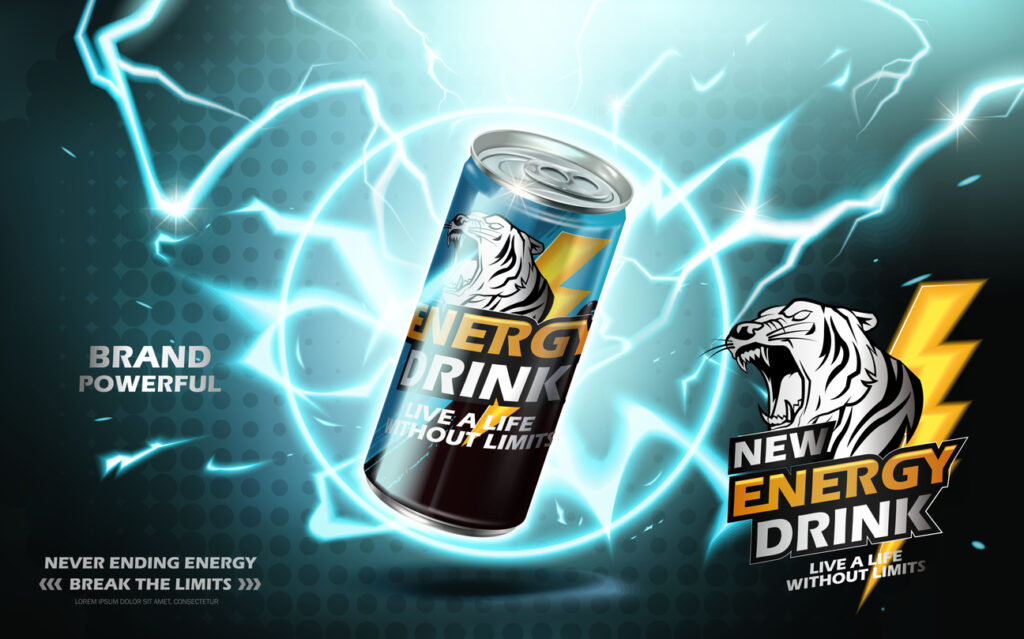
These are easy to ditch because they don’t even fill you up. You can drink loads of sugar and still feel hungry, then your body has to deal with that spike on top of everything else. In the long run, it’s rough on your teeth, weight, and blood sugar. If you love the habit, swap the ritual. Sparkling water with lemon, a splash of cordial, or homemade iced tea still feels like a treat. If it’s caffeine you want, go for tea or coffee without turning it into pudding.
2. Processed meats like bacon, sausages, ham, and salami
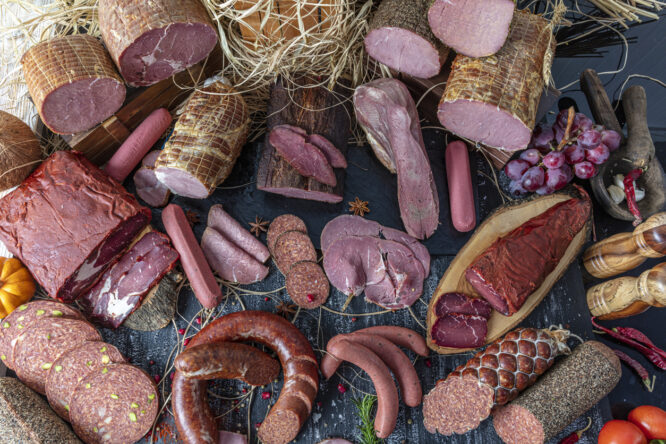
They’re normal enough that people eat them constantly without clocking it. They tend to be high in salt and preservatives, and they slide into every meal because they’re quick. The problem is when they become your everyday protein. Keep them as an occasional thing and switch your basics. Eggs, tuna, beans, lentils, roast chicken, or leftover meat you cooked yourself make a big difference when it’s what you eat most days.
3. Deep-fried fast food you grab because you’re tired.
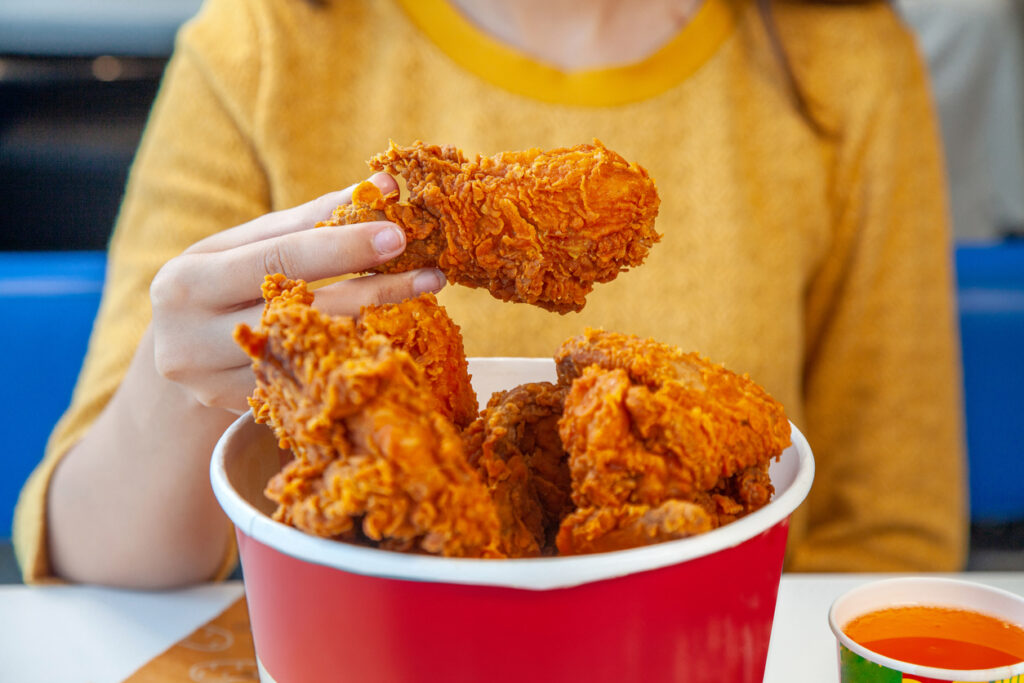
Fast food is designed to be easy to overeat. It’s usually fried, salty, low in fibre, and it doesn’t leave you feeling properly satisfied, so you end up craving more later. If it’s a regular fix, it drags your overall diet down fast. Create a home version of lazy food that’s still decent. Frozen veg, microwave rice, tinned beans, eggs, and pre-cooked chicken can become a meal in minutes. Save fast food for the odd time, not the plan.
4. Packaged biscuits, cakes, and pastries as everyday snacks

It starts as a small comfort, then it becomes a daily habit without you noticing. These snacks are mostly sugar and refined flour, so they go down fast and don’t keep you full. That’s why you’re hungry again so soon. Keep them as treats, not background food. If you want something sweet most days, try fruit, yoghurt, nuts, or toast with peanut butter. You still get the nice bit without the constant sugar dips.
5. Ultra-processed crisps and snack foods you can’t stop once they’re open
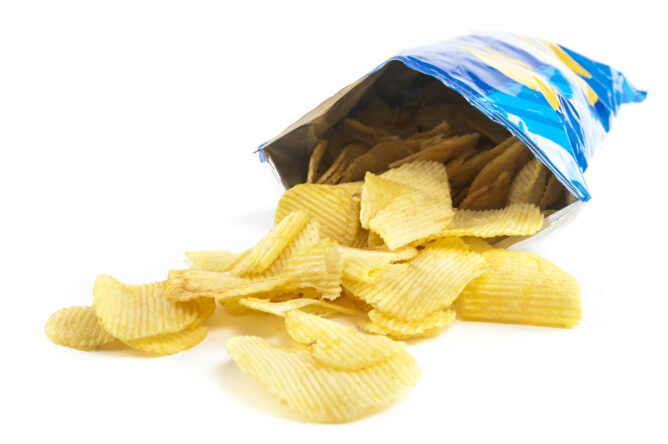
Crisps and similar snacks are built to make you keep eating. They’re salty, crunchy, and easy to demolish while you’re distracted. The bigger issue is that they replace better snacks and mess with your sense of what feels satisfying. If it’s the crunch you love, swap the type of crunch. Popcorn you make yourself, nuts in a portion, oatcakes with cheese, or hummus and carrots can scratch the itch without the same processed hit.
6. Sugary breakfast cereals that are basically dessert in a bowl
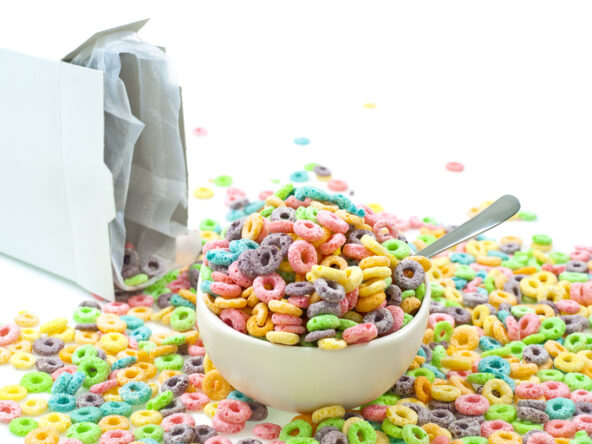
Loads of cereals look healthy but they’re sweet and low in fibre, so you’re starving again by mid-morning. That cycle can make cravings worse and energy feel up and down all day. It’s a rough start if you’re trying to keep things steady. Aim for protein and fibre instead. Porridge with fruit and nuts, yoghurt with berries, eggs on wholegrain toast, or even leftovers if you like. If you stick with cereal, go plainer and add fruit yourself.
7. White bread, white pasta, and refined grains as your default
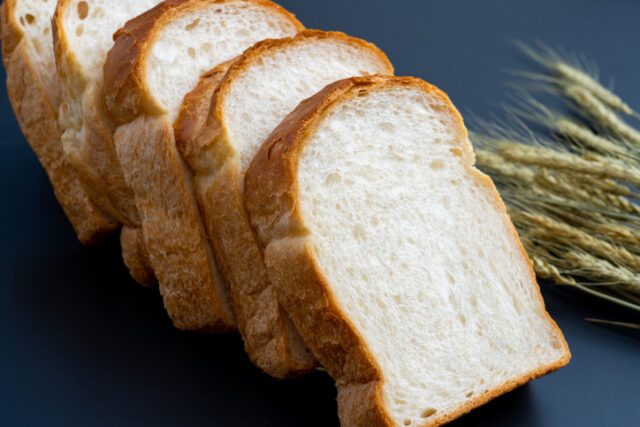
These aren’t evil, but if they’re your main base, you miss out on fibre. Fibre helps with fullness and gut health, and it matters over decades. Refined carbs also make it easier to overeat because you’re hungry again quicker. You don’t have to go extreme. Try wholemeal bread you actually like, half-and-half pasta, oats, barley, or brown rice here and there. Small swaps done consistently beat big changes you hate.
8. High-salt convenience foods like instant noodles, packet soups, and ready meals
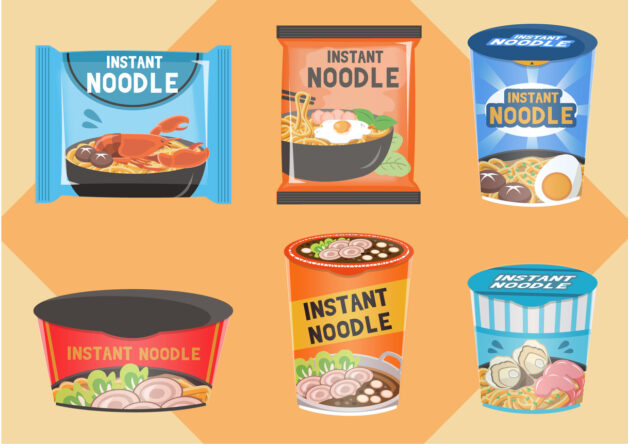
Salt is easy to overdo without noticing, and convenience foods are packed with it to make them taste good. High salt intake is linked to high blood pressure, which is one of those slow problems that can really catch up with you. It’s boring, but it matters. Keep quick ingredients that aren’t salt bombs. Tins of beans, lentils, frozen veg, and simple spices can make meals fast. If you do use packets, use less of the seasoning and bulk it out with veg and protein.
9. Cheap baked goods made with dodgy fats

Some shelf-stable pastries and biscuits use lower-quality fats to stay “fresh” forever. Even when you can’t see it, those fats aren’t great for your heart over the long run. Heart health is kind of the main event if you’re aiming for 90. The fix is mostly shopping habits. Buy fewer of the ultra-cheap, long-life baked things and go for fresher options when you can. A quick label check now and then helps you spot the worst offenders.
10. Sugary coffee drinks and fancy hot chocolates
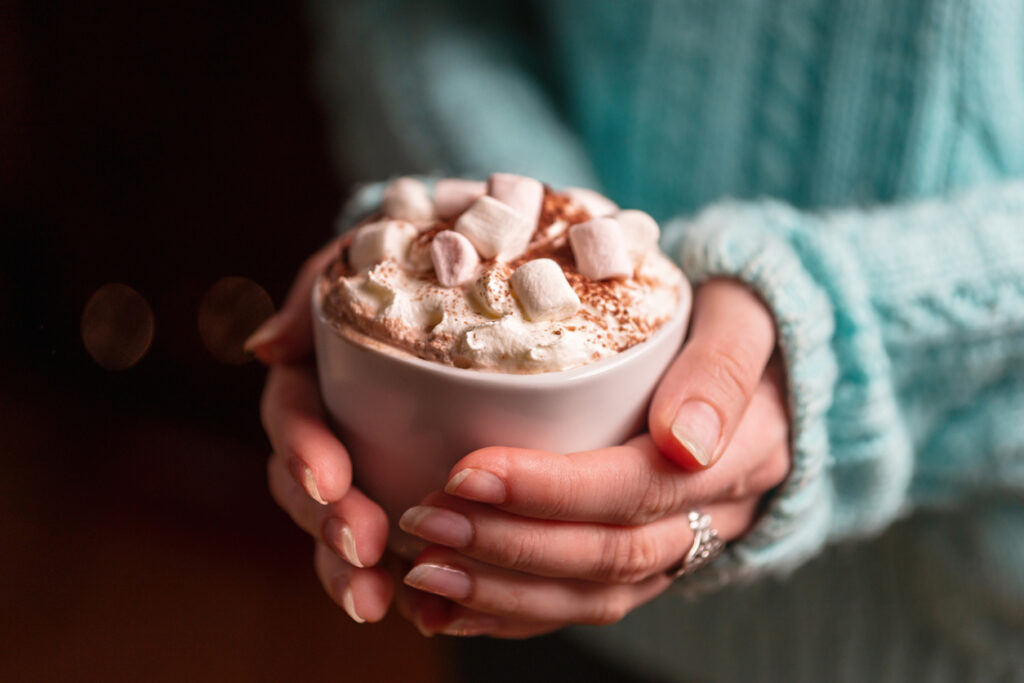
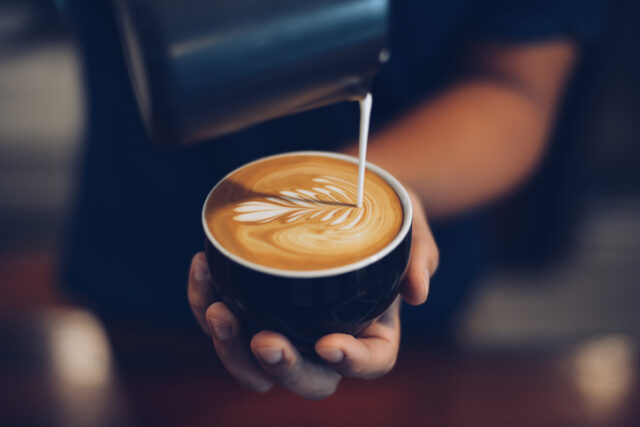
Because they’re drinks, they feel lighter than they are. A syrupy latte with extras can be a daily dessert in a cup, and it’s easy to stack it with snacks as well. That’s a lot of sugar without you feeling like you ate anything. Keep the cafe ritual, just tame it. Go smaller, cut the syrups, or choose a regular latte. At home, cinnamon or cocoa can make drinks feel special without loading them with sugar.
11. Burnt or heavily charred meats you eat all the time
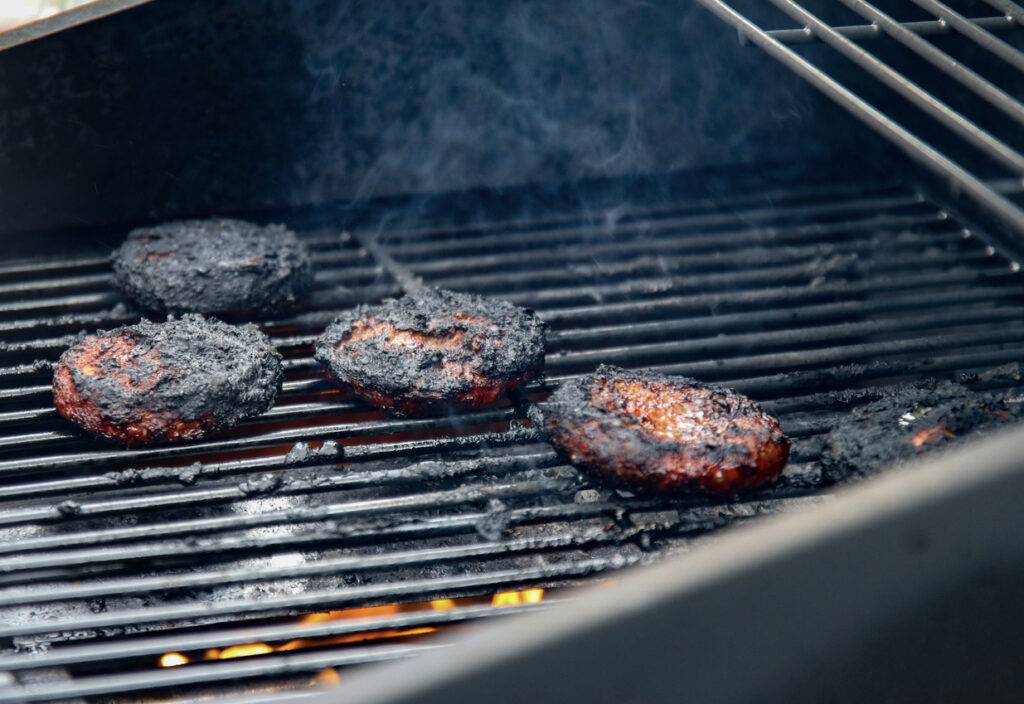
The odd barbecue isn’t the issue. It’s when your normal cooking style leaves meat heavily charred, because very high heat can create compounds you don’t want loads of over a lifetime. If you’re thinking long-term, it’s worth easing up on that. Cook a bit gentler when you can, and don’t treat burnt bits as flavour. Marinating helps, and grilling more veg balances the meal. Cutting off the blackened edges is a small change that adds up.
12. Alcohol as a regular coping tool
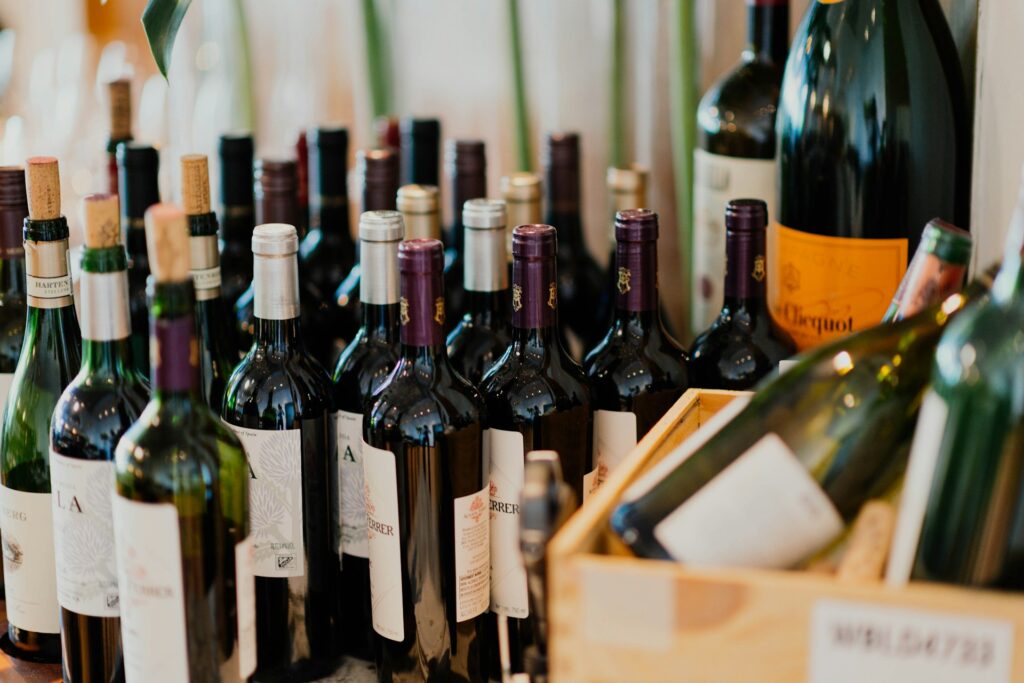
If it’s occasional, fine, but if it’s nightly or used to take the edge off everything, it can mess with sleep, mood, weight, and blood pressure. It also lowers your chances of making good food choices, especially late in the day. Over decades, that combination really counts. Try making it something you choose, not something you reach for automatically. Alcohol-free days, smaller drinks, or saving it for social plans can help. If you’re drinking to unwind, swap in a different wind-down that actually works.
13. Big portions of red meat that crowd out plants
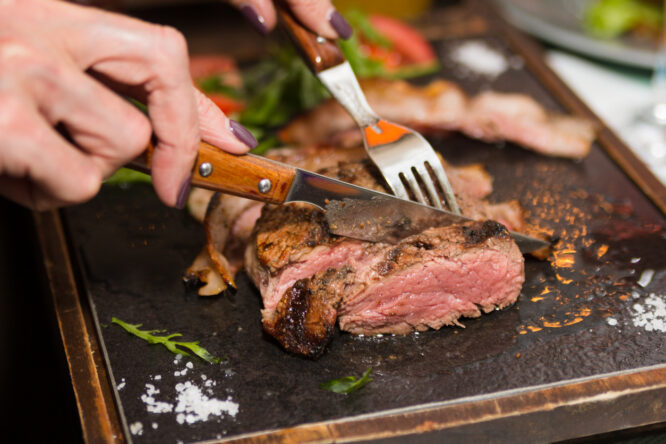
Red meat can fit in a normal diet, but huge portions all the time push out the foods that help you age well. Fibre-rich foods like veg, beans, and whole grains support heart and gut health, and they tend to keep weight steadier too. When meat takes over the plate, variety disappears. Think of it as changing the balance, not banning it. Make meat a smaller part and fill the rest with veg and beans. Meat-free dinners like lentil chilli or chickpea curry can be genuinely filling, not sad.
14. Low-fat foods that are full of sugar to make them taste good
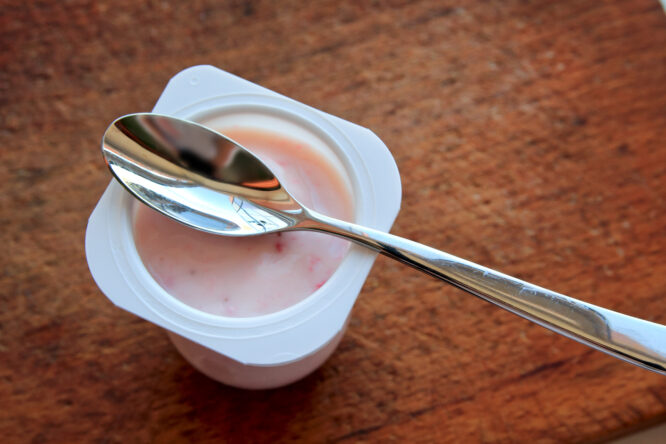
Some low-fat foods swap fat for sugar and thickeners, so you end up with something that still isn’t great and isn’t satisfying either. That can make cravings worse because you keep topping up. It also keeps people stuck in “diet” thinking instead of just eating decent food. Look at the ingredients and sugar, not just the label. Full-fat yoghurt in a normal portion can be better than low-fat sweetened stuff. Aim for less processed most of the time and you’ll feel it.