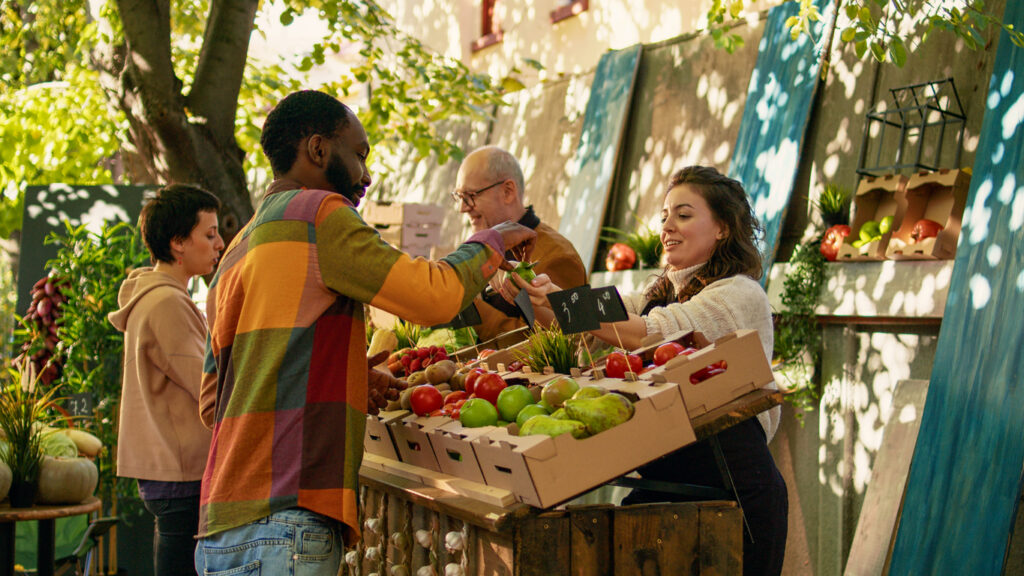
Farmers’ markets are meant to save money and provide fresher produce, but small missteps can make the experience less rewarding. Knowing what to avoid helps you get better value, longer-lasting food, and a more enjoyable trip every time. The next time you head out to your favourite greenmarket, make sure you skip out on these bad practices.
1. Arriving too late in the day
By the time you turn up near closing, the best produce is often gone. While some stalls may discount, you’re left with fewer options and food that may not be at peak freshness. Getting there that little bit earlier gives you the widest selection. You can pick produce at its best quality and avoid having to settle for what’s left over.
2. Ignoring what’s in season
Buying out-of-season items at a farmers’ market usually costs more and may not be locally grown. Seasonal produce is fresher, tastier, and cheaper because it’s abundant and picked at its prime. Paying attention to what’s in season helps you plan meals better. You not only save money but also enjoy fruits and vegetables when they’re at their best.
3. Skipping a walk around first
Jumping straight into buying at the first stall often means you miss out on better deals or fresher produce further down. Prices and quality can vary widely across different vendors. Taking a quick lap before purchasing helps you compare. You can spot the best value and decide where your money will go furthest.
4. Forgetting to bring cash

Many vendors still prefer or only accept cash. Relying on cards or mobile payments may limit your options and slow you down if machines aren’t working. Carrying cash also makes it easier to budget. You can set a spending limit in advance and avoid overspending while supporting smaller stalls that rely on cash sales.
5. Buying more than you can use
It’s tempting to stock up when everything looks so fresh, but overbuying often leads to waste. Produce at farmers’ markets doesn’t usually last as long as supermarket alternatives. Planning your meals before you shop keeps purchases realistic. You save money by buying only what you know you can eat in time.
6. Overlooking “imperfect” produce
Shoppers often avoid misshapen or slightly blemished fruits and vegetables, assuming they’re lower quality. In truth, they’re usually just as fresh and nutritious, often at a reduced price. Choosing imperfect produce can save you money without compromising on taste. It’s a smart way to cut costs while reducing food waste.
7. Forgetting to bring reusable bags
Stalls rarely provide sturdy bags, and relying on flimsy ones can lead to damaged produce. Plastic bags are also wasteful and may cost extra at some markets. Bringing your own bags keeps produce safe and makes carrying easier. Reusable bags also support sustainability while saving you small but unnecessary expenses.
8. Not asking vendors for advice
Farmers know their produce best, yet many shoppers miss the chance to ask questions. Vendors can tell you how to store items properly or share tips on how to cook them for the best flavour. Asking for advice helps your food last longer and taste better. It also builds relationships that may lead to better deals or recommendations in future visits.
9. Only buying popular items
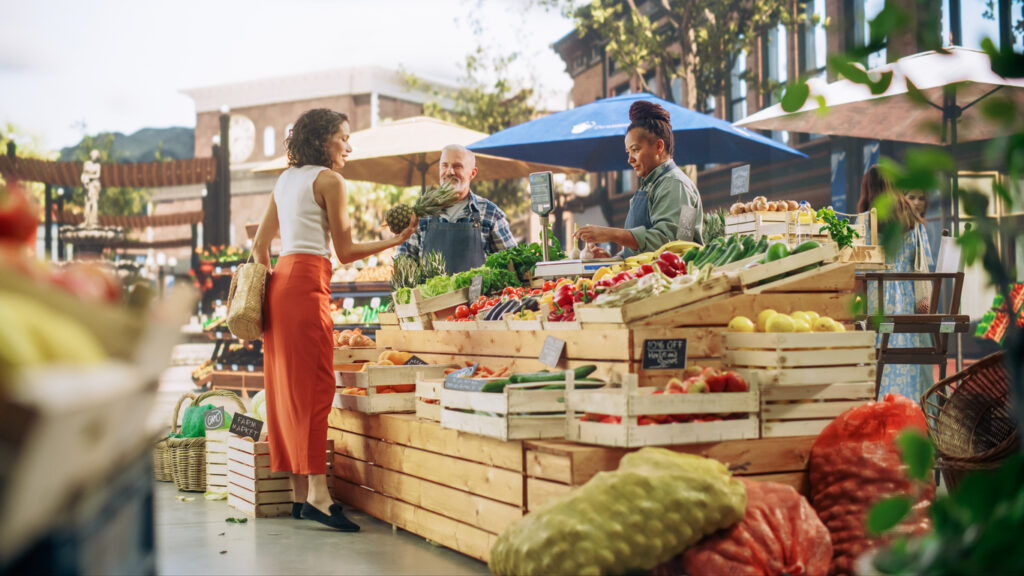
Focusing on common fruits and vegetables can mean you miss out on better deals and fresher alternatives. Lesser-known items are often cheaper and just as nutritious, since fewer people buy them. Exploring less popular produce adds variety to your meals. It stretches your money further and encourages you to discover new flavours while reducing food waste at the market.
10. Ignoring proper storage after buying
Even the freshest produce spoils quickly if it’s not stored properly. Many people leave items in plastic bags, which traps moisture and speeds up decay, especially for leafy greens. Learning the best storage methods helps your produce last longer. Simple steps like using breathable bags or storing root vegetables in cool places save money by reducing waste.
11. Forgetting to negotiate respectfully
Some shoppers feel uncomfortable bargaining, yet many vendors expect it, especially toward the end of the day. Failing to ask may mean you miss out on easy savings. Respectful negotiation can cut costs without offending sellers. By being polite and fair, you often leave with fresher food at better prices.
12. Treating it like a supermarket trip
Farmers’ markets are about more than transactions. Rushing through as if it were just another shop means you miss the chance to connect with growers and learn about the food you’re buying. Slowing down makes the experience more rewarding. Building relationships creates trust, often leading to insider tips, better deals, and a stronger sense of community.