It’s a strange thought experiment, but not an entirely pointless one.
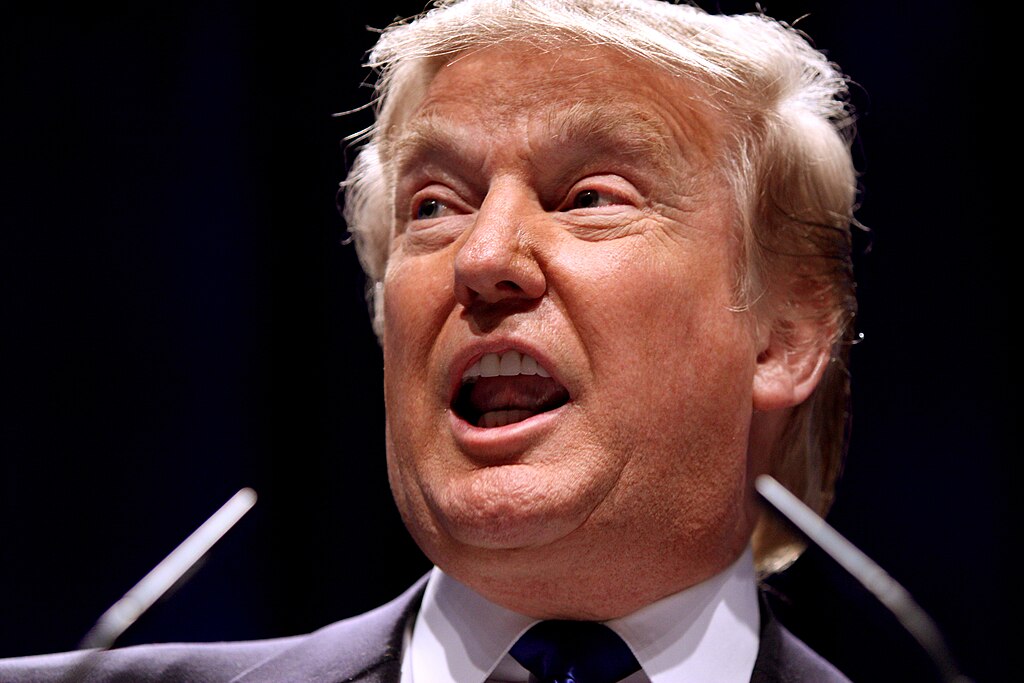
Donald Trump has never held office outside the United States, yet his political style is so distinctive that it’s easy to imagine how it might play out elsewhere. If he somehow landed in Number 10, British politics wouldn’t just change at the edges, it would feel different day to day. The tone would change, the news cycle would spin faster, and plenty of long-standing customs would be tested. Here’s what life in the UK might actually look like if Donald Trump were Prime Minister.
Prime Minister’s Questions would turn into a weekly spectacle.
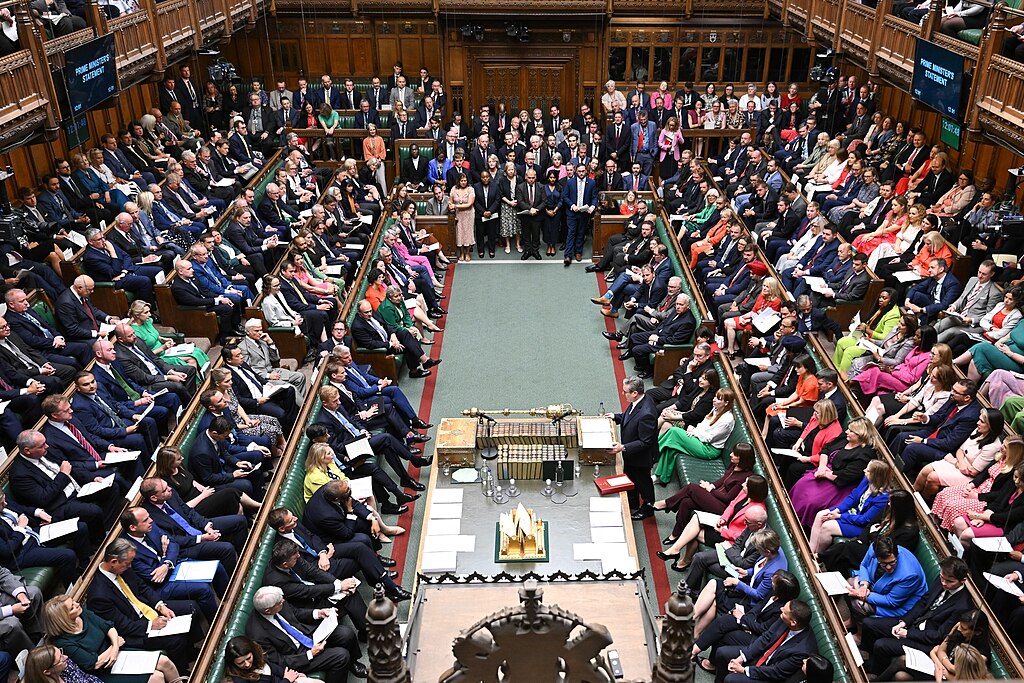
PMQs is already lively, but Trump would push it into full performance mode. Expect long, rambling answers that barely touch the question, plenty of insults aimed across the chamber, and a running commentary on how unfair everyone is being to him. He wouldn’t stick to the usual rhythms or traditions, and he certainly wouldn’t treat the Speaker with much reverence. Clips would dominate social media within minutes, and the focus would be less on policy and more on what he said, and how loudly he said it.
The tone of British politics would harden fast.
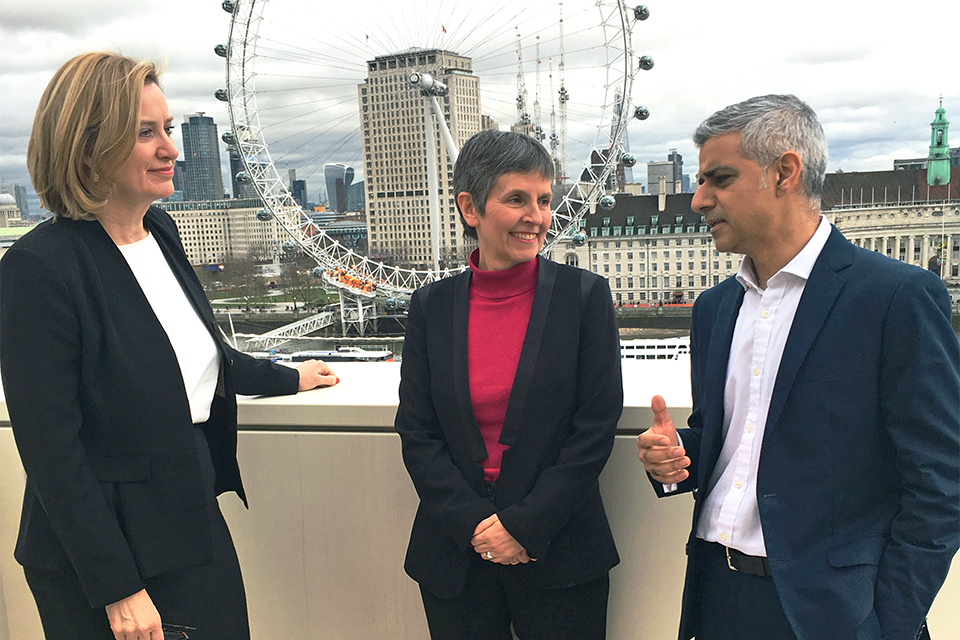
British political language has its sharp moments, but Trump’s style is far more combative. Opponents wouldn’t just be wrong; they’d be “losers,” “disasters,” or “a mess.” Debate would become personal very quickly, and the idea of respectful disagreement would slip down the priority list. That change wouldn’t stay inside Westminster either; it would seep into media coverage, public discussion, and everyday conversations. Politics would feel angrier, louder, and far more exhausting.
The civil service would be under constant pressure.
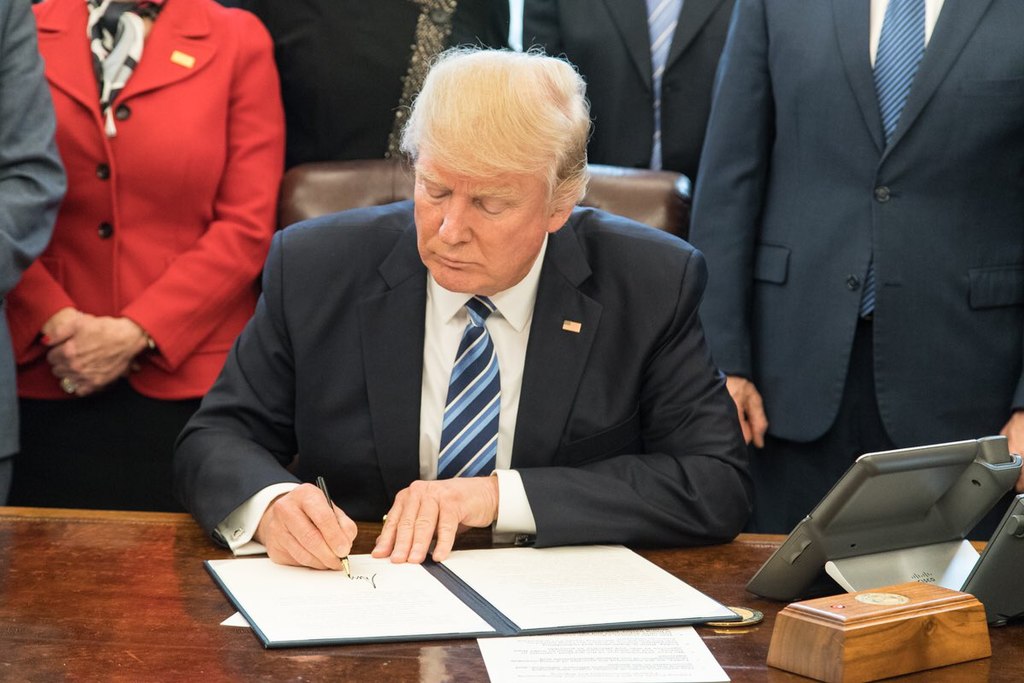
Britain’s civil service is built on quiet continuity and behind-the-scenes expertise. Trump has never been comfortable with that sort of structure. As Prime Minister, he’d likely clash with senior officials, accuse departments of dragging their feet, and publicly criticise advisers who didn’t fall into line. Expect resignations, reshuffles, and plenty of briefings to the press from unhappy insiders. The steady, low-key machinery of government would struggle under a leader who prefers instinct and loyalty over process.
The relationship with the media would turn hostile.
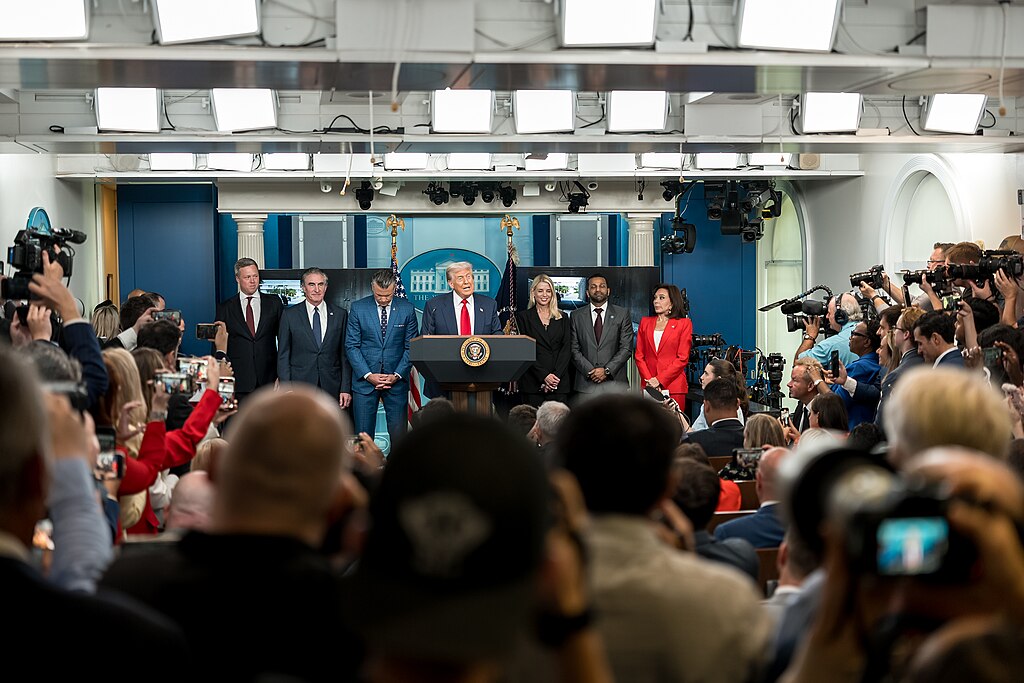
Trump has always treated the press as an enemy when coverage turns sour, and Britain would be no exception. Certain newspapers might get praise, while broadcasters like the BBC would likely face repeated attacks. Accusations of bias would become routine, and journalists asking awkward questions would be singled out. Trust between government and media, which is already pretty fragile, would fray even further, leaving the public stuck in the middle, unsure who to believe.
Immigration would dominate almost every political conversation.
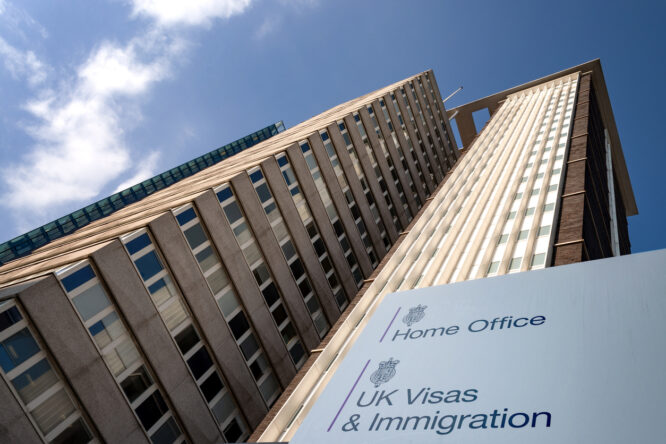
Few topics energise Trump more than borders and migration. As Prime Minister, immigration would sit at the centre of his agenda, no matter what else was happening. Policies would be framed in stark terms, speeches would lean heavily on fear and frustration, and nuance would rarely make an appearance. Even debates about housing, jobs, or healthcare would circle back to migration sooner or later. For many people, politics would start to feel like a one-issue conversation that never moves on.
Britain’s alliances would become unpredictable.
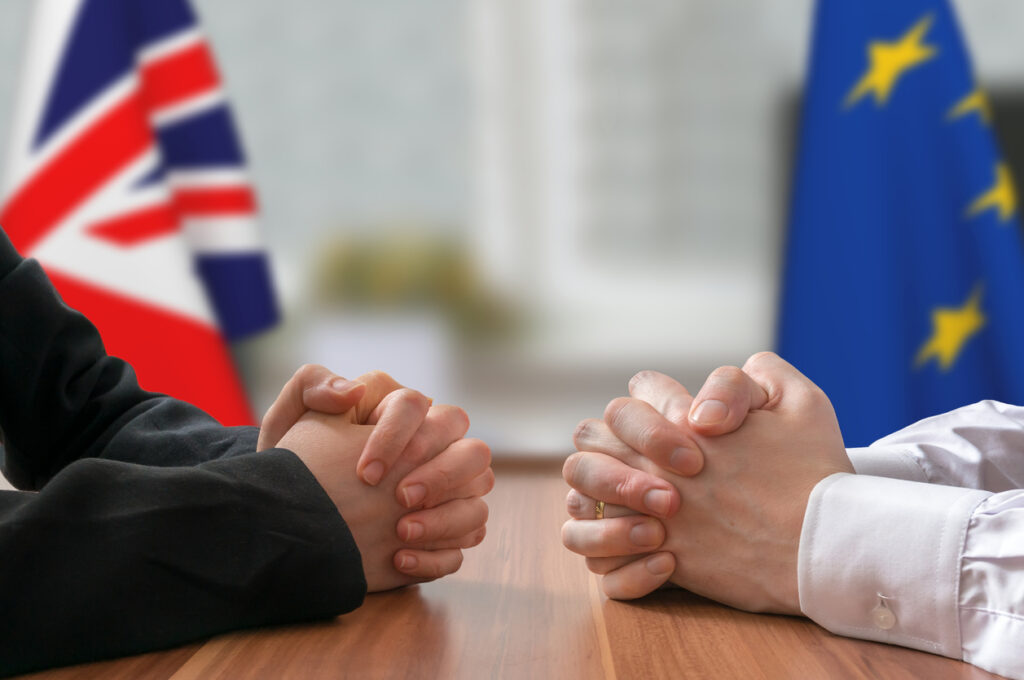
The UK prides itself on being a steady partner on the world stage. Trump’s leadership style is anything but steady. One week he might praise a foreign leader; the next he’d dismiss them entirely. Long-standing alliances could wobble depending on personal relationships rather than shared values. European leaders would struggle to work out where Britain stood from month to month, and diplomats would spend a lot of time doing damage control after off-the-cuff remarks.
Economic messaging would be bold, simple, and divisive.

Trump likes big claims about growth, success, and strength. As Prime Minister, he’d likely frame the economy in winners and losers, boasting about gains while brushing off concerns as exaggeration. Complex trade-offs wouldn’t get much airtime. If something went well, he’d take full credit; if it didn’t, blame would land elsewhere. Markets might react nervously to sudden announcements, and businesses would struggle to plan around a leader who enjoys surprises.
Devolution would become a flashpoint.
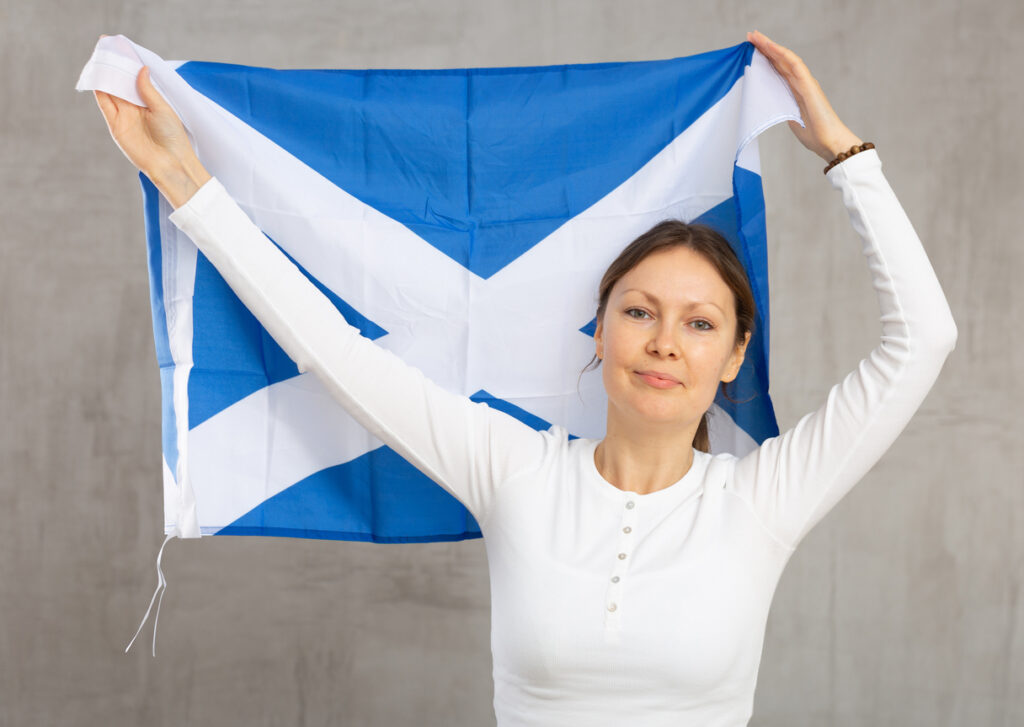
Scotland, Wales, and Northern Ireland already have complicated relationships with Westminster. Trump’s centralising instincts could put real strain on those ties. Criticism from devolved leaders wouldn’t be met with diplomacy; it would be met with public put-downs. Tensions around independence and autonomy would sharpen, not soften, and the union would feel more fragile as a result. Political disagreements that need patience would instead be met with confrontation.
Culture wars would move front and centre.
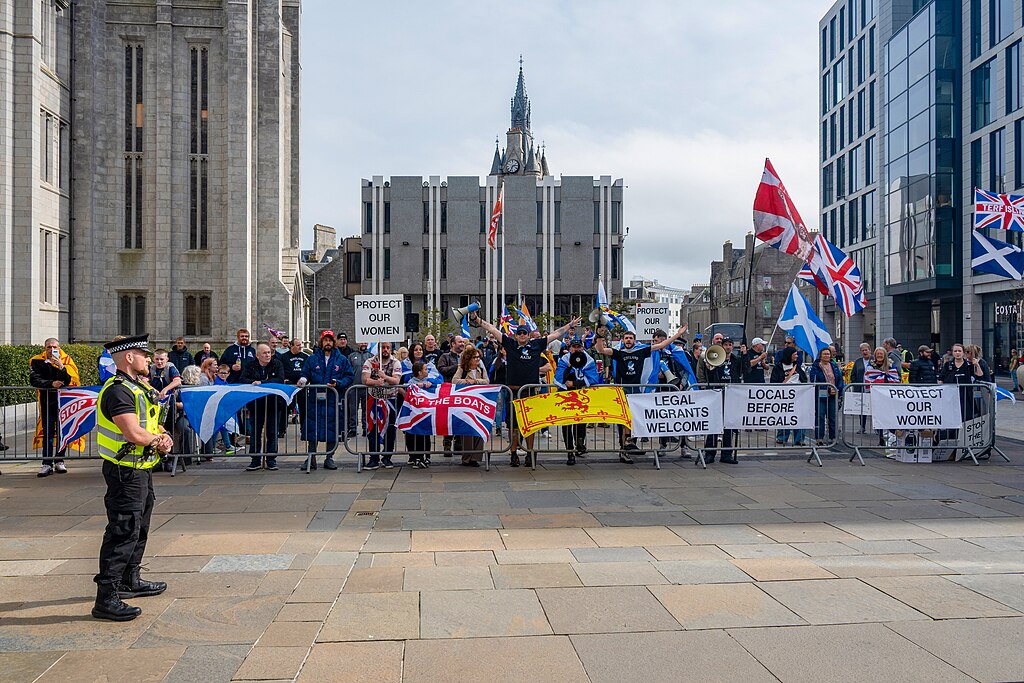
Trump thrives on cultural flashpoints. As Prime Minister, debates around national identity, history, and social change would dominate headlines. Issues that once felt marginal would be pulled into the spotlight, often framed as battles between “ordinary people” and supposed elites. That framing would deepen divisions rather than calm them. Even things that used to feel apolitical, such as sport, education, entertainment would become part of the wider fight.
Policy announcements would come fast and often.
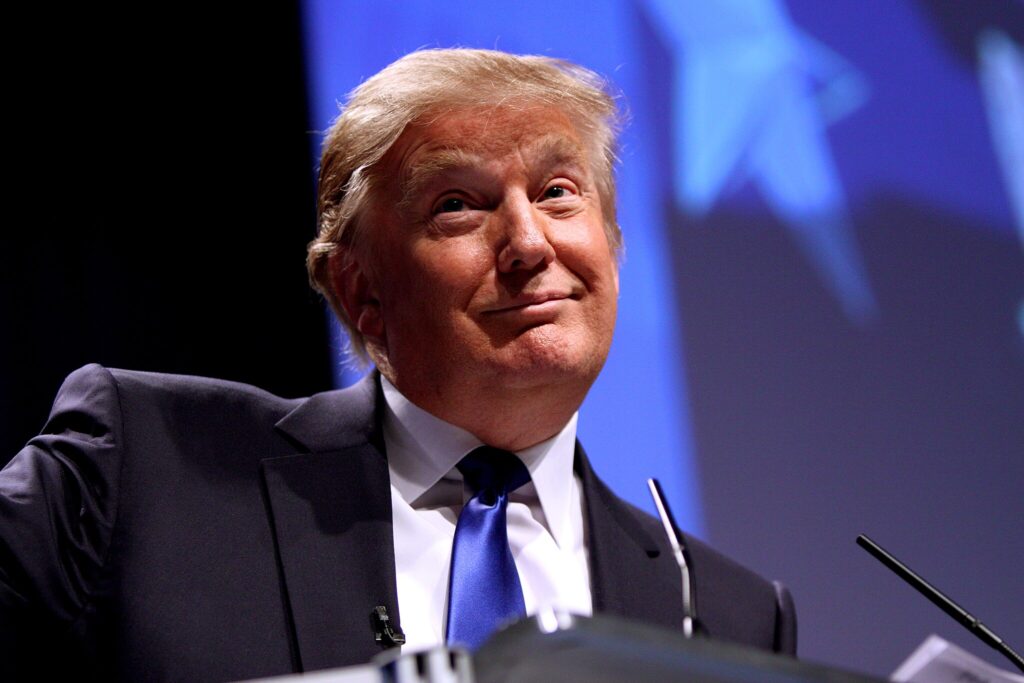
One thing Trump doesn’t lack is confidence in making big announcements. Britain would see a steady stream of declarations, promises, and sudden changes of direction. Some would stick; others would quietly disappear. Parliament, local councils, and public services would scramble to keep up. For the public, it would be hard to tell which announcements actually mattered and which were simply there to grab attention.
Experts would struggle to get a hearing.
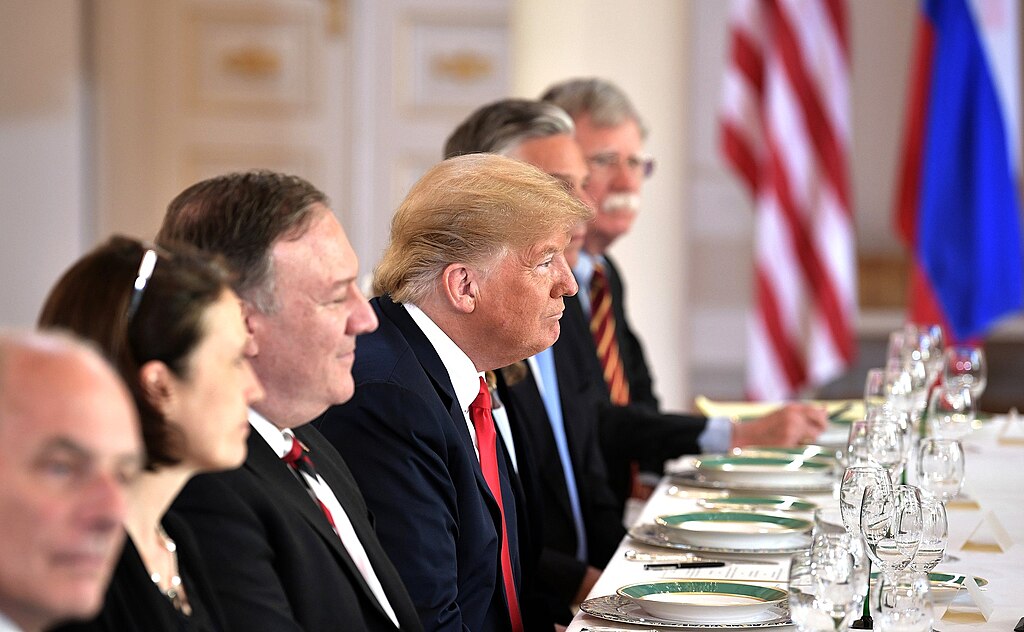
British politics often leans on expert advice, even when it’s unpopular. Trump has little patience for being told he’s wrong by specialists. Scientists, economists, and policy advisers who challenged him publicly would likely be dismissed or sidelined. Decisions would lean heavily on instinct and personal belief. For complex issues such as climate, public health, infrastructure, that could have long-lasting consequences.
Public trust in politics would become even more fragile.
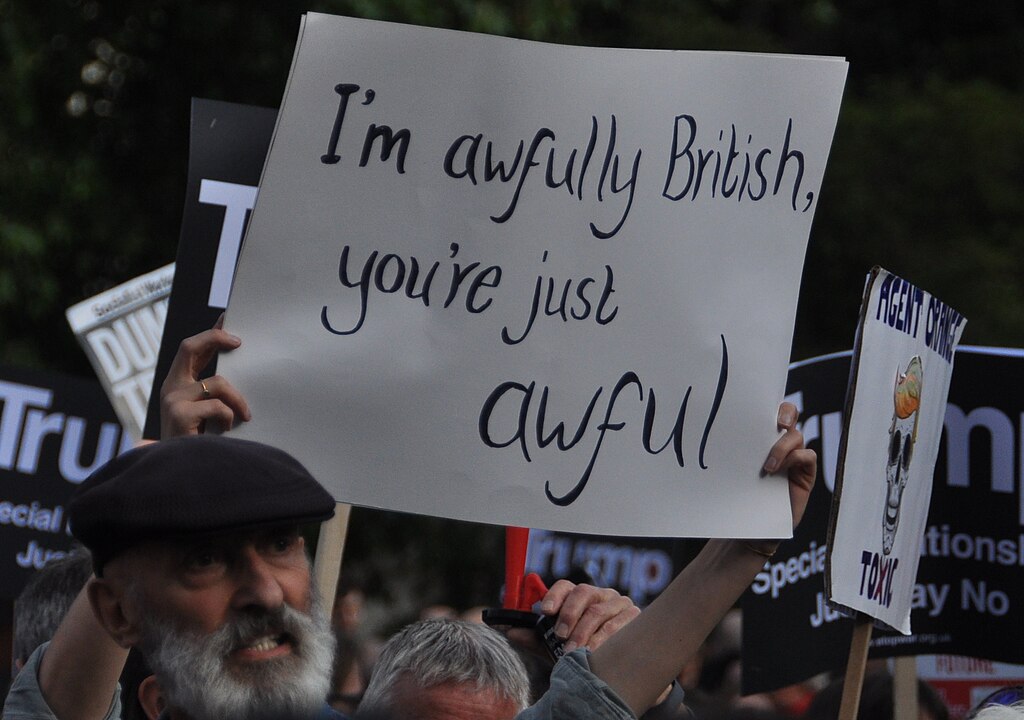
Politics already struggles with cynicism, and Trump’s presence would amplify it. Supporters would feel energised, convinced someone was finally shaking things up. Critics would feel alienated and anxious about where the country was heading. The gap between those groups would widen, making shared national conversations harder to have. Compromise would start to look like weakness rather than necessity.
The role of Prime Minister would feel less restrained.
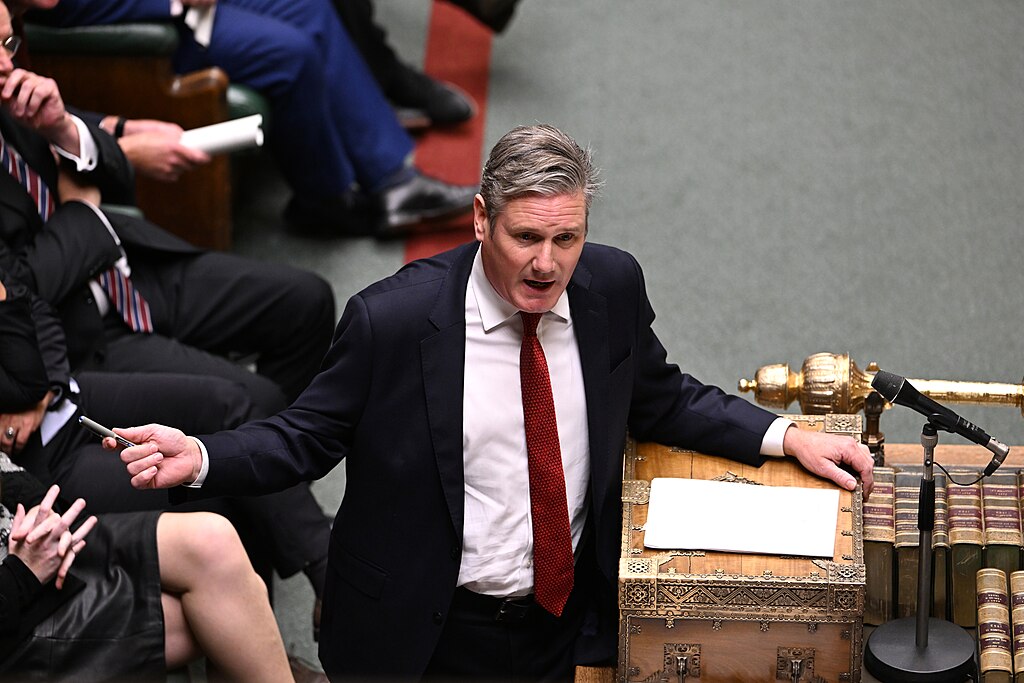
British prime ministers operate within tight traditions, legal limits, and expectations of restraint. Trump tends to test boundaries wherever he finds them. He’d push against conventions, challenge court rulings, and complain loudly when institutions slowed him down. While many checks would hold, the constant friction would change how the role feels. The office would become more personal, more visible, and more volatile.
The news cycle would never really slow down.
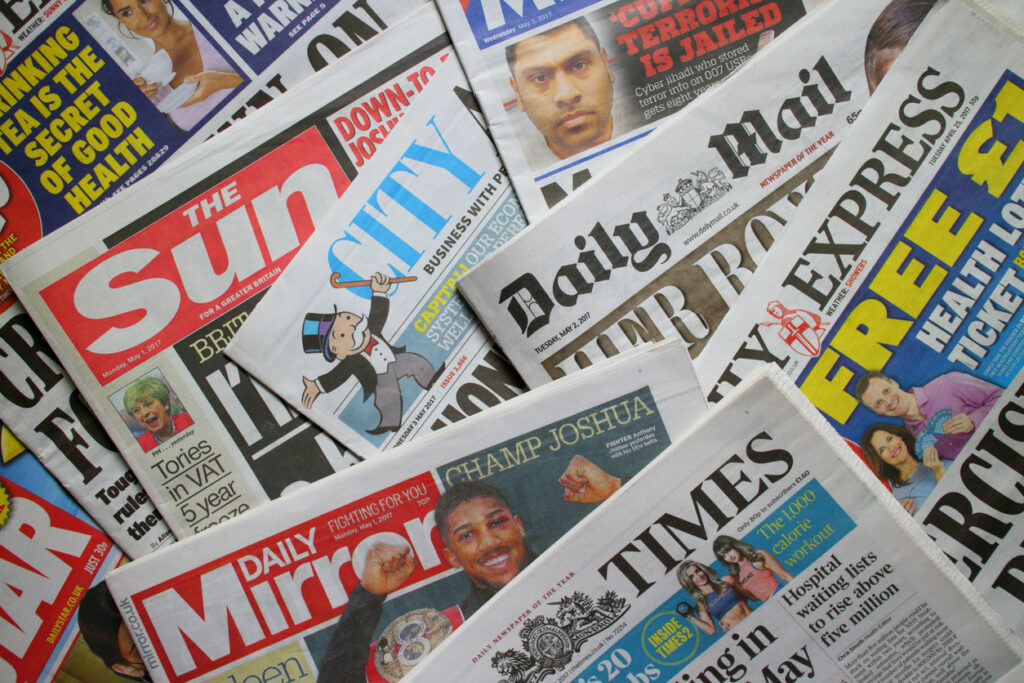
Under Trump, politics doesn’t switch off. Every day would bring a new headline, a fresh row, or a surprising statement. Quiet weeks would be rare. For some people, that would feel energising; for others, it would be deeply tiring. The sense of permanent drama would make it harder to focus on long-term issues that need sustained attention rather than constant noise.
Britain’s self-image would change dramatically.
The UK often sees itself as cautious, pragmatic, and understated, even when that isn’t entirely true. A Trump premiership would clash with that self-image. Abroad, Britain might be viewed as more confrontational and unpredictable. At home, people would argue over whether the country was finally being bold or simply losing its balance. Either way, the idea of what Britain “is” would be up for debate.
Donald Trump as Prime Minister wouldn’t just change policies; he’d change the atmosphere. Politics would feel sharper, louder, and more personal. Some would welcome the disruption, seeing it as a break from tired habits. Others would worry about what gets lost when volume replaces restraint.