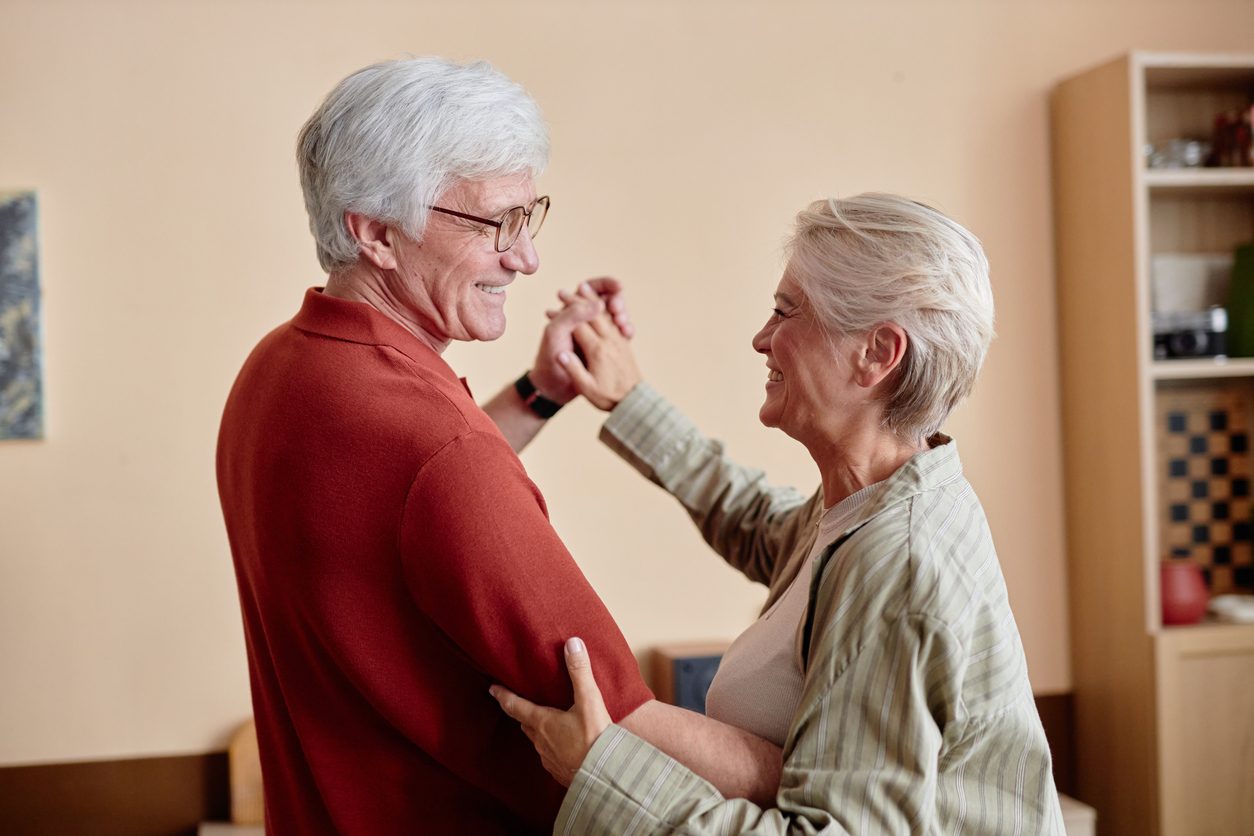
It’s one of the more annoying clichés of getting older: the idea that men age like fine wine while women are unfairly pushed toward a sell-by date.

These days, we’re seeing that this “silver fox” phenomenon isn’t a guarantee for every guy, though. It’s a very specific result of how a man handles the transition from his 20s into his 40s and beyond. For some, the years add a layer of ruggedness and authority that actually looks better than their youthful “pretty boy” days. For others, the same years just bring a general softening and a loss of vitality.
The truth is that a man’s looks don’t just improve on their own; it is a combination of changing aesthetics, better habits, and the way experience starts to show on his face. Here’s why some men get a massive upgrade as they age, while others just get older.
1. They settle into a personal style instead of copying what’s current.
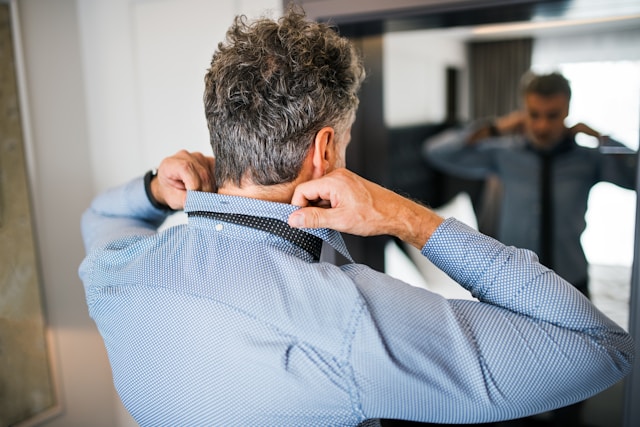
Men who age well stop worrying about what’s trending and focus on what actually suits them. Their clothes fit properly, feel intentional, and match who they are now, not who they were trying to be years ago. That consistency reads as confidence, even if the style itself is simple. The men who struggle often either cling to old habits or swing wildly toward youth culture. Both look uncomfortable. The ones who improve aren’t chasing relevance. They’re choosing familiarity and refining it.
2. Their confidence stops needing an audience.

Younger confidence often comes with noise, posturing, or defensiveness. Men who age well grow out of that. They’re calmer in how they speak and move, and they don’t rush to prove anything. Their presence fills a room without effort. Men who don’t make this change stay reactive. They confuse dominance with self-assurance and volume with strength. Over time, that strain becomes obvious, especially next to someone who looks at ease.
3. They take care of themselves without making it a statement.

Men who improve with age usually figure out the basics they once ignored. Haircuts that suit them now, facial hair that’s intentional, skin that doesn’t look constantly exhausted. None of it is flashy. It just looks considered. Men who refuse this often frame self-care as vanity or weakness. The result isn’t ruggedness, it’s neglect. The contrast grows sharper with time because care compounds, while avoidance doesn’t.
4. They move through the world with less physical tension.

Men who age well tend to become more comfortable in their bodies, even as those bodies change. Their posture improves, and their movements feel natural rather than guarded. That physical ease reads as confidence before they say a word. Men who don’t adapt often carry resentment toward their own bodies. They shrink, hunch, or move stiffly, as if trying not to be noticed. Discomfort is visible, and people respond to it instinctively.
5. Their faces reflect emotional control, not constant strain.

Emotional regulation does more for appearance than most people realise. Men who age well learn how to handle frustration without living in it. Their expressions soften, and their reactions slow down. Men who stay emotionally reactive carry it in their faces. Tight jaws, narrowed eyes, permanent irritation. Time amplifies whatever patterns are already there, for better or worse.
6. They trust their own judgement instead of chasing reassurance.

Men who improve with age stop looking outward for constant approval. They’re comfortable making decisions without polling the room. That inner steadiness shows up in how they speak and hold themselves. Men who don’t make this change remain sensitive to comparison and rejection. They read into everything, and that insecurity leaks into their interactions even when they try to hide it.
7. They become genuinely attentive in conversation.

Men who age well learn how to listen without waiting for their turn. They’re engaged rather than performative, which makes interactions feel easier and more grounded. Men who don’t improve either dominate conversations or disengage completely. Both create distance. Presence becomes more attractive as people grow tired of surface-level exchanges.
8. They let outdated relationships fall away.
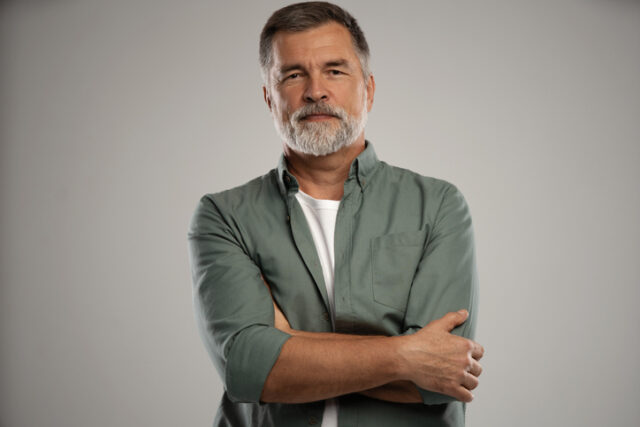
Men who age well often simplify their social world. They step back from dynamics that keep them small or stuck in old roles, and their relationships feel chosen rather than inherited. Men who cling to old hierarchies often replay the same insecurities for decades. That emotional stagnation shows in how they carry themselves and relate to others.
9. They own their mistakes without spiralling.
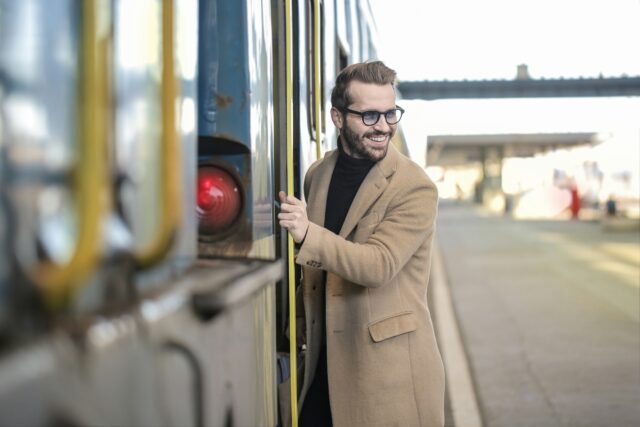
There’s a calm strength in being able to admit fault and move on. Men who age well develop that balance. They take responsibility without turning it into self-punishment. Men who don’t either avoid accountability or drown in it. Both create rigidity. Ease comes from knowing when to correct course and when to let something go.
10. They stop mistaking seriousness for substance.

Men who improve with age realise that depth doesn’t require heaviness. Their humour sharpens, their perspective broadens, and they become lighter without becoming shallow. Men who stay locked in intensity carry unnecessary weight. Everything feels charged or personal. That constant gravity wears on both them and the people around them.
11. They learn restraint instead of constant reaction.
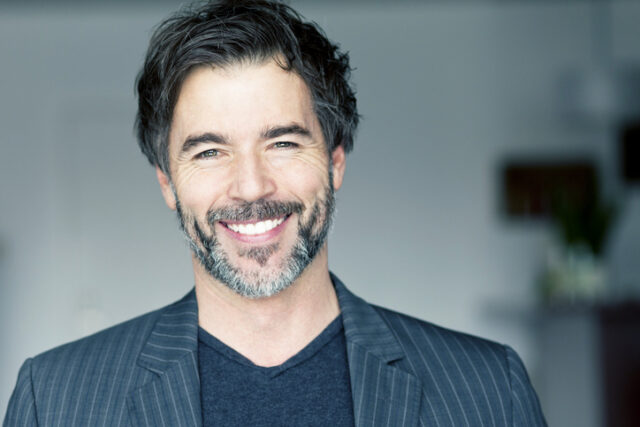
Men who age well don’t feel compelled to respond to every challenge or provocation. They choose when something is worth their energy, and when it isn’t. Men who react to everything live in friction. Arguments, online fights, lingering grudges. That tension builds over time and shows in their expression and tone.
12. They focus on competence, not image.

Men who improve invest in getting better at things that matter to them, such as skills, craft, reliability. That capability creates a quiet confidence that doesn’t need display. Men who chase admiration instead often rely on symbols rather than substance. When those symbols lose impact, frustration replaces confidence.
13. They work with ageing instead of resisting it.
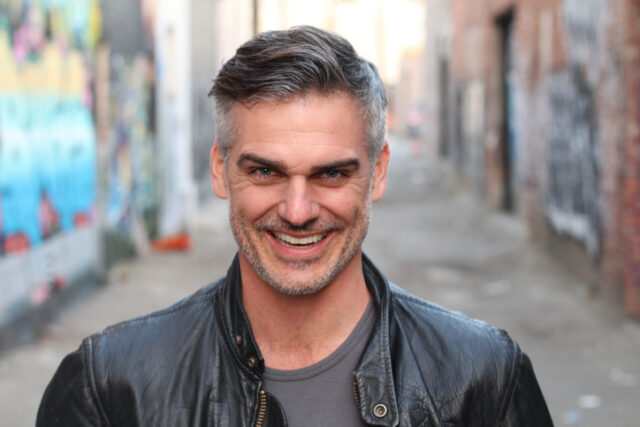
Men who age well accept change and adjust accordingly. They update routines, expectations, and self-image without bitterness. That flexibility keeps them grounded. Men who fight ageing look strained rather than youthful. Resistance shows. Adaptation looks calmer, and calm reads as attractive.
14. They stop performing and start showing up as they are.

The men who look best over time aren’t trying to impress; they’re focused on living in a way that feels honest and sustainable. That authenticity carries through everything. Men who stay stuck in performance feel rehearsed. Realness holds up better than any image because it doesn’t fracture under pressure or time.