Ageing doesn’t have to be a slow descent into aches and pains, but it does require you to stop treating your body like it’s invincible.

Most of us spend our 20s and 30s coasting on good luck, but once you hit a certain point, the lifestyle choices you’ve been making start to send the bill. It isn’t about becoming a fitness fanatic overnight or living on kale smoothies; it’s about making small, deliberate tweaks to how you move, eat, and rest so you’re not waking up feeling like you’ve been in a car wreck every morning.
If you start putting in the groundwork now, you can avoid the “rust” that tends to set in when you’re sedentary and keep your mobility and energy levels solid for the long haul. These 13 habits are the difference between coasting into your later years and feeling every single mile of the journey, giving you the chance to stay active and independent without the constant physical grief.
1. Start strength training before you think you need it.

Muscle mass begins declining in your 30s, and by the time you notice weakness or balance problems, you’ve already lost significant strength. Lifting weights or doing resistance exercises now builds a reserve that protects you later when age-related muscle loss accelerates. Strong muscles support your joints, prevent falls, and keep you independent well into old age. You don’t need a gym membership, either. Bodyweight exercises or resistance bands at home work perfectly fine. The key is consistency, not intensity, so find something you’ll actually stick with long-term.
2. Stop sitting for hours without moving.

Prolonged sitting creates tight hip flexors, weak glutes, and poor posture that leads to chronic back pain as you age. Your body adapts to whatever position you spend most time in, so if that’s slouched in a chair, you’re training yourself for pain. Set reminders to stand and move every 30 minutes, even if it’s just walking around your house for two minutes. This habit prevents the muscular imbalances and joint stiffness that make simple movements painful later. Movement throughout the day matters more than one intense workout.
3. Learn proper lifting technique for everyday tasks.
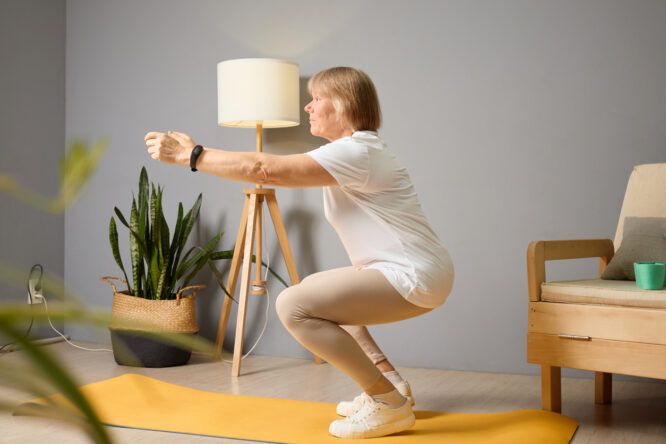
Most back injuries don’t happen at the gym, they happen picking up shopping bags, lifting children, or moving furniture using terrible form. Learning to lift with your legs instead of your back, keeping loads close to your body, and avoiding twisting while carrying weight prevents cumulative damage. These aren’t just rules for heavy lifting, they apply to every single time you pick something up. Bad lifting habits compound over decades until your back simply gives out from years of strain.
4. Maintain flexibility through regular stretching.

Tight muscles and stiff joints make everything hurt more as you age because your body compensates with poor movement patterns. Spending just 10 minutes daily on basic stretches keeps your range of motion and prevents the shuffling, limited movement you see in people who’ve lost flexibility. Yoga, Pilates, or simple static stretches all work, the method matters less than doing it regularly. Flexibility you don’t use, you lose, and getting it back later is significantly harder than maintaining it now.
5. Address minor pains before they become major problems.

That nagging knee discomfort or occasional shoulder twinge won’t just go away on its own, it’ll worsen over time if you ignore it. Seeing a physiotherapist early for minor issues prevents them from developing into chronic conditions that require surgery or permanent lifestyle changes. Many people wait until they can barely function before seeking help, by which point the damage is extensive. Treating problems while they’re still small and manageable saves you years of unnecessary pain.
6. Maintain a healthy weight to protect your joints.

Every extra pound you carry puts additional stress on your knees, hips, and back with every single step you take. Over decades, this excess weight literally wears out your joints faster than they were designed to last. Losing weight isn’t about vanity, it’s about reducing the mechanical load on your body so it lasts longer. Even modest weight loss significantly reduces joint pain and your risk of needing replacements later. Your joints have to carry you for life, so giving them less to carry makes that job easier.
7. Build bone density while you still can.

Bone density peaks in your 30s and declines from there, so building strong bones now protects you from fractures and breaks later. Weight-bearing exercises like walking, running, or resistance training signal your body to maintain bone strength. Adequate calcium and vitamin D intake supports this process, but exercise is what actually stimulates bone growth. Osteoporosis isn’t inevitable, it’s largely preventable through lifestyle choices you make decades before it would typically appear.
8. Stop wearing shoes that damage your feet.

High heels, narrow toe boxes, and shoes with poor arch support create foot deformities, bunions, and chronic pain that worsens with age. Your feet are your foundation, and damaging them affects your knees, hips, and back through altered gait and posture. Choosing supportive, properly fitted shoes now prevents problems that make walking painful later. Foot problems compound because once your structure is damaged, everything above it has to compensate.
9. Practice good posture throughout your day.

Rounded shoulders, forward head posture, and slouching create muscle imbalances and spinal issues that become painful and harder to correct as you age. Your spine has natural curves that distribute weight properly, but poor posture strains muscles and compresses joints unnaturally. Being mindful of how you sit, stand, and move reinforces proper alignment before bad habits become structural problems. Posture correction gets exponentially harder the longer you’ve been doing it wrong.
10. Keep your core strong to protect your back.

A weak core forces your lower back to do work it wasn’t designed for, leading to chronic pain and injury. Core strength isn’t about visible abs, it’s about the deep muscles that stabilise your spine and pelvis during movement. Planks, dead bugs, and bird dogs strengthen these stabilising muscles better than crunches ever will. Strong cores prevent back pain more effectively than any other single factor because they take pressure off your spine.
11. Stay hydrated to maintain joint health.

Dehydration reduces the fluid in your joints and discs, making them less able to cushion movement and absorb shock. This leads to increased friction and faster deterioration of cartilage over time. Drinking adequate water throughout the day keeps these tissues lubricated and functioning properly. Many people live in a state of chronic mild dehydration without realising it’s contributing to their joint stiffness and discomfort.
12. Get quality sleep to allow proper recovery.

Your body repairs tissue damage, reduces inflammation, and processes pain differently during deep sleep. Chronic poor sleep amplifies pain perception and prevents your body from healing normal daily wear and tear. Prioritising seven to nine hours of quality sleep gives your body the recovery time it needs to maintain itself. Sleep deprivation is linked to increased chronic pain conditions because your body never gets enough time to properly repair itself.
13. Move in different ways to avoid repetitive strain.

Doing the same movements repeatedly without variation creates overuse injuries and muscular imbalances that cause pain as you age. Cross-training with different activities works different muscle groups and movement patterns, preventing the wear patterns that come from repetition. If you run, add swimming or cycling to balance things out and give overworked tissues a break. Variety in movement is protective because it distributes stress across your entire body instead of concentrating it in the same places constantly.