We love to get defensive when people criticise our national cuisine, pointing to our high-end gastropubs and the diverse food scene in London as proof that we’ve moved on.
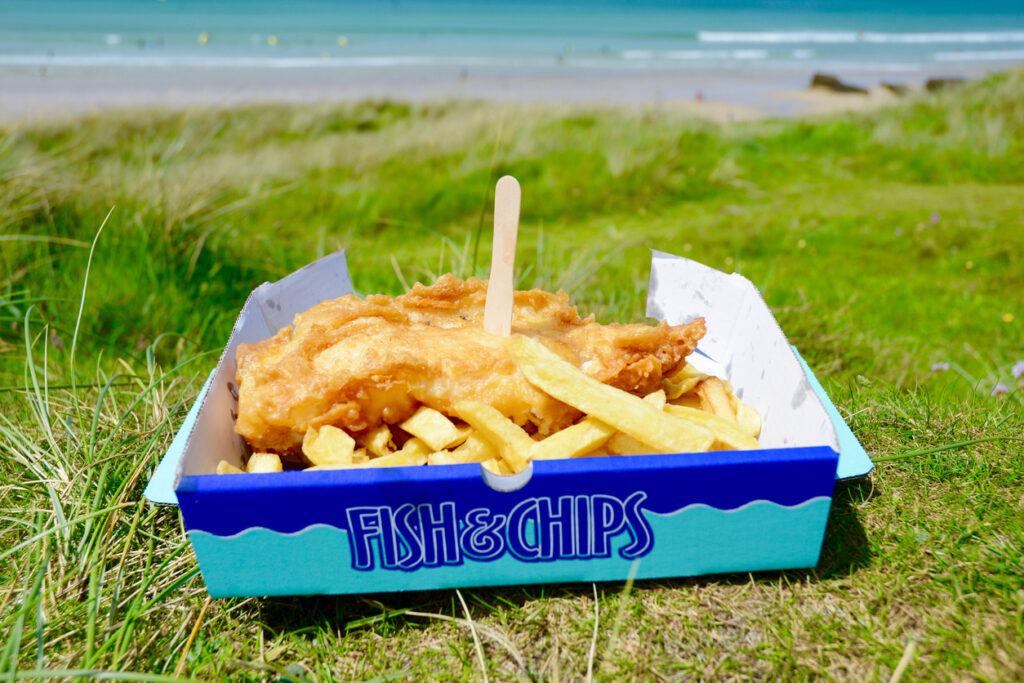
However, if we’re being honest with ourselves, the global reputation for British food being bland, beige, and overcooked didn’t just appear out of thin air. While we’ve certainly got world-class chefs, the average daily reality for many in the UK still involves a heavy reliance on ultra-processed convenience and a historical hang-up about spice and texture.
We tell ourselves that our “honest” comfort food is the envy of the world, but often we’re just clinging to nostalgia to avoid admitting that our high-street food culture can be pretty grim. There’s a reason the world still looks at a plate of jellied eels or a grey school dinner and recoils, and it’s time we faced up to the fact that we might not be the culinary powerhouse we think we are.
We boil everything until it loses any will to live.
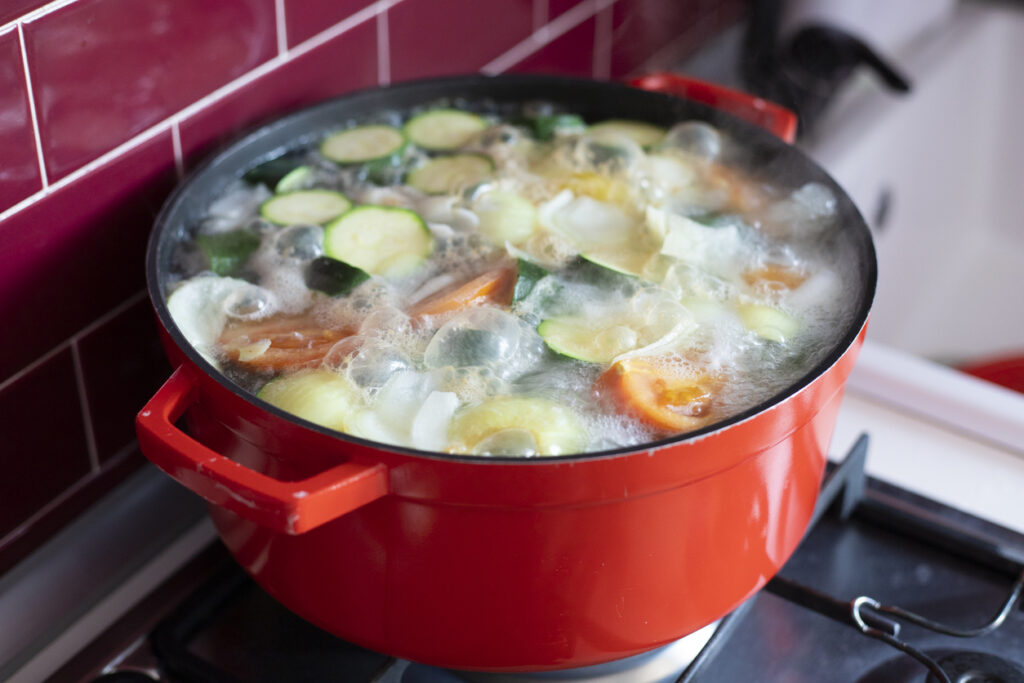
Vegetables in British cooking traditionally get boiled into submission until they’re grey and mushy. There’s no crunch, no colour, and frankly no point. You can’t claim your food culture is brilliant when your standard approach to a Brussels sprout is to cook it until it surrenders all flavour and texture. Other countries roast, sauté, or steam their veg to perfection, and we just… boil.
Our national dishes are based on making cheap ingredients palatable.
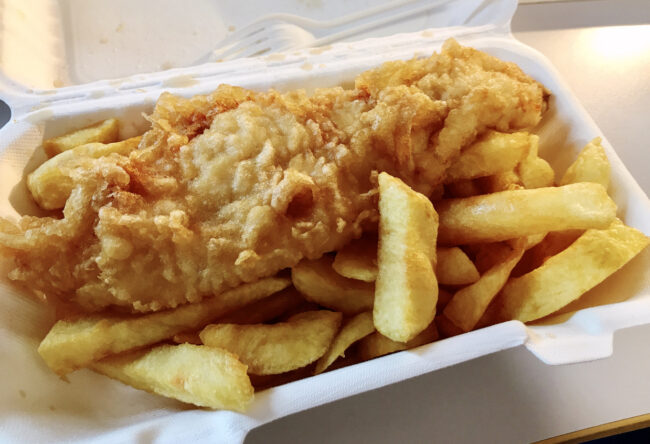
Fish and chips, pie and mash, bangers and mash—these aren’t celebration foods, they’re survival foods. They emerged from working-class communities trying to make inexpensive ingredients filling and edible. That’s admirable from a historical perspective, but it doesn’t exactly scream culinary sophistication. We built our food identity around making do, and it shows.
Beans on toast is considered an acceptable meal.
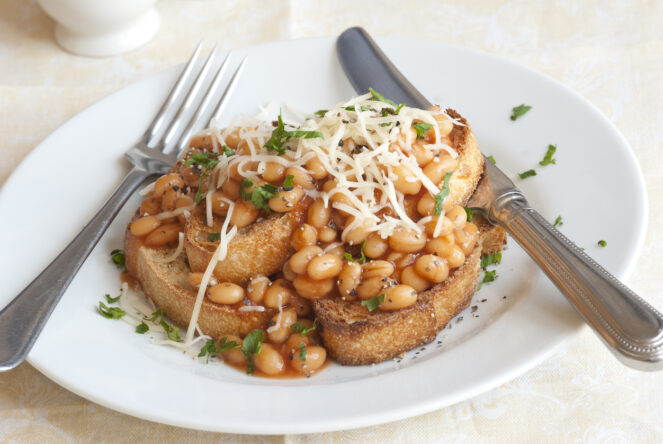
In what other food culture would tinned beans on bread count as proper dinner? We genuinely serve this to guests and think nothing of it. It’s not even that we’ve elevated it with special beans or artisanal bread most of the time. It’s Heinz beans from a tin on whatever toast you’ve got going, and somehow that’s meant to be fine. It’s delicious, of course, but that’s not the point.
We’re genuinely proud of food that’s mostly beige.
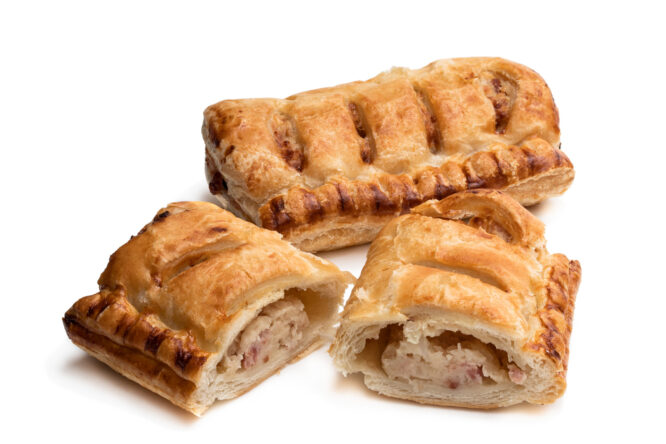
Look at a traditional British plate and count the colours. You’ll find approximately one, maybe two if you’re lucky. Beige is our culinary aesthetic. Whether it’s fried foods, pastries, mashed potatoes, or bread, everything occupies the same depressing corner of the colour spectrum. Nutritionists tell us to eat the rainbow, and we’ve chosen magnolia.
We conquered half the world for spices and then didn’t use any of them.
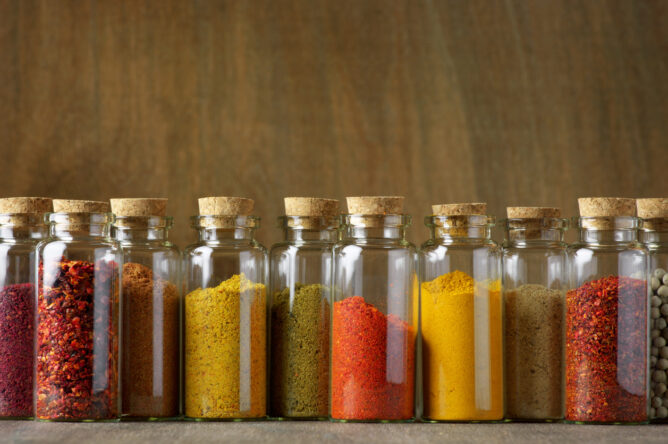
This is the real kicker. Britain had access to incredible spices from India, the Caribbean, and beyond, and our response was to ignore them completely in our home cooking. We built an empire on the spice trade and came home to make unseasoned meat pies. The cognitive dissonance is staggering.
Sunday roast is genuinely good, but it’s literally our only win.
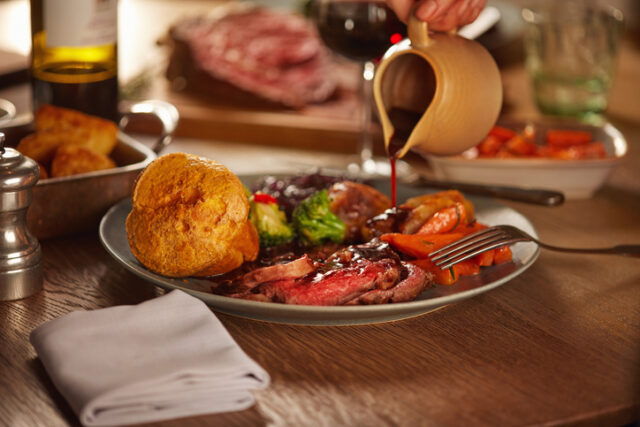
When people defend British food, they point to the Sunday roast, and yes, it’s lovely. Proper roast beef with crispy potatoes and good gravy is genuinely excellent. But that’s one meal. One. You can’t hang an entire culinary reputation on a single weekly dinner, especially when the rest of the week involves things like Spam fritters.
Our sandwiches are deliberately engineered to be boring.
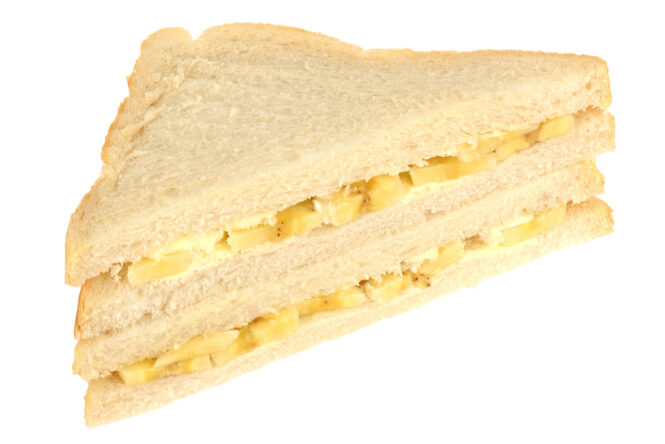
The meal deal has become a national institution, and what do we fill our sandwiches with? Egg mayonnaise. Tuna sweetcorn. Cheese and pickle. These aren’t flavour combinations that excite anyone. We’ve industrialised mediocrity and convinced ourselves it’s normal to eat a sad triangle of bread with minimal filling every day for lunch.
We treat seasoning like it’s a dangerous substance.

Salt and pepper are apparently where we draw the line. Suggesting garlic or herbs in traditional British cooking gets treated like you’re being unnecessarily fancy. Our grandmothers genuinely believed that flavour was suspicious and that food should taste primarily of its own blandness. That attitude hasn’t entirely disappeared, and you can taste it.
Black pudding is a hard sell to anyone who isn’t already convinced.
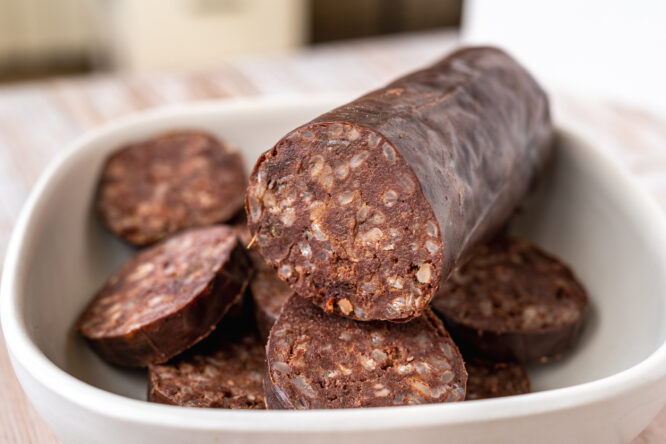
We expect people to be impressed that we eat congealed blood mixed with fat and grain. Yes, it tastes nice if you grew up with it, but objectively speaking, it’s not the strongest argument for British culinary creativity. Every defence of black pudding basically amounts to “just don’t think about what it is,” which isn’t exactly confidence-inspiring.
Our baking is excellent, but that’s basically just sugar doing the heavy lifting.

Victoria sponge, scones, and sticky toffee pudding are all genuinely good. But let’s be honest, it’s hard to mess up when your main ingredients are butter, sugar, and flour in various combinations. We’re good at making things sweet and calorific. That’s not the same as having sophisticated flavour profiles or culinary technique.
The concept of “meat and two veg” is our idea of a balanced meal.
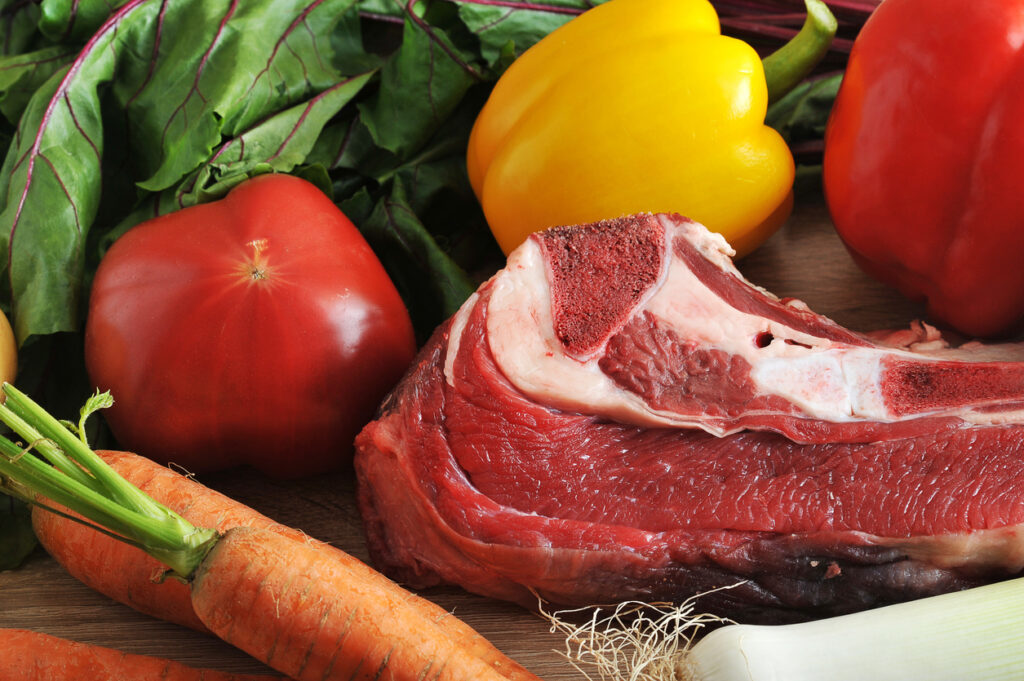
This is literally our framework for dinner. A protein and two vegetables, usually boiled. There’s no consideration of how flavours work together or whether textures complement each other. It’s just three separate items on a plate existing near each other. Other cultures create dishes where ingredients combine into something greater, and we just sort of arrange things in sections.
We invented the chip butty and thought that was fine.

Carbs on carbs with butter in between. That’s the entire concept. It’s not even dressed up as something fancy or given a pretentious name. We just put chips between bread and called it a meal. The fact that it’s genuinely tasty doesn’t change the fact that it’s objectively ridiculous as a food item.
Our cheese is good, but we still put cheddar on everything.
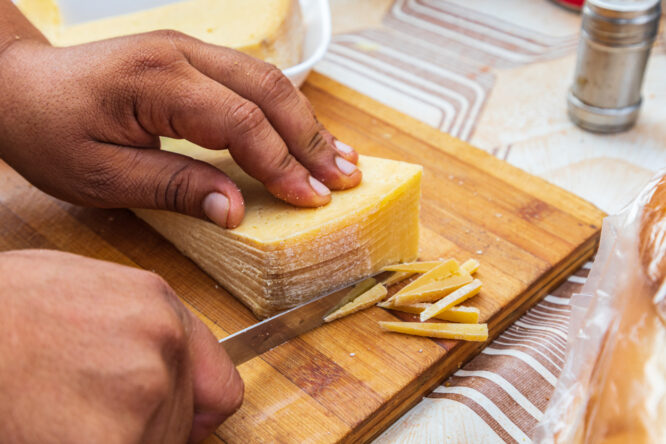
Britain makes some genuinely excellent cheeses like Stilton, Red Leicester, and Wensleydale. But what do we actually eat? Cheddar. Just cheddar. On everything. In everything. We have this wonderful variety available, and we ignore it in favour of the same orange block we’ve been eating since childhood. It’s like having a wine cellar and only drinking Liebfraumilch.
We’re defensive about our food because deep down, we know the truth.

The tell-tale sign that British food deserves its reputation is how aggressively we defend it when anyone criticises it. We wouldn’t need to be so defensive if we genuinely believed our cuisine was good. The protests are too loud, too insistent, too focused on exceptions rather than the rule. We know our food isn’t great, and the defensiveness is just our way of coping with that uncomfortable truth.