Becoming a British citizen is more than just passing a test or finally getting that blue passport; it’s about all the weird, small realisations you have when you’ve lived here long enough to actually “get” the place.

People who were born here often take the strangest bits of life for granted, but when you’ve come from somewhere else, you notice the things that make this island feel like home in a way that’s hard to explain to anyone else. It’s those moments where you find yourself apologising to a door you just walked into, or when you finally understand why a bit of weak sunshine is enough to make everyone head to the nearest park with a bag of cans.
You develop a massive appreciation for the things that would’ve seemed bizarre when you first arrived. There’s a specific kind of pride in navigating the absolute chaos of the NHS, or finally mastering the art of the “right” level of sarcasm in a work meeting without offending everyone. It’s about the comfort of a rainy Tuesday, the quiet reliability of a local library, and that feeling of relief when you realise you’ve stopped converting prices back to your old currency. These things might seem mundane to a local, but for those of us who chose to be here, they’re the real markers that we’ve finally settled in.
1. The sheer volume of public footpaths cutting through private land
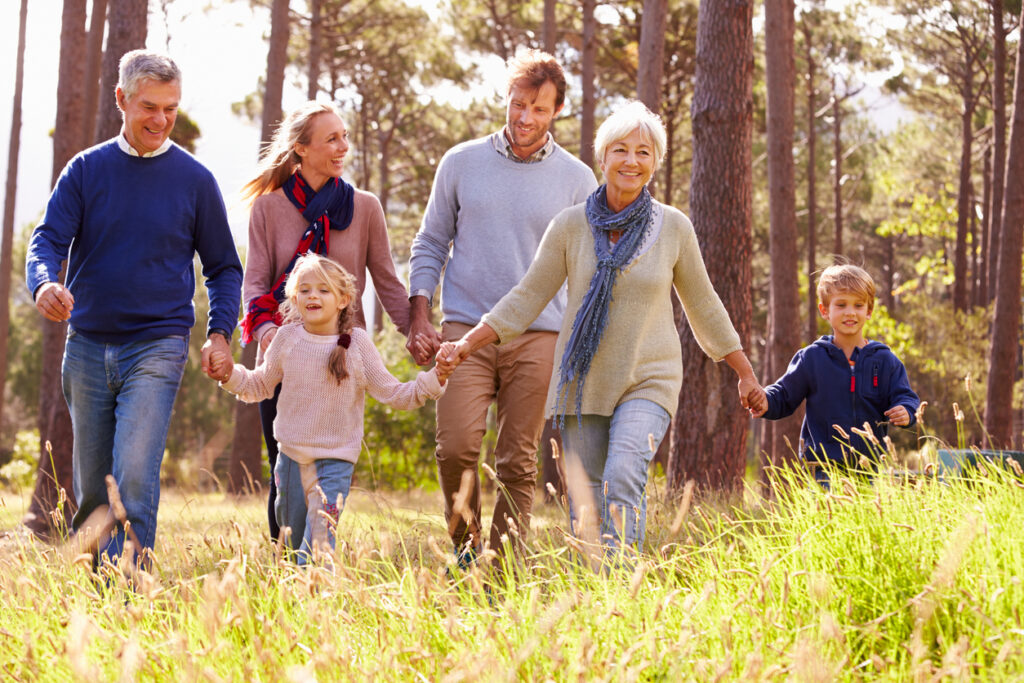
Over 130,000 miles of public footpaths crisscross England and Wales, many dating back centuries or even to Roman times. Coming from countries where trespassing on private property gets you shouted at or worse, walking through someone’s field legally because there’s a designated path is surreal. The fact that landowners can’t just block these routes off, and that councils maintain maps of every single one, shows a completely different relationship between public access and private ownership that most Brits don’t even think about.
2. How queueing actually keeps society from descending into chaos

British people form queues for everything without even thinking about it, but if you’re from somewhere with a more aggressive approach to getting served, you realise how brilliant this system is. Nobody’s elbowing past you at the bus stop or the post office. There’s an unspoken agreement that everyone gets their turn based purely on who arrived first, and people will genuinely tut at queue jumpers. It’s not just politeness, it’s a functional social contract that makes daily life less stressful.
3. Sending your children to school without worrying they’ll be shot
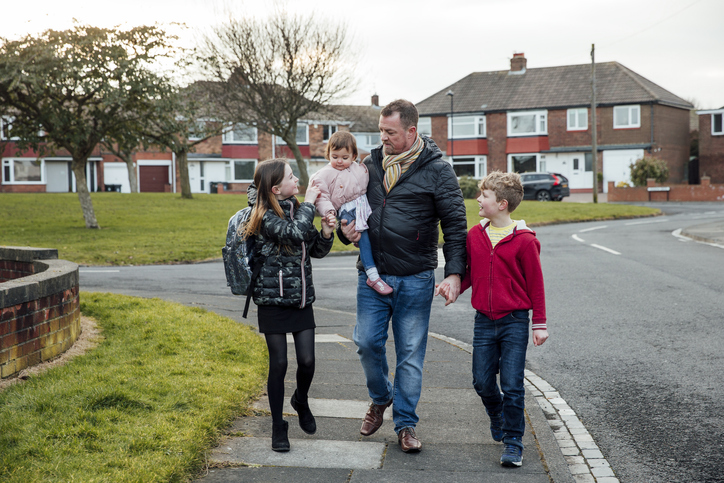
Parents who moved from countries with gun violence understand this in a way that’s hard to explain to people who’ve never lived with that fear. British kids go to birthday parties, cinemas, shopping centres and schools without their parents mentally preparing for the worst. The absence of active shooter drills and metal detectors at schools isn’t something you appreciate until you’ve experienced the alternative.
4. Bank holidays in May being an actual gift from the gods

Two Mondays off in one month while the weather’s finally decent and everything’s blooming? People born here moan about rain on bank holidays, but immigrants from countries with minimal annual leave or no concept of long weekends know these days are precious. May bank holidays feel like society collectively agreeing that everyone deserves a break when spring’s actually happening.
5. Dogs being welcome in pubs, trains, and most shops

British people think nothing of bringing their dogs into pubs or onto public transport, but this is genuinely shocking if you’re from somewhere that treats dogs as outdoor-only animals or views them with suspicion. The fact that you can ask “can my dog come in?” and usually hear “yes of course” shows how deeply embedded animal appreciation is in British culture. The casual acceptance of dogs in public spaces makes the whole country feel more relaxed.
6. The NHS existing at all, despite its problems
People who grew up with the NHS complain about waiting times and underfunding, and they’re right to. But if you’ve ever had to choose between medical treatment and paying rent, or watched someone ration insulin because they can’t afford it, the NHS feels revolutionary. Walking into A&E knowing you won’t get a bill that bankrupts you is a freedom that British-born people can’t fully grasp because they’ve never lived without it.
7. Markets that sell absolutely everything imaginable

British markets aren’t just farmers selling vegetables, they’re chaotic wonderlands of random stuff. You’ll find someone selling vintage typewriters next to a bloke flogging cheap tools next to a woman with homemade cakes. Markets happen weekly in most towns, and they’re treated as a normal part of shopping rather than a special event. For immigrants, especially from more rigid retail cultures, the anything-goes nature of British markets feels properly democratic.
8. How “sorry” functions as social lubrication rather than actual apology

British people say sorry when you walk into them, when they need to squeeze past you, when they’re about to ask a question, and approximately fifty other times a day. If you’re from a culture where sorry means genuine remorse, this takes ages to understand. Eventually, you realise it’s not about fault, it’s about smoothing social interactions and showing you’re aware of other people’s space. Once you crack this code, life here makes much more sense.
9. Countryside access being treated as a fundamental right

The Countryside and Rights of Way Act lets you walk on mountains, moors, heaths and downs even when they’re privately owned. Coming from countries where countryside is either entirely privatised or entirely wild with nothing in between, this measured approach to access is fascinating. British people complain about blocked footpaths without appreciating that most countries simply don’t have this legal framework protecting public access to nature.
10. The genuinely relaxed attitude toward letting dogs everywhere

Dogs on trains, in pubs, wandering through shops while their owners browse. If you’re from a country where dogs are seen as outdoor animals or viewed with suspicion in public spaces, the casual acceptance here is remarkable. You can take your dog almost anywhere and nobody bats an eyelid. The greenspaces, the general animal-friendliness, and how normal it is to see dogs just living their lives alongside their humans makes Britain feel unusually welcoming for four-legged family members.
11. How casual the approach to heritage and history is

British people will mention “oh yeah, that church is from the 1400s” while barely looking up from their phones. There are medieval buildings functioning as normal pubs or shops, Roman walls that people walk past daily, and castles treated as unremarkable local features. When you’re from somewhere with limited historical architecture, or where old buildings are carefully preserved as special attractions, the sheer density of history just sitting there being used normally is staggering.
12. Pubs functioning as community living rooms

British pubs aren’t just places to drink, they’re where communities actually gather. Old blokes turn up at the same time daily for their pint. Friends meet for Sunday lunch. Parents bring their kids on weekends. The pub serves as a de facto social centre in a way that restaurants or bars don’t in other countries. For immigrants used to more formal drinking establishments or no drinking culture at all, watching pubs operate as relaxed communal spaces takes some getting used to, but it’s brilliant once you understand it.
13. How sarcasm and banter replace actual emotional conversation

British people will mock their closest friends relentlessly and call it affection. Self-deprecation is the default setting, and compliments often come wrapped in insults. If you’re from a culture where you say what you mean directly, or where criticism indicates actual displeasure, this takes forever to decode. Eventually, you work out that someone constantly ripping into you probably likes you, while excessive politeness might mean they’re keeping distance. It’s an entire emotional language that operates on subtext rather than clarity.