Every generation has that moment where they look at the group coming up behind them and wonder what on earth is going on.
It’s a bit of a rite of passage to find the next lot’s obsession with certain trends or digital habits a total mystery. If you’re not part of Gen Z, you’ve probably found yourself squinting at your phone trying to decode a slang term or wondering why everyone is suddenly obsessed with filming themselves in the middle of a supermarket. It’s easy to write it off as just another bunch of kids being “extra,” but there’s usually a bit more to it than that.
The reality is that the world Gen Z has grown up in looks nothing like the one the rest of us navigated. What feels like a weird quirk to an older observer is often a dead-serious priority for them, whether it’s the ethics of where they shop or the way they curate their entire existence online. You might not lose sleep over the same things they do, but understanding what actually makes them tick is better than just shouting at clouds. It’s a fascinating look at how much the goalposts have moved in just a few years.
1. Their digital footprint is practically a second identity.
Gen Z treats their online presence like a carefully curated CV because, for them, it basically is. They grew up knowing that universities and employers would Google them, so they’ve been managing their digital reputation since they were teenagers. Every post, every comment, every tagged photo gets considered before it goes up.
Older generations might chuck any old photo on Facebook without thinking twice, but Gen Z knows the internet is forever. They’ve seen people lose jobs and opportunities over decade-old tweets, so they’re hyperaware of what they’re putting out there. It’s not paranoia, it’s just sensible when your entire life has been documented online since birth.
2. Mental health talk is completely normalised for them.
Gen Z discusses therapy and anxiety the way older generations talk about the weather. There’s no shame attached to seeing a counsellor or taking medication for depression. They’ll casually mention their therapist in conversation like it’s the most normal thing in the world because for them, it is.
Their unapologetic openness baffles older generations, who were taught to keep a stiff upper lip and sort yourself out. But Gen Z saw millennials start breaking down the stigma, and they’ve taken it further, making mental health care as routine as going to the dentist. They’re not being dramatic, they’re just honest about struggles that previous generations suffered through in silence.
3. Authenticity matters more than looking perfect.

Gen Z can spot fake authenticity a mile off, and they hate it. They’d rather follow someone who’s messy and real than someone with a perfectly filtered life. They saw millennials burn out trying to present perfect Instagram lives, and they’re having none of it. Raw, unfiltered content performs better with them than polished perfection.
This drives older marketers mad because traditional advertising doesn’t work on them. They want to see the spots and the struggles, not the highlight reel. An influencer admitting they’re having a rubbish day gets more engagement than someone pretending everything’s brilliant. It’s a complete flip from the aspirational marketing that worked on previous generations.
4. Climate change keeps them awake at night.
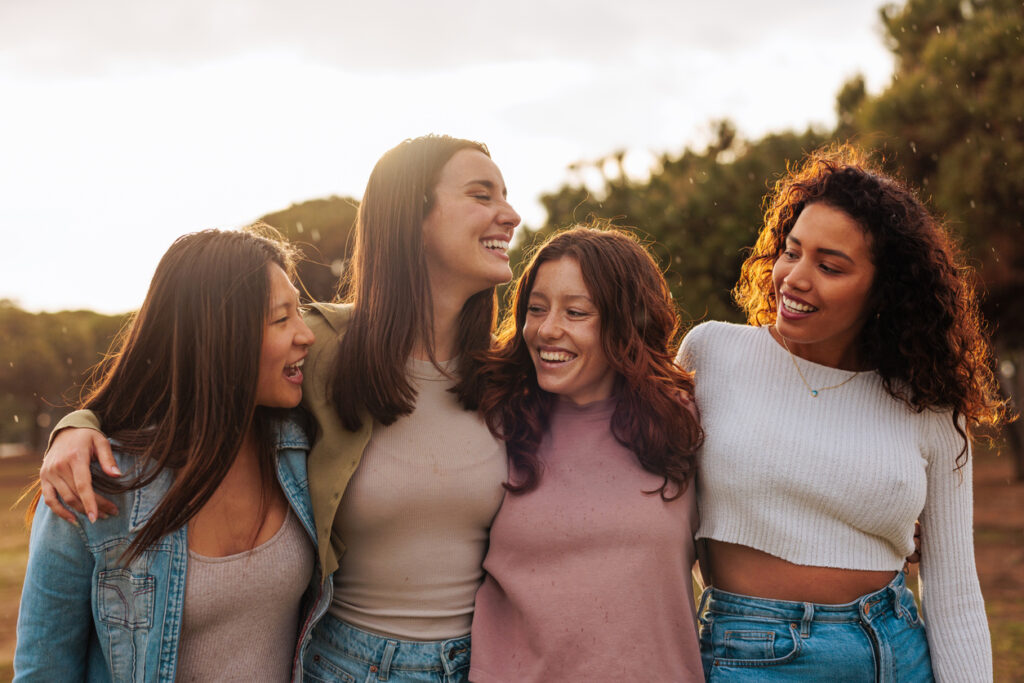
Gen Z isn’t just worried about climate change, they’re genuinely terrified about inheriting a dying planet. They’ve grown up with constant news about melting ice caps, extreme weather, and scientists saying we’ve got limited time to fix things. It’s not abstract future worry for them, it’s their actual future being cooked.
Older generations might care about the environment, but Gen Z feels the urgency in their bones. They’re the ones who’ll be dealing with water shortages and climate refugees in their lifetime, not in some distant future. It shapes everything from their career choices to what they buy, and they get frustrated when older people treat it like it’s optional to care.
5. Side hustles aren’t just extra money, they’re survival.

Gen Z expects to have multiple income streams because they’ve watched older generations get made redundant and struggle. The idea of one job for life seems laughably naive to them. They’re running Etsy shops, doing freelance design work, creating content, all while holding down a regular job because they don’t trust any single employer to look after them.
This isn’t about being entrepreneurial or ambitious, it’s about security. They saw their parents’ generation work loyally for companies that dumped them without a second thought. They know pensions are rubbish, and they probably won’t be able to afford property, so they’re diversifying income while they’re young. Older people call it being flighty, but Gen Z sees it as being realistic.
6. Representation in media actually matters to them.

Gen Z notices when TV shows, films, and adverts don’t reflect the diversity they see in real life, and they’ll call it out. They expect to see different races, body types, sexualities, and abilities represented, not as tokens but as normal. They’ve grown up in more diverse environments than previous generations, and they want media that reflects that.
Older generations might think this is political correctness gone mad, but for Gen Z it’s just about seeing the world as it actually is. They’re not asking for special treatment, they just want media that doesn’t pretend everyone’s straight, white, and able-bodied. When they don’t see themselves or their mates represented, they notice, and they’re vocal about it.
7. Where products come from matters as much as the price.

Gen Z will pay more for sustainable, ethical products because they care about the supply chain. They want to know if workers were paid fairly, if animals were harmed, if the production damaged the environment. Fast fashion brands are losing them because they’ve seen the documentaries about sweatshops and pollution.
This baffles older shoppers who just want a bargain, but Gen Z sees cheap prices and wonders who’s paying the real cost. They’d rather buy secondhand or pay more for ethical brands than contribute to exploitation. It’s not virtue signalling, they genuinely believe their purchasing power matters and they’re using it.
8. Work-life balance trumps climbing the corporate ladder.

Gen Z watched millennials burn out chasing promotions, and they’re not interested. They want jobs that let them actually live, not careers that consume every waking hour. They’ll turn down higher-paying jobs if it means sacrificing their mental health or personal time. The idea of living to work seems absurd to them.
Older managers call them lazy or entitled, but Gen Z just has different priorities. They’ve seen people work themselves to death for companies that replaced them within a week. They’d rather earn less and have time for hobbies, relationships, and rest than sacrifice everything for a job that doesn’t care about them.
9. Online activism feels as real as taking to the streets.

Gen Z takes online activism seriously and gets frustrated when older people dismiss it as slacktivism. They organize protests through social media, raise awareness about issues, and hold people accountable through online pressure. They’ve seen hashtags lead to real-world change, and they believe digital action matters.
Older generations might think activism requires physical presence, but Gen Z knows the internet is where movements gain momentum. They’re signing petitions, sharing information, calling out injustice, and they’ve seen it work. It’s not laziness, it’s using the tools they have to create change in a connected world.
10. Pronouns aren’t just a trend, they’re basic respect.
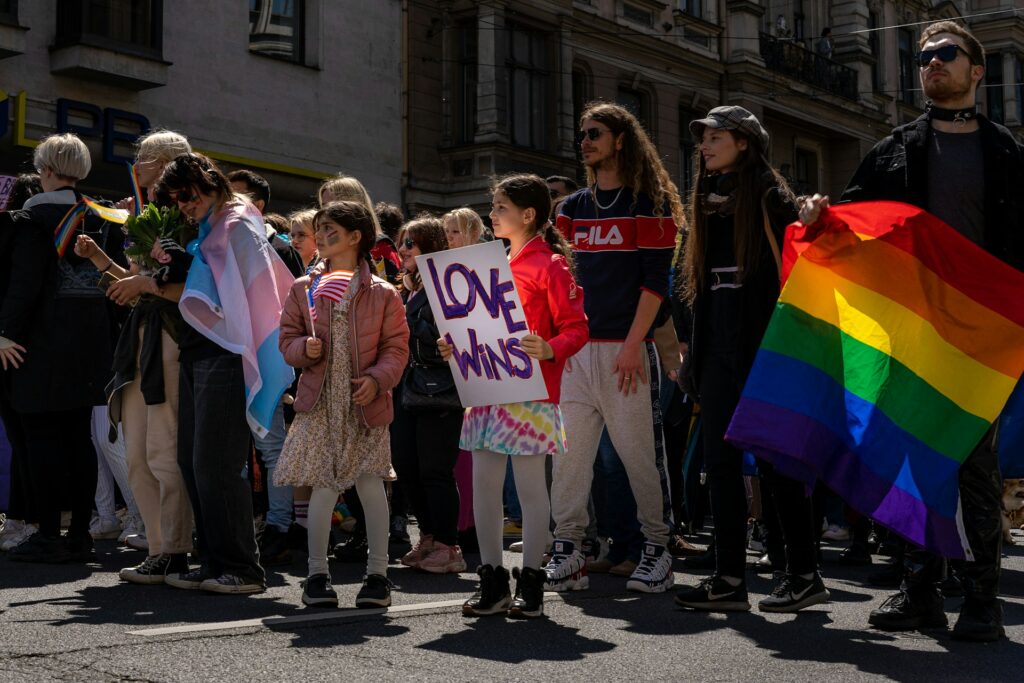
Gen Z treats pronouns as a simple courtesy, not a political statement. Adding pronouns to email signatures or asking someone’s pronouns feels as normal to them as asking someone’s name. They understand gender as more fluid than previous generations were taught, and they’re comfortable with that complexity.
Older people often struggle with this and see it as unnecessary or confusing, but Gen Z just sees it as being polite. They’ve grown up with trans and non-binary friends, and respecting pronouns is just basic decency to them. Getting upset about they/them pronouns seems as ridiculous to them as getting upset about someone’s preferred nickname.
11. Cancel culture is about accountability, not witch hunts.

Gen Z doesn’t see cancel culture as mob mentality, they see it as holding people accountable when institutions won’t. They believe public figures should face consequences for harmful behaviour, and if traditional systems won’t deliver justice, social media will. They’re not trying to ruin lives, they’re trying to create consequences that didn’t exist before.
Older generations worry about due process and proportionality, but Gen Z has watched powerful people escape consequences their entire lives. They’ve seen celebrities, politicians, and companies get away with terrible behaviour, so they’re using the one tool they have, which is their collective voice online. It’s not perfect, but to them, it’s better than nothing.
12. Financial literacy matters because they’re starting from behind.

Gen Z is obsessed with understanding money because they know they’re financially screwed compared to previous generations. They’re learning about investing, budgeting, and building wealth because they watched millennials drown in student debt. They talk openly about salaries and financial struggles, breaking the British taboo around money.
They’re not being materialistic, they’re being realistic. They know they probably can’t afford to buy houses, pensions are questionable, and they’ll likely work longer than their parents did. So they’re educating themselves early, sharing financial tips, and trying to build security in an economy that’s stacked against them.
13. Digital privacy is worth fighting for.

Gen Z cares deeply about data privacy even though they live online. They understand how their data is collected, sold, and used in ways older generations don’t. They use VPNs, read privacy policies, and get angry when apps track them. They grew up watching tech companies get rich off user data, so they’re more cautious about what they share.
Older people often think Gen Z shares everything online, but they’re actually quite strategic about privacy. They’ll post publicly but use finsta accounts for real life, they understand privacy settings, and they’re suspicious of apps that ask for too many permissions. They want the benefits of being online without being the product.