Living in Britain often feels like a constant exercise in just getting by while the basic stuff we rely on falls apart.
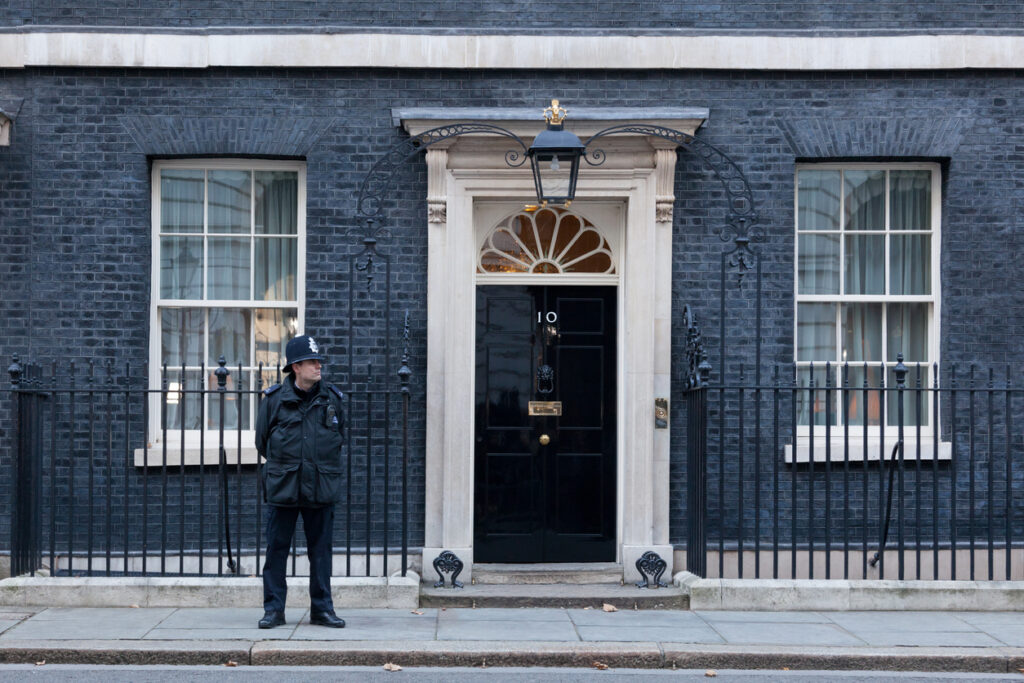
We’ve reached a point where cancelled trains, impossible GP appointments, and high streets full of empty shops are just part of the furniture. It’s incredibly frustrating because the potential for a decent life is clearly there, but it’s buried under a mountain of decaying infrastructure and costs that make the simple act of existing feel like a massive graft.
If someone actually sat down and sorted these 14 specific headaches, the country would finally start to make sense again. We’re talking about fixing the things that actually impact your day, from a housing market that’s a total shambles to the fact that we can’t seem to finish a building project without it becoming a national embarrassment. Sorting this isn’t about some grand vision; it’s just about reaching a level of basic competence so we can all stop worrying about whether the bins will be collected or if the roof is going to hold.
1. Homes became genuinely affordable again

The housing mess leaks into everything, from stress levels to family plans to whether people can take a job in another town. When rent and mortgages swallow such a big chunk of income, it makes daily life feel like a constant squeeze, even for people who are working full-time and doing all the right things.
If you woke up tomorrow with enough decent, affordable homes in the places people actually live and work, the country would feel instantly more liveable. People could move for work, start families without panic, and stop feeling like they’re one landlord decision away from chaos.
2. Renting stopped feeling like a long-term gamble

A lot of renters are paying loads for places that are damp, cold, or falling apart, and it chips away at your health and your sanity. Even if you get on with your landlord, the power balance can make people put up with stuff they shouldn’t because moving costs money and takes energy most people don’t have.
If decent standards were properly enforced, renting would stop feeling like you’re taking a risk every time you sign a contract. You could settle in a place without worrying that asking for repairs will suddenly make your life harder.
3. NHS waits got back to something close to normal

People aren’t only annoyed about waiting, they’re worn down by it. When you can’t get seen quickly, you spend weeks worrying, taking time off work, or pushing through pain because you can’t face the hassle again. If waiting lists and urgent care pressure dropped, a lot of that background anxiety would go with it. It’s hard to relax in a country where getting ill feels like it might turn into months of delays and chasing.
4. Social care stopped being a crisis that families quietly absorb

This one doesn’t always get talked about in the same way, but it’s everywhere in real life. When social care doesn’t work, families end up doing the heavy lifting, often while juggling jobs, kids, and their own health, and it can slowly grind people down.
Fixing it would also take pressure off hospitals because so many beds get stuck when people can’t be discharged safely. If there was enough support for older and disabled people, you’d see less burnout, fewer emergencies, and a lot more dignity in everyday life.
5. Food prices felt normal again

When the weekly shop keeps creeping up, it’s not just annoying, it changes how people live. You buy less, you buy worse, you skip little treats, and you start doing that horrible mental maths in the supermarket aisle.
If wages and prices felt like they belonged in the same universe again, day-to-day life would calm down overnight. People would stop feeling like they’re budgeting as a full-time job, and families wouldn’t be constantly adjusting meals around what’s suddenly become expensive.
6. Energy bills stopped being a constant stressor
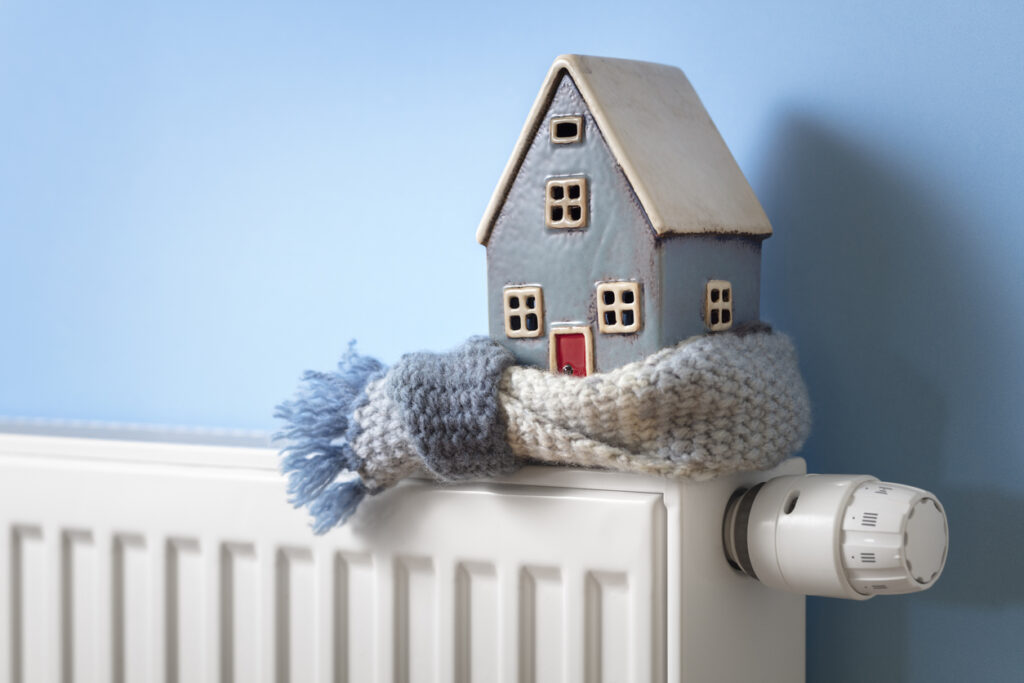
Even when the price cap changes a bit, energy still feels like this unpredictable monster in the background. Heating your home shouldn’t feel like a luxury choice, especially when so many houses are draughty and built to leak warmth. If bills were manageable and homes were better insulated, winter would stop feeling like a financial endurance test. You’d also see health improve because living in a cold, damp home doesn’t just feel grim, it genuinely takes a toll.
7. Wages matched the real cost of life

Most people aren’t asking to be rich. They just want work to cover a normal life without needing a side hustle, credit cards, or constant worry, especially in jobs that keep the country running. If pay rises properly kept up with housing, food, and energy, you’d feel it everywhere. People would spend more locally, feel less tense, and stop living with that nagging sense that they’re falling behind, no matter how hard they try.
8. Trains and buses became reliable and reasonably priced

Transport is one of those things you only notice when it’s bad, and it’s been bad for ages in a lot of places. When services are patchy, expensive, or unreliable, it blocks people from jobs, friends, family, and even basic appointments. Fixing it isn’t just down to convenience; it’s about opportunity. A country feels smaller and friendlier when you can get around without planning your whole day like a military operation.
9. Water companies stopped treating rivers like a dumping problem

Most people don’t expect pristine wilderness everywhere, but they do expect rivers and coasts not to be repeatedly hit with sewage discharges. It’s disgusting, it harms wildlife, and it’s made lots of people lose trust that anyone’s really protecting the basics. If this were properly fixed, it would be a massive quality-of-life upgrade. Clean rivers and cleaner seas mean safer swimming, healthier wildlife, nicer local places, and one less constant story that makes the country feel run down.
10. Basic admin stopped feeling like it hates you

So much stress comes from admin friction, trying to sort benefits, housing, GP paperwork, council stuff, and endless forms that seem designed to wear you down. People can handle bad news better than they can handle endless confusion and phone queues.
If services were simpler and clearer, it would save millions of hours of frustration. It also stops the most vulnerable people being punished just because they don’t have the time, confidence, or energy to fight systems that feel built to resist them.
11. Policing and the courts felt like they actually functioned

When people don’t think crimes will be properly dealt with, it changes how safe they feel day to day. It also feeds that wider mood of nothing working and nobody being held accountable, which spreads quickly and makes communities feel colder.
If the basics improved, like response times, case backlogs, and the feeling that reporting something is worth doing, it would lift a lot of low-level anxiety. Even small changes in trust can make a place feel more stable.
12. Schools had the funding and support to focus on teaching again

Schools are dealing with more than lessons. There are behaviour issues, stretched special needs support, staff burnout, and parents under pressure, and kids pick up all of it whether anyone wants them to or not. If schools had proper support and kids could get help early, classrooms would feel calmer and outcomes would improve without turning teachers into unpaid social workers. A country feels healthier when its schools aren’t stuck in survival mode.
13. Mental health support was easy to get before people hit crisis point

Loads of people don’t need intense treatment, they need early help, consistent support, and somewhere to turn before life falls apart. When that isn’t there, things get worse, work gets harder, relationships get shakier, and people end up in A&E because everything else failed first. If access was faster and more local, it would take pressure off the NHS and make life feel less fragile. It also stops people feeling dramatic for needing help because help is simply there, like it should be.
14. Politics felt less like noise and more like problem-solving
You don’t have to agree with whoever’s in charge to feel like the country is being run with basic competence. What drains people is the constant sense of chaos, arguing, and short-term decisions that don’t touch the real problems everyone’s living with.
If the big issues were treated like long-term projects, housing supply, health capacity, infrastructure, clean water, people would feel steadier. That steadiness is a huge part of what makes a country feel like a good place to live, even when life is still messy.