You might think you’re a perfectly law-abiding citizen, but there’s a good chance you’ve committed a few crimes before you’ve even finished your morning brew.

The UK is packed with ancient, bizarre statutes that have never actually been binned, meaning we’re all technically outlaws without even trying. Most of these rules are so old they sound like a joke, but they’re still sitting there in the books, just waiting for a very bored copper to take notice. From how you handle your post to what you do at the pub, these 10 obscure laws prove that it’s almost impossible to get through twenty-four hours in Britain without breaking at least one rule.
1. Shaking your doormat after 8 a.m. is illegal.
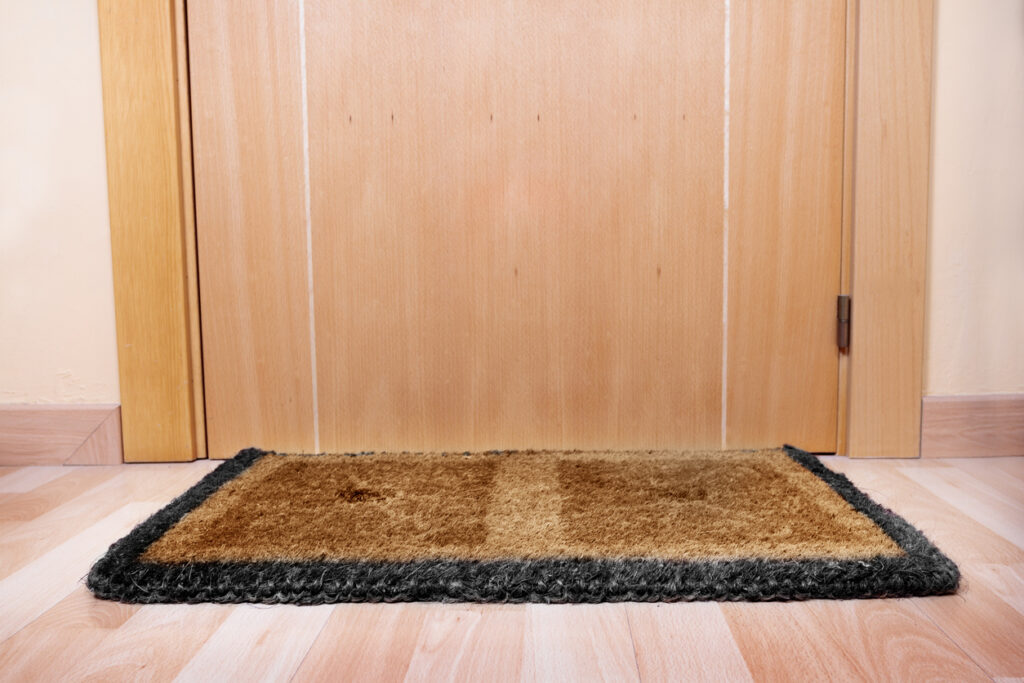
The Metropolitan Police Act 1839 makes it an offence to shake your doormat in the street after eight o’clock in the morning, and this law technically still applies in London today. The rule was created during Victorian times, when dust and dirt from doormats would coat the streets and cause respiratory problems for residents. If you’ve ever given your mat a good shake outside your front door after breakfast, you’ve broken the law. The fine was originally set at a level that would be substantial today, though prosecutions haven’t happened in living memory.
2. Handling salmon in suspicious circumstances breaks the law.

The Salmon Act 1986 created an offence of handling salmon in suspicious circumstances, and yes, that’s the actual wording of the legislation. This law was designed to combat salmon poaching and the black market trade in illegally caught fish, but the vague phrasing has made it a source of endless amusement. If you’ve ever bought salmon from someone you weren’t entirely sure about, or handled salmon that you suspected might have dodgy origins, you could technically be prosecuted. The law requires you to prove your salmon was obtained legally if questioned.
3. Being drunk in a pub is technically illegal.

Under the Licensing Act 1872, it’s an offence to be drunk on licensed premises, which obviously includes every pub in the country. This creates a bizarre situation where the entire purpose of going to a pub contradicts the law governing pub behaviour. The legislation was meant to prevent disorderly conduct rather than criminalise normal drinking, but it’s worded so broadly that anyone who’s had a few pints has technically broken it. Police rarely enforce this unless someone is causing actual problems, but the law remains on the books.
4. Singing rude songs in public breaks the law.

The Town Police Clauses Act 1847 makes it illegal to sing profane or obscene songs or ballads in the street, and this applies throughout England and Wales. If you’ve ever drunkenly belted out a song with questionable lyrics on your way home from a night out, you’ve committed an offence that could theoretically lead to a fine. The Victorians were very concerned about public morality, and they created numerous laws to control behaviour they considered unseemly. Modern police ignore this law unless the singing is part of broader antisocial behaviour.
5. Sticking a stamp upside-down counts as treason.
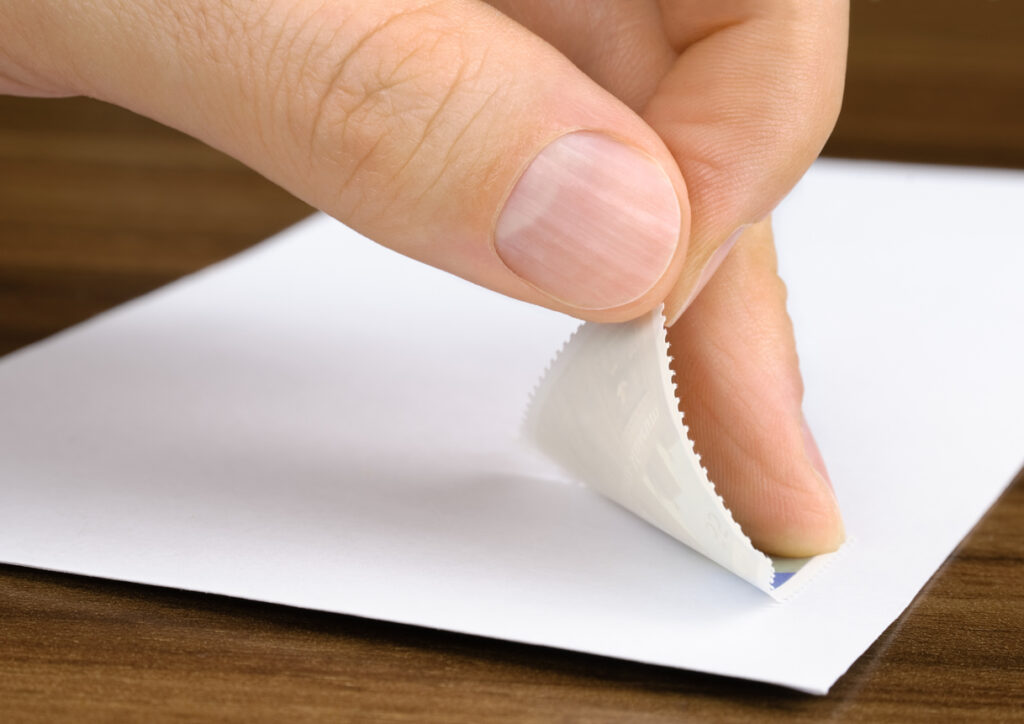
An old law states that placing a postage stamp bearing the monarch’s head upside down on an envelope is an act of treason, and whilst this sounds absolutely barmy, there’s some historical logic to it. Defacing or disrespecting the image of the sovereign was taken very seriously in past centuries, and an upside-down stamp was considered a deliberate insult to the crown. If you’ve ever carelessly stuck a stamp on without checking which way up it was, you’ve technically committed treason. Obviously, nobody has been prosecuted for this in modern times, and Royal Mail doesn’t care which direction your stamp faces.
6. Flying a kite in a public place can get you arrested.

The Town Police Clauses Act 1847 also makes it illegal to fly a kite in any public place to the annoyance of inhabitants or passengers. This law was created when London streets were crowded and chaotic, and kite strings posed genuine hazards to people and horses. If you’ve taken your kids to the park and launched a kite on a windy day, you could theoretically be committing an offence if anyone complained. The key word here is annoyance, which gives police discretion, but the law’s existence means an overzealous officer could technically enforce it.
7. Knocking on doors and running away is a criminal offence.

Under the same 1847 Act, knocking on someone’s door and running away before they answer is illegal, and this applies to ringing doorbells as well. Every child who’s played knock-down-ginger has technically broken the law, though prosecutions for this particular offence are vanishingly rare. The Victorians wanted to prevent hooliganism and protect residents from harassment, so they made various forms of minor nuisance behaviour illegal. Modern police generally have better things to do than chase children playing pranks, but the law remains enforceable if someone wanted to push it.
8. Beating carpets in the street after 8 a.m. breaks the law.

Just like doormats, beating carpets in the street after eight in the morning is illegal under Victorian legislation designed to reduce dust pollution. Before vacuum cleaners existed, people would hang carpets over fences or railings and beat them with special carpet beaters to remove dirt. If you’ve ever given a rug a good whack outside after breakfast, you’ve broken this law. The morning time limit was presumably chosen because dust clouds were more tolerable before the working day began and streets got busy.
9. Carrying a plank along the pavement is illegal.

The Metropolitan Police Act makes it an offence to carry a plank, pole, ladder, or similar item along a pavement in a way that causes inconvenience to other pedestrians. This law made sense in Victorian London, when narrow pavements were constantly congested and tradesmen carrying materials caused genuine problems. If you’ve ever carried something awkward from a DIY shop along the street, you’ve potentially broken this law. The key is whether you’re causing inconvenience, which gives some wiggle room, but technically the act of carrying the plank is sufficient.
10. Allowing your pet to mate with a royal pet without permission is treason.

One of the strangest laws supposedly makes it treason for your pet to have relations with any animal belonging to the royal household without permission. Whilst the exact legal basis for this is disputed, and it may be more urban legend than actual statute, the principle reflects historical laws about protecting royal property and bloodlines. If your dog took a fancy to one of the Queen’s corgis, and you didn’t intervene, you might technically have committed treason. Given that most people never get close enough to royal pets for this to be an issue, it’s safely theoretical for almost everyone.