If you spent your childhood in 1970s Britain, you lived in a world that would look like a health and safety nightmare to anyone born after the turn of the century.
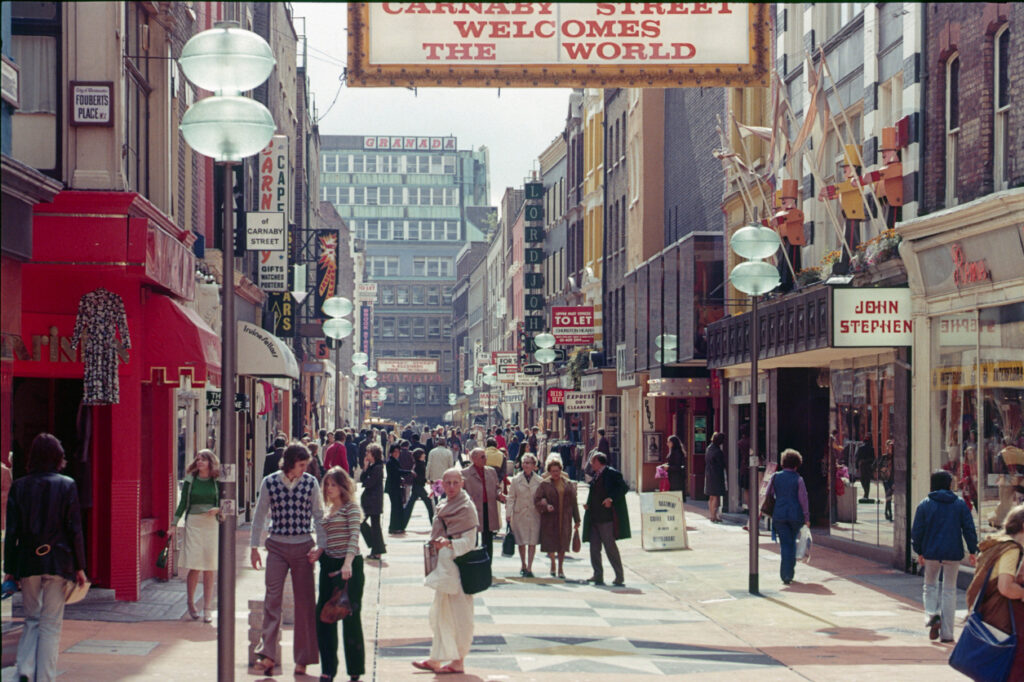
It was an era of orange wallpaper, the constant smell of stale tobacco in every pub and living room, and a set of social rules that nobody ever wrote down, but everyone followed to the letter. You learned early on that being polite often meant sitting perfectly still in a room full of adults while they ignored you, and that “playing out” meant disappearing for 10 hours with nothing but a jam sandwich and a vague instruction to be back before the streetlights came on.
There was a specific way of navigating life, from how you spoke to the neighbours to what you did when the national anthem played on the telly, that defined a generation before the internet came along and changed the script.
1. You didn’t knock on someone’s door empty-handed.
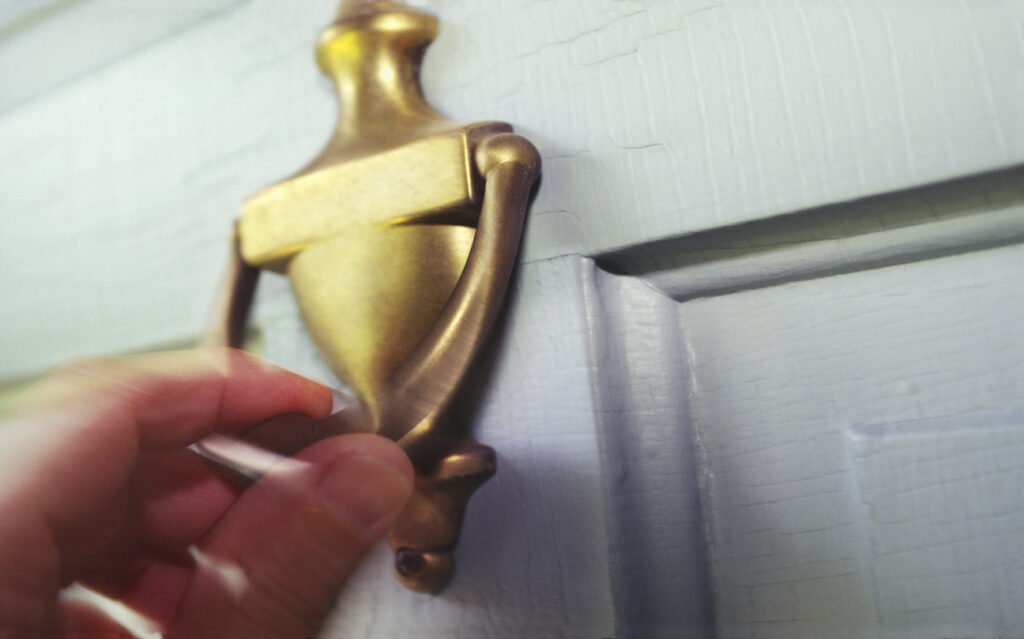
If you were visiting someone’s home, you brought something. A tin of biscuits, a bottle of something, flowers from the garden, it didn’t really matter what it was. Turning up completely empty-handed was considered thoughtless, and people noticed even if they never said a word about it. It was a small gesture that said you’d made an effort, and effort meant something back then.
2. Children were seen and not heard at the dinner table.

When adults were talking, you didn’t interrupt. You sat quietly, you ate what was in front of you, and you waited until there was a natural pause before speaking. Talking over a grown-up wasn’t just rude, it was unthinkable, and most kids wouldn’t have dreamed of trying it. The boundaries between adult conversation and children’s conversation were clearly drawn, and everyone understood where they stood.
3. You stood up when an older person entered the room.

It sounds almost comically formal now, but getting to your feet when an elderly relative or neighbour walked in was just what you did. It was a physical show of respect that required no explanation. Staying seated while your nan came through the door would have earned you a look that said everything without a single word being spoken.
4. Sunday was genuinely a day of quiet.

Shops were closed, the streets were calmer, and you kept the noise down. Playing loud music, revving engines, or making a general nuisance of yourself on a Sunday was frowned upon by the whole street, not just your own parents. There was a collective understanding that Sunday belonged to rest and family, and disrupting that was an act of social selfishness that people took personally.
5. You never discussed money in company.

Asking what someone earned, what they paid for their house, or how much anything cost was deeply uncomfortable territory. Money was private, and flaunting it was even worse than asking about it. People who talked openly about what they had were considered vulgar, and those who asked were considered nosy. The whole subject was quietly off the table in polite conversation, and everyone was fine with that arrangement.
6. You wrote a thank you letter, and you wrote it promptly.

A birthday gift or a stay at someone’s house meant a handwritten thank you note in return, sent within a day or two. Not a phone call, not a casual mention the next time you saw the person, an actual letter. Children were sat down and made to write them whether they wanted to or not, and parents checked the spelling before the envelope was sealed. It was non-negotiable.
7. Neighbours looked out for each other’s children.

Any adult on the street had an informal licence to tell you off if you were misbehaving, and reporting back to your parents was considered helpful rather than interfering. You knew the neighbours by name, they knew yours, and there was a shared sense of responsibility for the kids on the road. Being pulled up by Mrs next door for riding your bike on the pavement wasn’t unusual, it was just how things worked.
8. You dressed appropriately for the occasion, full stop.

There was a clear hierarchy of clothing and everyone understood it. Smart for church, weddings, and funerals. Decent for visiting relatives. Your worst clothes for playing outside. Turning up to a formal occasion underdressed was embarrassing for the whole family, not just yourself, and people made judgements based on how you presented yourself that stuck for a long time.
9. Complaining in public was considered embarrassing.

If the food in a restaurant wasn’t right or a shop assistant was unhelpful, you might have a quiet word, but you didn’t make a scene. Raising your voice, demanding to speak to a manager, or causing a fuss in front of other people was mortifying behaviour and reflected badly on you rather than on whoever had caused the problem. You grumbled about it on the way home and that was usually enough.
10. You offered your seat without being asked.

On a bus or a train, if an elderly person, a pregnant woman, or someone struggling with bags came near you, you got up. You didn’t wait to see if anyone else would do it first, and you didn’t pretend to look out of the window to avoid eye contact. It was an automatic response, the kind of thing your parents had done in front of you enough times that it became second nature before you’d even thought about it.
11. You kept family business inside the family.

What went on at home stayed at home. Arguments, money troubles, health problems, relationship difficulties, none of it was for outside consumption. Sharing personal family matters with friends, neighbours, or colleagues was seen as disloyal and a little bit shameful. People were fiercely private in a way that feels almost alien now, and there was real dignity attached to handling your own problems quietly.
12. You finished what was on your plate.

Leaving food was wasteful and ingratitude wrapped into one, and most parents in the ’70s had lived through or grown up hearing about times when food genuinely wasn’t plentiful. Pushing something to the side because you didn’t fancy it wasn’t a conversation, it was the start of a stand-off that you were almost certainly going to lose. You ate it, or you sat there until you did.
13. You acknowledged people, even strangers, when you passed them.

A nod, a brief smile, a quick hello to someone you passed on the pavement, especially in smaller towns and villages, was just basic human courtesy. Blanking someone who made eye contact with you was considered cold and a bit odd. There was an unspoken agreement that people deserved to be acknowledged simply for existing in the same space as you, and most people held up their end of that deal without thinking twice about it.