There’s no point in getting into a shouting match over which generation had it harder, but you can’t exactly blame Gen Z for feeling short-changed when they look at the world Boomers started out in.

Younger people are growing up in a Britain that feels like it’s shrinking, whereas the older lot had a front-row seat to a version of the country that actually offered a bit of security. It’s not just about the price of a pint or how good the telly was; it’s the fact that the basic social contract—the idea that you could work hard, buy a house, and retire without a constant knot of financial dread in your stomach—has been completely torn up. Seeing those milestones turn into impossible pipe dreams is a bitter pill to swallow for a generation that’s grafting just as hard but hitting a brick wall at every turn. Here are some of the things, some quite simple, that Gen Z is missing out on.
1. Milk delivered to your doorstep in glass bottles

Every morning, the milkman would arrive before dawn and leave fresh bottles on your step. You’d leave the empties out for collection, and the whole system just worked without anyone thinking twice about it. The bottles were proper glass that got reused over and over, and you could hear them clinking as the milk float hummed down your street. Some milkmen even delivered eggs, orange juice, and other bits if you left a note. It was a completely normal part of British life that’s now become a premium service only available in certain areas.
2. Red phone boxes that people actually used

Before mobiles, those iconic red phone boxes weren’t just pretty tourist attractions. They were lifelines where you’d queue up to make important calls or ring your mum to say you’d be late home. You kept a stash of 10p coins in your pocket specifically for phone calls, and everyone knew where their nearest working phone box was. The directories inside actually got used, and you’d see people frantically flipping through them looking for numbers. Now they’re mostly defibrillator stations or tiny libraries, which is nice but not quite the same.
3. Smoking absolutely everywhere without question

Pubs, restaurants, offices, trains, buses, even hospitals had smoking sections or just let people light up anywhere. The idea of banning smoking indoors seemed ridiculous to most people, and ashtrays were standard furniture in every room. You’d come home from a night out reeking of cigarette smoke, even if you didn’t smoke yourself. Planes had smoking sections, which seems absolutely mental now. Non-smokers just had to put up with it because that’s how things were, and complaining made you seem uptight.
4. Buying a house on a single modest income

A factory worker or secretary could realistically save up for a deposit and buy their own place before turning 30. Houses cost roughly three times your annual salary instead of ten times or more like now. Your parents probably bought their first home while earning what would be considered poverty wages today. Getting on the property ladder wasn’t seen as a massive achievement, it was just what people did. The idea that an entire generation would be locked out of homeownership would have seemed completely absurd.
5. Going to university completely free

Not only did Boomers pay no tuition fees, they actually got grants to help with living expenses while studying. University was seen as something bright but not necessarily wealthy kids could access without crippling debt. You could graduate and start your career without £50,000 hanging over your head. The idea of paying thousands per year just for the privilege of attending lectures didn’t exist. Education was treated as an investment in society rather than a product you purchased.
6. Proper post offices with actual services
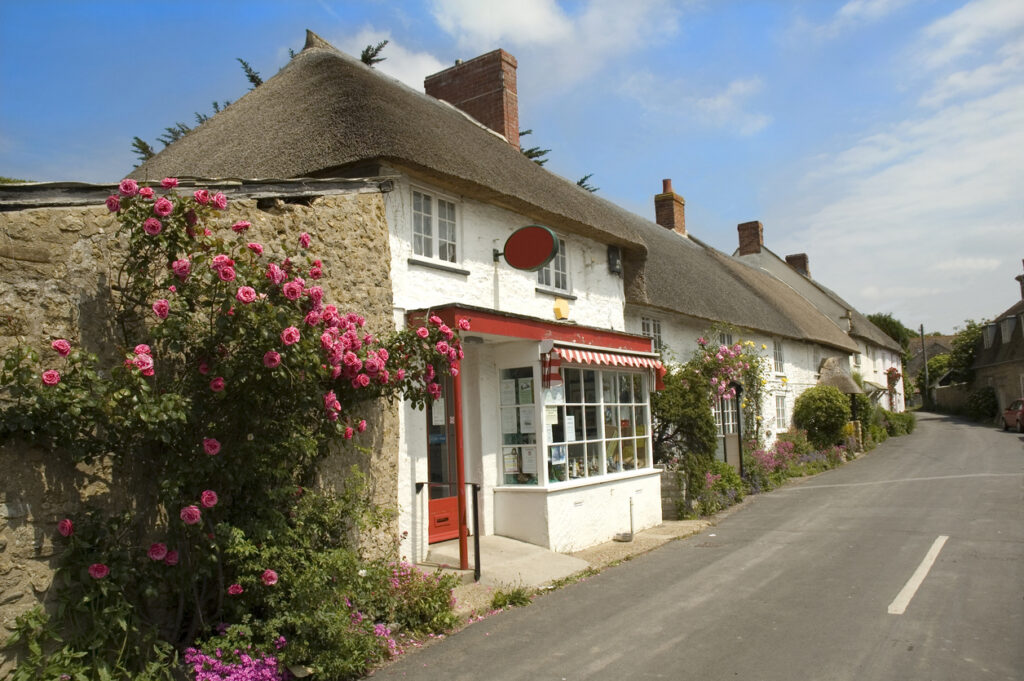
Every town had a main post office with multiple counters open during normal hours when you could do all sorts of things. You could pay bills, get your car tax, sort out benefits, buy savings stamps, and send parcels without queuing for 45 minutes. The staff actually knew what they were doing and had time to help you. Now, you’re lucky if there’s a small counter at the back of WHSmith that’s open three days a week. The sense of loss around post offices is real because they were community hubs, not just shops.
7. High street banks you could actually walk into

Every high street had multiple banks with proper opening hours and staff who’d sit down with you to discuss accounts. You could pop in on your lunch break, talk to the same person you’d seen before, and sort out banking issues face to face. Nobody expected you to do everything online or through an app. Now branches are closing constantly, and the ones left open have reduced hours and skeleton staff. The idea of banking being a personal service rather than a digital inconvenience has basically died.
8. Privacy from constant surveillance

CCTV cameras weren’t on every corner, in every shop, and tracking your movements constantly. You could go about your day without being filmed hundreds of times or having your location tracked by your phone. The trade-off was less security but more freedom and anonymity. Nobody worried about facial recognition or data collection because those concepts didn’t exist. You could genuinely disappear for a day without anyone being able to trace your whereabouts.
9. Spending all day outside with zero parental supervision

Kids would leave the house after breakfast and just roam around until dinner time without their parents having any idea where they were. You’d play in the woods, explore building sites, ride your bike miles from home, and nobody considered this neglectful. There were no mobile phones to check in with, and parents simply trusted you’d turn up when you got hungry. The freedom was immense, but it came with actual dangers that modern parents aren’t willing to accept. Society’s entire attitude toward childhood independence has completely reversed.
10. Woolworths as a Saturday shopping destination
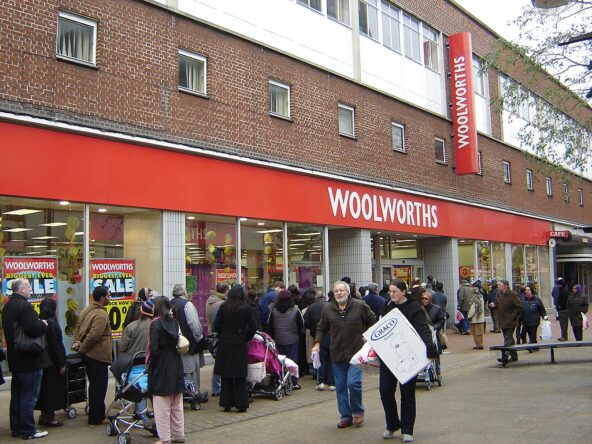
Every town centre had a Woolies where you could buy absolutely anything from pick and mix to school uniforms to kitchen equipment. It wasn’t fancy, but it was reliable and affordable, and meeting friends at Woolworths was just what you did on Saturdays. The pick and mix counter was legendary, and you could spend ages choosing your sweets. When it closed in 2008, it felt like losing a piece of British identity. Gen Z will never understand the cultural significance of Woolworths because no modern shop quite fills that same role.
11. A society that ran almost entirely on cash

Credit cards existed, but most people didn’t have them, and you certainly couldn’t tap your phone to pay for things. You withdrew cash on Friday, and that’s what you had until next week. If you ran out, you were stuck because most places wouldn’t take cheques from strangers. This forced a different kind of financial discipline because you could physically see your money disappearing. The anonymity of cash transactions also meant less tracking of your purchases and habits. Going cashless wasn’t even considered a possibility, it was just how commerce worked.
12. Only three TV channels and everyone watched the same things

BBC One, BBC Two, and ITV were your only options until Channel 4 arrived in 1982. Everyone watched the same programmes because there was no choice, which created a shared national culture around television. If you missed something, it was gone forever, unless it got repeated months later. The idea of watching what you wanted when you wanted would have sounded like science fiction. Water cooler conversations were genuinely about what everyone watched last night because you’d all seen the same thing.
13. Job security and actual pension schemes

You could start a job at 18, stay with the same company for 40 years, and retire with a proper pension that covered your living costs. Loyalty to employers was rewarded rather than punished, and job hopping was seen as unstable. Companies invested in training you because they expected you’d stick around. The social contract between workers and employers actually functioned, and retirement wasn’t something you had to entirely fund yourself. Gen Z faces constant job insecurity and the expectation of managing their own inadequate pension pots.
14. British seaside holidays being the default family holiday
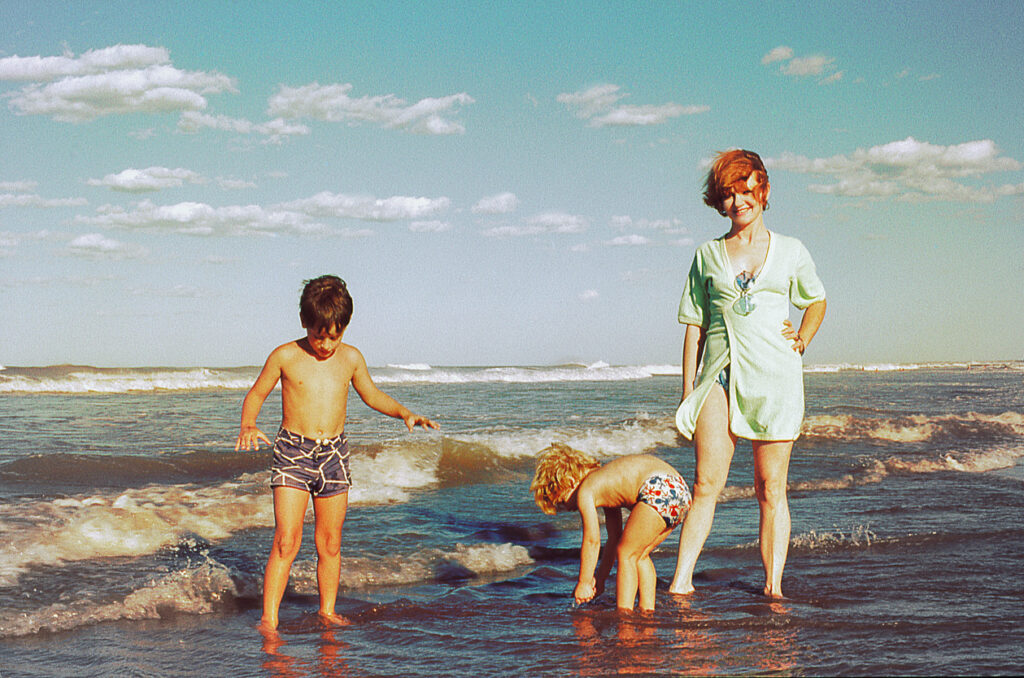
Blackpool, Brighton, Great Yarmouth, and other coastal towns were packed every summer with British families having their annual week away. Flying abroad was expensive and unusual, so caravan parks and B&Bs thrived. Everyone has childhood memories of freezing British beaches, terrible weather, and arcades full of 2p machines. These holidays weren’t exotic, but they were what you did, and the tradition bonded families together. Cheap flights to Spain killed this culture almost entirely, and now British seaside towns struggle while Gen Z books Ryanair flights to Ibiza without thinking twice.