Whether you were on the front lines of the campaign or you’ve spent the last decade rolling your eyes at the news, the reality of life outside the EU is now just that—the reality.
The debate usually gets stuck in a loop of “was it worth it?” but if we look at the actual nuts and bolts of how the country is run, there are specific areas where the UK has moved into a different lane. It isn’t just about the big slogans; it’s about the granular stuff, from how we manage our own waters to the way we’ve changed our approach to global trade and domestic science. Some of these changes are about speed, some are about focus, and some are about the UK trying to find a new identity on the world stage that doesn’t rely on being part of a 27-country bloc.
1. The UK regained full control over its fishing waters.

Under EU membership, fishing quotas were set collectively, and foreign fleets had the legal right to fish in British waters. Since leaving, the UK has been able to set its own quotas and negotiate access on its own terms. It’s been far from straightforward and the fishing industry has had its share of frustrations along the way, but the principle of sovereign control over a 200-mile exclusive economic zone is now a reality rather than a negotiating point.
2. The UK can now set its own immigration rules.
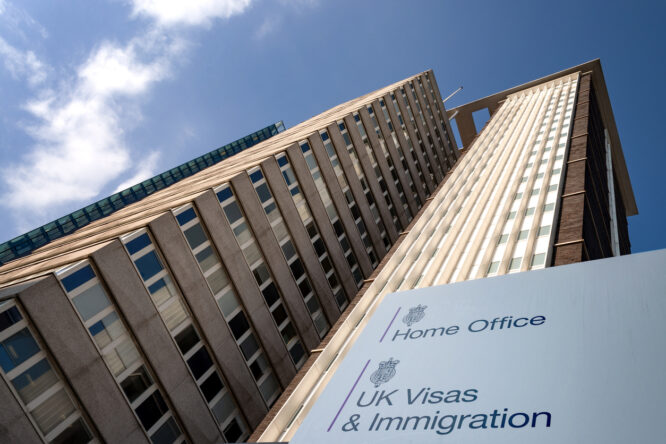
Free movement of EU citizens ended when the UK left, and the government introduced a points-based immigration system that applies equally to people from every country. This means the UK can prioritise skills, qualifications, and salary thresholds rather than being obligated to accept unlimited movement from any EU member state. Whether you think the outcomes have been handled well is a separate debate, but the ability to make those decisions independently is genuinely new.
3. Trade deals with non-EU countries became possible.
While inside the EU, the UK couldn’t negotiate its own trade agreements because trade policy was handled collectively by Brussels. Since leaving, the UK has signed deals with countries including Australia, New Zealand, Japan, Singapore, and several others, with more in progress. The long-term economic value of these deals is still being assessed, but the ability to negotiate them independently didn’t exist before.
4. The UK no longer contributes to the EU budget.
Britain was a net contributor to the EU, meaning it paid in more than it received back. Leaving ended that obligation, freeing up billions of pounds annually that the government could direct through its own spending decisions. How that money has been used is a matter of political debate, but the financial contribution to EU institutions and regional funds did stop.
5. Financial services rules can now be tailored to the UK market.
The City of London operates under its own regulatory framework now, rather than being bound by EU financial directives. This has allowed the UK to make some adjustments, including reforms to its listings rules to make the London Stock Exchange more competitive for companies looking to float. The EU’s rules weren’t always well-suited to the structure of the UK’s financial sector, and having the flexibility to diverge has been one of the more practically significant changes.
6. The UK vaccine rollout benefited from regulatory independence.

When Covid-19 vaccines became available, the UK was able to approve and deploy them faster than EU member states because it had its own medicines regulator, the MHRA, making independent decisions. The EU’s approval process moved more slowly, and the UK’s ability to act without waiting for collective agreement allowed one of the fastest vaccination programmes in the world. It was a clear and visible example of regulatory independence making a practical difference.
7. The UK regained control over VAT rates.

EU membership came with rules about minimum VAT rates and which goods could be zero-rated or exempt. After leaving, the UK had greater flexibility, and one of the first uses of that was removing VAT on women’s sanitary products, something that had been lobbied for years but couldn’t be done under EU rules. Further changes to VAT on things like energy-saving materials for homes followed, and the government now has the freedom to adjust rates without seeking EU approval.
8. Subsidy rules became more flexible.
The EU’s state aid rules placed strict limits on how governments could financially support businesses and industries. The UK has replaced this with its own subsidy control regime, which operates differently and gives ministers more room to direct support to particular sectors or regions. This has been relevant in areas like steel, shipbuilding, and technology, where targeted government support is more politically and economically complex under the old framework.
9. The UK has more control over data protection law.
GDPR remains the basis of UK data law following Brexit, but the UK now has the ability to diverge and adapt its own framework going forward. The government has been working on reforms that aim to reduce the administrative burden on businesses while maintaining strong privacy standards. Whether those reforms strike the right balance is debated, but having the ability to shape data regulation independently rather than being locked into whatever the EU decides next is a real change.
10. Freeports were introduced with fewer restrictions.
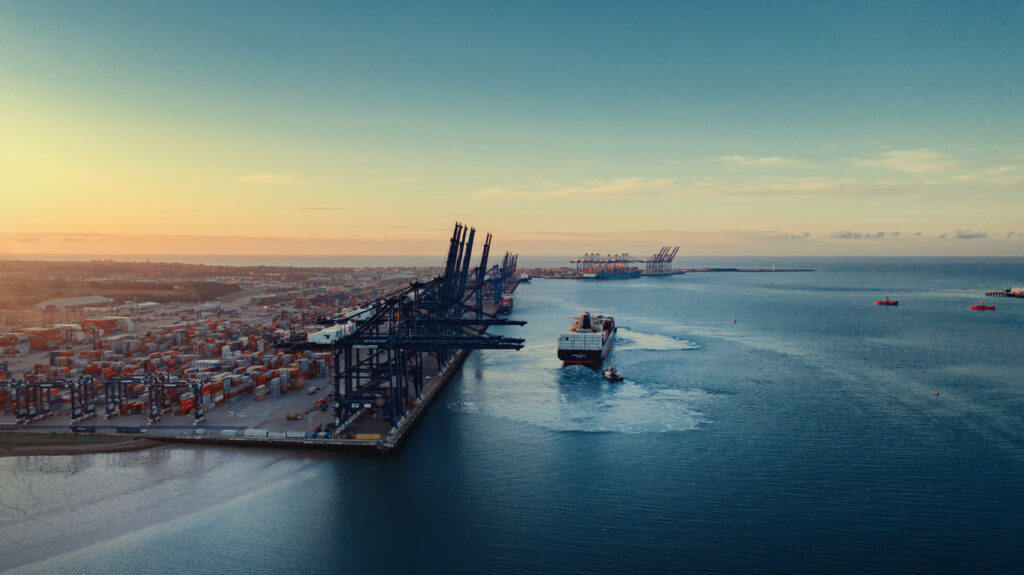
Freeports, which are special economic zones with reduced taxes, simplified customs, and incentives for businesses to set up and invest, were difficult to establish under EU state aid rules. Since leaving, the UK has set up freeports across England, Scotland, Wales, and Northern Ireland. The idea is to attract investment and regenerate areas that have historically been left behind economically, and several are now operational with businesses beginning to take advantage of the incentives on offer.
11. The UK no longer has to align with new EU laws automatically.
During membership, the UK was obligated to implement EU directives and regulations as they were passed, even when Parliament had concerns or reservations. Outside the EU, the UK can choose which areas to align with and which to handle differently. This doesn’t mean every divergence leads to a better outcome, but having Parliament as the final decision-maker on domestic law rather than being bound by Brussels represents a genuine shift in how legislation works.
12. The UK has its own seat at major international bodies again.
In several international organisations and negotiations, the EU represents its member states collectively, which meant the UK’s individual voice was part of a bloc position rather than its own. Since leaving, the UK has its own independent seat and vote at bodies like the World Trade Organisation, allowing it to argue for its own interests directly rather than through a shared EU position. For a country with significant global trade and diplomatic relationships, having that independent representation matters.