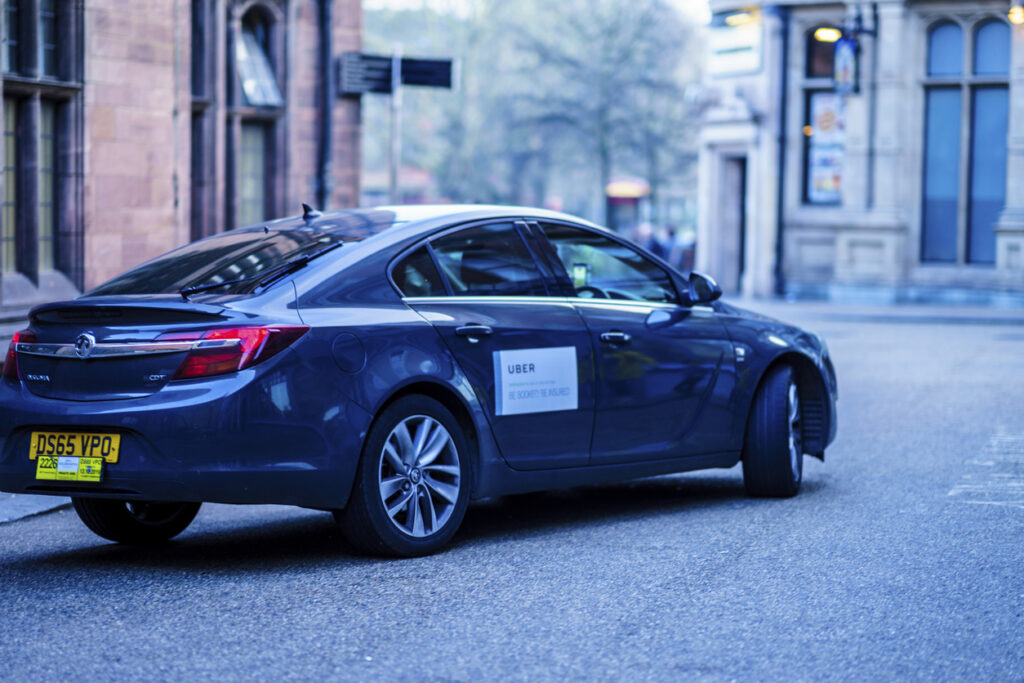
The UK government has banned asylum seekers from using taxis for medical appointments following a BBC investigation that exposed shocking levels of wasteful spending. The new policy aims to save millions while still providing transport for vulnerable people who genuinely need it.
The ban targets medical appointment taxis specifically.
Asylum seekers can no longer use taxpayer-funded taxis to attend GP visits, dental appointments, or other medical services. The Home Office changed the policy in February 2026 after evidence showed the system was being exploited and costing millions annually. Exemptions exist for people with physical disabilities, chronic illnesses, or pregnancy-related needs, but these cases now require official Home Office approval. The ban doesn’t stop all taxi use, asylum seekers can still access cabs for travelling between accommodation and other nonmedical reasons, though this is also under review.
Investigations revealed absurd levels of waste.
Evidence uncovered asylum seekers taking 250-mile taxi journeys that cost the Home Office £600 per trip. An average of £15.8m was being spent annually on these cab rides across the country. One firm was reportedly doing up to 15 drop-offs daily from a single south-east London hotel to a surgery just two miles away, which alone cost the Home Office £1,000 per day. These weren’t isolated incidents, but part of a systematic pattern of excessive spending that caught public attention.
@martsviews A migrant told officials it would be cheaper to take the train. Instead, they booked him a £600, 250-mile taxi ride to a GP appointment. One contractor was spending £350k a month on taxis for asylum seekers, with almost no oversight. The Home Office is now restricting taxi use to “exceptional circumstances”. A clear snapshot of how badly managed the system has become. #uknews #governmentwaste #taxpayer #migration #asylum ♬ Breaking News! – TheTrend
Some taxi firms deliberately inflated journey costs.
Reports emerged of firms purposely increasing mileage on trips by dispatching drivers to distant towns to carry out short local journeys. In one case, a driver was sent from Gatwick Airport to Reading, a round trip of about 110 miles costing over £100, just to take an asylum seeker 1.5 miles from their hotel to a dentist. Drivers were reportedly travelling from Gatwick to Southampton and covering an average of 275 miles daily, with half of that without any passenger in the car.
The logistics were poorly thought out from the start.
Asylum seekers were issued with a bus pass for one return journey per week, but for all other necessary travel including doctor’s appointments, the Home Office arranged taxis. This created a system where cost wasn’t considered and there was little oversight on whether journeys were actually necessary or efficiently planned. The lack of proper planning meant drivers were travelling hundreds of miles for appointments that could have been handled locally or combined into more efficient routes.
Many journeys ended up being completely wasted.
Reports described drivers arriving after long journeys, only to find asylum seekers didn’t want to go to their appointments and refused to move. There were apparently no consequences for missed appointments or wasted journeys, so taxpayers footed the bill for trips where nobody actually received medical care. The system was left open to abuse because there was no mechanism to ensure people actually attended the appointments they’d requested transport for.
The government framed it as border control.
The new policy has been positioned as protecting taxpayers’ money and removing incentives that draw illegal migrants to Britain. It’s been presented as part of broader efforts to restore order and control to UK borders. The framing suggests the government sees free taxi access as one of many factors that might make Britain attractive to asylum seekers, though critics might argue medical appointment transport isn’t exactly a major pull factor for migration.
The previous system had minimal restrictions.
Before the ban, asylum seekers could essentially request taxi transport for any medical appointment, regardless of distance or cost. There was no requirement to use public transport where available, no limit on journey length, and apparently little verification that appointments were genuine or necessary. The single weekly bus pass wasn’t enough to cover legitimate medical needs, but the unlimited taxi access created the opposite problem of zero cost control.
Exemptions require Home Office sign-off.
People with genuine physical disabilities, chronic illnesses, or pregnancy-related needs can still access taxis under the new rules. Each case has to be individually approved by the Home Office, though, which adds bureaucracy but presumably creates oversight. The question is whether this approval process will work efficiently or create delays for vulnerable people who actually need the transport, potentially causing them to miss important medical appointments while waiting for authorisation.
Drivers were travelling massive distances daily.
Reports showed drivers covering 275 miles per day on average, with half of it without passengers, demonstrating how broken the system was. Drivers were being paid for all that mileage, even though much of it served no purpose beyond getting them to and from pickup locations. The environmental impact of all these unnecessary miles also wasn’t being considered, with taxis burning fuel on empty journeys because the contract structure incentivised inefficiency.
@c5news Asylum seekers will be banned from taking taxis for medical appointments #uknews #fyp ♬ original sound – Channel 5 News
Subcontractors may have exploited the arrangement.
Evidence suggests the Home Office wasn’t directly managing all these taxi journeys but was using subcontractors. When you have layers of contractors and subcontractors, oversight becomes harder and opportunities for padding costs increase. Companies may have found ways to maximise their payments by routing journeys inefficiently, knowing the government was paying and wasn’t closely monitoring the actual distances travelled.
Nonmedical taxi use hasn’t been banned yet.
Asylum seekers can still use taxis for travelling between different accommodation sites and potentially other reasons. The Home Office is continuing to review whether this should also be restricted, which suggests the medical appointment ban might just be the first step. If similar waste is happening with nonmedical journeys, further restrictions will likely follow once the current policy change has been implemented and assessed.
The policy aims to balance savings with genuine needs.
The government’s challenge is cutting wasteful spending without harming vulnerable people who legitimately need transport to access healthcare. The exemption system is supposed to achieve this balance, but it relies on the Home Office being able to quickly and accurately assess who genuinely needs taxi access. Whether this strikes the right balance or creates new problems for people trying to access medical care remains to be seen as the policy rolls out.