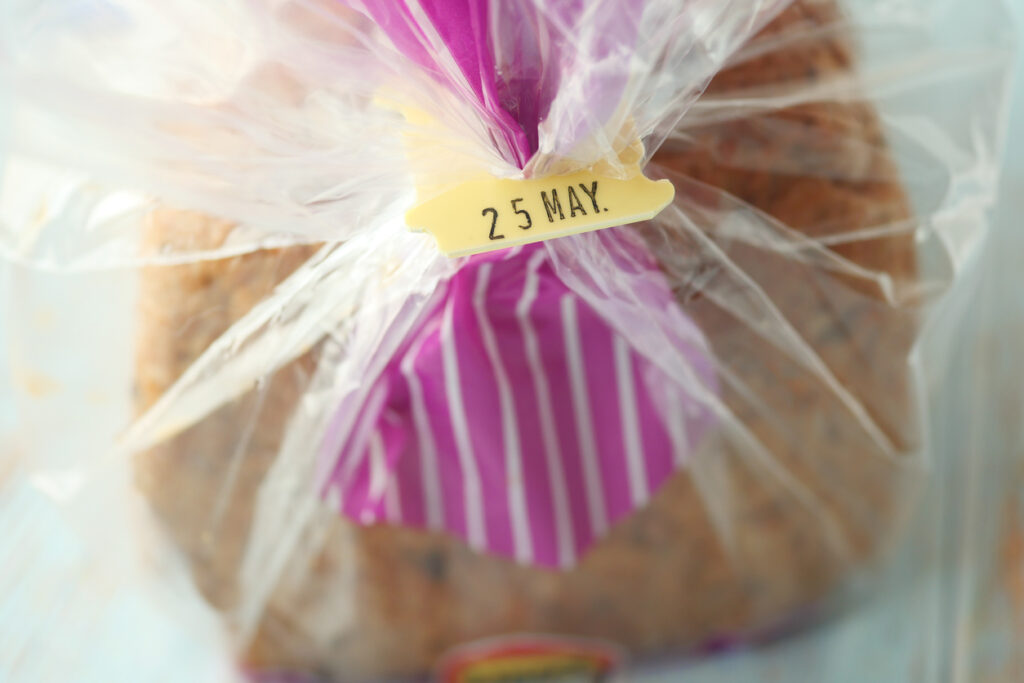
Best before dates might be the biggest food waste scam going, convincing millions of people to chuck out perfectly good food because of arbitrary numbers that have almost nothing to do with food safety. The food industry has created this system of confusing labels that makes people panic about eating yoghurt that’s a day past its printed date, when in reality most of this food is absolutely fine to eat.
1. They’re mostly about quality, not your safety.
Best before dates are primarily designed to indicate when food might start losing its optimal taste, texture, or nutritional value, not when it becomes dangerous to eat. These dates are basically quality indicators that somehow became safety guidelines in people’s minds, causing loads of unnecessary food waste.
The dates help manufacturers guarantee that their products will taste as good as they intended up until that point, but they’re not magical safety deadlines. A tin of beans doesn’t suddenly become toxic the moment the clock strikes midnight on its best before date.
2. Most foods last way longer than their printed dates.
Tinned goods can often be safely eaten for years past their printed dates, dried pasta and rice can last for ages, and even dairy products usually have several days of life left after their best before dates if they’ve been stored properly. The actual safety margin built into these dates is much larger than most people realise.
Food manufacturers tend to be quite conservative with their dating because they want to guarantee quality and avoid any potential complaints. This means the dates are often much earlier than when food actually goes off, creating a massive buffer zone that most people don’t know exists.
3. “Use by” and “best before” mean completely different things.
“Use by” dates are about safety and should generally be taken seriously, especially for things like fresh meat and fish, while “best before” dates are more about quality than safety. Understanding these distinctions can save you from throwing away loads of perfectly good food.
“Best before” essentially means the food might not taste as good after this date, but it’s probably not going to hurt you. Only “use by” dates are really about food safety, and even then, there’s usually some wiggle room built in for most products.
4. Your senses are better than any printed date.
Humans evolved incredibly sophisticated systems for detecting whether food is safe to eat, and these natural abilities are often more reliable than arbitrary dates printed on packages. If something looks, smells, and tastes normal, it’s probably fine regardless of what the label says.
Trust your nose, eyes, and taste buds over printed dates when it comes to assessing food quality. If milk smells sour, bread has visible mould, or meat feels slimy, then obviously don’t eat it. But if everything seems normal, the food is likely safe, even if it’s past its best before date.
5. Storage conditions matter more than dates.

How you store food has a massive impact on how long it actually lasts, often making printed dates completely irrelevant. Proper refrigeration, freezing, and storage in cool, dry places can extend food life far beyond what any label suggests.
Food that’s been stored properly in ideal conditions might be perfectly safe and tasty weeks past its printed date, while food that’s been stored badly might go off before its date arrives. Temperature control, humidity, and protection from light are much more important factors than calendar dates.
6. The dates aren’t based on rigorous safety testing.
Many people assume that best before dates come from extensive scientific testing about when food becomes unsafe, but actually, they’re often based on quality considerations like taste, texture, and appearance rather than safety. Companies set these dates based on when they think their product stops meeting their quality standards.
The testing that goes into these dates is usually about customer satisfaction and brand reputation rather than health risks. Companies want to ensure you have a good experience with their product, so they set dates conservatively to avoid any chance of disappointment.
7. Different countries have completely different dating systems.
If these dates were based on objective food safety science, you’d expect them to be consistent worldwide, but actually different countries have completely different approaches to food dating. What’s considered safe in one country might be labelled differently in another, showing just how arbitrary these systems really are.
This international variation proves that food dating is more about regulatory preferences and cultural attitudes than universal food safety principles. The same food product might have different dates depending on where in the world you buy it.
8. Freezing basically stops the clock.
Most foods can be frozen right up to their best before dates and then safely eaten months later, effectively pausing the ageing process and making printed dates completely irrelevant. Your freezer is like a time machine that can extend food life almost indefinitely for many products.
Even foods that are close to their printed dates can often be rescued by freezing, then thawed and used when you need them. This is particularly useful for meat, bread, and vegetables that you’re not going to use immediately but don’t want to waste.
9. Food waste from date confusion is massive.
Misunderstanding about food dates contributes to enormous amounts of food waste, with people throwing away billions of pounds worth of perfectly good food every year simply because they’re confused about what the dates actually mean. This waste is both expensive for families and terrible for the environment.
Much of this waste could be avoided if people understood that most best before dates are quality indicators rather than safety deadlines. Learning to assess food quality using your senses rather than relying solely on printed dates can dramatically reduce food waste.
10. When in doubt, there are simple tests you can do.
For most foods, there are easy ways to check if they’re still good that don’t involve printed dates at all. Eggs can be tested by putting them in water (fresh eggs sink, old ones float), dairy products can be smell-tested, and bread can be visually inspected for mould.
These practical tests are often more reliable than printed dates because they assess the actual current condition of your specific food, rather than relying on estimates made weeks or months ago. Learning a few basic food assessment skills can save you money and reduce waste, while also keeping you safe.