Bonfire Night might seem like a harmless tradition: fireworks, toffee apples, and a crackling fire under the November sky.

However, it carries far more baggage than most people like to admit. Behind the nostalgia and spectacle lies a celebration rooted in religious tension, violence, and centuries-old division that still makes some people uncomfortable today.
Add to that the modern concerns about animal safety, pollution, and injuries, and it’s clear that the night isn’t as universally loved as it once was. For many, it’s a cherished part of British culture. For others, it’s outdated, disruptive, and even cruel. These are the parts of Bonfire Night few want to talk about but probably should.
The pet trauma is genuinely severe.

Your neighbour’s dog isn’t just “a bit nervous” about fireworks. Vets see animals so traumatised they develop anxiety problems, refuse to go outside for weeks, or hurt themselves trying to escape the noise. Some pets actually die from heart attacks caused by fear. The usual response is something along the lines of, “We can’t ban everything because of pets,” but that ignores the fact we’re talking about causing real suffering to millions of animals just for a bit of entertainment.
Nobody actually knows what they’re celebrating anymore.

Ask most people at a fireworks display what they’re celebrating, and you’ll get vague mumblings about Guy Fawkes and Parliament. The reality is that we’re celebrating the torture and execution of a man who was on the losing side of a religious argument. When you put it that way, burning effigies and teaching kids rhymes about it feels a bit weird. It’s strange that we’ve kept this going just because “it’s tradition” without really thinking about what it actually represents.
The air quality impact is quietly horrifying.

Air pollution spikes massively on Bonfire Night, with pollution levels sometimes worse than in heavily polluted cities. People with asthma or breathing problems often get really ill, and the smoke hangs around for days. We spend all year being told to reduce our carbon footprint and be environmentally friendly, then one night we decide it’s fine to fill the air with toxic chemicals because of pretty lights. It doesn’t really make sense when you think about it.
It’s become a month-long ordeal.

Bonfire Night used to be one night. Now, fireworks start in mid-October (or earlier) and go on until January. The “it’s just one night” excuse doesn’t work when it’s actually six weeks. Pets are stressed constantly, anyone with anxiety or who gets triggered by loud bangs is basically trapped in their own home, and there’s nothing anyone can do about it. A small group of people get to decide the noise levels for entire neighbourhoods, often late at night, and nobody can stop them.
The litter aftermath is never discussed.

The morning after Bonfire Night, parks are absolutely trashed. Spent firework casings, plastic rubbish, food wrappers, and sometimes burnt remains of illegal bonfires everywhere. Animals eat the debris, kids’ play areas are contaminated, and it takes councils weeks to clean up. The same people who’d judge someone for dropping litter will happily leave behind mountains of firework waste and think nothing of it. Someone else’s problem, apparently.
The injuries are predictable and preventable.

Every year, A&E departments know exactly what’s coming on Bonfire Night: burns, eye injuries, hand trauma. These aren’t freak accidents, they’re what happens when you give the general public explosives. Kids get hurt the most, and the injuries can be life-changing. And yet, we act shocked every year when it happens again. The “people should just be more careful” argument ignores that most people have been drinking, which is part of most Bonfire Night celebrations.
It’s increasingly inaccessible and expensive.

Organised displays now cost £10-20 per person, which is a lot for bigger families. Buying fireworks yourself is even more expensive if you want anything decent. What used to be a fairly accessible celebration now either needs serious money or you end up with disappointing budget fireworks that still cause all the problems. Wealthier areas get elaborate displays, while poorer neighbourhoods deal with endless DIY fireworks without the resources for proper safety or clean-up.
The wildlife impact goes beyond just noise.

Birds abandon nests, hedgehogs hibernate in bonfire piles and get burned alive, farm animals panic and hurt themselves. Wildlife rescue centres are overwhelmed around Bonfire Night every year. Horses bolt, pregnant farm animals lose their babies, wild animals die from stress. Again, people point out that we can’t change our whole lives because of animals, which is interesting considering how much we claim to care about animal welfare. Apparently, that concern has its limits.
Veterans and trauma survivors are forgotten.

For people with PTSD, especially soldiers who’ve been in combat, Bonfire Night can be genuinely traumatic. The sudden loud bangs sound like gunfire or explosions to someone whose brain is wired to interpret those sounds as danger. There’s little acknowledgement of this beyond vague suggestions to “warn the neighbours.” We say we support veterans, but we’re not willing to change a tradition that causes them real suffering. The irony of celebrating with explosions that traumatise people who experienced actual warfare is lost on most people.
It’s increasingly at odds with modern values.
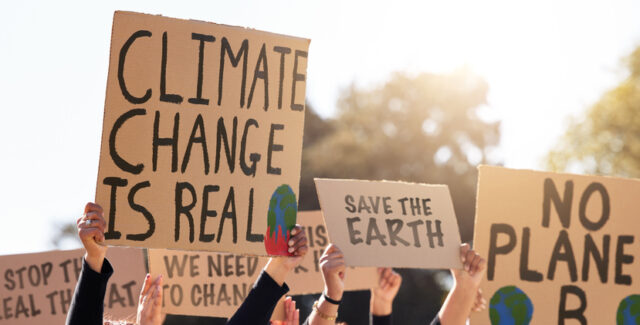
We’ve decided that climate change is serious, air pollution is bad, animal welfare matters, and community is important. Then Bonfire Night comes around, and we temporarily forget all those values because tradition. Younger people are increasingly asking whether traditions that cause actual harm should continue just because “we’ve always done it this way.” The defensive responses from older generations suggest they know the arguments for keeping it are getting weaker, but nostalgia is powerful.
The religious undertones are uncomfortable.

Celebrating the failure of the Gunpowder Plot means celebrating a religious victory. In modern Britain, where we’re supposedly past religious conflicts, continuing to mark this feels a bit outdated. The fact that most people don’t connect the celebration to its origins doesn’t change what it actually represents. Other countries have moved past traditions rooted in religious conflict. Britain’s attachment to Bonfire Night suggests we’re less willing to examine traditions that make us uncomfortable when we actually think about what they mean.
The “just move somewhere quieter” argument is absurd.

When people complain about the noise, they’re often told to move to the countryside if they don’t like it. This ignores that rural areas often have worse firework problems because there’s less oversight. It also puts the burden on the people being disturbed rather than on those creating the disturbance. The suggestion that people should leave their homes and relocate entirely because they don’t enjoy explosions for six weeks is genuinely mad when you actually say it out loud, yet it’s presented as reasonable.