
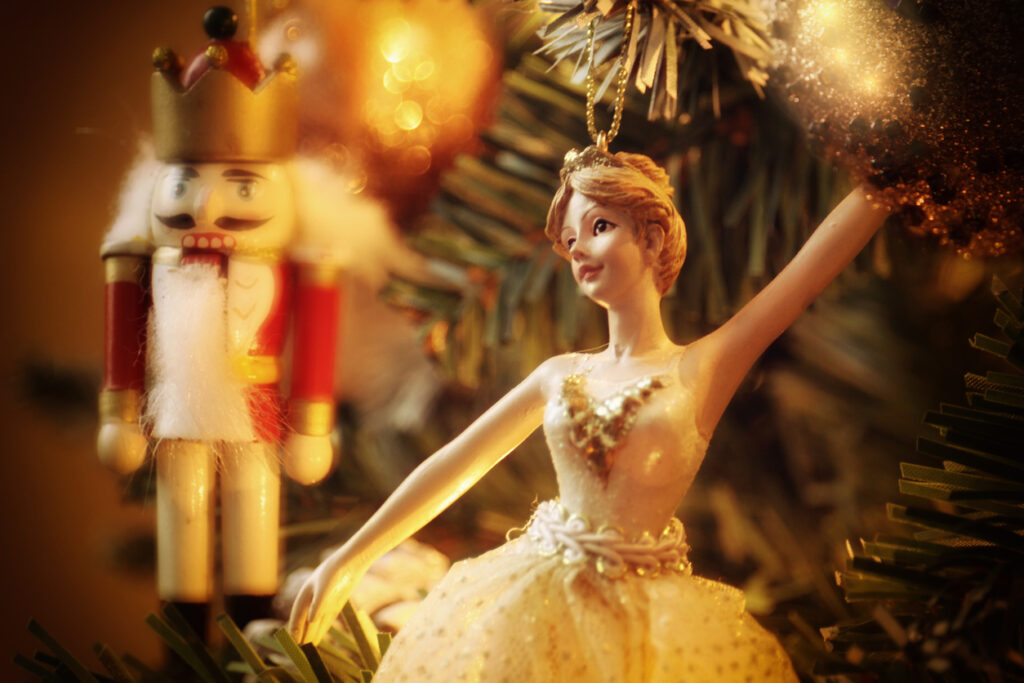
Surprisingly, “The Nutcracker” didn’t start out as a British favourite. If you look at the ballet now, it feels like it’s always been part of British Christmas. In reality, it arrived quite late in British cultural life and didn’t immediately settle into the festive calendar, or even resonate with audiences very much. Tchaikovsky wrote the music in the 1890s, and the story itself was based on an earlier tale by E.T.A. Hoffmann, but British theatres were much more interested in pantomimes, Victorian melodrama, and grand classical operas at the time. The ballet simply wasn’t an automatic choice for theatres during winter. It took many decades before British audiences really embraced it.
The first UK performances were polite rather than enthusiastic.
When The Nutcracker was first performed in the UK in the early twentieth century, critics described it in fairly reserved terms. The ballet world enjoyed the music, but the story felt slightly whimsical compared with other productions staging more dramatic tales. Audiences came, watched, and went home, but there was no sudden rush to make it a festive staple. People still associated December with pantomime and carols. The Nutcracker hovered in the background, quietly waiting for its moment.
The moment finally arrived in the mid twentieth century when The Royal Ballet staged a production that started to capture imaginations. The company developed a version that felt magical enough to appeal to families without losing artistic depth for ballet lovers. The Royal Opera House became a place where Christmas and ballet started to feel connected. Dancers grew up training with the idea that December meant The Nutcracker, and eventually audiences followed.
@axellmeroo Fumi Kaneko as the Sugar Plum Fairy in The Nutcracker | 2022 • • • • • #ballerina #balletdancer #balletcore #ballet #balletvid #balletaesthetic #balletvideos #balletvideo #fypシ #foryoupage #royaloperahouse #royalballet #nutcracker #nutcrackerballet #nutcrackerballet #fumikaneko ♬ original sound – axellmeroo
Television brought The Nutcracker into British homes.
Television played a subtle but important role. During the second half of the twentieth century, broadcasters began showing excerpts from The Nutcracker during festive programming. Families who might never have visited a theatre suddenly watched ballet dancers spinning across the living room screen while the tree lights glowed in the background. Children heard Tchaikovsky’s music before they even knew his name. British kids started asking parents about the magical story, and some decided they wanted to see it live one day.
British Christmas culture created space for it.
British Christmas has always had room for stories full of warmth, music and seasonal charm. Once The Nutcracker started gaining attention, it fit in naturally. The music feels wintry, the stage designs sparkle, and the story carries a gentle sense of wonder without needing grand explanations. Pantos remained popular, but ballet offered a different kind of night out, especially for families wanting something a bit special. Before long, it became part of the December calendar for many theatres, especially in London and major cities like Birmingham and Manchester.
Ballet schools helped children feel part of the tradition.
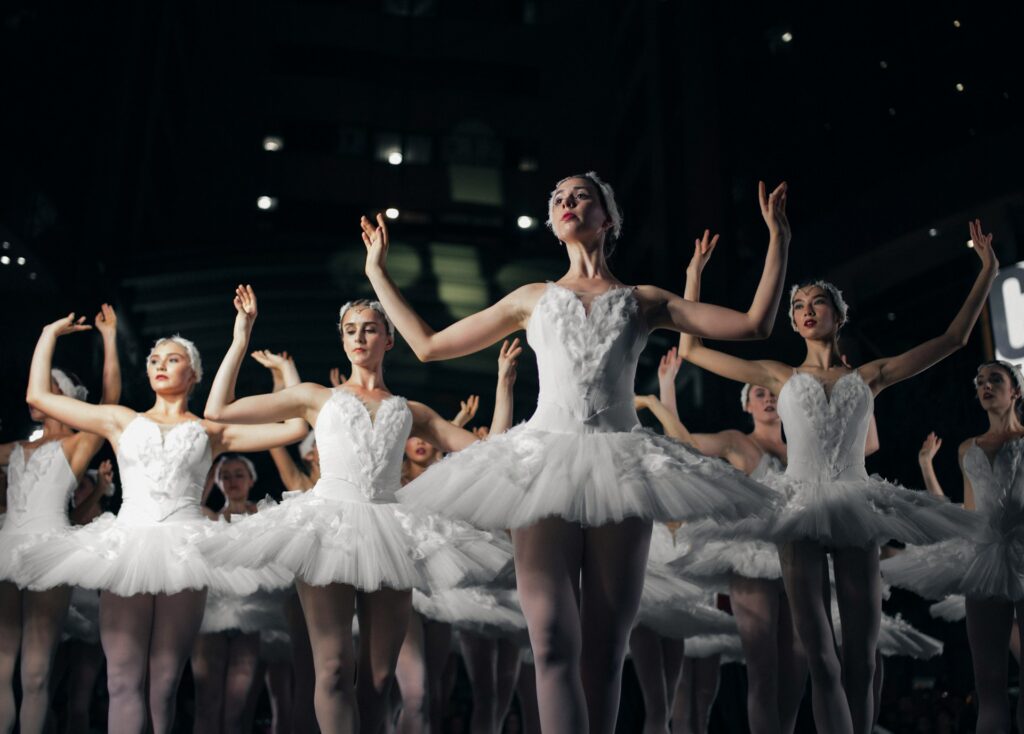
A lovely part of this story is how many British ballet schools began staging their own Nutcracker performances. Local dance schools turned it into a rite of passage. If you studied ballet, December meant Nutcracker rehearsals. Parents invited grandparents, siblings, and friends to watch, which helped create a sense of shared experience. Many children who danced in amateur versions later became adult audience members, bringing their own kids along. That passing of the baton helped the ballet anchor itself in British life.
Tchaikovsky’s music became part of the season.
Even people who have never seen the ballet know the music. You hear it in shops, adverts, school concerts, and festive playlists. That familiar sound helps everyone feel connected to the story. The score feels cosy, wintry and a little magical, which suits the British Christmas mood perfectly. It is also easy to listen to without needing to follow every plot detail, which helps the ballet appeal to people who might not usually attend classical performances.
Touring companies took it across the country.
Another turning point came when touring ballet companies brought The Nutcracker to towns that do not usually host large-scale classical productions. Audiences outside London got to experience full theatre magic close to home. Families did not need to travel long distances to enjoy it, which encouraged more people to give it a try. Over time, theatres saw that December tickets sold well when The Nutcracker was on the programme, and that helped secure its place each year.
International versions inspired creative British productions.
@jxckieee__ It’s almost that time of year 🩰🤍 #thenutcracker #ballet #christmas #foryou #fyp ♬ The Nutcracker, Op. 71, Act 2: No. 14a, Pas de deux. Andante maestoso – Sir Simon Rattle & Berliner Philharmoniker
British companies also watched what was happening overseas, especially in the United States where The Nutcracker became a yearly tradition earlier than here. Companies like New York City Ballet showed that it could be a major part of a ballet season. British choreographers started exploring new ideas, new designs, and even contemporary versions. These creative choices helped keep the ballet fresh without losing the charm people loved.
Christmas theatre traditions opened the door.
The UK has always enjoyed Christmas theatre, from pantomimes to festive concerts. Once The Nutcracker proved it could bring in families and sell tickets, theatres started scheduling it every year. Eventually, audiences began to expect it. December listings arrived, and people immediately checked when The Nutcracker was on. That routine slowly turned into tradition.
The festival atmosphere drew families back each year.
Going to The Nutcracker has become part of how many families celebrate. Children dress nicely, the theatre feels warm and inviting, and parents enjoy watching kids fall in love with the story. The atmosphere in the auditorium feels friendly, and children often clutch programmes like treasured souvenirs. For many, it marks the start of the festive season, sometimes even before decorations are fully up at home.
The UK’s multicultural audience added new meaning.
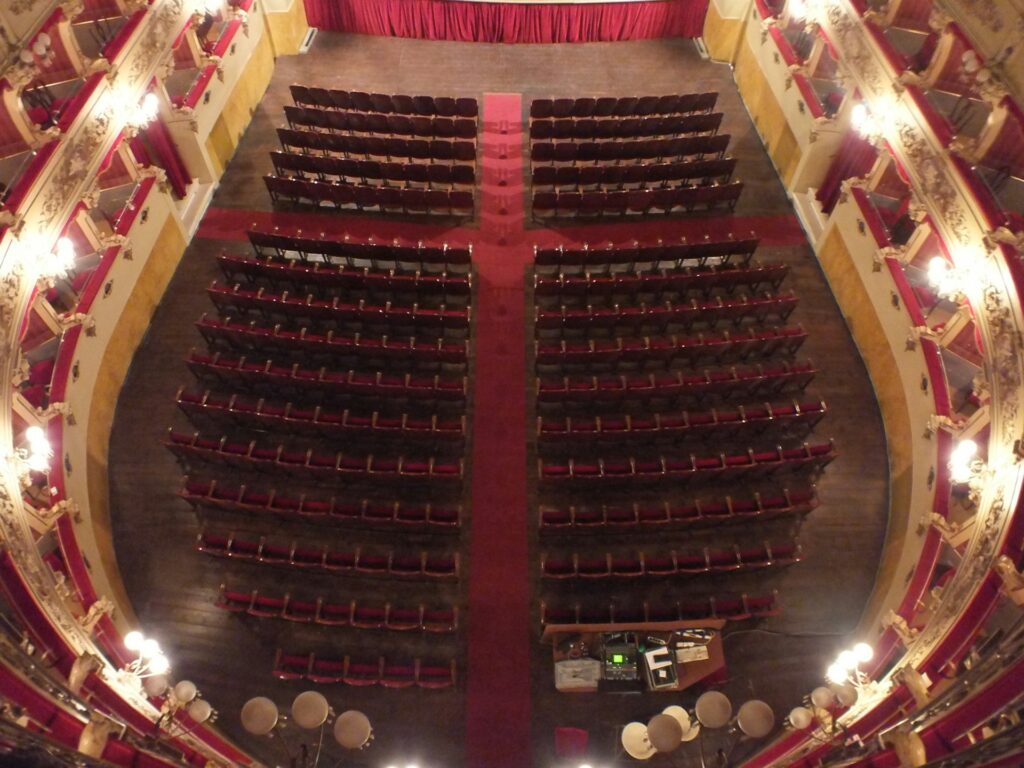
As Britain became increasingly diverse, The Nutcracker found audiences from many backgrounds. It does not rely on religious themes, which makes it welcoming to anyone who enjoys theatre. Families from all walks of life can share in the music, the colour, and the excitement without feeling excluded. That openness helped it thrive in modern Britain.
Ballet companies embraced modern storytelling.
In recent decades, companies have introduced fresh design ideas, updated choreography and engaging storytelling for younger viewers. Some productions add a little humour, others focus on theatrical spectacle, and some keep things closer to the original. This range means there is a version for every taste, which helps the tradition feel alive rather than fixed in the past.
Schools, streaming and social media keep it alive.
More children now watch clips on YouTube or streaming services. Parents share memories on social media. Teachers sometimes play the music in classrooms while preparing for Christmas concerts. The ballet reaches families in many ways, which keeps it firmly rooted in December habits.
The Nutcracker now feels like part of the British winter.
What started as a Russian ballet slowly became a seasonal British tradition. It arrived gently, without huge fanfare, and eventually took root in theatres around the country. Today, families book tickets months in advance, children count down to their favourite scenes, and theatres decorate foyers with a festive sparkle. The Nutcracker continues to charm each new generation, which is probably the clearest sign that it has found a permanent home in British Christmas.


