Hanukkah has a worldwide story, but the way families mark these eight days is always shaped by where they live.
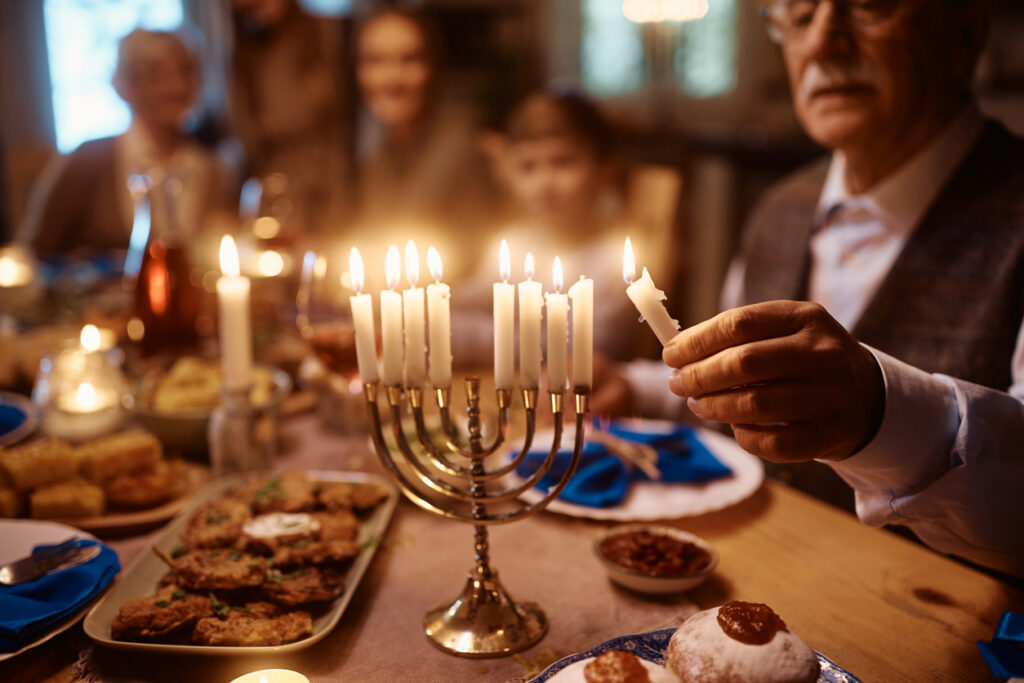
In the UK, the festival has gradually blended with local tastes, local produce, and the way British kitchens work once we get into winter. If someone grew up in London, Manchester, Glasgow, or anywhere else in the country, chances are they’ve created little traditions that would look slightly different in New York or Jerusalem. The heart of Hanukkah still centres on light, community, and that story of oil, yet the table these days tells a very British tale as well.
Below are some well-loved British foods that have worked their way into Hanukkah meals, either through convenience, family memories, or that comforting feeling you get when something reminds you of home.
Roast potatoes are true scene-stealers.
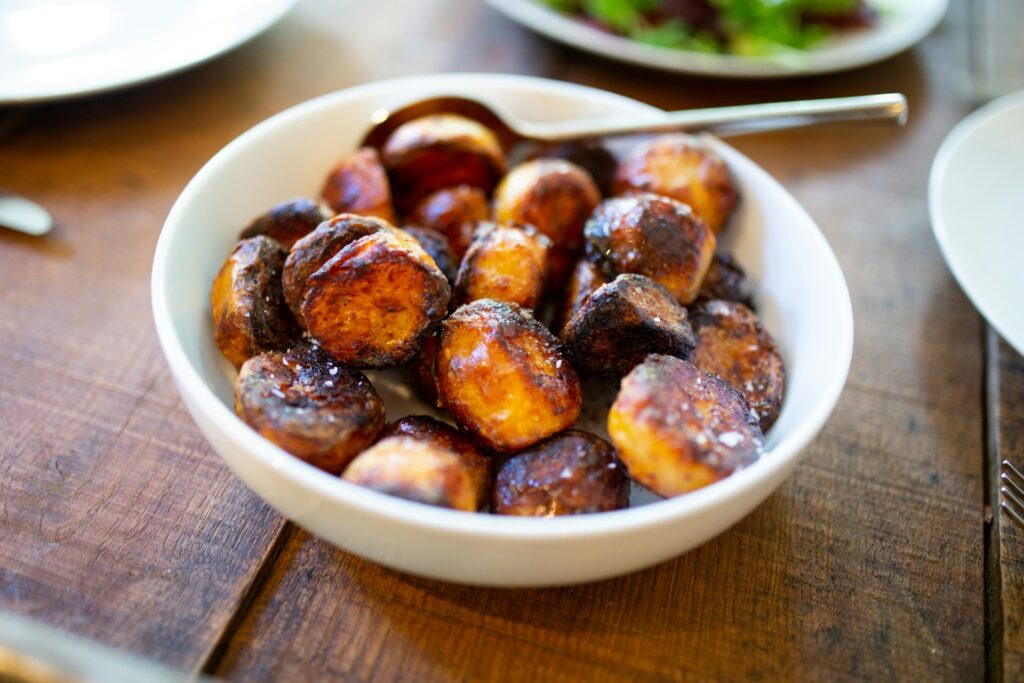
Potatoes are already part of Hanukkah through latkes, but British roasties have muscled their way into the celebration for plenty of families. When you think about it, December is prime roast potato season. The weather’s cold, supermarkets are loaded with good varieties, and every British household seems to have a firm opinion on goose fat, vegetable oil, or olive oil.
Some families still make traditional latkes, and then place a tray of roasties next to them, creating a sort of double potato evening. It’s practical, it fills everyone up, and kids tend to reach for the crisp, fluffy roasties without any encouragement. You’ll even hear people joking that roast potatoes are now a core part of the holiday, especially when hosting friends who aren’t Jewish and want to join in.
There’s also something very British about gathering around a winter table and waiting for that tray to hit the table. It brings a cosy mood, and that’s exactly what many want during the darkest weeks of the year.
Yorkshire puddings always take up plate space.
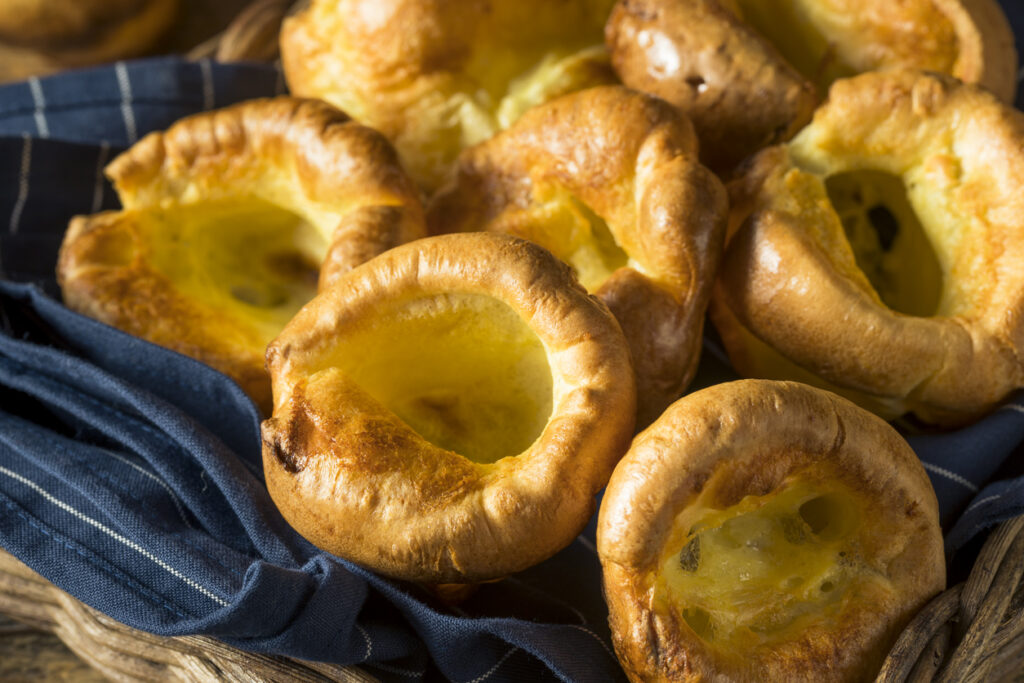
Yorkshire puddings weren’t exactly created with Hanukkah in mind, but they’ve arrived anyway. Some families enjoy a proper British roast during the holiday, so Yorkshire puddings sit comfortably beside brisket or other slow cooked dishes. They soak up sauces beautifully, and because the festival falls close to Christmas, the timing means many kitchens already have tins out and ready to use.
Plenty of Jewish families in the UK talk about the traditional dishes they grew up with, but they’ll laugh and say Yorkshire puds became part of the routine before anyone questioned it. It’s very much a reflection of living here. People celebrate their heritage while still embracing the culture around them.
Smoked salmon is on the table without fail.
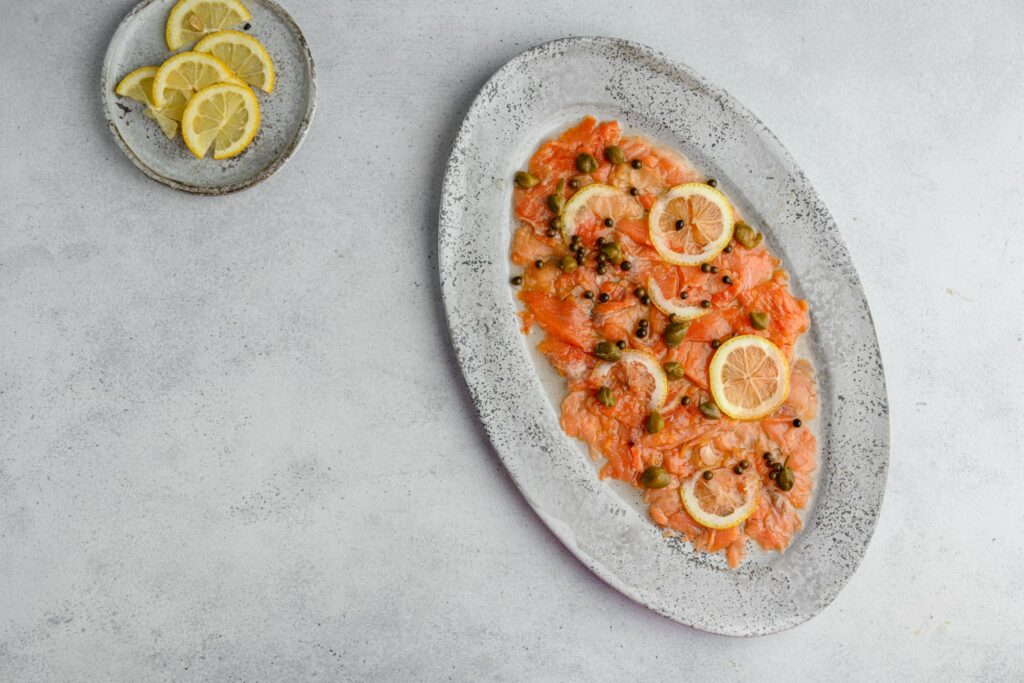
Smoked salmon is a classic in many British households, and it’s already a long-standing part of Jewish cuisine in various countries. In the UK, though, smoked salmon takes on a special place during Hanukkah breakfasts or light suppers. It feels a bit celebratory without demanding hours in the kitchen.
Bagels with smoked salmon are common across the diaspora, but British supermarkets make it incredibly easy to pick up good salmon, and people love serving something that feels a little bit refined for guests. Plenty of families enjoy smoked salmon with latkes as well, which is a delicious combination, especially with a little crème fraîche or sour cream. You can even argue that smoked salmon has become the quickest way to give the evening a touch of occasion.
Apple sauce made with British apples is always a winner.
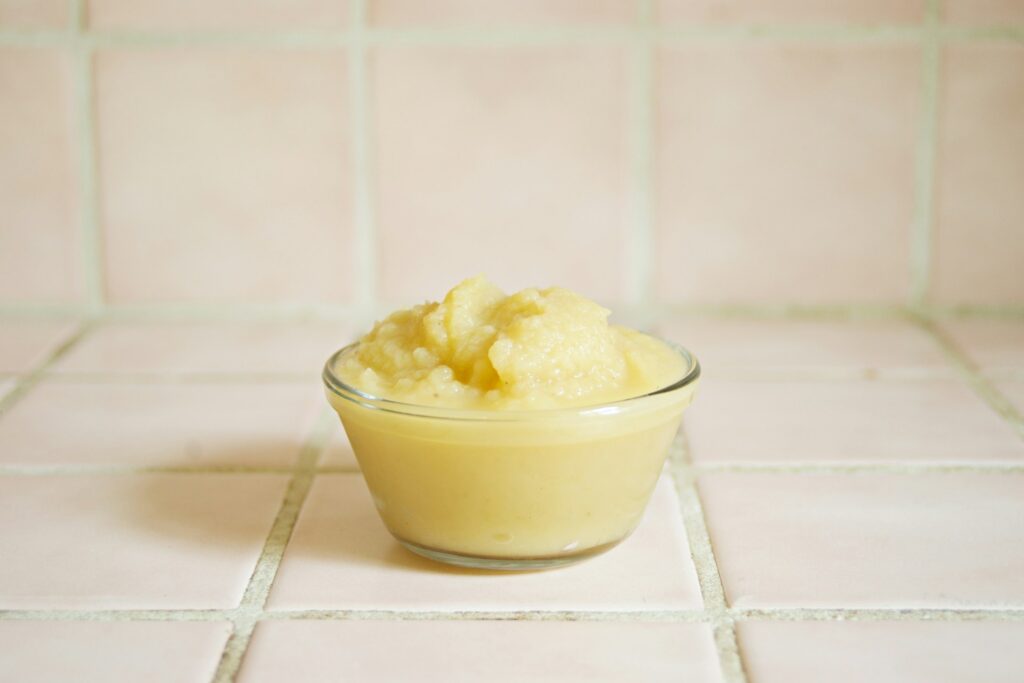
Apple sauce is already a well-known companion to latkes, but in the UK many families take pride in using local apples. Bramleys and Cox apples are ideal for cooking, and December is still a good month for British produce. That means homemade apple sauce becomes a proper feature, and it tastes different to the jars people might remember from childhood.
People often chat about how apple sauce used to be quite plain, but modern home cooks have upgraded everything by using seasonal apples, sometimes adding cinnamon or a little lemon. It makes the latke plate feel more connected to where we actually live, and that’s always fun to notice when you sit down to eat.
If you’re interested in the history of apple varieties in the UK, the Royal Horticultural Society has a nice overview of classic British apples on its website, which helps show why certain types work so well in winter cooking.
Sticky toffee pudding makes dessert even richer.
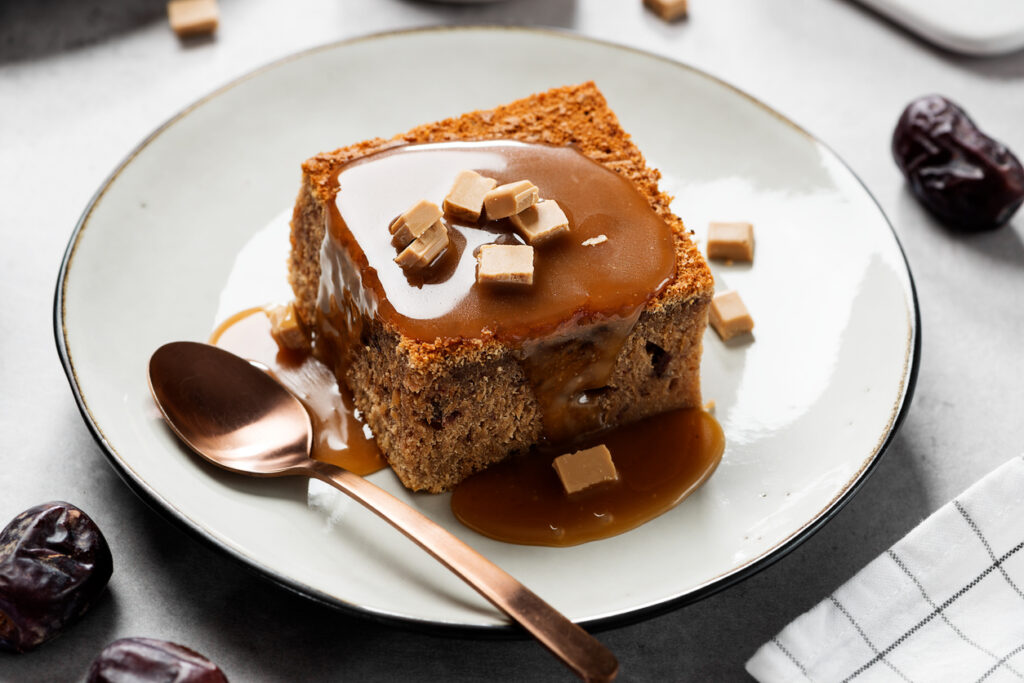
Dessert during Hanukkah usually brings doughnuts or babka, but plenty of British Jewish families have added sticky toffee pudding without a second thought. It’s warm, indulgent, and exactly what you want when the evenings get icy. You’ll also hear people say they tried it one year during a family dinner and never looked back.
Some families like to make sufganiyot and then serve sticky toffee pudding alongside, letting people choose whichever dessert calls to them. It’s also incredibly handy if you’re cooking for a mixed group of guests. Everyone recognises sticky toffee pudding, so nobody feels at a loss about what to expect.
Root vegetable soups take the edge off winter.
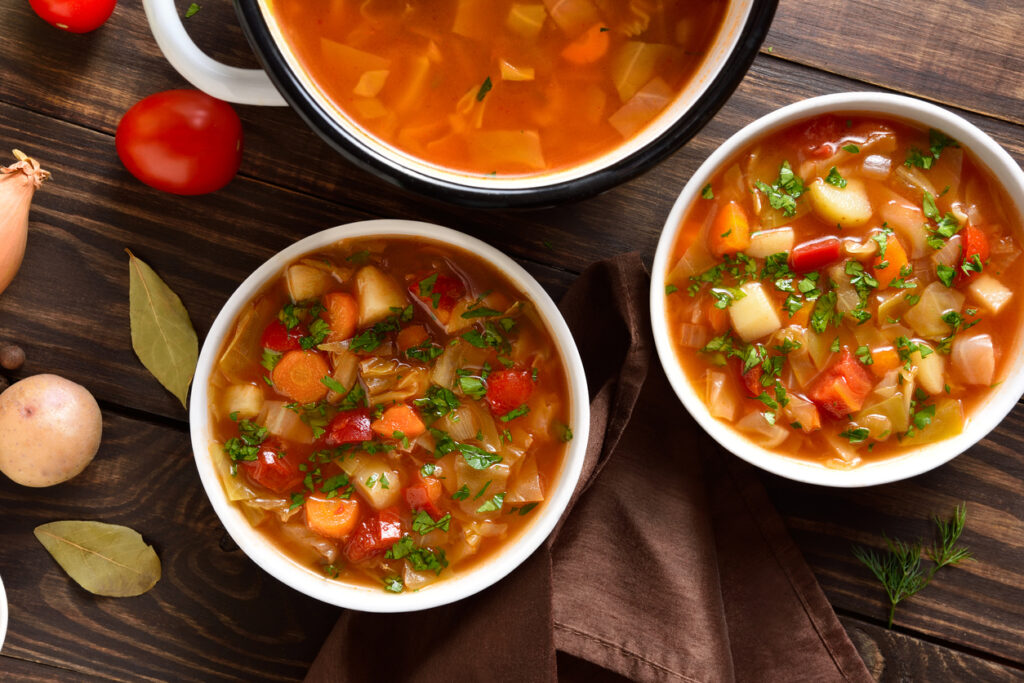
Soup is already common in Jewish cooking, especially chicken soup. In Britain, though, root vegetable soups have become popular during Hanukkah. Think parsnips, carrots, leeks, and squash. They’re affordable, they’re seasonal, and they make the house smell incredible. People love serving soup as a starter because it warms everyone up after coming in from the cold.
You’ll see many British Hanukkah menus open with a bowl of soup, and it’s rarely the same recipe twice. Root veg are easy to experiment with, which gives families a chance to put their own stamp on the holiday menu. It’s also one of the easiest ways to stretch a meal for guests without adding a huge expense to the food shop.
Chocolate coins mixed with British chocolate brands are popular choices.

Chocolate gelt comes from traditional Hanukkah customs, but British chocolate brands have slipped into the holiday without anyone questioning it. Supermarkets fill up with festive sweets through December, and many parents just pick up whatever looks fun and fits the spirit of gift giving.
Sometimes it’s classic Hanukkah gelt, sometimes it’s chocolate coins from a leading British supermarket, and quite often it’s a mix of both. The result is a plate of chocolates that feels very British, even though the idea behind chocolate coins has roots in Jewish history.
Kids love it, adults love it, and the kitchen table tends to look more playful than formal.
Mulled drinks for cosy evenings never go wrong.
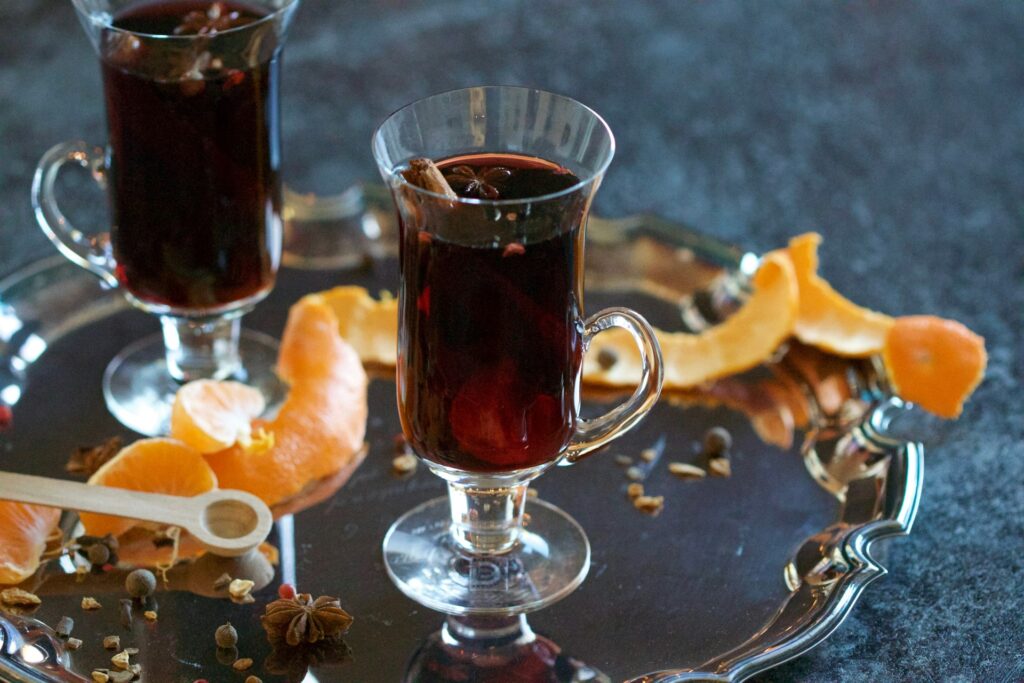
Mulled wine and spiced apple drinks are part of the British winter season, and plenty of families treat Hanukkah like the perfect excuse to bring out a pot of something warm and fragrant. While wine has ritual uses in Jewish tradition, mulled drinks are more about the season.
People often say these drinks make the evening feel special, especially if you have guests coming in from the cold. It’s comforting, and everyone can sip slowly while candles burn. If someone prefers alcohol-free options, mulled apple juice or spiced cranberry juice are great alternatives. The BBC Good Food website offers a long list of mulled drink recipes, including non-alcoholic versions that suit family gatherings.
British cheeses with latkes is a winning combo.
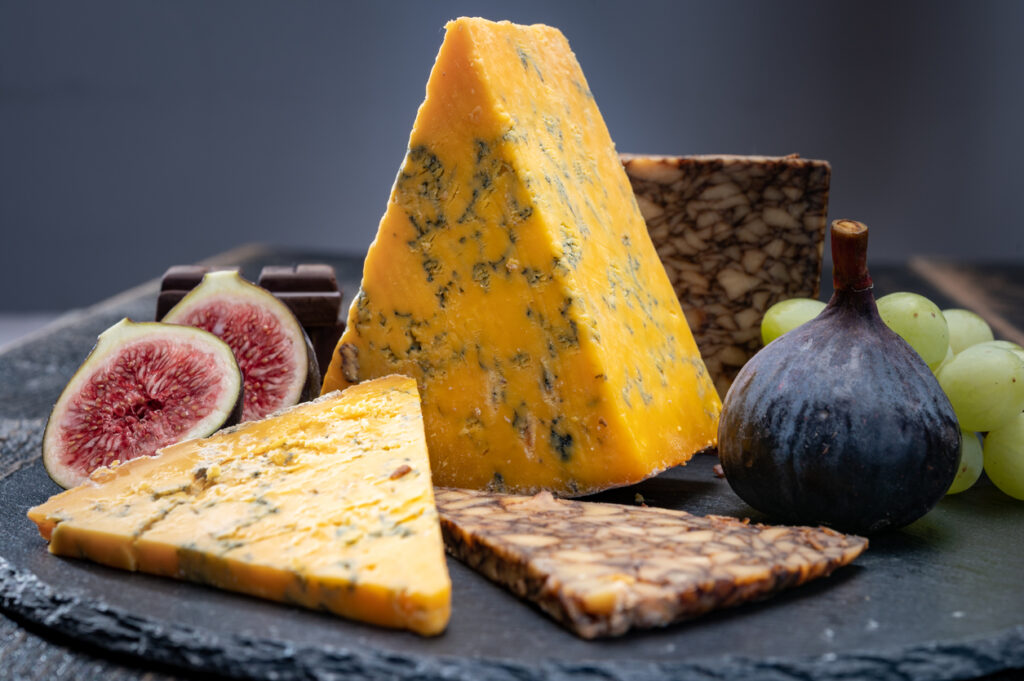
Latkes usually come with sour cream or apple sauce, but British cheeses have been creeping into the toppings in recent years. Mature Cheddar, Red Leicester, and Wensleydale are all lovely on warm potato pancakes. The salty flavour works with the crisp texture, and you end up with something that feels both comforting and a little different.
People often chat about finding new ways to serve latkes, and cheese has become an easy route. It’s already in the fridge, and it fits perfectly with a casual Hanukkah meal. Nobody needs a complicated explanation, which is probably why this pairing has stayed.
Hanukkah menus change with British seasons.
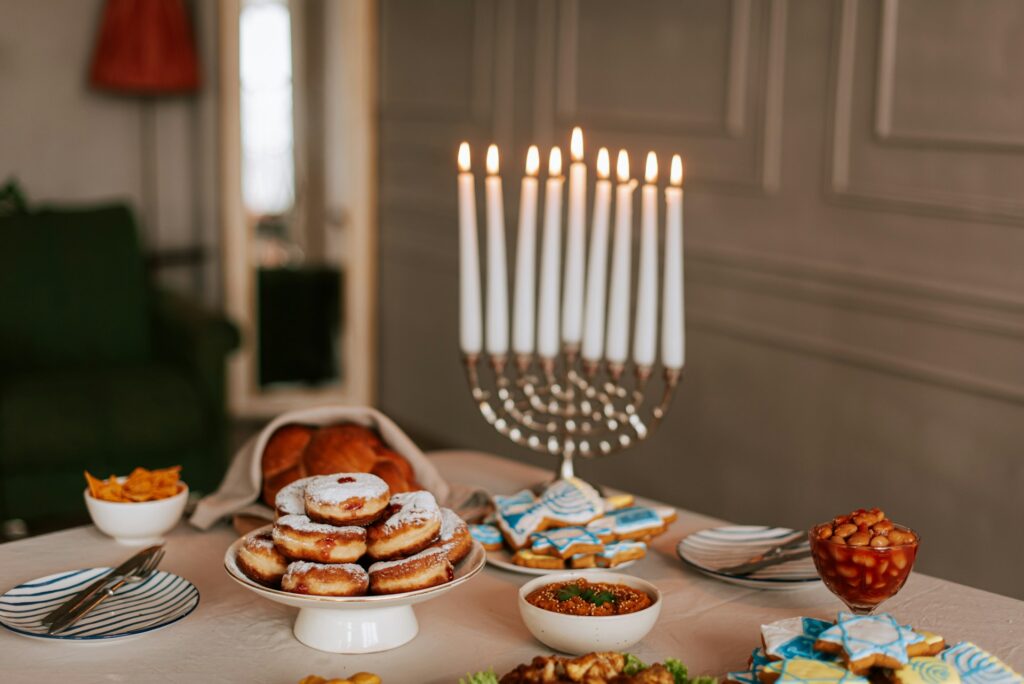
British weather shapes our cooking every winter. Supermarkets stock certain produce, certain meats, and certain sweets, and naturally those things end up on Hanukkah menus. Families change dishes depending on what’s available, and traditions adapt in a way that feels natural to each household.
This isn’t replacing traditional food. It’s more that people build on what they already love. They remember the classic dishes from older generations, then add something that suits the home they live in right now. That balance between heritage and place creates a very British kind of Hanukkah table.
British markets and supermarkets have influenced Hanukkah celebrations.
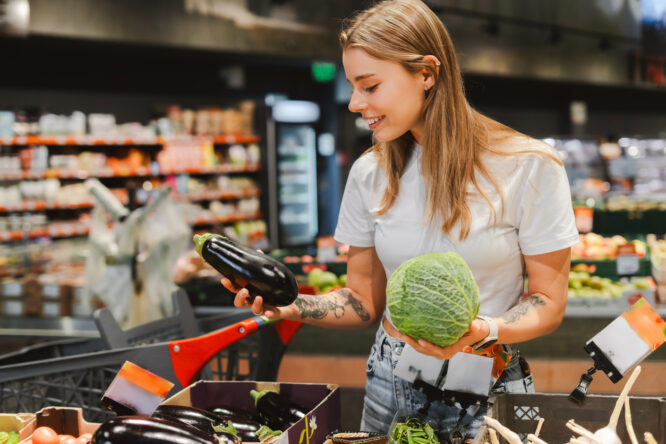
Jewish families in larger cities often mention how easy it is to find kosher products in London or Manchester, and that convenience shapes what ends up on the table. It also means certain British ingredients become part of the celebration simply because they’re easy to pick up.
Farm shops near smaller towns also play a role, especially if families enjoy cooking with local ingredients. It might start with buying root vegetables or local eggs, then become a tradition people pass down without even thinking about it.
The Board of Deputies of British Jews sometimes shares updates on community life, which helps show how Jewish culture continues to evolve around the UK. That blend of history and modern living shows up most clearly in the food people serve.
British food and Hanukkah surprisingly blend pretty seamlessly.
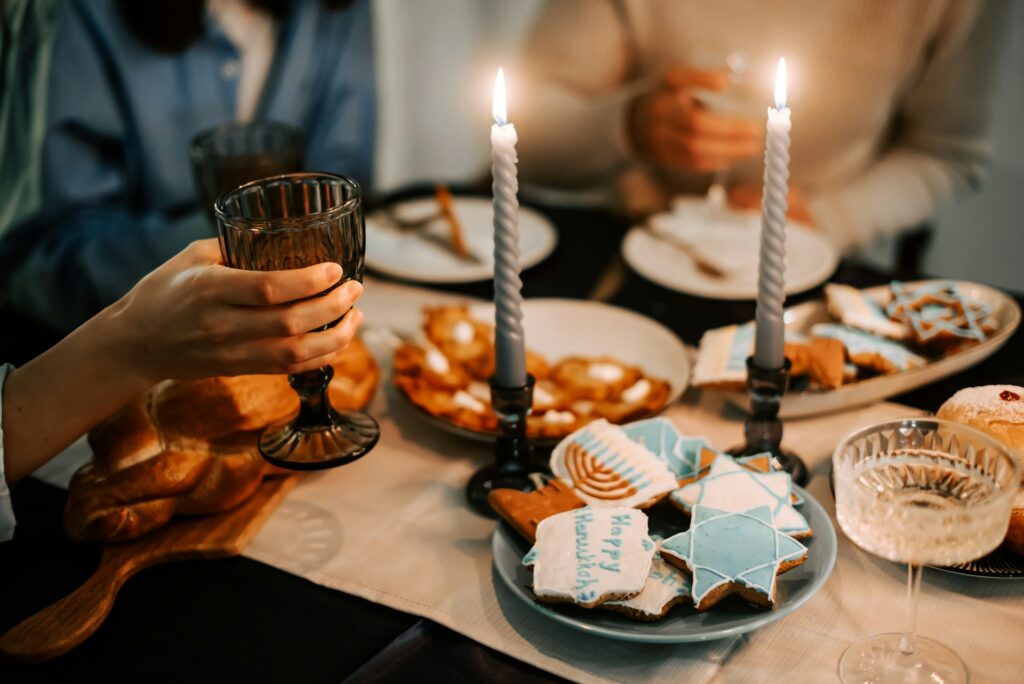
When a holiday has deep roots, people sometimes worry about changing anything. But food has always evolved depending on place, climate, and what’s going on in everyday life. In the UK, winter food has a flavour of its own, and Hanukkah naturally picked up those qualities.
You can still make traditional dishes, honour the story, and enjoy the heritage, while also welcoming local ingredients and British comfort food. It means people can gather around a table that feels true to who they are and where they live, which is really what most celebrations are about.