Walk into a pub with a group of Boomers, and you’ll quickly notice that they do things a little differently.

There’s an unspoken order to how they drink, chat, and claim their favourite corner, one that can leave younger people quietly baffled. From their approach to buying rounds to their love of striking up long chats with strangers at the bar, their habits can feel both endearing and slightly confusing to anyone who didn’t grow up with the same pub culture.
But those quirks come from a time when pubs were about connection, not content. For Boomers, it’s less about snapping photos or checking reviews and more about routine, familiarity, and face-to-face conversation. And while their ways might seem a bit outdated to younger generations, there’s a kind of social rhythm to it that still says a lot about how they see friendship, community, and a proper night out.
The round system nobody properly explains

Older pub-goers automatically understand that when someone buys a round, you’re now obligated to buy the next one. Miss your turn, and you’ve committed a social crime that people will remember. But nobody actually explains this system to younger people who might just think everyone’s being generous, then get confused when there’s tension about them not offering.
The maths gets complicated when groups are different sizes or people arrive and leave at different times. Younger generations often prefer just buying their own drinks or splitting bills on apps, which makes perfect sense but completely goes against decades of established pub protocol that older regulars see as fundamental to how pubs work.
Standing at the bar for ages without complaining

Older generations will stand at a crowded bar for 10 minutes without saying anything, maintaining eye contact with the bartender and waiting their turn. There’s an invisible queue system based on who arrived when and who’s been waiting longest. Everyone at the bar knows where they are in this invisible queue.
Younger people don’t understand this at all. They’re used to actual queues or ordering through apps. Standing in a crowd of people all trying to get served with no clear system feels chaotic and inefficient. Why not just have a proper queue or let people order from tables on their phones?
The sacred concept of a local
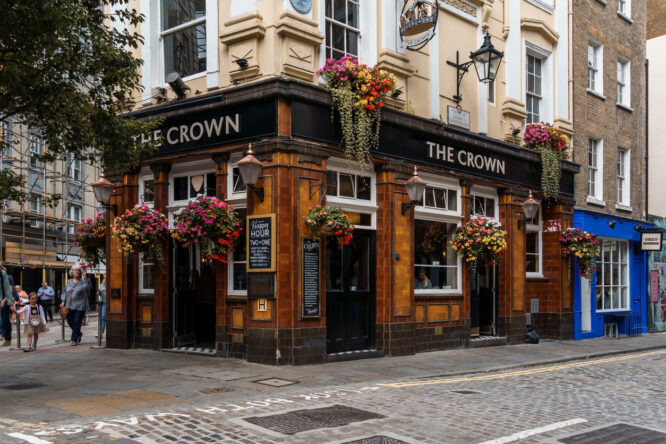
For older generations, having a local means going to the same pub regularly, knowing the staff, having a usual seat, being recognized when you walk in. It’s a community hub and a second home. Younger people don’t really get the appeal of going to the exact same place every time when there are loads of options.
The idea of being a regular somewhere feels oddly committal to younger generations who prefer variety and trying new places. Social media has made them aware of every new bar and pop-up, so limiting yourself to one pub feels unnecessarily restrictive when you could be exploring different venues.
Paying in cash for everything

Older pub-goers still often pay in cash, especially for rounds. They’ll have notes and coins ready and know exactly how much a pint costs. Younger people rarely carry cash and expect to tap their card or phone for everything. Pubs that are cash-only or have card minimums feel like deliberate obstacles.
The cash thing ties into the round system because it’s easier to keep track of who owes what with physical money. But younger generations are so used to instant digital payments and splitting bills through apps that carrying cash specifically for the pub feels like an unnecessary extra step from a different era.
Going to the pub with no plan to leave

Older generations will go to the pub for “a quick pint” and still be there four hours later, and that’s completely normal. There’s no set end time, you just stay until you’re done. Younger people are more likely to have specific plans with set start and end times, moving from one venue to another on a schedule.
The idea of just sitting in one pub all afternoon or evening with no other plans feels aimless to younger generations who are used to structured social events. They’ll meet at the pub before going somewhere else, whereas older people see the pub itself as the destination, not a staging post.
Talking to complete strangers like it’s normal

In traditional pub culture, chatting to random people at the bar or nearby tables is perfectly acceptable. Older generations will strike up conversations with anyone about football, weather, or whatever’s happening in the news. It’s part of the social fabric of pub life and seen as friendly.
Younger people find this quite strange and slightly uncomfortable. They’re used to socializing within their own group, and the idea of a stranger just starting a conversation feels intrusive rather than friendly. They go to pubs with their mates, not to meet random people they don’t know.
Accepting terrible food because it’s not about the food

Traditional pub-goers will happily eat mediocre food because they’re there for the drinks and atmosphere, not a culinary experience. A basic scampi and chips or pie is fine because the pub is about socializing, not dining. The food is just something to soak up the alcohol.
Younger generations have much higher expectations for food everywhere because of social media and the general improvement in casual dining. If a pub’s doing food, it should be good food, not just acceptable. They’ll choose venues based on the food quality as much as the drinks, which isn’t how older generations think about pubs at all.
The Sunday roast as a ritual event

For older generations, a Sunday pub roast is a weekly tradition that you don’t mess with. You book a table, you arrive on time, everyone orders a roast, and you spend hours there. It’s a structured social ritual that marks the weekend. Missing it or suggesting something else feels wrong.
Younger people don’t understand the rigidity of it. Why does it have to be Sunday? Why does everyone have to have a roast? Why can’t we just get whatever we fancy? The idea of a fixed weekly ritual at the same place feels unnecessarily inflexible when you could be trying different restaurants or cuisines.
Staying loyal to one drink your whole life

Older pub-goers will order the same drink every single time. They’re a bitter person or a lager person or a Guinness person, and that’s their drink forever. Trying something different isn’t really considered. They know what they like and see no reason to change.
Younger generations want to try different things. Craft beers, cocktails, whatever’s new or interesting. Ordering the same pint for decades feels boring when there are so many options. Why limit yourself when you could be experiencing different flavours and styles?
Showing up without booking and expecting to get in

Traditional pub culture doesn’t really involve booking tables unless it’s Sunday lunch. You just turn up and find a spot or wait for one. Older generations are comfortable with this uncertainty and see it as part of the pub experience. If it’s full, you go somewhere else or wait.
Younger people expect to book everything in advance through apps. Turning up without a reservation feels risky and inefficient. Why wouldn’t you secure a table beforehand rather than risk wasting a journey? The casual nature of just showing up feels needlessly chaotic.
Spending entire afternoons reading the paper there

You’ll still see older people in pubs during the day, sitting alone with a pint and a newspaper for hours. This is considered perfectly normal behaviour. The pub is somewhere you can just exist quietly without anyone bothering you. It’s socially acceptable daytime drinking with a side of reading.
Younger people don’t really understand going to a pub alone to read when you could do that anywhere. If you’re at the pub, surely you’re there to socialize? Sitting alone seems lonely rather than contentedly solitary. And who buys physical newspapers anymore when everything’s online?
The emotional attachment to pubs closing

When a traditional pub closes, older generations act like someone’s died. There’s genuine grief and anger about losing these community spaces. They’ll talk about memories going back decades and how the area won’t be the same. The closure of a pub feels like losing part of their identity.
Younger people don’t have that same attachment because they don’t have decades of history in these places. A pub closing is just a business shutting down. There are other pubs and bars. The emotional response seems disproportionate when there are loads of other places to drink that are probably more interesting anyway.
Knowing everyone’s business without social media

In traditional pub culture, everyone knows what’s going on with everyone else through pub conversations. Who’s having a baby, who’s getting divorced, who got a new job. The pub is where local news spreads. Older generations get all their social updates face-to-face in the pub.
Younger people get all this information through social media instantly. By the time pub gossip spreads, everyone already knows from Instagram or WhatsApp. The idea of the pub as the primary source of social information feels outdated when digital communication is instant and doesn’t require physically going somewhere.
Refusing to leave when it’s clearly closing time

When the pub’s closing, older regulars will stay for “one more” repeatedly, chatting to staff while they’re trying to clean up. There’s a sense of entitlement to stretch the evening out because they’re regulars and the pub is their space. Closing time is seen as a suggestion rather than a rule.
Younger people are more likely to respect closing time because they’ve worked in hospitality and know how annoying it is when people won’t leave. They also have less attachment to any specific venue, so leaving when asked isn’t a big deal. There are other places to go, or they can just go home.